
10 Daily Habits That Keep Your Home Pest-Free
2/13/20267 min read
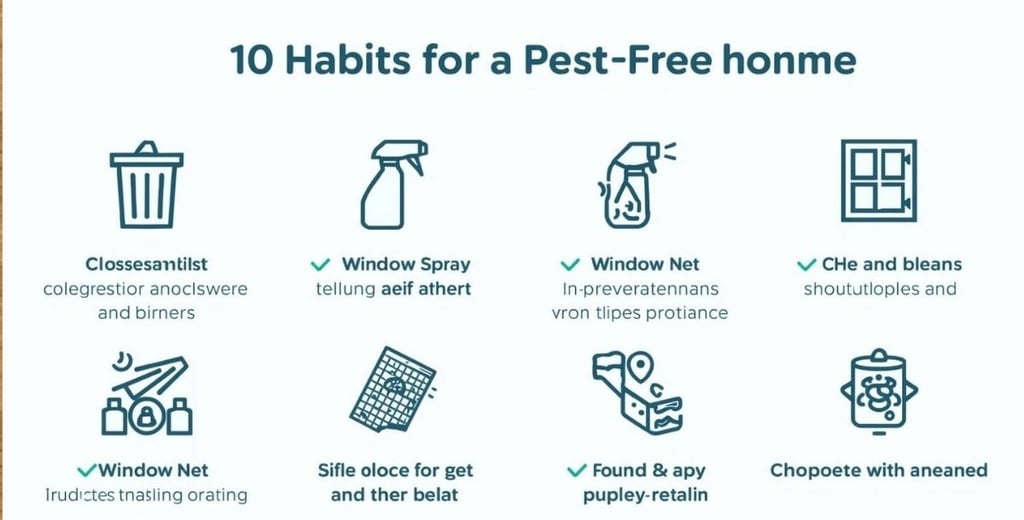
Establishing a Cleaning Routine
To maintain a pest-free home, establishing a consistent cleaning routine is paramount. Regular cleaning routines significantly reduce the likelihood of attracting pests, such as rodents, insects, and other unwanted critters, by eliminating potential food sources and nesting areas. A well-organized cleaning schedule provides a manageable approach to maintaining cleanliness and hygiene, which is vital in preventing infestations.
When creating a cleaning routine, it is essential to include a variety of tasks at different intervals. Daily tasks should involve high-priority activities, such as wiping countertops, washing dishes, and vacuuming high traffic areas to remove crumbs and debris. Additionally, routinely inspecting pet food containers and promptly cleaning up spills can effectively deter opportunistic pests from establishing a presence in your home.
Weekly cleaning tasks should build upon daily efforts, incorporating more thorough cleaning actions. This could include mopping floors, dusting surfaces, and sanitizing bathrooms. Pay special attention to commonly overlooked areas where pest infestations may begin, such as under appliances, behind furniture, and within storage areas. These spaces can often harbor food particles or moisture, making them attractive to pests.
Monthly cleaning routines should focus on deep-cleaning tasks such as clearing clutter and organizing storage spaces. This can help expose potential pest harborage sites and remove items that are no longer needed. Additionally, take the opportunity to inspect the home for any signs of pest activity, including droppings or damage. By implementing a comprehensive checklist for your cleaning routine, you can systematically address these high-risk areas and maintain a hygienic environment, ultimately contributing to a pest-free home.
Drain Maintenance for a Pest-Free Home
A critical yet often overlooked aspect in maintaining a pest-free home is the proper maintenance of drains. Clogged or poorly maintained drains can lead to standing water, which serves as an attractive breeding ground for various pests, such as mosquitoes, cockroaches, and even rodents. By keeping your drains clean and ensuring that standing water is promptly addressed, you can significantly reduce the likelihood of pest infestations.
To maintain your drains effectively, begin with a routine inspection. Identify any signs of clogs or slow drainage, which may indicate that debris is accumulating. A good practice is to inspect your drains at least once a month, focusing on kitchen and bathroom sinks, bathtubs, and outdoor drains. Look for build-up of hair, grease, and other materials that may obstruct water flow.
For regular cleaning, opt for safe, natural solutions that can help keep your drains clear and odor-free. One such method involves pouring a mixture of baking soda and vinegar down the drain, followed by boiling water. This combination can help break down any built-up grime without introducing harsh chemicals into your plumbing system. Another option is to periodically flush the drains with hot water, which can prevent grease from solidifying and contribute to a free-flowing drainage system.
To further enforce your drain maintenance strategy, create a maintenance schedule that fits into your routine. This schedule should include weekly checks, monthly cleanings, and bi-annual deep cleanings where you might consider using a professional service if necessary. Regular maintenance not only enhances the functionality of your plumbing but also serves as a proactive method to thwart potential pest issues in your home.
Food Storage Habits to Prevent Pests
Maintaining proper food storage habits is essential in preventing pests from infiltrating your home. When food is not stored correctly, it becomes an attractive target for a variety of pests, including ants, cockroaches, and rodents. Implementing effective food storage methods not only prolongs the freshness of your food but also contributes significantly to a pest-free environment.
One of the most effective strategies is to use airtight containers for storing food items. These containers not only protect your food from external pests but also prevent cross-contamination with other food items. It is advisable to store grains, cereals, and snacks in sturdy, sealed containers. Additionally, ensure that opened packages are closed tightly when not in use.
Keeping kitchen areas clean is another critical aspect of pest prevention. Regularly cleaning countertops, floors, and storage areas will help reduce food debris that can attract pests. Accumulated crumbs and spills should be promptly cleaned up. Regular vacuuming and mopping can significantly reduce pest activity in the kitchen.
To assist with effective food storage, consider the following checklist of dos and don’ts:
- Do: Use clear, airtight containers for all dry goods.
- Do: Label containers with contents and date of storage.
- Do: Regularly check for expired food items and dispose of them properly.
- Don’t: Leave open food items unattended.
- Don’t: Store food near kitchen sink areas where moisture may encourage pests.
- Don’t: Ignore the importance of sealing cracks and crevices in kitchen areas.
By adopting mindful food storage habits and adhering to these dos and don’ts, homeowners can significantly reduce the likelihood of pests invading their kitchens and pantries.
Timely Waste Disposal Practices
Effective waste disposal is a critical component of maintaining a pest-free home. Pests, such as rodents and insects, are attracted to food remnants and odors emanating from garbage. Therefore, understanding the timing of waste disposal and implementing regular practices can significantly reduce the likelihood of infestations.
It is advisable to take out the trash at least once a week, but more frequent disposal may be necessary depending on the circumstances. For instance, homes with pets or those that generate a considerable amount of food waste might need to empty their bins every few days. This minimizes the opportunity for pests to investigate and infiltrate your living space. Additionally, using sealed containers can significantly contain odors, making it less attractive to pests.
When disposing of waste, consider employing methods that further mitigate any potential issues. Wrapping food scraps tightly in recyclable paper or plastic can help minimize smells and prevent liquid leakage that could attract pests. Furthermore, assigning a specific day for waste disposal can establish a routine that is easily integrated into daily life. For instance, you may choose to take out the trash every Tuesday and Friday evenings, ensuring bins are consistently emptied before the weekend.
Also, encourage household members to actively participate in this practice. Involving everyone in the family in the waste disposal schedule can foster a sense of accountability and ensure that waste is not left to accumulate. As a result, a well-structured waste disposal approach aids in safeguarding your home from pest invasions. By timing your waste disposal effectively, you will contribute significantly to a cleaner living environment.
Installation of Window Nets
Window nets serve as an effective barrier against pests, preventing unwanted insects and animals from entering your home while allowing natural ventilation. To successfully integrate this pest control measure, follow these detailed steps.
Firstly, selecting the right netting is crucial. Look for durable materials that can resist wear and tear. Common options include fiberglass mesh and aluminum screen, with the former being flexible and the latter sturdy. Ensure the selected netting is appropriate for your local climate and the types of pests prevalent in your area.
Next, precise measurement of your windows is essential for a proper fit. Measure the width and height of each window frame, taking three measurements for accuracy – one at the top, one in the middle, and one at the bottom. Use the smallest measurement when purchasing your window nets to guarantee a snug fit.
Once you have the correct netting, installation can commence. For a basic installation, you will need tools such as a staple gun, utility knife, and measuring tape. Cut the netting to extend slightly beyond each side of the window frame. Attach one edge of the netting with staples, ensuring it is taut and straight. Proceed to staple the opposite edge and then the remaining sides. Trim any excess material after tightening the netting to the frame. If using a pre-manufactured screen, follow the manufacturer's installation instructions closely, as these may vary by product.
Maintaining your window nets is vital for their effectiveness. Regularly inspect them for holes or tears, especially before peak pest seasons. Clean the nets occasionally using a mild detergent to remove dust and debris. Keep a checklist that includes the following: check for damage, clean the nets, and ensure the installation is secure. By adhering to these guidelines, you can ensure that your window nets effectively safeguard your home from pests.
Balcony Plant Care to Avoid Pests
Maintaining a pest-free environment on your balcony requires diligent attention to the health of your plants. Improper plant care not only compromises the robustness of your plants but also creates a welcoming habitat for unwelcome pests. To start, it is crucial to select plants that are well-suited to your balcony's climate and light conditions. Research native plants or those that are known for being resilient in your specific environment, as this can significantly reduce susceptibility to pest infestations.
Watering practices play a vital role in keeping your balcony plants healthy. Overwatering can lead to root rot, which, in turn, can attract pests like fungus gnats. Conversely, underwatering may cause plants to stress and become more vulnerable to pests. It is essential to establish a balanced watering routine that takes into account the individual needs of each plant species. A moisture meter can help assess soil conditions accurately.
In addition to proper watering, integrating pest management solutions is crucial. Employing organic pest deterrents, such as neem oil or insecticidal soap, can effectively manage any potential infestations before they become problematic. Additionally, introducing beneficial insects, like ladybugs or lacewings, can help control pest populations naturally.
To ensure that your balcony garden remains healthy and pest-free, consider the following maintenance checklist:
- Choose appropriate plants that thrive in your balcony's conditions.
- Water plants according to their specific needs, avoiding both over and under-watering.
- Inspect plants regularly for signs of pest activity or distress.
- Implement organic pest management solutions as needed.
- Remove dead leaves and debris, which can harbor pests.
- Fertilize plants periodically to promote strong growth.
Summary of Actions for a Pest-Free Environment
Creating and maintaining a pest-free home involves the integration of various proactive measures that have been discussed in this blog post. Each of the tips presented plays a crucial role in establishing an environment that is far less inviting for pests. By combining these actions, homeowners can significantly reduce the risk of pest infestations.
First, regular cleaning practices are essential. Consistent vacuuming and sweeping remove food particles and debris that attract pests. Additionally, the application of effective pest control methods, whether through traps, repellents, or natural solutions, can keep infestations at bay. It is also vital to seal entry points around the home, effectively blocking access for rodents and insects.
Furthermore, proper food storage is a key component; using airtight containers and promptly cleaning spills can deter pests from invading the kitchen. Monitoring landscaping and taking care of gutters further ensures that exterior elements do not contribute to pest problems. Moreover, fostering a culture of vigilance in household members can facilitate collective responsibility in maintaining a pest-free environment.
Encouraging readers to revisit their pest-prevention checklists regularly will help sustain these actions over time, making them a natural part of their routine. Staying proactive means that, even in the event of a minor issue, homeowners can act quickly and effectively. Following these strategies will aid in nurturing a safe and pest-free environment, ultimately leading to a more comfortable living space.
Address:
264/5, Kamal Soroni Road, Mirpur, Dhaka-1216
Contact
Your Quaries on pest control askings
pestexterminatorbd@gmail.com
+8801642008383 +8801988300003, 01723057746
© 2025. All rights reserved. to Urban Pest Control Pvt. Ltd. this site is powered by Our Own IT Team