
10 Hidden Pest Hotspots in Your Home: Expert Prevention Strategies to Keep Your Family Safe
6/2/202611 min read

Introduction
Maintaining a safe and healthy home is a priority for every household, and pest control plays a vital role in achieving this objective. Pests, ranging from insects to rodents, can create significant issues if they infest living spaces, leading to health hazards and potential property damage. In particular, hidden pest hotspots in the home often go unnoticed until the situation becomes severe, making it crucial for homeowners to be aware of these areas.
These hidden hotspots can foster the conditions necessary for pest infestations, which not only disrupt day-to-day life but can also pose serious risks to family wellbeing. Pests such as cockroaches, termites, and rodents can carry disease and weaken the structural integrity of a home. Therefore, understanding where these pests are likely to dwell is essential for effective prevention and management.
This blog post will explore specific areas within the home that are often overlooked, presenting expert prevention strategies to help mitigate the risks associated with potential pest infestations. Homeowners will benefit from gaining insight into how they can proactively secure their living environments against unwanted invaders. By focusing on hidden corners of the home—where moisture, food, and shelter converge—families can enhance both their living conditions and peace of mind.
As we delve deeper into this topic, readers will discover actionable measures that can be implemented to protect their homes from pests. By adopting diligent pest control practices and applying preventive methods, families can significantly reduce the likelihood of infestations, ensuring a safe haven for all members of the household.
Why Pest Prevention is More Effective than Pest Treatment
Pest management involves two main approaches: prevention and treatment. While pest treatment focuses on addressing infestations after they occur, pest prevention emphasizes proactive strategies to deter pests before they can settle in your home. Engaging in preventative measures can save homeowners significant financial costs and reduce health risks associated with pest infestations.
The main advantage of pest prevention lies in its holistic approach. By understanding pest behavior and identifying their entry points, homeowners are better equipped to eliminate the conditions that attract these unwanted visitors. For instance, sealing cracks in walls and ensuring that windows are properly fitted can significantly reduce the chances of insects and rodents gaining access to living spaces. This not only keeps your home secure but also minimizes the potential expenses associated with extensive pest treatments.
Moreover, preventive measures often require less effort and investment than dealing with a full-blown infestation. The cost of pest control treatments can accumulate quickly, particularly with recurring treatments that may be necessary when infestations are not addressed promptly. In contrast, implementing preventative strategies, such as maintaining clean surroundings and securing food sources, fosters a pest-free environment and can result in long-term savings.
Additionally, pests pose various health risks, including the spread of diseases and allergens. Preventive tactics, such as regularly cleaning and properly storing food, help in minimizing interaction with potentially hazardous pests. By investing time and resources into prevention, families can benefit from a safer living environment and less congestion of health-related concerns.
Overall, pest prevention is fundamentally more effective than pest treatment. By addressing pest issues before they arise, homeowners can maintain a peaceful and secure home while protecting their financial interests and family health.
Health and Property Risks Associated with Pests
Household pests can pose significant health risks and damage to property, making early detection and preventative measures essential for maintaining a safe living environment. Common pests such as rodents, cockroaches, and termites can introduce various health complications. Rodents, for instance, are known carriers of diseases such as hantavirus and salmonella, which can be transmitted to humans through contaminated surfaces or droppings. Furthermore, cockroaches are infamous for triggering asthma and allergy attacks, particularly in sensitive individuals, as their feces and saliva contain potent allergens.
Beyond health implications, many pests contribute to substantial property damage. Termites are notorious for their destructive feeding habits, which can compromise the structural integrity of homes by consuming wood and other cellulose-based materials. In fact, the National Pest Management Association estimates that termites cause billions of dollars in damage each year, often before homeowners even realize they have an infestation. Similarly, carpenter ants can hollow out wooden structures as they build their nests, leading to costly repairs if not promptly addressed.
The presence of pests also degrades the quality of life within a home. Beyond the intolerable nuisance they cause, pests like bedbugs can lead to sleep disturbances and anxiety due to their bites and the knowledge that they are present. Furthermore, pest infestations can negatively impact property values, as homebuyers are often hesitant to invest in properties with a history of pest problems.
In conclusion, understanding the health and property risks associated with pests is vital for effective pest management. By implementing preventative strategies and addressing signs of infestations early, homeowners can safeguard their family’s health and the integrity of their homes.
Why Pests Invade Homes
Pests are often drawn into homes due to several key factors that provide them with the essentials for survival: food, water, and shelter. Understanding these motivations can aid homeowners in preventing infestations and maintaining a pest-free environment.
One of the primary reasons pests invade residences is the availability of food sources. Households commonly store a variety of food items, from pantry staples to pet food, which can attract pests such as ants, cockroaches, and rodents. It is crucial for homeowners to practice good food storage habits, such as sealing food containers tightly and promptly cleaning up spills and crumbs. This diminishes the likelihood of food sources attracting unwanted guests.
Access to water is another significant factor that lures pests into homes. Moisture accumulation in bathrooms, kitchens, or attics can create an inviting environment for pests like termites and mosquitoes. Homeowners should regularly inspect their residences for leaks, standing water, and damp areas, and take necessary measures to address these issues. Additionally, fixing any drainage problems and ensuring proper ventilation can substantially reduce moisture levels.
Lastly, adequate shelter is a compelling reason pests choose to nest within our living spaces. Cracks in the foundation, gaps around windows, and unsealed entry points provide ideal access for pests searching for nesting areas. To mitigate this issue, homeowners should conduct routine inspections of their property, sealing any gaps and ensuring that entry points are secured. By identifying potential vulnerabilities, the likelihood of attracting pests is significantly reduced.
In conclusion, being aware of the factors that attract pests into homes allows homeowners to implement effective prevention strategies. By managing food sources, addressing moisture issues, and fortifying their homes against pests, families can create an environment less conducive to infestations.
10 Hidden Pest Hotspots
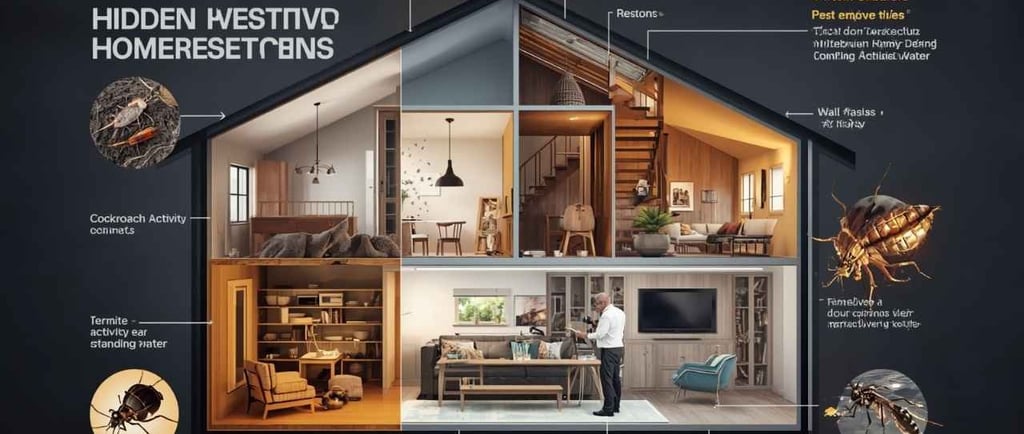
Pests can infiltrate various areas of your home, often hidden in plain sight. Here, we identify ten common hotspots where pests tend to thrive, outlining the characteristic issues, signs of infestation, and preventive measures to safeguard your living environment.
1. Kitchen Cabinets and Pantry Areas: This is a prime location for pests like ants, roaches, and pantry moths. Look for droppings, chewed packaging, and visible pests. To prevent infestations, store food in airtight containers and maintain cleanliness by regularly disposing of expired food.
2. Under Sinks and Plumbing Areas: Moisture accumulation makes this area a breeding ground for cockroaches and silverfish. Signs include water stains and mold. Ensure plumbing is intact, and use desiccants to absorb excess moisture.
3. Bathroom Moisture Zones: Bathrooms provide attractive conditions for mold and insects. Look for mold growth and standing water. Use exhaust fans and regularly check for leaks to minimize dampness.
4. Attics and Storage Spaces: These areas can harbor rodents and termites, often indicated by droppings and gnaw marks. Keep the spaces organized, seal entry points, and regularly inspect for signs of infestation.
5. Basements and Crawl Spaces: Similar to attics, these damp environments attract pests like spiders and rodents. Signs include webs and droppings. Maintain proper ventilation and seal cracks to mitigate risks.
6. Wall Voids and Cracks: Pests use wall voids as shelters. Recurring noises or visible trails can indicate infestation. Seal cracks and crevices with caulk and foam to prevent access.
7. Garbage Storage Areas: Trash attracts a variety of pests, including flies and raccoons. Regularly clean bins and cover trash securely to deter unwelcome visitors.
8. Garden and Landscaping Areas: This outdoor exposure invites ants and aphids, which can enter the home. Maintain well-trimmed plants and avoid excess moisture in soil to discourage pests.
9. Roof and Gutter Systems: Neglected gutters can collect debris and water, attracting insects and rodents. Clean gutters regularly and ensure proper drainage to limit pest habitats.
10. Pet Feeding and Sleeping Areas: These spaces attract fleas and ticks. Signs may include itchy pets or flea activity. Regularly wash pet bedding and food dishes, and consult a vet about preventive measures for pet treatment.
Warning Signs of Pest Activity
Identifying a pest infestation in your home early can prevent significant damage and potential health risks. Homeowners should remain vigilant for various warning signs that may indicate the presence of pests. Understanding these signs allows for quick and effective pest control.
One of the most definitive signs of pest activity is the discovery of droppings. Droppings can vary in size, shape, and color based on the type of pest. For instance, rodent droppings are typically small and rod-shaped, while larger, pellet-like droppings may indicate a raccoon or squirrel presence. The location of these droppings often provides clues about the pest's nesting sites.
Additionally, chewed materials such as wood, wires, or paper can signal the presence of certain pests. Termites, for example, leave behind evidence of their wood-eating habits, while rodents may leave gnaw marks on household items. Homeowners should inspect potential nesting areas, like attics or basements, for these signs.
Unusual or unpleasant odors can also serve as a warning sign. A musty smell might indicate the presence of a rodent infestation, while a foul odor could suggest a dead pest. Detecting these smells early can help identify the issue before it becomes more severe.
Other signs of pest activity include nests constructed from various materials, such as fabric or shredded paper, and sightings of insects or rodents themselves. Regular monitoring of known hotspots, such as kitchen cabinets and storage areas, can help catch infestations before they escalate.
In conclusion, recognizing these warning signs of pest activity is essential for maintaining a safe and healthy home environment. By being proactive and attentive to changes in your space, you can effectively manage and prevent infestations.
Effective Pest Prevention Strategies
To mitigate the risk of pest infestations within your home, implementing effective pest prevention strategies is essential. Start with proper sanitation techniques, ensuring that all areas of the home, particularly the kitchen and dining spaces, are kept clean and free from food debris. Regularly sweep, vacuum, and mop floors to eliminate crumbs and spills that can attract pests. In addition, promptly wash dishes and store food in airtight containers to reduce temptations for unwanted visitors.
Control of moisture levels is another critical factor in pest prevention. Many pests thrive in humid environments. Therefore, it is advisable to fix any leaks in plumbing and ensure proper ventilation, particularly in areas like basements and bathrooms. Utilizing dehumidifiers can help maintain a dry environment, making your home less inviting to insects such as termites and cockroaches.
Regular structural maintenance can further enhance pest management efforts. Inspecting and sealing cracks in walls, windows, and doors helps to block entry points for pests. Additionally, ensure that screen doors and windows are intact, and install door sweeps to prevent pests from entering through gaps. It is also advisable to keep landscaping well-maintained, trimming back any overgrown vegetation that may serve as a bridge for pests to access your home.
Scheduling regular inspections by a professional pest control service can provide another layer of protection. These experts are equipped to locate potential pest hotspots and evaluate your current prevention strategies. They can suggest tailored intervention measures and monitor the effectiveness of your pest management practices over time.
Incorporating safe pest management practices, such as using non-toxic repellents and traps, not only helps control existing problems but also safeguards your family’s health. By taking a proactive approach to pest prevention, you can create a safe and comfortable living environment that minimizes the likelihood of pest infestations.
Benefits of Professional Pest Management
Hiring professional pest control services offers numerous advantages when it comes to comprehensive pest management. One of the primary benefits is the expertise that licensed pest control technicians bring to the table. Equipped with extensive knowledge about various pest species, their behaviors, and the most effective control methods, professionals can identify pest infestations that may go unnoticed by the untrained eye. Such insights are invaluable in ensuring thorough eradication and preventing future occurrences.
Another significant advantage of professional pest management is the range of services these companies offer. Beyond mere extermination, pest control experts provide integrated pest management (IPM) strategies. These strategies involve assessing the environment, identifying conducive conditions for pest infestations, and implementing preventive measures tailored to the specific needs of the home. Services often include regular inspections, monitoring, and maintenance to ensure long-term pest prevention.
Convenience is another key factor that underscores the benefits of hiring professionals. Pest control treatments can be disruptive to daily life; however, professional services can schedule interventions at times that suit the homeowner's routine, minimizing inconvenience. Moreover, professionals often use products and methods that are not readily available to the public, ensuring that the pest control efforts are both effective and safe for family members and pets.
Additionally, the investment in professional pest management can lead to substantial long-term savings. By effectively addressing pest problems early, homeowners can avoid the costs associated with extensive damage caused by pest infestations, such as structural damage or health-related expenses arising from pest-borne diseases. In conclusion, the expertise, extensive range of services, and convenience offered by professional pest control make it a worthwhile consideration for anyone serious about maintaining a pest-free environment in their home.
Frequently Asked Questions
Homeowners often have myriad questions regarding pest control and prevention. Understanding these aspects can help maintain a pest-free environment. Here are some common inquiries:
What are the costs associated with pest management?
The cost of pest management can vary widely depending on the type of pest, the extent of the infestation, and the method of treatment. On average, homeowners can expect to pay between $100 to $300 for a one-time service. However, ongoing maintenance or treatment plans may be more economical in the long run, typically ranging from $40 to $70 per month.
Should I opt for DIY pest control or hire a professional service?
While DIY pest control methods can be effective for minor infestations, hiring a professional service is often advisable for significant issues. Pest control experts possess specialized knowledge and tools, enabling them to assess and treat infestations safely and effectively. Moreover, professional services can often prevent future problems, providing a long-term solution.
What signs should I watch for that indicate a pest problem?
Several signs can signal a pest infestation. These include the presence of droppings, unusual noises within walls, nests or burrows, and visible damage to food or structures. Additionally, unusual smells or the sighting of insects or rodents should prompt immediate action to investigate further.
What are the best practices for maintaining a pest-free home?
To sustain a pest-free environment, adhere to several best practices. These include regularly sealing cracks and crevices, keeping food stored properly, maintaining cleanliness in the kitchen and dining areas, and checking for pests in high-risk hotspots like basements and attics. Regular inspections and preventive measures can significantly reduce the likelihood of infestations.
Addressing these common concerns can empower homeowners to take proactive steps in pest prevention, ensuring a safer and healthier living space.
Conclusion
In summary, understanding the hidden pest hotspots within your home is essential for maintaining a safe and healthy environment for your family. Throughout this discussion, we have identified common areas where pests tend to thrive, such as attics, basements, kitchens, and even unseen spaces like wall cavities or underfloor areas. Recognizing these locations is the first step in effective pest prevention.
Implementing preventative strategies plays a crucial role in mitigating the risk of pest infestations. Simple measures, including sealing cracks, managing moisture, and maintaining cleanliness, can greatly reduce the likelihood of pests finding their way into your living spaces. Additionally, regularly inspecting your home for signs of pest activity can help you catch issues early before they escalate into larger problems.
The importance of these strategies cannot be overstated, as pests can not only cause damage to your property but can also pose health risks to your family. Therefore, it is paramount to adopt a proactive approach to pest management. By staying vigilant and employing the methods discussed, you can protect your home and safeguardyour family’s well-being.
For those who want an added layer of security, seeking professional inspections is an excellent option. Pest control experts can identify vulnerabilities in your home that may go unnoticed and provide tailored solutions to effectively address potential infestations. Taking the initiative to invest in professional assistance can ultimately save you time, money, and stress in the long run.
As a final note, we encourage you to take action today by implementing the strategies outlined and considering a professional evaluation for your home. Your family's safety is worth the investment.
Address:
264/5, Kamal Soroni Road, Mirpur, Dhaka-1216
Contact
Your Quaries on pest control askings
pestexterminatorbd@gmail.com
+8801642008383 +8801988300003, 01723057746
© 2025. All rights reserved. to Urban Pest Control Pvt. Ltd. this site is powered by Our Own IT Team