
Advanced Positive Pressure Ventilation: The Future of Dust-Free Buildings
2/23/20267 min read
Understanding Positive Air Pressure Systems
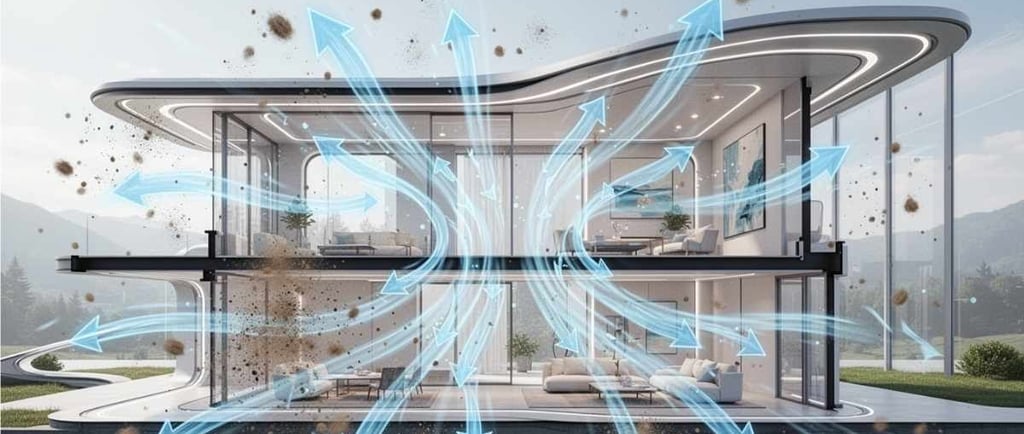
Positive air pressure systems are vital in preserving a clean and healthy indoor environment. The primary function of these systems is to create and maintain a higher pressure inside a building compared to the surrounding outdoor environment. This pressure differential acts as a barrier, effectively preventing dust, allergens, and other contaminants from infiltrating the indoor space.
The mechanics behind such systems involve the controlled introduction of filtered air into the interior through various ventilation methods. High-efficiency particulate air (HEPA) filters are often utilized to ensure that the incoming air is free from particulates, contributing to the overall air quality. By design, the air pressure inside the building is consistently kept slightly above the pressure outside. This is achieved through a series of fans and blowers that manage airflow and distribution.
Moreover, maintaining this positive pressure is crucial for several reasons. Firstly, it benefits individuals with allergies or respiratory issues by reducing exposure to irritating substances commonly found in outdoor air. Secondly, it aids in protecting sensitive equipment and materials from dust accumulation, which could potentially lead to malfunctions or degradation over time. Additionally, environments such as hospitals and laboratories require stringent air quality standards, and positive air pressure systems play a critical role in meeting these guidelines.
In a world where outdoor air pollution increasingly impacts the indoor atmosphere, understanding how positive air pressure systems function becomes even more critical. By creating a clean haven within the confines of a building, these systems not only enhance comfort but also play a decisive role in safeguarding health and wellbeing, establishing themselves as an indispensable part of modern architecture and facility management.
The Mechanism of Dust Infiltration
Dust infiltration into indoor spaces occurs through several pathways that facilitate the movement of particles from the external environment into buildings. One of the primary methods of infiltration is through openings in the structure, which can include doors, windows, and even cracks or gaps within walls and roofs. These openings often act as conduits for outdoor air laden with dust, particularly during periods of high wind or temperature variations.
Environmental factors significantly influence the extent to which dust can enter buildings. For instance, differences in air pressure between the inside and outside of a building often drive air, and hence dust, into interior spaces. When the outdoor air pressure is higher than that of the indoor environment, it creates a situation conducive for dust to move through these openings. Additionally, during windy conditions, the velocity of the air can increase the likelihood of dust becoming airborne and infiltrating the building.
Temperature variations also play a critical role in dust infiltration. When indoor air is significantly warmer than the outside air, it tends to rise, creating negative pressure zones that draw in cooler, outside air. This phenomenon can exacerbate the problem, particularly when there are unsealed or poorly insulated areas that allow dust to enter more readily. Moreover, the humidity levels outside can influence the behavior of dust particles, causing them to clump together or become more adhesive, further complicating their transport indoors.
Understanding the mechanisms of dust infiltration is essential to appreciate the importance of implementing preventive strategies, such as maintaining positive air pressure within buildings. Such systems mitigate the intrusion of outdoor dust, enhancing the overall indoor air quality and ensuring a healthier living environment.
Applications in Healthcare: Hospitals and Laboratories
Positive air pressure systems play a pivotal role in maintaining cleanliness and safety in healthcare environments, particularly in hospitals and laboratories. These systems are designed to create a continuous flow of clean, filtered air, which helps to protect against the infiltration of dust, pollen, and other airborne contaminants that can pose serious health risks. In hospitals, where patient safety is paramount, positive air pressure is essential in operating rooms, intensive care units, and other critical areas to minimize the risk of infections.
One of the primary applications of positive air pressure in healthcare facilities is in the design of isolation rooms. These rooms are specifically engineered to house patients who are at risk of infection or contagion. By maintaining a higher air pressure inside the room compared to adjacent areas, harmful pathogens are prevented from entering the space. This technique is crucial for protecting immunocompromised patients and ensuring that the risk of healthcare-associated infections is significantly reduced.
Laboratories, particularly those involved in research and diagnostics, also benefit tremendously from positive air pressure systems. Maintaining a sterile environment is vital for obtaining accurate laboratory test results and safeguarding laboratory personnel from hazardous substances. Advanced filtration systems combined with positive pressure help to create a controlled atmosphere, which is essential for various procedures, including virus and bacterial culture, chemical analysis, and biomedical research. In such settings, even minute levels of contamination can compromise results and lead to significant health implications.
Overall, the adoption of positive air pressure technology is a critical practice within healthcare that enhances safety, fosters healthy environments, and supports the overall integrity of patient care and laboratory processes.
Luxury Villas and Positive Air Pressure: A Trend in Home Design
In recent years, the incorporation of positive air pressure systems in luxury villas has emerged as a significant trend in high-end home design. These sophisticated systems offer an effective means of preventing outdoor dust from infiltrating living spaces, addressing the increasing desire for a pristine and healthy indoor environment. As affluent homeowners prioritize comfort and well-being, the demand for features that enhance indoor air quality has surged.
The implementation of positive air pressure technology not only guarantees a dust-free environment but also contributes to the overall air quality within the villa. By maintaining a slight positive pressure inside the home, these systems prevent external pollutants, allergens, and airborne particulates from entering through small openings and cracks. Such proactive measures are particularly appealing to health-conscious residents who value clean living conditions.
A luxury villa equipped with a positive air pressure system also benefits from the additional layer of comfort it provides. Beyond protecting against dust, it helps manage humidity levels and enhances thermal comfort, making the indoor atmosphere more pleasant year-round. Consequently, the allure of luxurious living is significantly heightened for residents who can enjoy these enhancements without compromising their health.
The health benefits associated with cleaner, dust-free air are undeniable. Studies show that improved indoor air quality contributes to respiratory health, reduces allergy symptoms, and fosters an overall sense of well-being. Thus, luxury villas that adopt positive air pressure systems not only cater to aesthetic and comfort preferences but also align with a growing awareness of health and lifestyle considerations.
As this trend continues to gain momentum, it is evident that positive air pressure technology will remain a distinguishing feature in the design of luxury residences, reflecting an evolving approach to wellness in interior spaces.
Energy Efficiency and Sustainability Benefits
Implementing positive air pressure systems plays a significant role in enhancing energy efficiency and promoting sustainability in various environments. These systems work by creating a pressure differential between the interior of a space and the outside, which serves to prevent outdoor dust infiltration. This mechanism not only ensures cleaner indoor air but also lessens the demand for additional heating and cooling resources. As a result, a building equipped with positive air pressure can maintain a more stable temperature, leading to reduced energy consumption.
The adoption of positive air pressure systems aligns with contemporary sustainability goals. By minimizing reliance on traditional heating and cooling systems, organizations can achieve lower utility bills, thus translating into direct cost savings. Additionally, this reduction in energy use contributes to a decrease in greenhouse gas emissions, which is essential in the fight against climate change. The implementation of such systems enables businesses and homeowners alike to take proactive steps towards a smaller carbon footprint.
Moreover, positive air pressure systems can prolong the life of HVAC equipment by reducing its workload, resulting in fewer breakdowns and maintenance needs. This not only conserves resources related to equipment production and repairs but also fosters a culture of sustainability. As industries and residents become increasingly aware of their environmental impact, adopting energy-efficient systems such as positive air pressure becomes not just a practical choice but a responsible one. Ultimately, embracing positive air pressure systems creates a pathway for greater energy efficiency and aligns with broader sustainability initiatives aimed at preserving our planet for future generations.
Challenges and Considerations in Implementation
Implementing positive air pressure systems in various environments can present several challenges that need careful consideration. One of the primary concerns is the initial installation cost. The expenses associated with purchasing the necessary equipment, such as air handlers and ductwork, can be significant. Additionally, there may be costs related to site assessment, installation labor, and any structural modifications required to accommodate the system. Organizations must evaluate whether the investment aligns with their budget constraints and long-term objectives.
Ongoing maintenance is another critical factor. Regular upkeep is essential to ensure that the positive air pressure systems operate efficiently. This includes routine inspections, filter changes, and potential repairs to ensure that the systems remain effective in preventing outdoor dust infiltration. Neglecting maintenance could lead to diminishing system performance and an increase in indoor air quality issues, ultimately undermining the benefits these systems offer.
Moreover, it is vital to conduct a professional assessment tailored to specific environments. Each space presents unique challenges, and a one-size-fits-all approach is rarely effective. Factors such as the existing air quality, building layout, and occupancy patterns must be considered when designing a positive air pressure system. A professional can perform an in-depth analysis, recommending adjustments that optimize performance and ensure that pressure differentials create an effective barrier against dust intrusion. By engaging experienced technicians, organizations can enhance their understanding of the air circulation dynamics, leading to better implementation outcomes.
In light of these challenges, careful planning and professional input are essential to successfully implement a positive air pressure system while maximizing its benefits and minimizing potential drawbacks.
The Future of Positive Air Pressure Technology
The future of positive air pressure technology holds immense promise, driven by ongoing advancements that seek to optimize air quality and enhance indoor environments. As awareness of indoor air quality's significance grows, the applications for positive air pressure systems are poised to expand beyond their traditional realms of healthcare facilities and luxury residences. Innovations in filtration technology, sensor integration, and automated systems are at the forefront of this evolution, aiming to create smarter, more responsive indoor air systems.
Modern positive air pressure units are expected to incorporate advanced air filtration methods, enabling them to remove even smaller particulate matter and harmful airborne pathogens. These systems may utilize HEPA filters combined with ultraviolet light technology to ensure that the air within sealed environments remains free from contaminants. Moreover, the introduction of IoT (Internet of Things) capabilities will facilitate real-time monitoring of air quality, allowing users to receive instant feedback and adjustment recommendations, ultimately ensuring optimal air pressure and quality.
Furthermore, the applications of positive air pressure technology are likely to transcend beyond health-centric environments. Industries like agriculture, food processing, and pharmaceuticals are recognizing the importance of controlled environments that mitigate the risks associated with outside pollutants. Enhanced awareness of the health implications related to inadequate air quality will drive demand for these solutions in commercial and industrial settings as well.
Efforts towards achieving sustainability will also influence the future trajectory of positive air pressure systems. There is an increasing focus on integrating renewable energy sources, such as solar power, to run these systems more efficiently, contributing towards a lower carbon footprint. Overall, the future of positive air pressure technology will likely witness a convergence of health, technology, and sustainability, revolutionizing how we consider and manage our indoor environments.
Address:
264/5, Kamal Soroni Road, Mirpur, Dhaka-1216
Contact
Your Quaries on pest control askings
pestexterminatorbd@gmail.com
+8801642008383 +8801988300003, 01723057746
© 2025. All rights reserved. to Urban Pest Control Pvt. Ltd. this site is powered by Our Own IT Team