
Air Dust and Health: How Indoor Pollution Impacts Your Family
2/23/20267 min read

Introduction to Indoor Dust and Air Quality
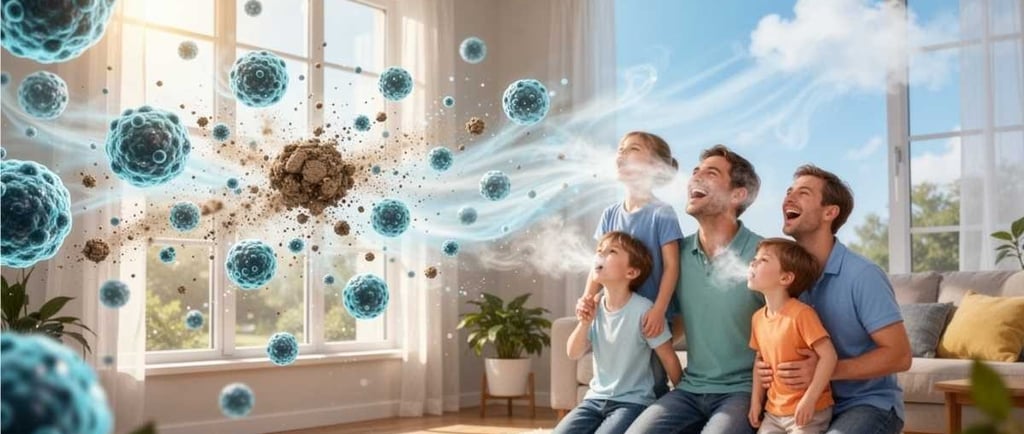
Indoor air quality (IAQ) is a crucial aspect of environmental health, significantly influencing the well-being of individuals within enclosed spaces. In recent years, there has been a growing awareness of the various pollutants that can compromise indoor air quality. Among these, particulate matter, specifically PM2.5 and PM10, has gained considerable attention due to their harmful effects on human health. PM2.5 refers to particulate matter with a diameter of less than 2.5 micrometers, while PM10 includes particles with a diameter of up to 10 micrometers. These fine particles are small enough to be inhaled, leading to respiratory and cardiovascular issues.
In addition to particulate matter, indoor environments often harbor allergens, such as pollen, mold spores, pet dander, and dust mites. These allergens can trigger allergic reactions and exacerbate conditions such as asthma and other respiratory disorders. Furthermore, bacteria and fungal spores are commonplace in indoor dust, contributing to health risks through potential infections or allergic responses. Understanding the sources and implications of these indoor pollutants is paramount in managing air quality effectively.
The indoor dust that accumulates in homes and workplaces is more than just a nuisance; it contains a complex mixture of these pollutants, which can accumulate over time if not adequately addressed. The interaction of various allergens and microorganisms in indoor air can lead to a decline in air quality, prompting the need for awareness and proactive measures to mitigate its impacts.
As we delve deeper into the health implications associated with poor indoor air quality and explore modern purification technologies, recognizing the roles of PM2.5, PM10, allergens, bacteria, and fungal spores in dust forms a foundational understanding essential for fostering healthier indoor environments.
What Are PM2.5 and PM10?
PM2.5 and PM10 are terms that refer to particulate matter found in the air, classified based on their size. PM2.5 includes fine particles that are ≤ 2.5 micrometers in diameter, while PM10 encompasses particles that are ≤ 10 micrometers. These size distinctions are important because they determine how deeply these particles can penetrate the respiratory system. PM2.5 particles are small enough to enter the bloodstream through the lungs, posing serious health risks, whereas PM10 particles may impact the throat and lungs.
Sources of PM2.5 and PM10 are varied and can be found both indoors and outdoors. Outdoor sources typically include vehicular emissions, industrial discharges, construction activities, and natural events such as wildfires or volcanic eruptions. Indoor sources may consist of smoking, cooking, burning of candles, or the use of certain cleaning products. The pervasive nature of these particles means that exposure can occur frequently, contributing to a range of health issues.
The health risks associated with long-term exposure to PM2.5 and PM10 particles are considerable. Studies have shown that these particles can lead to respiratory diseases, cardiovascular issues, decreased lung function, and in severe cases, premature death. Vulnerable populations, including children, the elderly, and individuals with preexisting health conditions, are particularly at risk. Understanding the sources and characteristics of PM2.5 and PM10 is critical for developing effective strategies for exposure reduction and improving indoor air quality, especially in urban environments where these pollutants are prevalent.
Allergens in Indoor Dust: Common Culprits
Indoor air quality is significantly affected by the presence of allergens in dust. Common allergens such as dust mites, pet dander, mold spores, and pollen can accumulate in living environments, impacting health and comfort, especially for individuals with allergies or asthma. Dust mites are microscopic organisms that thrive in warm, humid conditions found in bedding, carpets, and upholstered furniture. They feed on organic matter, primarily human skin flakes, and their droppings can trigger allergic reactions in sensitive individuals, leading to symptoms like sneezing, nasal congestion, and asthma exacerbations.
Pet dander, which consists of tiny flakes from the skin, hair, and saliva of furry animals, is another prominent allergen commonly found in homes. When pets groom themselves, they release dander into the air, and its small size allows it to remain suspended in indoor environments for extended periods. For many individuals, exposure to pet dander can result in allergic rhinitis or respiratory issues, necessitating the importance of effective cleaning and air purification strategies to reduce exposure.
Mold is another significant contributor to indoor dust allergens. It grows in damp or humid areas, such as bathrooms and basements, and releases spores into the air that can be inhaled. Mold exposure can not only trigger allergy symptoms but may also pose serious health risks for individuals with compromised immune systems. Finally, pollen, originating from trees, grasses, and plants, can also infiltrate indoor spaces through open windows and doors, compounding allergy challenges, particularly during specific seasons.
Given the prevalence of these allergens, monitoring and controlling their presence is crucial for maintaining healthy indoor air quality. Implementing measures such as regular cleaning, using air purifiers equipped with HEPA filters, and controlling humidity levels can facilitate a significant reduction of allergens in indoor dust, contributing to better health outcomes.
Bacteria and Fungal Spores: Hidden Dangers in Dust
Bacteria and fungal spores are prevalent components of indoor dust, often overlooked in discussions concerning indoor air quality. These microorganisms can thrive in the various organic materials commonly found within indoor environments, such as dust mites, pet dander, and mold. Indoor conditions—characterized by varying humidity levels, temperatures, and the accumulation of organic debris—create an ideal habitat for their proliferation.
The presence of bacteria in indoor dust is a significant concern as many species can pose serious health risks. For instance, pathogenic bacteria can lead to respiratory infections, exacerbate asthma, and contribute to chronic obstructive pulmonary disease (COPD). Vulnerable populations, including individuals with weakened immune systems, elderly individuals, and children, are particularly at risk when exposed to such microorganisms, which can result in severe health implications.
Fungal spores, often released into the air as mold proliferates, also represent a considerable threat to indoor air quality. These spores can cause allergic reactions, respiratory distress, and lung infections, particularly in those who are already susceptible due to existing health issues. Mold spores are frequently disturbed and become airborne through routine activities such as cleaning or moving furniture, which can lead to widespread exposure.
To mitigate these risks, modern purification technologies are increasingly being employed to improve indoor air quality. Air purifiers equipped with HEPA filters are particularly effective at capturing both bacteria and fungal spores. These devices not only help reduce the concentration of harmful organisms in the air but also contribute to a healthier environment overall. By understanding the roles that bacteria and fungal spores play in indoor dust, individuals and organizations can take proactive steps to safeguard health and improve the quality of indoor air.
Health Risks Associated with Indoor Pollutants
Indoor air quality plays a crucial role in overall health, as people commonly spend a significant amount of their time indoors. Pollutants such as PM2.5, PM10, allergens, bacteria, and fungal spores can accumulate in closed environments, leading to various health risks. The fine particulate matter, PM2.5 and PM10, poses particular concern due to their ability to penetrate deep into the respiratory system, potentially causing lung inflammation and impairing lung function. Long-term exposure to these pollutants is associated with chronic respiratory diseases, cardiovascular issues, and even premature death.
Allergens, which can include dust mites, pet dander, and mold spores, are another significant concern. Individuals exposed to these allergens, particularly those with existing sensitivities or asthma, may experience exacerbated symptoms, such as wheezing, coughing, and shortness of breath. Furthermore, allergens can trigger inflammatory responses in individuals, making respiratory conditions more severe and less manageable.
Bacteria and fungal spores, often present in damp and poorly ventilated spaces, can also contribute to health complications. Exposure to pathogenic bacteria can lead to infections, while certain types of mold can cause allergic reactions and respiratory issues. This is particularly concerning for vulnerable populations, such as the elderly and individuals with compromised immune systems.
The impact of these indoor pollutants underscores the importance of maintaining good indoor air quality. Implementing modern purification technologies, such as HEPA filters and UV-C light disinfection, can significantly reduce the concentration of harmful particles in the air. Regular maintenance, effective ventilation, and minimizing the use of chemicals indoors are also essential practices in mitigating the health risks associated with indoor pollutants.
Modern Purification Technologies: How They Work
In recent years, the demand for clean indoor air has led to the development of various purification technologies aimed at reducing air pollutants such as PM2.5, PM10, allergens, bacteria, and fungal spores. Understanding how these systems operate is essential for consumers seeking to improve their indoor air quality.
One of the most widely used air purification technologies is the HEPA filter. High-Efficiency Particulate Air (HEPA) filters are designed to trap a minimum of 99.97% of particles with a diameter of 0.3 micrometers, effectively capturing dust, pollen, and smoke. They work by forcing air through a fine mesh that blocks harmful particles, making them an effective solution for individuals with allergies or respiratory conditions. However, regular maintenance, including filter changes, is crucial for sustaining their effectiveness.
Another technology gaining popularity is UV-C light purification. This method employs ultraviolet light to inactivate microorganisms such as bacteria and viruses, thereby preventing their proliferation in indoor environments. UV-C light attacks the DNA or RNA of these pathogens, rendering them unable to reproduce. While effective in disinfecting air and surfaces, this technology should ideally be used in conjunction with filters to capture larger airborne particles.
Ionization is yet another technology that plays a significant role in air purification. Ionization works by releasing negatively charged ions into the air, which attach to positively charged particles, causing them to clump together and fall out of the air. Although effective at removing larger particles and some pollutants, consumers should be aware that ionizers might generate ozone as a byproduct, which can be harmful in high concentrations.
When selecting an air purification system, it is essential for consumers to consider factors such as the type and size of the pollutants they want to eliminate, the room size, maintenance requirements, and any potential byproducts generated by the system. Understanding these elements can significantly impact the effectiveness of the chosen air purification solution.
Conclusion: Enhancing Indoor Air Quality for Better Health
In summary, the significance of understanding indoor air quality, particularly the components such as PM2.5, PM10, allergens, bacteria, and fungal spores, cannot be overstated. These microscopic entities contribute greatly to the overall health of the indoor environment. Recognizing their presence and understanding their implications allows individuals to take proactive measures to mitigate potential health risks. PM2.5 and PM10, by their very nature, pose respiratory challenges, while allergens and biological contaminants can exacerbate existing conditions, leading to a decline in well-being.
Modern purification technologies, including HEPA filters and UV-C light systems, play a crucial role in managing these pollutants. Such technologies have shown significant efficacy in removing or reducing harmful particles and microorganisms, facilitating cleaner and healthier indoor spaces. The integration of air purifiers can greatly enhance the overall indoor air quality, especially in environments where ventilation may be limited.
Given the connection between air quality and health outcomes, it is imperative for individuals and organizations to take actionable steps. This may include regularly monitoring indoor air quality, utilizing purification systems, and maintaining a clean environment. Furthermore, choosing to implement practices such as proper ventilation, regular dusting, and minimizing the use of indoor pollutants significantly contribute to a healthier indoor atmosphere.
By elevating awareness around indoor air quality and embracing technologies aimed at its improvement, we can foster better health outcomes. Taking these steps is not merely beneficial but essential for well-being. As we navigate through our daily lives, let us prioritize and cultivate spaces that promote health, safety, and comfort through enhanced indoor air quality.
Address:
264/5, Kamal Soroni Road, Mirpur, Dhaka-1216
Contact
Your Quaries on pest control askings
pestexterminatorbd@gmail.com
+8801642008383 +8801988300003, 01723057746
© 2025. All rights reserved. to Urban Pest Control Pvt. Ltd. this site is powered by Our Own IT Team