
Bed Bug Infestation Crisis: Health Risks & Professional Treatment in Dhaka, Bangladesh
2/22/20268 min read
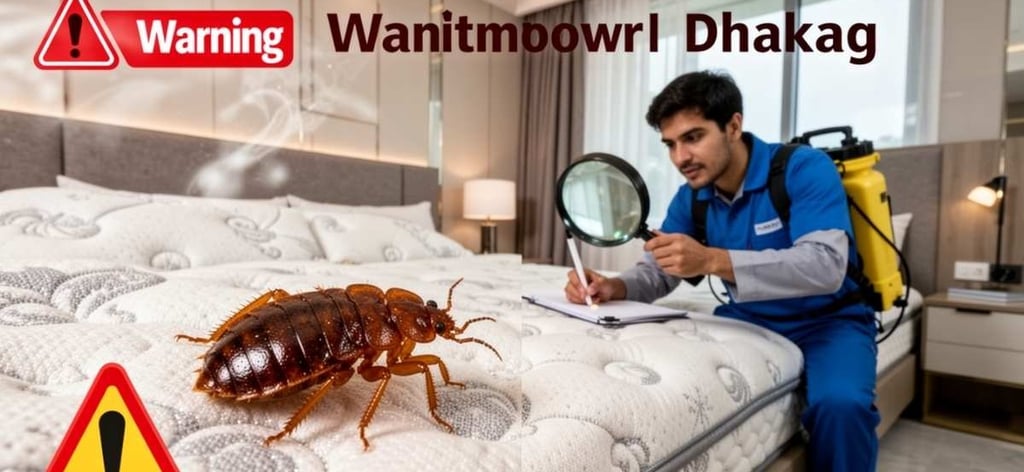
The Global Surge in Bed Bug Infestations
In recent years, there has been a marked increase in bed bug infestations globally, a trend that has caught the attention of researchers and public health officials. Studies reveal a staggering rise in reported cases, particularly in urban environments where the density of human habitation often facilitates the rapid spread of these pests. A variety of factors contribute to this escalating issue, including enhanced international travel, which allows for the transportation of bed bugs across borders. Travelers unwittingly carry these pests back to their homes, leading to outbreaks in previously unaffected regions.
Another critical element driving this surge is the evolution of pest control practices. Historically, effective insecticides were available to combat bed bugs, but many of these chemicals have become less effective due to the development of resistance among bed bug populations. This resistance can be attributed to the frequent use of certain pesticides in both residential and commercial settings, weakening their efficacy. As a result, there is a growing need for innovative pest management approaches to effectively control bed bug populations.
The prevalence of bed bugs is illustrated by statistics from the National Pest Management Association (NPMA), which reported that 97% of pest control professionals have treated bed bugs in the past year. Similar findings have emerged in Bangladesh, where urban areas are particularly vulnerable to infestations. Reports from local pest control services indicate a significant rise in calls for bed bug treatments, correlating with trends observed in other countries. This underscores the urgent need for awareness, prevention, and effective treatment strategies to combat bed bug infestations, not only in Bangladesh but also globally. As communities grapple with this rising challenge, understanding the underlying factors becomes essential to inform comprehensive solutions and protect public health.
The Health Impacts of Bed Bug Infestations
Bed bug infestations present a range of health issues that can significantly affect individuals and their quality of life. These pests, while not known to transmit diseases, can cause various health reactions primarily through their bites. When bed bugs feed, they inject saliva into the skin, which can lead to allergic reactions. Common symptoms include red, itchy welts and in some cases, more severe hives or blisters. For those with heightened sensitivity, even a single bed bug bite can result in intense inflammation and discomfort, requiring dermatological interventions.
In addition to physical reactions, bed bugs have been linked to sleep disorders. The anxiety associated with the potential of being bitten can lead to insomnia, causing individuals to experience sleep deprivation. The fear of bed bugs, often resulting from a perceived threat, disrupts the ability to relax and can lead to prolonged periods of wakefulness during the night. Over time, this lack of sleep can contribute to more serious health issues, including a decline in cognitive function and increased susceptibility to other ailments due to a weakened immune system.
Moreover, the mental stress caused by a bed bug infestation cannot be overstated. Infestations often lead to feelings of embarrassment and distress. Many individuals grapple with anxiety, reflecting on their personal cleanliness or the stigma associated with having pests in their living spaces. This psychological strain creates a vicious cycle that exacerbates sleep issues and leads to further health complications. Therefore, addressing a bed bug infestation is crucial not merely for the sake of comfort but also for the overall health and well-being of affected individuals. It is essential to understand the multifaceted health impacts of these pests and to take effective measures to eliminate them from our environments.
The Spread of Bed Bug Infestations in Bangladeshi Cities
In recent years, the issue of bed bug infestations has escalated in major cities across Bangladesh, with Dhaka and Mirpur being particularly affected. Rapid urbanization, along with increasing population density, has created an ideal environment for these pests to thrive. The shared living conditions in apartment complexes and crowded urban neighborhoods facilitate the spread of bed bugs, as they can easily move from one unit to another through cracks in walls, electrical outlets, and furniture.
According to local pest control experts, the resurgence of bed bugs is largely attributed to a lack of awareness about their presence and effective treatment options. Many residents often overlook the signs of infestation, which include tiny bloodstains on bedding, dark fecal spots, and the presence of live bugs. This hesitation allows these pests to proliferate, making control efforts increasingly challenging.
Several residents have shared their experiences with bed bug problems, highlighting the emotional and financial toll of dealing with infestations. One resident from Dhaka recounted how her family struggled with sleep disturbances and anxiety after discovering bed bugs in their apartment. "At first, we thought it was just our imagination, but then we started finding bites on our skin. It was extremely distressing," she stated. Another resident from Mirpur expressed frustration with the costs associated with professional pest control services and the ongoing battle to keep their home bed bug-free. Such testimonials underscore the urgency of addressing this growing public health concern.
Moreover, the stigma associated with bed bugs can deter residents from seeking help, contributing to the problem's persistence. As urban environments in Bangladesh continue to evolve, effective management strategies are crucial to combat the rising challenge of bed bug infestations and safeguard public health.
Heat Treatment vs. Chemical Treatment: What Works Best?
Bed bug infestations have become increasingly prevalent in Bangladesh, prompting homeowners and pest control experts to explore various treatment options. Among these, heat treatment and chemical treatment are the two primary methods employed for eliminating these pests. Each approach offers distinct advantages and drawbacks, which merit careful consideration when selecting the most effective solution.
Heat treatment involves raising the temperature of the infested area to a level that is lethal to bed bugs. Temperatures above 120°F (49°C) can kill bed bugs at all life stages, ensuring a comprehensive eradication. This method has the benefit of being chemical-free, making it a desirable option for individuals concerned about the potential health impacts of pesticides. Moreover, heat treatment can penetrate into cracks, crevices, and difficult-to-reach areas where bed bugs tend to hide, thus enhancing its effectiveness. However, it often requires specialized equipment and professional expertise to execute safely and effectively.
On the other hand, chemical treatment utilizes various insecticides—either residual or non-residual—to target and eliminate bed bugs. One significant advantage of chemical treatments is their immediate availability and lower initial cost compared to heat treatment. These insecticides can be applied directly to infested surfaces and, when used properly, can effectively reduce bed bug populations. However, the safety concerns regarding chemical residues and the potential for bed bugs to develop resistance over time pose significant challenges. Experts note that a combination of treatment methods may be necessary, as relying solely on chemical solutions can lead to resurgence or reinfestation.
In comparing these two approaches, it becomes evident that both heat treatment and chemical treatment have their roles in bed bug management. The best choice will depend on the severity of the infestation, safety considerations, and the specific circumstances of the affected household. Consulting with pest control professionals can provide valuable insights tailored to individual needs, ensuring an effective and lasting solution.
Affordable Pest Control Solutions in Bangladesh
The rising threat of bed bug infestations in Bangladesh has necessitated the availability of affordable pest control solutions for homeowners and renters. As the awareness around these pests increases, many local pest control companies have emerged to provide cost-effective services tailored to various budgets. A number of established pest control companies offer comprehensive treatments specifically designed to eliminate bed bugs, often utilizing integrated pest management techniques. These services typically include detailed inspections, targeted applications of insecticides, and preventive measures to inhibit future infestations.
In addition to professional services, there are multiple do-it-yourself (DIY) methods that individuals can implement to address bed bug issues in a budget-friendly manner. One of the most effective DIY strategies is to maintain cleanliness by regularly vacuuming all areas where bed bugs may reside, including mattresses, upholstery, and carpets. Furthermore, heat treatments can be adopted as a low-cost solution; washing bed linens and clothing in hot water followed by high-heat drying can effectively kill bed bugs at all life stages.
For those looking for specific products, several budget-friendly items are available in the market, including bed bug sprays, encasements for mattresses, and traps. These products often contain active ingredients that are designed to target bed bugs effectively without breaking the bank. Additionally, it is recommended to share information and experiences with others who have dealt with bed bug infestations, as community support can lead to valuable insights and recommendations for affordable treatment options. Overall, the combination of professional services, DIY techniques, and accessible products plays a critical role in providing comprehensive pest control solutions that are both effective and cost-efficient for residents across Bangladesh.
Emergency Pest Control Services in Bangladesh
In Bangladesh, the rapidly growing issue of bed bugs has underscored the necessity of having access to emergency pest control services. Bed bug infestations can escalate quickly, and the presence of these pests poses significant health risks, particularly for vulnerable populations such as children, the elderly, and individuals with weakened immune systems. In situations where infestations become severe, immediate intervention becomes critical to safeguard the health of occupants.
Emergency pest control services are designed to respond promptly to urgent pest issues. These services typically operate on a 24/7 basis, ensuring that residents can receive assistance at any time, day or night. Scenarios that necessitate immediate action may include discovering a widespread infestation in a home, especially when the pests have begun to spread to neighboring units in shared living spaces such as apartments or dormitories.
When looking for effective emergency pest control services, it is essential to consider several factors. First, ensure the company is licensed and certified to provide pest control in Bangladesh. This guarantees that they employ safe and effective methods to handle infestations. Additionally, customer reviews and testimonials can provide insight into the company's effectiveness and reliability. A reputable service will usually offer a thorough assessment of the infestation, along with a detailed treatment plan tailored to the specific needs of the situation.
Several providers offer emergency pest control services in Bangladesh. Companies such as "Pest Control Bangladesh" and "Extreme Pest Control" are known for their expertise in dealing with bed bug infestations promptly. Searching for local options online, or seeking recommendations from trusted sources, can also lead to finding the right emergency pest control service for effective intervention against bed bugs.
Preventing Future Infestations: Tips and Best Practices
Preventing bed bug infestations requires a proactive approach and a combination of vigilance and education. One of the most effective methods is conducting regular inspections of your living space, focusing particularly on areas where bed bugs are known to hide, such as mattresses, bed frames, and upholstered furniture. It is crucial to check for any signs of infestation, including small brown spots or shed skins, as early detection can make a significant difference in controlling a potential outbreak.
In addition to inspections, maintaining a clean living environment is essential. Regular vacuuming can help eliminate bed bugs and their eggs from carpets and other surfaces. When vacuuming, it is advisable to use a vacuum cleaner equipped with a HEPA filter to ensure maximum debris collection. After vacuuming, empty the vacuum bag or canister outside to prevent any captured pests from re-entering the home.
When traveling, extra precautions should be taken to avoid bringing bed bugs back home. It is recommended to inspect hotel rooms upon arrival, paying close attention to the mattress seams and headboards. Keeping luggage off the floor and using protective covers can further reduce the risk of bed bug contact. Additionally, upon returning from trips, items should be washed in hot water, and suitcases should be vacuumed to ensure that any potential hitchhikers are eliminated.
Moreover, educating oneself and others about bed bugs plays a pivotal role in prevention efforts. Engaging with local pest control resources and scheduling periodic inspections by professionals can provide peace of mind and further minimize the chances of an infestation. Combining these strategies will equip individuals with the necessary tools to avert future bed bug problems effectively. By being proactive and informed, it is possible to significantly reduce the risk of bed bug invasions in homes, ensuring a more comfortable living environment.
Address:
264/5, Kamal Soroni Road, Mirpur, Dhaka-1216
Contact
Your Quaries on pest control askings
pestexterminatorbd@gmail.com
+8801642008383 +8801988300003, 01723057746
© 2025. All rights reserved. to Urban Pest Control Pvt. Ltd. this site is powered by Our Own IT Team