
Bed Bug Problem in India: Causes, Treatment Cost & Permanent Solutions
1/30/20267 min read
Introduction to Bed Bugs in India
Bed bugs are small, nocturnal insects that belong to the Cimex genus. They are known for feeding on human blood, typically during the night while individuals are asleep. With their ability to hide in the tiniest of crevices, they have become a significant concern for many urban areas in India, particularly in heavily populated cities such as Delhi, Mumbai, Bangalore, Pune, Chennai, and Kolkata. The rising prevalence of bed bugs in these regions can be attributed to various factors.
One key factor contributing to the increasing bed bug problem is the rise in urbanization. As cities grow and more people move into apartments and shared accommodations, the risk of infestation increases. Bed bugs often hitch a ride on clothing, luggage, or even furniture, making their way into homes, hostels, and hotels. As travel and tourism expand, the potential for spreading these pests rises, further escalating the situation.
Moreover, the lack of awareness about bed bugs and how to identify them has only compounded the issue. Many individuals are unaware of the signs of an infestation, which includes bites that appear as welts on the skin, stains on bedding, or even the presence of the pests themselves. This lack of knowledge often leads to delayed responses in eradicating these insects, allowing populations to grow undetected.
In summary, the bed bug problem in India is becoming increasingly pronounced, with significant implications for various types of dwellings. From homes to hostels and hotels, understanding bed bugs and the factors that contribute to their spread is essential in addressing this rising issue effectively.
Causes of Bed Bug Infestation
Bed bug infestations have become increasingly common in Indian homes, hostels, and hotels, primarily due to a combination of factors unique to the region. One significant cause is travel-related infestations, where these pests hitch a ride in luggage or clothing. In India, the growing trend of both domestic and international travel, including the rise in budget accommodations, has facilitated the spread of bed bugs. At airports, railway stations, and bus terminals, travelers often unknowingly transport these pests into their living environments.
Another major contributor to bed bug infestations is the purchase of used furniture and second-hand goods. Many individuals in Indian cities often opt for economical furniture options, leading to a higher likelihood of bringing these pests home. Flea markets and online platforms have made it easy to find affordable used items; however, many of these products may harbor bed bugs. It is essential to thoroughly inspect second-hand furniture before bringing it home, as these pests can survive for extended periods without feeding and can easily multiply in comfortable environments.
Poor sanitation practices also play a critical role in the proliferation of bed bugs. In densely populated urban areas, issues such as cluttered living conditions and inadequate waste disposal can create favorable conditions for these pests to thrive. In shared accommodations such as hostels, bed bugs can quickly spread from one occupant to another, especially when hygiene standards are not maintained. Additionally, the lack of consistent pest control measures in both residential and commercial establishments exacerbates the problem.
Real-life examples further illustrate these causes; for instance, a 2022 study pointed to a significant bed bug outbreak in a Mumbai hotel, primarily attributed to international travelers and unmonitored cleaning practices. Understanding these contributing factors is vital in tackling the growing bed bug menace in India effectively.
Early Signs of Bed Bugs
Identifying a bed bug infestation at its onset is crucial in preventing a larger spread. Homeowners, hostel residents, and hotel patrons must be vigilant about the early warning signs. One of the first indicators is the presence of small, itchy bites on the skin. These bites may appear in a linear pattern and are often concentrated on exposed areas such as the arms, neck, and face. It is essential to differentiate these bites from those of other pests like mosquitoes, which are typically larger and have a different appearance.
Another significant sign of bed bugs is the presence of blood stains on sheets or pillowcases, which may occur if the bugs are crushed while feeding. Homeowners should regularly inspect their bedding for these stains, as they can be an alarming indicator of an infestation. Along with blood stains, one should also be on the lookout for dark spots, which are bed bug excrement and can be found on sheets, mattresses, and bed frames.
Additionally, shed skin or exoskeletons can serve as a visible sign of bed bug presence. As bed bugs grow, they moult several times, leaving their old skins behind. These exoskeletons are typically light brown, and finding them during cleaning or inspection should prompt immediate action.
When examining furniture and common areas in hotels and hostels, pay special attention to crevices and seams, as bed bugs often hide in these small spaces. Bed frames, headboards, and the edges of carpets are common hiding spots. If you suspect a bed bug infestation, it is essential to perform a thorough inspection promptly to implement effective pest control measures before the problem escalates.
Health Effects of Bed Bug Bites
Bed bug bites can have various health implications that range from physical discomfort to significant psychological stress. One of the most immediate concerns is the physical reaction to the bite itself. Individuals often experience intense itching, redness, and swelling at the bite sites. These reactions can be particularly severe for those with heightened sensitivities or allergies to insect bites, leading to a condition known as allergic dermatitis. Such allergic reactions may necessitate medical intervention to alleviate symptoms and prevent further complications.
Furthermore, excessive scratching of the bite areas can cause secondary infections. Open wounds are susceptible to bacterial infections that may require topical or systemic antibiotics for treatment. Skin conditions such as impetigo or cellulitis can arise, adding to the physical toll of a bed bug infestation. It is crucial for affected individuals to recognize these symptoms early on to seek appropriate medical care.
Psychological effects are equally concerning. The presence of bed bugs can lead to increased stress and anxiety, resulting from the fear of biting and the discomfort associated with infestation. Many individuals find it distressing to sleep, fearing that they will awaken to painful bites. This anxiety can manifest as insomnia or agitation, significantly affecting the quality of life. The social stigma related to bed bug infestations further exacerbates this problem; individuals may feel embarrassed to invite friends or family over, which may lead to social isolation.
In summary, the health effects of bed bug bites extend beyond mere physical irritation. Understanding both the physical reactions and the psychological impacts is vital. Addressing these health concerns promptly can mitigate further complications and improve overall well-being for those affected by bed bug infestations.
Effective Bed Bug Treatments: Heat and Chemical Solutions
Bed bugs have become an increasingly persistent issue in various living environments, prompting the need for effective treatment methods. Among the most prominent solutions are heat treatments and chemical pest control methods, each with distinct characteristics and efficacy in managing infestations.
Heat treatment involves raising the temperature of a room to a level lethal to bed bugs, typically around 120°F (49°C). This method effectively eliminates not only adult bed bugs but also their eggs and larvae. One of the primary advantages of heat treatment is that it is a chemical-free solution, making it safe for both the environment and the occupants of the space. However, this approach necessitates the hiring of a professional exterminator due to the complexity involved in correctly monitoring and achieving the required temperatures. Additionally, heat treatment may not be effective in reaching bed bugs hidden in walls or electrical outlets.
On the other hand, chemical treatments utilize insecticides designed to target and eradicate bed bugs. These chemicals can be applied in various forms, including sprays, powders, and fumigants. The advantage of chemical pest control is its accessibility and the ability to treat specific areas with greater precision. However, the efficacy of these treatments can be influenced by several factors, including the insecticide's formulation, the method of application, and the resistance developed by some bed bug populations. Furthermore, safety precautions must be observed during and after application to ensure the health of inhabitants and pets.
In conclusion, selecting the most appropriate treatment for bed bugs often hinges on factors such as the extent of the infestation, the environment, and personal safety concerns. Consulting with a certified professional exterminator is crucial, as they can recommend a tailored approach, combining heat and chemical methods when necessary, to effectively address the bed bug problem in homes, hostels, and hotels.
Average Bed Bug Control Costs in Major Indian Cities
As bed bug infestations continue to rise in Indian homes, hostels, and hotels, understanding the average costs associated with bed bug control services is essential for effective management. The expenses vary significantly across major cities such as Delhi, Mumbai, Bangalore, Pune, Chennai, and Kolkata, influenced by several factors including the severity of the infestation, the size of the property, and the types of treatments employed.
In Delhi, initial inspection fees can range from INR 500 to INR 1,500, while treatment costs generally vary between INR 2,000 and INR 8,000, depending on the scale of the infestation. Similarly, Mumbai sees inspection costs of approximately INR 800 to INR 1,600, with treatment falling anywhere from INR 2,500 to INR 10,000.
Bangalore's rates are also noteworthy; inspection fees hover around INR 600 to INR 1,200, while effective treatment might set homeowners back by INR 3,000 to INR 9,000. Pune and Chennai showcase comparable pricing structures, with inspection costs typically between INR 500 and INR 1,300. Treatment services in Pune are often priced around INR 3,500 to INR 8,500, while in Chennai, they can reach INR 3,000 to INR 8,000, again depending largely on the extent of the problem.
Kolkata tends to be slightly more economical, with inspection fees from INR 400 to INR 1,100 and treatment costs averaging between INR 2,000 and INR 7,000. Factors influencing these costs include the thoroughness of the inspection, the methodologies applied during treatment, and the number of visits required to ensure the complete eradication of bed bugs.
FAQs About Bed Bug Control and Treatment
Addressing concerns regarding bed bug infestations is critical, and there are several frequently asked questions that arise. Proper understanding of these aspects can aid in effectively managing bed bug problems.
What is the best bed bug treatment cost? The cost of bed bug treatment can vary significantly based on the severity of the infestation, the size of the area being treated, and the pest control service provider. On average, homeowners can expect to pay between INR 2,500 and INR 10,000 for professional services. It is advisable to obtain multiple quotes and consider not just the price, but also the reputation and effectiveness of the pest control company.
Are pest control services effective? When performed by qualified professionals, pest control services tend to be quite effective in eradicating bed bug infestations. They typically employ a combination of chemical and non-chemical treatment methods that ensure thorough elimination of all life stages of bed bugs. However, follow-up treatments and preventive measures are often necessary to fully eliminate the possibility of future infestations.
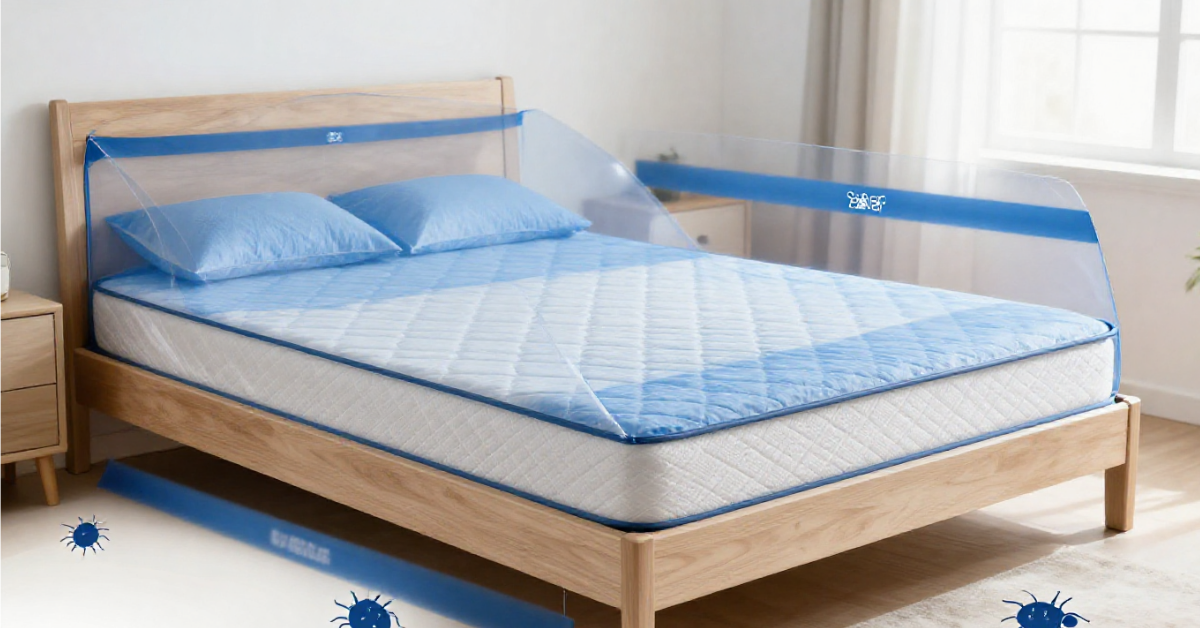
How can I prevent future infestations? Prevention is a key component of managing bed bugs. To minimize the risk of reinfestation, inspect second-hand furniture before bringing it into your home, use mattress and pillow protectors, and maintain a clean living environment. Regularly vacuuming and laundering bedding on high heat can help mitigate potential threats posed by these pests.
Additionally, installing interceptors under bed legs is another preventive strategy that can help catch bed bugs before they can settle in. Understanding bed bug behavior plays a vital role in preventing future infestations.
Address:
264/5, Kamal Soroni Road, Mirpur, Dhaka-1216
Contact
Your Quaries on pest control askings
pestexterminatorbd@gmail.com
+8801642008383 +8801988300003, 01723057746
© 2025. All rights reserved. to Urban Pest Control Pvt. Ltd. this site is powered by Our Own IT Team