
Bed Bug Treatment Cost in Bangladesh – Full Breakdown
2/6/20267 min read
Introduction to Bed Bugs and Their Impact
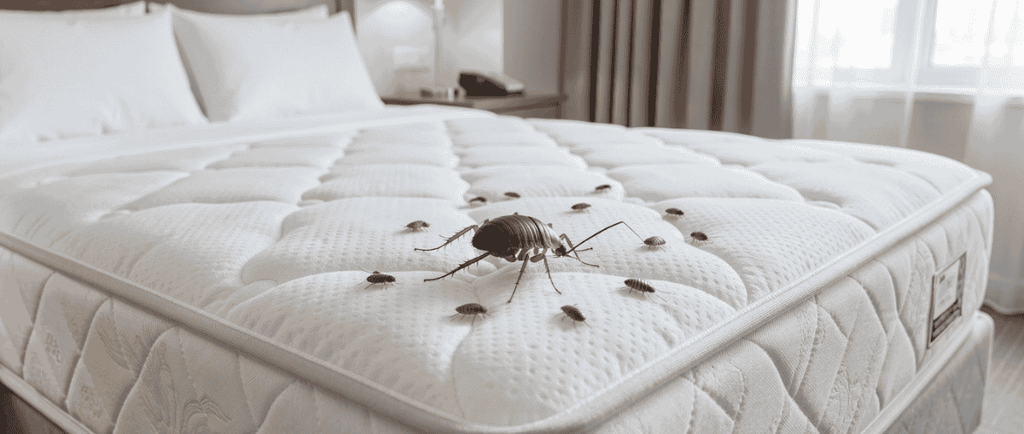
Bed bugs, scientifically known as Cimex lectularius, are small, wingless insects that feed on the blood of humans and other warm-blooded hosts. These pests have gained significant attention in recent years due to their resurgence in many regions, including Bangladesh. Bed bugs are notorious for their elusive nature and rapid reproduction, which can lead to extensive infestations if not addressed promptly.
In Bangladesh, the prevalence of bed bug infestations has increased, affecting various types of dwellings from urban apartments to rural homes. The presence of these pests has raised concerns due to the myriad of issues they pose for residents. Primarily, bed bug bites can cause severe physical discomfort, marked by red, itchy welts on the skin. While the bites themselves are generally not harmful, the persistent scratching can lead to secondary infections, exacerbating the discomfort.
Moreover, the psychological toll of a bed bug infestation should not be overlooked. The anxiety of discovering these pests can lead to significant stress, disrupting sleep and contributing to a decline in overall well-being. Many individuals feel a sense of helplessness and paranoia, as they may worry about further infestations or the potential for spreading these pests to friends and family.
The financial implications of a bed bug problem can also be substantial. Homeowners often face high treatment costs, which include hiring pest control services, replacing infested furniture, and the expenses tied to cleaning and laundering sheets and clothing. In light of these challenges, it is crucial to understand not only the nature of bed bug infestations but also the strategies for effective treatment, as addressing the issue can mitigate both physical and psychological impacts while minimizing financial burdens.
Factors Influencing Bed Bug Treatment Costs
The cost of bed bug treatments in Bangladesh is influenced by several factors that contribute to the overall pricing structure. Understanding these factors can help individuals and businesses make informed decisions regarding pest control services.
One of the primary factors affecting treatment costs is the extent of the bed bug infestation. A minor infestation may require less intensive treatment methods and fewer follow-up visits, translating to lower overall costs. Conversely, a severe infestation may necessitate multiple treatment sessions, increasing expenditure. Assessing the level of infestation is essential for pest control professionals to provide accurate estimates.
Another significant factor is the type of treatment method employed. There are various techniques available, including chemical treatments and heat treatments. Chemical treatments involve the use of pesticides, which may be less expensive upfront but could require repeated applications. Heat treatments, on the other hand, typically involve higher initial costs as they utilize specialized equipment to eradicate bed bugs by raising the temperature, ensuring that all life stages are eliminated. The choice of method can greatly affect the overall treatment costs.
The size of the affected area also plays a crucial role in determining treatment costs. Larger spaces, such as multi-bedroom homes or commercial establishments, generally incur higher treatment costs due to the additional time and resources required. Moreover, the reputation and experience of the pest control company can impact pricing. Established companies with a proven track record may charge more for their services, reflecting the expertise and quality assurance they provide.
In essence, when evaluating bed bug treatment options, it is imperative to consider these influencing factors, as they will help shape the experience and financial commitment associated with pest management services.
Types of Bed Bug Treatment Methods and Their Costs
In Bangladesh, various methods are employed for bed bug treatment, each with its associated costs, advantages, and disadvantages. Understanding these options is crucial for homeowners aiming to mitigate bed bug infestations effectively.
One of the most common methods is chemical treatment. This approach involves the use of insecticides that are specifically designed to eliminate bed bugs at all life stages. The primary advantage of chemical treatments is their quick action; however, there is a risk of chemical resistance. Additionally, safety concerns arise, particularly when treating homes with pets or children. The cost for chemical treatments in Bangladesh typically ranges from BDT 2,000 to BDT 8,000, depending on the severity of the infestation and the size of the premises.
Another popular method is heat treatment. This technique involves raising the temperature of infested areas to a level that is lethal to bed bugs. Heat treatment is highly effective, as it can eliminate even the most resistant populations without the use of chemicals. However, it requires specialized equipment and trained professionals, making it more expensive. The average cost for heat treatment in Bangladesh is around BDT 10,000 to BDT 20,000, which can vary based on the location and the extent of the infestation.
Biological controls are also gaining traction as an eco-friendly alternative. This method involves using natural predators or parasites to target bed bug populations. While this option reduces chemical exposure and has lower health risks, it can take longer to show results and may not be suitable for severe infestations. The costs associated with biological control methods vary widely but generally range from BDT 1,500 to BDT 5,000.
Each treatment method has its own set of pros and cons, and homeowners should consider these factors, alongside costs, when deciding on the most suitable approach for bed bug elimination.
Cost Comparison: DIY Treatments vs. Professional Services
When dealing with a bed bug infestation, homeowners frequently face the decision between employing DIY treatments or hiring professional pest control services. This choice often hinges on financial considerations, which will be analyzed in this section.
DIY bed bug treatment methods might initially appear more economical. Common approaches among do-it-yourself enthusiasts include using over-the-counter insecticides, steam cleaning, or utilizing natural remedies such as diatomaceous earth and essential oils. The upfront costs for these treatments are generally lower, making them an attractive option for budget-conscious individuals. However, the effectiveness of these methods can vary significantly and may not adequately eliminate the infestation.
On the other hand, engaging professional pest control services tends to involve a higher initial expense. Professionals typically charge based on the severity of the infestation and the area that needs treatment. For example, the cost for a one-time treatment can range from a few thousand to several tens of thousands of Bangladeshi Taka, depending on various factors, including the size of the property and the degree of infestation.
Although the expense of professional services is higher, their effectiveness is generally more reliable than DIY treatments. Professionals possess access to potent pesticides, specialized equipment, and years of expertise, which equates to a greater success rate in eradicating bed bugs permanently. Inadequate DIY treatments may lead to a resurgence of the infestation, ultimately resulting in additional costs and more extensive damage.
In conclusion, deciding between DIY methods and professional pest control services involves evaluating upfront costs against potential long-term savings. While DIY options may save money initially, their effectiveness and potential risks could result in greater expenses if the infestation worsens. Homeowners should weigh these factors carefully before proceeding with their chosen course of action.
Hidden Costs Associated with Bed Bug Treatments
When confronting a bed bug infestation, many individuals are primarily concerned with the direct costs associated with pest control services. However, it is crucial to recognize that numerous hidden costs can significantly impact the overall expenditure. These hidden expenses may include ancillary services that are not immediately apparent but are essential for a comprehensive treatment plan.
One of the foremost hidden costs relates to furniture disposal. In severe infestations, certain items, such as mattresses, bed frames, and upholstered furniture, may need to be discarded to effectively eradicate bed bugs. The cost of disposal can accumulate quickly, especially when considering environmental fees or transportation charges associated with disposing of these items responsibly.
In addition to disposal, cleaning costs can also contribute to the overall treatment budget. Following pest control services, a thorough cleaning is often necessary to ensure that any residual bed bugs or eggs are eliminated. This may involve hiring professional cleaning services or investing in cleaning supplies, which can lead to increased expenses. Homeowners should factor in the cost of laundering bedding, curtains, and clothing, as well as deep cleaning carpets and upholstery.
Another essential hidden cost is that of follow-up inspections. After the initial bed bug treatment, scheduling follow-up visits is advisable to monitor the effectiveness of the treatment and ensure that any remaining pests are addressed promptly. These follow-ups may incur additional fees, which need to be budgeted for within the overall costs associated with bed bug remediation.
Considering these hidden costs when planning a bed bug treatment strategy is imperative. Comprehensive budgeting that includes potential disposal, cleaning, and follow-up inspection costs can equip individuals with a clearer financial outlook and facilitate more effective management of the situation.
Preventative Measures and Their Financial Impact
Preventative measures play a crucial role in mitigating the risk of bed bug infestations, ultimately reducing associated treatment costs. By adopting a proactive approach, individuals can minimize the chances of encountering these pests and the substantial expenses that come with eradication efforts.
One effective strategy is regular monitoring and thorough inspections of living areas. Homeowners and renters alike should incorporate routine checks into their cleaning schedules, paying close attention to common hiding spots such as mattresses, bed frames, and furniture seams. Employing a magnifying glass can aid in the early detection of bed bugs, enabling swift action before a small problem escalates into a full-blown infestation.
Travelers should also remain vigilant. It is advisable to inspect hotel rooms upon arrival, searching the bedding and furniture for any signs of bed bugs. Keeping luggage elevated, such as on luggage racks, can reduce the likelihood of bringing bed bugs back home. Additionally, washing and drying clothing at high temperatures after traveling can minimize the risk of an accidental introduction of these pests into one’s home.
Maintaining a clutter-free environment is another key practice in preventing bed bug infestations. Clutter provides ample hiding spots for these pests, making it easier for them to multiply unnoticed. Ensuring that items are properly stored in sealed containers can significantly reduce the potential for infestation.
In conclusion, investing time and effort into preventative measures can help individuals avoid the long-term financial implications associated with bed bug treatments. While the initial costs may seem minor, the savings realized by preventing infestations can be substantial, highlighting the importance of an active stance against these pervasive pests.
Conclusion: Making Informed Decisions on Bed Bug Treatment
In summary, the process of addressing bed bug infestations involves understanding various factors that contribute to treatment costs in Bangladesh. Throughout this discussion, we have examined the roles of different treatment methods, including chemical sprays, heat treatments, and professional extermination services. Each option comes with its unique benefits, potential drawbacks, and varying price ranges, which can significantly impact one’s budget.
As individuals contemplate their approaches to managing bed bugs, it is crucial to assess personal circumstances thoroughly. Factors such as the severity of the infestation, property size, and specific living conditions must be prioritized when determining the most effective solution. Comparing treatment options available within your local market can afford insight into both quality and affordability, guiding you in making a financially sound decision.
Moreover, engaging with professional pest control services could provide a more detailed evaluation of your situation, helping to understand the comprehensive expenses involved. Such consultations often yield tailored treatment plans, ideally designed to meet specific needs. Effectiveness and long-term results need to be weighed against the immediate costs involved to ensure that you are making a sustainable investment.
Ultimately, being methodical in evaluating the various dimensions of bed bug treatment costs, alongside consulting with experts, empowers individuals or families to make informed choices. By doing so, you can increase your chances of effectively eradicating this pest while maintaining an appropriate balance within your budget. Armed with the right knowledge, you can navigate the complexities of treatment decisions with confidence.
Address:
264/5, Kamal Soroni Road, Mirpur, Dhaka-1216
Contact
Your Quaries on pest control askings
pestexterminatorbd@gmail.com
+8801642008383 +8801988300003, 01723057746
© 2025. All rights reserved. to Urban Pest Control Pvt. Ltd. this site is powered by Our Own IT Team