
Bed Bug Treatment Guide: Signs, Causes & Professional Solutions
2/24/20268 min read
Recognizing Early Signs of Bed Bug Infestation
Bed bug infestations can be troubling and often cause significant distress in households. Early detection is paramount in preventing the spread of these pests. One of the first and most noticeable signs of a bed bug infestation is the presence of bite marks on the skin. These welts often appear in a linear pattern and can be itchy and uncomfortable, indicating that the resident has been feeding on during the night.
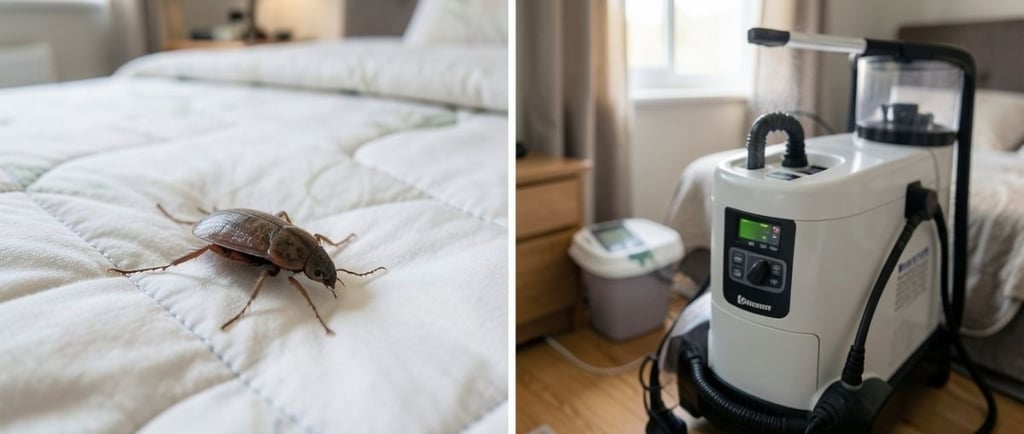
In addition to bite marks, residents should look for the actual pests themselves. Adult bed bugs are approximately the size of an apple seed and are usually reddish-brown in color. They typically hide in the seams of mattresses, box springs, and other furnishings during the day, emerging primarily at night to feed. Therefore, performing routine checks in areas conducive to their habitat is essential. Besides the bugs, other indicators include shed skins or exoskeletons that bed bugs leave behind as they mature. These remains can often be found in crevices and folds of bedding or furniture.
Another critical sign of an impending infestation is the presence of small blood spots on linens and sheets, which result from bed bugs feeding. Additionally, bed bugs produce a musty odor, which can become more apparent in severe infestations. The importance of maintaining vigilance cannot be overstated, particularly in environments where bed bugs are known to thrive, such as hotels, public transportation, and shared living spaces. Regularly inspecting luggage and belongings upon returning home from travel can help prevent these pests from entering your living area.
DIY vs. Professional Heat Treatment: What You Need to Know
The battle against bed bug infestations often brings to light two primary approaches: Do-It-Yourself (DIY) methods and professional heat treatment services. Understanding the differences between these options is essential for effective pest management.
DIY methods typically involve the use of commercial insecticides, steam cleaning, and various home remedies that claim to eliminate bed bugs. One major advantage of DIY treatments is the cost. They are generally more affordable, as they require only the purchase of products found at local stores or online. Additionally, DIY methods allow homeowners to take immediate action in response to an infestation. However, they may not always deliver the desired results. Many DIY tactics can fail to penetrate deep into mattress ticks, baseboards, and other hiding places where bed bugs may reside. This can lead to a recurring issue if the infestation is left unaddressed.
On the other hand, professional heat treatment is a highly effective approach employed by pest control experts. This method involves raising the temperature in the affected area to a level lethal to bed bugs, ensuring that all life stages, including eggs, are eliminated. The effectiveness of this method is one of its primary advantages; it offers a comprehensive solution, often requiring just one treatment. Conversely, the cost of professional heat treatment can be significantly higher than DIY solutions, often due to the specialized equipment and expertise required for successful bed bug eradication.
Choosing between DIY and professional heat treatment ultimately depends on the severity of the infestation and the homeowner’s willingness to invest time and resources. In mild cases, a proactive DIY approach may suffice, though for extensive infestations, the reliability of professional services typically delivers a more assured outcome, preventing future outbreaks effectively.
Case Study: Bed Bug Incidents in Hotels and Apartments
Bed bug infestations have become increasingly prevalent in various living environments, particularly in hotels and apartments. One notable case occurred in a high-traffic hotel in a major city, where numerous guests reported bites shortly after their stay. Upon investigation, it was revealed that the hotel's housekeeping procedures were inadequate, leading to a delayed response in addressing the situation. This incident not only resulted in a temporary decline in bookings but also had a lasting impact on the hotel’s reputation, highlighting the importance of prompt action in managing infestations.
Another case involved an apartment complex where several residents experienced similar complaints of itchy bites. Management conducted inspections and discovered multiple units affected by bed bugs, indicating a widespread infestation. The response from management included immediate pest control measures, along with communication to all residents about the signs of bed bugs and preventive measures. This proactive approach aimed to safeguard residents and rebuild trust within the community.
Common patterns observed in these cases reveal that bed bug infestations often arise in densely populated areas. Factors such as high turnover rates, shared living spaces, and insufficient pest management practices contribute to their spread. Additionally, guests and residents frequently unwittingly transport bed bugs between different locations, further complicating prevention efforts. Effective communication and education about bed bugs are vital for mitigating risks, as many individuals remain unaware of how to identify them or the ramifications of an infestation.
In conclusion, analyzing these case studies can shed light on the vulnerabilities of hospitality and residential environments to bed bug infestations. Through understanding these patterns and responses, stakeholders can develop more effective management strategies and preventive protocols to combat this ongoing issue.
Understanding the financial implications of bed bug treatment options is essential for effectively managing an infestation. Each method of treatment comes with varying costs that can significantly influence a homeowner's choice. This section aims to analyze the costs associated with different approaches, including DIY solutions, professional extermination services, and heat treatment options.
DIY solutions often present an appealing initial option, as they typically involve lower direct costs. However, while the primary investment might be minimal, expenses can accrue through the purchase of various treatment products such as insecticides, steamers, or dusts. These supplies can range from $50 to $150 depending on the size of the infestation and the products chosen. Furthermore, the effectiveness of DIY methods can vary, which might lead to a need for repeated applications, further increasing costs.
In contrast, professional extermination services tend to be more expensive. The cost of hiring an exterminator can range from $300 to $1,500 based on various factors such as the extent of the infestation and geographical location. This upfront payment often covers a comprehensive treatment plan, including inspections, the use of industrial-grade insecticides, and follow-up visits. Though the initial cost may be higher, professional services often provide a more reliable resolution to bed bug issues, potentially saving homeowners money in the long run by eliminating the need for repeat treatments.
Heat treatments stand out as a unique option, effectively killing bed bugs at all life stages. However, they can be one of the most costly solutions, typically ranging from $800 to $2,500. This method involves raising the temperature in an infested area to levels lethal to bed bugs, which requires specialized equipment and labor. While the expense is substantial, many homeowners opt for heat treatment for its effectiveness in eradicating severe infestations swiftly.
Delaying treatment can also lead to increased costs. A single female bed bug can reproduce significantly, leading to more infestations and thereby escalating treatment expenses. Therefore, studying these various cost factors can assist homeowners in making informed decisions regarding bed bug management strategies.
Preventing Bed Bugs: A Comprehensive Checklist
Preventing bed bug infestations is an essential endeavor for homeowners and businesses alike. Implementing a systematic approach can significantly decrease the likelihood of encountering these pests. Begin by conducting routine inspections of your property. Regularly examine mattresses, box springs, and furniture for any signs of bed bugs, such as small dark spots or shed skins. The earlier you spot any signs, the easier it will be to manage the problem.
Investing in protective encasements for mattresses and box springs is a prudent measure. These encasements create a barrier that not only prevents bed bugs from entering or escaping but also facilitates the identification of any existing infestations. Ensure that these encasements are tightly sealed and made from quality materials designed specifically for this purpose.
Travelers are particularly vulnerable to bed bug infestations, so precautions during travel are critical. Whenever you check into a hotel, perform a thorough inspection of the room. Look behind headboards, under cushions, and within the seams of bedding for any indications of bed bugs. Additionally, keep your luggage off the floor and away from the bed by using luggage racks. Upon returning home, immediately wash and dry all clothing on high heat, as this step can eliminate any bed bugs that may have hitched a ride.
When moving into a new space, it's vital to scrutinize furniture and belongings before unpacking. Consider using a portable, bed bug detection device to facilitate the process. This proactive approach can uncover hidden infestations and enable you to take action early.
Finally, maintaining cleanliness can deter bed bugs from becoming a problem. Frequently vacuum and dust your living areas, particularly around furniture edges and carpets. By adhering to these actionable steps, you can significantly mitigate your risk of encountering bed bug infestations in your home or business.
Understanding the Biology of Bed Bugs
To effectively manage bed bug infestations, it is essential to grasp their biological and behavioral characteristics. Bed bugs, scientifically known as Cimex lectularius, are small, wingless insects that primarily feed on the blood of humans and animals. Adult bed bugs typically measure about 5 to 7 mm in length and possess a flat, oval body shape, which enables them to hide in narrow crevices and seams. These pests undergo a complex life cycle that includes five stages, beginning with eggs, which hatch into nymphs and eventually mature into adults. The average lifespan of a bed bug under favorable conditions can reach up to 10 months, making their potential for reproduction significant.
Female bed bugs can lay between 200 to 500 eggs during their lifetime, often in clusters. Optimal temperatures ranging from 20 to 30 degrees Celsius and a consistent supply of blood meals facilitate rapid reproduction. The nymphs, which require at least five blood meals before maturing, shed their skins multiple times, a process known as molting. This frequent shedding allows them to grow, but also makes detection challenging during infestations.
Feeding habits of bed bugs are predominantly nocturnal. They prefer to feed when their hosts are asleep, using specialized mouthparts to pierce the skin and consume blood without causing immediate discomfort. This insidious feeding strategy often goes unnoticed until an infestation becomes more pronounced, evident through bite marks or visible signs of bed bugs.
Bed bugs thrive in environments that offer warmth and proximity to their hosts. Common hiding spots include mattresses, box springs, and furniture seams. Understanding these factors is crucial for effective detection and preventive measures. Increasing awareness of the biology and behavior of bed bugs can greatly assist in creating efficient strategies for pest control and management.
Final Thoughts and Additional Resources
Bed bug infestations are an increasingly common concern, impacting many households worldwide. The earlier signs of bed bugs typically include bites on the skin, small blood stains on sheets, and the presence of casings or eggs. Recognizing these signs early can be crucial in preventing a larger infestation. Throughout this blog post, we examined various treatment options, ranging from DIY solutions to professional pest control services, ensuring that readers have a thorough understanding of how to manage bed bug issues effectively.
Furthermore, we discussed preventive measures that can be implemented to reduce the risk of an infestation. Simple practices such as regularly inspecting sleeping locations, utilizing mattress covers, and maintaining cleanliness can significantly mitigate the chances of bed bugs returning. Staying informed and vigilant is the best approach to managing these pests.
For those seeking additional information, various expert articles and resources are available that delve deeper into effective treatments and innovative solutions. Websites like the Environmental Protection Agency (EPA) offer guidance on recognizing and controlling bed bug infestations. Moreover, the National Pest Management Association (NPMA) provides a wealth of information on best practices for pest management. Engaging with professional pest control services is also advisable, as they offer tailored strategies and can provide effective solutions to eradicate infestations.
In conclusion, staying informed about bed bugs and implementing preventive measures is key to avoiding the challenges associated with these pests. By leveraging helpful resources and taking proactive steps, individuals can better protect their homes from bed bug infestations and ensure a comfortable living environment.
Address:
264/5, Kamal Soroni Road, Mirpur, Dhaka-1216
Contact
Your Quaries on pest control askings
pestexterminatorbd@gmail.com
+8801642008383 +8801988300003, 01723057746
© 2025. All rights reserved. to Urban Pest Control Pvt. Ltd. this site is powered by Our Own IT Team