
Best Termite Control Services in Mumbai – Government Approved Anti-Termite Treatment Near You
3/2/20267 min read
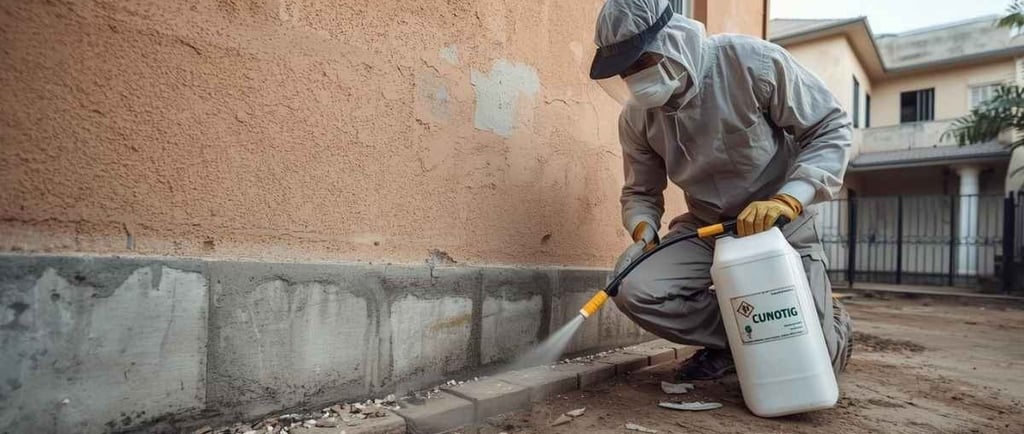
Understanding the Termite Problem in Mumbai
Mumbai, being a coastal city with a warm and humid climate, creates a favourable environment for termite infestations. These pests thrive in the tropical conditions, leading to a significant presence of various termite species in the region. Two primary types of termites commonly found in Mumbai are subterranean termites and drywood termites. Subterranean termites form colonies underground, often infiltrating buildings through the soil, while drywood termites establish themselves within the wooden structures, making detection more challenging.
The behavior and habits of termites are essential factors to understand for effective control. Subterranean termites typically enter homes by creating mud tubes that provide them with a protective pathway from the soil to the structure. This sneaky entry method makes it difficult for homeowners to identify an infestation early. Conversely, drywood termites do not require contact with soil, allowing them to invade wooden furniture and other dry wood elements within a home.
The damage caused by termites can be extensive and costly. They feed on cellulose found in wood, paper, and even some types of insulation, leading to structural damage that may compromise the integrity of a building. If an infestation is left unchecked, the repairs can become not only expensive but also labor-intensive. Furthermore, termite damage often goes unnoticed until significant symptoms, such as hollow-sounding wood and visible shedding of wings, become apparent. This emphasizes the necessity of addressing a termite infestation promptly, to minimize property damage and avoid the extensive repercussions associated with these pests.
Understanding the threat posed by termites is the first step in implementing robust pest control strategies. A comprehensive evaluation of both subterranean and drywood termites will help homeowners in Mumbai to take proactive measures against potential infestations, thereby safeguarding their property.
Pre-Construction Termite Control Methods
Effective termite control measures are crucial during the construction phase of a building, particularly in regions like Mumbai where the humid climate provides an ideal breeding ground for these pests. One of the primary strategies for preventing termite infestations is through soil treatments. This involves applying termiticides to the soil before the foundation is laid, creating a chemical barrier that prevents termites from accessing the structure. Professionals typically recommend a thorough assessment of the soil type and condition to select an appropriate termiticide and application method.
Another essential method involves the installation of physical barriers. This can include the use of steel mesh or sand barriers that deter termite incursions. When implemented correctly, these barriers add significant protection against potential infestations. The installation of these barriers should be part of the overall building design and be inspected frequently throughout the construction process.
Additionally, the use of treated wood can further enhance the structural resistance against termite damage. Incorporating wood that has been chemically treated to resist termites will significantly reduce the risk of an infestation later. Builders and homeowners should consider various types of treated wood available on the market, ensuring compliance with safety standards and regulations.
Implementing these pre-construction termite control methods not only safeguards the building but also mitigates long-term financial risks associated with termite damage. The effectiveness of these measures relies heavily on proper execution, regular monitoring, and adherence to recommended guidelines, making it imperative for all stakeholders to understand their importance in termite prevention strategies.
Post-Construction Termite Control Solutions
Post-construction termite control is a crucial aspect of maintaining structural integrity and protecting property investments. Implementing effective strategies for termite management after a building is constructed can save homeowners from significant damage and costly repairs. There are several methods available for effective termite control, including baiting systems and liquid treatments.
Baiting systems are a proactive approach to termite management. These systems typically involve placing bait stations around the perimeter of the property. The bait is designed to attract termites, and upon ingestion, it disrupts their growth or kills them over time. Regular monitoring of the bait stations is essential to assess termite activity. Property owners should conduct routine inspections to identify any signs of termite presence and ensure that the bait stations are effective in capturing termites.
Liquid treatments are another post-construction solution that provides a barrier against termites. This method involves applying a termiticide around the foundation of the building and within the soil. The liquid creates a protective zone, preventing subterranean termites from accessing the structure. It is advisable to consult with professional pest control services to select an appropriate termiticide and ensure correct application techniques are followed.
To implement these methods effectively, a few necessary steps should be adhered to. Firstly, thorough inspection of the property should be conducted to identify any potential vulnerabilities where termites may enter. Following this, establishing a comprehensive treatment plan based on the level of termite activity observed is essential. Additionally, ongoing monitoring and maintenance are required to ensure that the termite control efforts remain effective over time. These measures are fundamental to ensuring your property remains safe from potential termite invasions.
Chemical Treatments for Termites in India
Chemical treatments remain a cornerstone in termite control strategies, especially in India, where these pests pose a significant threat to wooden structures. Among the chemicals widely used, chlorpyrifos and imidacloprid have gained attention because of their effectiveness and accessibility in controlling termite infestations.
Chlorpyrifos, an organophosphate insecticide, functions by disrupting the nervous system of termites. When termites come into contact with this chemical, it inhibits their ability to process and transmit nerve signals, ultimately leading to their death. This compound is known for its rapid action, providing immediate results upon application. However, it is essential to exercise caution due to its potential toxicity to humans and non-target organisms. Proper protective equipment and application techniques must be followed to minimize risks.
On the other hand, imidacloprid belongs to the neonicotinoid class of insecticides. It works by mimicking the neurotransmitter acetylcholine, causing prolonged activation of the nervous system in termites. This leads to paralysis and facilitates the quick elimination of termite colonies. Imidacloprid is praised for its low toxicity to mammals, making it a safer alternative compared to older chemical options. It is often utilized in soil treatments and bait systems, allowing for effective control with minimal disruption.
The regulation of these chemicals is crucial to ensure environmental safety and public health. In India, the Central Insecticides Board and Registration Committee (CIBRC) oversees the approval and usage of pesticides, including chlorpyrifos and imidacloprid, ensuring that they meet specific safety standards. Users and pest control operators must comply with these regulations to avoid misuse and potential hazards.
Cost of Termite Control in Mumbai
The cost of termite control services in Mumbai can vary significantly based on several key factors. Understanding these factors is essential for homeowners and property managers seeking effective treatment options for termite infestations. Primarily, the size of the property plays a crucial role in determining the overall expense. Larger homes or commercial buildings typically incur higher costs due to the increased labor and materials required for treatment.
Another important consideration is the severity of the infestation. Properties with extensive damage or a high level of infestation often require more intensive and, therefore, more costly treatment solutions. The type of treatment selected also significantly impacts the price. Chemicals used for treatment, termiticides, and innovative methods such as bait systems or heat treatments can differ in cost. Each method has its pros and cons, and thus, the choice may affect the total expenditure as well.
Moreover, many termite control companies in Mumbai offer optional service packages that may include regular inspections, preventative treatments, or warranties. Such packages can provide long-term savings and peace of mind for homeowners. Financing options may also be available, allowing property owners to manage the costs over time, quite beneficial when facing significant infestation issues.
In summary, while it is challenging to provide a definitive cost estimate for termite control in Mumbai without considering these influencing factors, prospective clients should seek quotes from multiple service providers. Comparing these estimates will assist in finding the most suitable solution tailored to specific situations and budgets. Conducting thorough research is essential to ensure effective and affordable termite control solutions in the bustling city of Mumbai.
Warranty and Service Guarantees
When investing in termite control services in Mumbai, understanding the warranty and service guarantees provided by pest control companies is crucial. Such warranties serve as a protection mechanism for consumers, ensuring that the services rendered are effective and, when necessary, followed up appropriately. Generally, warranties in this sector can vary significantly among service providers, encompassing a range of coverage terms.
Most pest control companies offer warranties that cover the treatment of termites for a specific duration, typically ranging from six months to several years. This coverage usually includes the eradication of an existing termite infestation but may also encompass follow-up inspections and retreatments if termites reappear during the warranty period. Different companies may have distinct inclusions; for instance, some warranties might cover structural damages caused by termites, while others might not.
Customers should carefully review the specifics of a warranty before committing to a pest control service. Understanding what the warranty entails will help them ascertain the level of protection they receive against future infestations. Additionally, it is advisable to inquire about follow-up treatments or inspections. Some companies automate these follow-ups, scheduling regular check-ups to ensure that an infestation has not reoccurred. Conversely, others may require clients to request these additional services.
Moreover, consumers should be aware of the conditions that could void their warranty. For example, failure to maintain certain environmental conditions conducive to preventing termites could lead to a lapse in warranty coverage. Thus, being informed about the stipulations of a warranty can offer substantial peace of mind when engaging in termite control solutions.
Frequently Asked Questions (FAQs) Regarding Termite Control
Termites can cause significant damage to properties, making effective control measures crucial. Here are some frequently asked questions that can help homeowners in Mumbai understand termite control better:
- What are the signs of a termite infestation?
Signs of a termite problem include mud tubes on walls, discarded wings, hollow-sounding wood, and frass (termite droppings). Early detection plays a vital role in effective treatment. - How can I prevent termites?
Preventative measures include keeping wood away from soil, reducing moisture around foundations, and regularly inspecting your property for signs of infestation. - What treatment options are available?
There are various treatments, including chemical barriers, baiting systems, and direct treatments. It's advisable to consult a professional pest control service to determine the appropriate method. - How long does termite treatment take to see results?
It depends on the treatment method used. Some solutions provide immediate results, while others, like bait systems, may take several months to eliminate the colony.
Customer Reviews and Experiences
Understanding how others have dealt with termite issues can provide practical insights. Here are some customer reviews regarding termite control services in Mumbai:
- Amit, Mumbai: "I was initially skeptical about hiring a pest control service, but after experiencing a significant termite infestation, I chose a professional service. Their thorough inspection and treatment plan made a noticeable difference in just a few weeks. Highly satisfied!"
- Priya, Navi Mumbai: "The team was knowledgeable and took the time to explain their process. The treatment was effective and has kept my home termite-free for over a year now. I highly recommend their services!"
- Rahul, Thane: "Prompt service with detailed follow-up recommendations helped me manage my property's health. I appreciated how they educated me on preventing future infestations while ensuring the current problem was resolved."
Engaging with customer reviews can offer a clearer picture of what to expect from termite control services, enabling homeowners to make informed decisions regarding pest management solutions.
Address:
264/5, Kamal Soroni Road, Mirpur, Dhaka-1216
Contact
Your Quaries on pest control askings
pestexterminatorbd@gmail.com
+8801642008383 +8801988300003, 01723057746
© 2025. All rights reserved. to Urban Pest Control Pvt. Ltd. this site is powered by Our Own IT Team