
Best Termite Treatment Methods for Urban Homes and Offices
2/24/20267 min read
Introduction to Termite Treatments: The Importance of Prevention
Termites are a significant threat to properties, causing substantial damage that can lead to costly repairs and financial burden. Understanding termite treatments is crucial for homeowners and builders alike. Preventive measures can safeguard structures from termite infestations, ensuring the longevity and integrity of properties. This guide explores the importance of prevention and the different methods available to combat these pests.
Termite treatments can be categorized into two main approaches: pre-construction and post-construction treatments. Pre-construction treatments are implemented during the building phase, providing a protective barrier against termites before they have the opportunity to invade. This proactive stance often includes soil treatments and physical barriers that inhibit the ability of termites to access the structure. Effective pre-construction strategies significantly reduce the risk of termite activity, making it an essential aspect of any building project.
In contrast, post-construction treatments focus on existing structures already susceptible to termite infestation. These methods address potential vulnerabilities in completed buildings through various techniques such as baiting systems, liquid insecticides, and strategic repairs. Homeowners typically opt for post-construction treatments when signs of termite activity are observed or when regular inspections indicate a heightened risk. Both methods emphasize the necessity of timely interventions and consistent monitoring for effective termite control.
In summary, understanding the fundamental differences between pre-construction and post-construction termite treatments is vital for effective property management. Investing in appropriate treatments not only protects the physical structure but also preserves the value of investments in residential and commercial properties. A commitment to termite prevention, regardless of timing, is an essential part of responsible property ownership.
Pre-Construction Termite Treatment: Initial Defense Strategies
When it comes to safeguarding a new construction from termite infestations, pre-construction treatment plays a crucial role. There are several effective measures that can be employed even before the building process begins, ensuring that the edifice rests on a solid foundation of protection.
One of the primary methods of pre-construction termite treatment is soil treatment. This involves applying liquid termiticides to the soil where the foundation of the building will be laid. This process creates a chemical barrier that repels and kills termites upon contact, ultimately preventing them from entering the structure. Soil treatment can be conducted at various stages, but it is vital that it occurs before any concrete is poured to maximize its effectiveness.
In addition to chemical barriers, physical barriers also serve as a means of defense against termites. These barriers can include stainless steel mesh or sand barriers that are specifically designed to deter termite ingress. Unlike chemical treatments, physical barriers do not degrade over time, making them a long-term solution when correctly installed. Incorporating these materials during the construction is vital, as they can substantially reduce the chances of termite infestations over the life of the building.
Furthermore, combining various techniques enhances overall protection. For instance, implementing a combination of soil and physical barriers can fortify the structure's resistance to termites. This multifaceted approach not only acts as a preventive measure but also provides homeowners with peace of mind regarding potential termite-related damages in the future.
By adopting these pre-construction treatment strategies, builders and homeowners can significantly lower the risk of termite infestations, ensuring that their investment remains protected from these destructive pests.
Post-Construction Termite Treatment: Addressing Existing Infestations
Post-construction termite treatment is crucial for managing infestations that may arise in existing structures. Unlike pre-construction treatments that focus on prevention, post-construction methods are designed to eliminate active infestations and provide ongoing protection. Various techniques are utilized, each suited to different levels of infestation and structural integrity.
One common method is the use of baiting systems. These systems involve placing bait stations around the perimeter of a structure to attract termites. The bait typically contains a slow-acting insecticide that allows the affected termites to return to their colony, where they subsequently eliminate other members, eventually leading to colony eradication. This method is effective as it targets the source of the infestation, and because it is less disruptive to the environment, it’s often favored by homeowners.
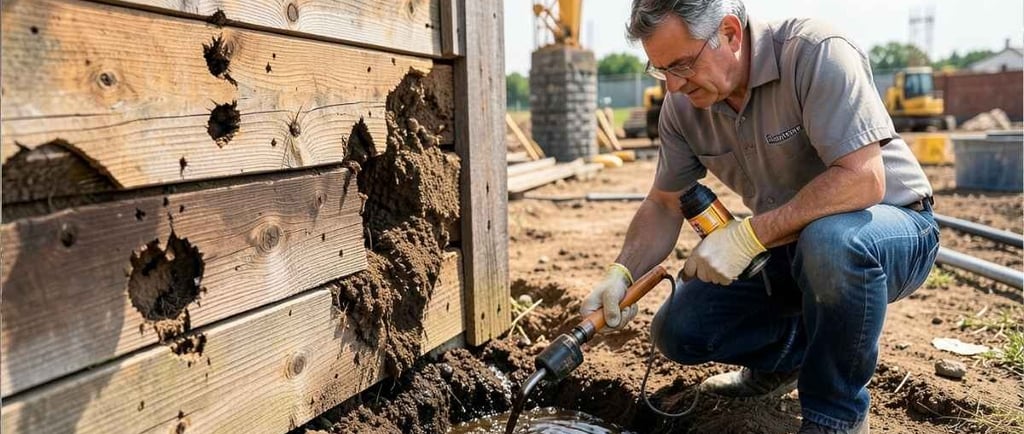
Another widely used technique is the injection of termiticides directly into areas where termite activity has been detected. This method involves drilling holes into infested wood or access points in the foundation and injecting a specially formulated liquid insecticide. The termiticide creates a barrier that prevents future infestations, addressing both current and potential problems. The efficacy of this approach largely depends on the quality of the termiticide used and the precision of the application.
Moreover, physical barriers, such as steel mesh or concrete, can be installed during the treatment process to prevent future infestations. These barriers are particularly effective in conjunction with chemical treatments, as they provide an additional layer of protection against termites invading the structure.
Each of these post-construction termite treatment methods has its implications on effectiveness, costs, and operational requirements. Ultimately, a combination of these strategies may be employed to achieve optimal results depending on the severity of the infestation and the specific needs of the property owner.
Soil Treatment Process: Techniques and Applications
The soil treatment process is critical in the battle against termite infestation, whether undertaken during the pre-construction phase or implemented post-construction. The objective is to create a protective barrier that inhibits termites from accessing the property and causing structural damage. Various techniques are employed for soil treatment, each tailored to specific needs and circumstances.
In pre-construction treatments, the focus is on applying a termiticide to the soil before the building's foundation is poured. This method involves applying a specified amount of chemical solution, which may consist of fipronil, imidacloprid, or other approved termiticides, to the soil. The application process necessitates careful excavation and placement of the barrier along footings and foundation walls to ensure complete coverage. This proactive measure aims to create a long-lasting defense against termite activity.
Post-construction, the approach may differ slightly, as it involves applying termiticides to existing structures. This process often uses trenching or rodding techniques to inject the chemical deep into the soil surrounding the foundation. The application can be complemented by spot treatments in areas where termites have been detected or in potential entry points. Additionally, a thorough inspection may be performed to identify nests and other conducive conditions before treatment commences.
The importance of effective soil treatment cannot be overstated. An inadequately treated soil may leave gaps that allow termites to infiltrate the structure, leading to extensive damage and costly repairs. Therefore, both pre and post-construction treatments must be executed meticulously to maintain a consistent barrier against termite invasion. By employing appropriate techniques and chemicals, property owners can ensure a well-protected environment, significantly reducing the risk of termite-related issues.
Baiting Systems: An Innovative Approach to Termite Control
Baiting systems have emerged as a notable method for termite treatment, especially effective in post-construction scenarios. These systems operate on the principle of attracting termites to a bait station, which contains insecticidal substances. When termites consume this bait, they carry it back to their colony, ultimately leading to the eradication of the population. This targeted approach minimizes exposure to non-target organisms and reduces the overall chemical impact on the environment.
The installation process of baiting systems involves placing bait stations strategically around a property. Ideally, these stations should be located in areas where termite activity is suspected, such as near wood structures, damp soil, or other conducive conditions. The bait stations must be monitored regularly to ensure they remain effective and that the bait is replenished as needed. This routine maintenance is crucial for maintaining the efficacy of the system.
In comparison to traditional chemical treatments, baiting systems offer several advantages. While conventional treatments often involve widespread chemical applications, which may pose risks to the environment and non-target species, baiting systems focus on specific infestation points. This targeted method typically results in lower quantities of chemicals entering the environment. Furthermore, the use of baiting systems can provide long-term control, as they may not only eliminate existing colonies but also act as a preventive measure against future infestations.
In summary, baiting systems represent a modern and effective solution for termite management in post-construction applications. With their minimal environmental impact and targeted approach, they offer a viable alternative to traditional chemical treatments. The successful implementation of baiting systems requires attention to detail and regular monitoring, ultimately contributing to a comprehensive termite management strategy.
Chemical barriers serve as a crucial line of defense against termite invasions, particularly during the pre-construction and post-construction phases of building. These barriers involve the application of termiticides—chemical agents specifically designed to deter, kill, or repel termites. There are several types of termiticides utilized in these barriers, including liquid chemical formulations, baits, and foams, each possessing unique properties and application methods.
In pre-construction treatments, chemical barriers are typically installed during the early stages of building, before the concrete slab is poured, or before any structural components are secured. This proactive approach allows for a more comprehensive application, usually utilizing a higher concentration of chemical agents which are designed to permeate the soil. For instance, residual termiticides can remain effective for several years, with many offering protection for upwards of five years before needing reapplication.
Conversely, post-construction treatments target existing structures. Similar applications of liquid termiticides can create a barrier around and underneath pre-existing homes. However, these applications may yield different residual effects compared to pre-construction applications due to the potential for soil disturbance, environmental factors, and the structure's unique conditions. Studies indicate that while post-construction treatments can be effective, they may provide shorter-lasting protection, often ruled by a timeframe of around three to five years depending on environmental exposure.
Comparative analyses show that pre-construction chemical barriers generally demonstrate higher initial application efficacy compared to post-construction methods. For example, a 2019 research study indicated that pre-construction barriers successfully prevented termites in 92% of monitored sites over five years, while post-construction methods maintained effectiveness in 75% of cases. Thus, while chemical barriers are a vital component of termite management strategies, their effectiveness can significantly hinge on the timing and application methodologies employed.
Cost Comparison and Long-Term Prevention Strategies
When considering termite treatment options, it is important to evaluate the cost implications and long-term prevention strategies associated with both pre-construction and post-construction treatments. Pre-construction treatments generally involve a higher initial investment, as they are part of the overall building process. This proactive approach often includes soil treatments and the installation of barriers that help prevent termite infestations before they start. While this upfront cost may seem significant, it is crucial to recognize the potential savings it may inspire in the long run.
On the other hand, post-construction treatments involve various methods to eliminate existing termite colonies. These processes can be more costly if infestations have already occurred, as they may require multiple treatments and repairs to damaged structural components. Consequently, the financial implications of post-construction termite control can outpace those of preventative measures, especially if frequent interventions are necessary over time.
Investing in pre-construction termite treatment not only effectively mitigates the risk of infestations but also serves as a valuable long-term strategy for saving money. Regular inspections and maintenance routines should not be overlooked, as they form the foundation of effective termite control. These measures ensure that any emerging issues are recognized and addressed promptly, thus curtailing the likelihood of significant damage and costly repairs.
In essence, while the initial costs of pre-construction treatments can appear steep, it is essential to consider their long-term benefits. A comprehensive termite prevention strategy that includes ongoing evaluations and treatments will not only protect investments but also enhance the overall integrity and safety of residential or commercial properties.
Address:
264/5, Kamal Soroni Road, Mirpur, Dhaka-1216
Contact
Your Quaries on pest control askings
pestexterminatorbd@gmail.com
+8801642008383 +8801988300003, 01723057746
© 2025. All rights reserved. to Urban Pest Control Pvt. Ltd. this site is powered by Our Own IT Team