
Bird Flu / Viral Disease & Disinfection Awareness
2/19/20267 min read
Introduction to Viral Spread in Workplaces and Poultry Farms
The spread of viruses within workplace environments and poultry farms is a significant concern that can impact health and productivity. Various factors contribute to the viral transmission in these distinct yet interconnected settings. In workplaces, environments can be conducive to viral spread due to close contact among employees, shared equipment, and communal spaces. Especially in offices and manufacturing facilities, respiratory viruses like influenza and COVID-19 can quickly circulate through airborne particles or contaminated surfaces. Factors such as poor ventilation, high-density occupancy, and inadequate hygiene practices exacerbate these risks.
Similarly, poultry farms represent a unique environment for viral outbreaks. The close quarters in which birds are kept, coupled with limited movement and high-density populations, create ideal conditions for viruses to proliferate. Common viral pathogens affecting poultry include avian influenza, Newcastle disease virus, and infectious bronchitis virus. The rapid spread of these viruses among flocks can lead to high morbidity and mortality rates, with profound implications for poultry production and food security.
In both settings, the impact of viral spread extends beyond mere health concerns. In workplaces, absenteeism due to illness can lead to decreased productivity and increased operational costs. In the context of poultry farms, outbreaks can result in significant financial losses due to culling measures, increased veterinary care, and potential trade restrictions. Understanding the mechanisms of viral transmission in these environments is key to implementing effective control measures, including the use of disinfectants and other treatment methods that are essential in breaking the cycle of infection. By prioritizing public health and adopting appropriate sanitation practices, both workplaces and poultry farms can mitigate the risks associated with viral outbreaks.
Understanding the Significance of Virucide Spray
In modern environments such as workplaces and poultry farms, protecting health and preventing the spread of infectious diseases has become increasingly important. One effective means of achieving this is through the application of virucide sprays. A virucide is a type of disinfectant that targets and neutralizes viruses, preventing them from infecting individuals or spreading further. Understanding how virucides function is essential in leveraging their benefits effectively.
Virucide sprays work by effectively disrupting the viral particle structures, rendering them inactive. Many formulations contain specific chemicals capable of adhering to viral membranes and causing damage to their genetic material. This mechanism of action is particularly critical in environments with high traffic or poor hygiene practices, where the risk of viral transmission is elevated. By utilizing virucides, the likelihood of an outbreak can significantly decrease, thus enhancing overall workplace safety and health.
It is vital to identify the appropriate times and locations for virucide application. Regular spraying is recommended in high-touch areas such as door handles, desks, and shared equipment to mitigate the spread of viruses. Additionally, the use of virucide sprays should be integrated into routine cleaning protocols, especially in poultry farms where the risk of zoonotic diseases can affect both animal and human health. Moreover, ensuring that the chosen virucides have been evaluated and certified for efficacy against specific viruses can provide added reassurance of their effectiveness.
In summary, virucide sprays serve as a critical tool in the fight against viral infections within both workplace settings and livestock environments. By understanding and implementing their use effectively, organizations can foster a safer atmosphere, promoting health and well-being for all involved.
ULV Fogging: A Comprehensive Disinfection Method
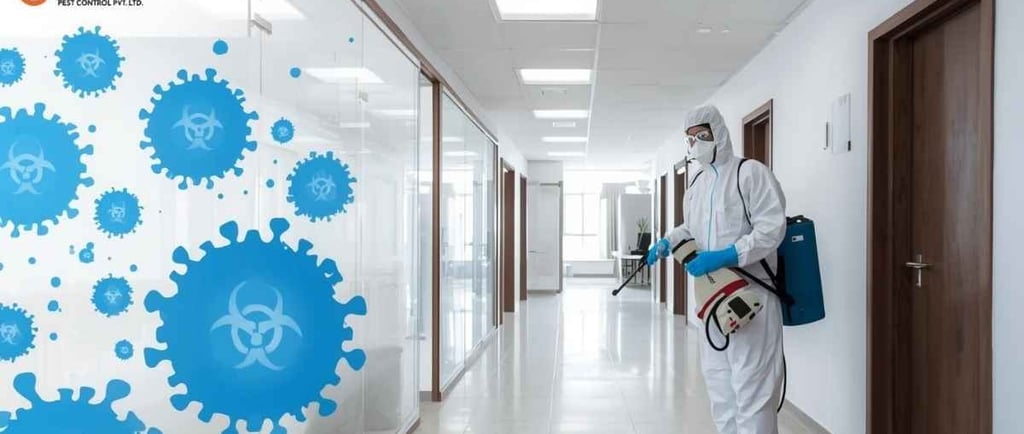
ULV (Ultra Low Volume) fogging is an advanced disinfection technique that utilizes specialized equipment to dispense a fine mist of disinfectant solution. This method is particularly effective in large environments, such as poultry farms, where ensuring comprehensive sanitation is crucial for both animal health and biosecurity measures. The ability to reach hard-to-access areas makes ULV fogging an invaluable tool in combating the spread of airborne viruses.
The process of ULV fogging involves the use of a fogging machine, which converts the liquid disinfectant into tiny aerosol droplets. These small droplets can effectively penetrate cracks, corners, and other areas that conventional cleaning methods might miss. This feature is critical in poultry farms, where biosecurity is paramount, and any missed spots could serve as a breeding ground for pathogens. Furthermore, due to the fine mist the ULV technique generates, the disinfectant can remain suspended in the air longer, thereby increasing its chances to kill airborne viruses effectively.
One of the key advantages of ULV fogging is its efficiency in covering large areas within a short period. This rapid application is particularly beneficial for poultry farm operations, where there is a need to minimize downtime to ensure productivity. Moreover, the process is less labor-intensive compared to manual disinfection techniques, reducing the risk of human error during application. When conducted systematically, ULV fogging can significantly reduce the load of infectious agents in the environment, helping to create a safer space for both poultry and farm workers.
In summary, ULV fogging stands out as a powerful disinfection method that is essential for maintaining biosecurity in workplaces, especially in sectors like poultry farming. Its ability to combine thorough coverage and efficiency plays a crucial role in combating viral spread, ensuring healthier environments for animals and humans alike.
Disinfectant Treatments for Virus Control
In the context of viral control, particularly within workplaces and poultry farms, the selection and application of disinfectant treatments are crucial for preventing the spread of infections. Various formulations are available, each designed to tackle specific viruses through different mechanisms of action.
One of the most common types of disinfectants used for virus control is quaternary ammonium compounds (quats), which exhibit strong antimicrobial properties. These disinfectants are typically used to sanitize surfaces in high-touch areas such as door handles, tables, and equipment in workplace settings. Their efficacy against enveloped viruses, including many coronaviruses, makes them a preferred choice in both industrial and agricultural environments.
Another widely employed disinfectant is sodium hypochlorite, commonly known as bleach. This powerful oxidizing agent is effective against a broad spectrum of viruses when used appropriately. In poultry settings, where viral infections can lead to significant economic losses, sodium hypochlorite can be diluted and applied to water, feed, and surfaces. However, it is essential to observe precautions regarding concentration levels, as high concentrations can be corrosive to equipment and harmful to animals.
Additionally, hydrogen peroxide has gained attention in recent years as an effective disinfectant that breaks down to non-toxic byproducts. It offers a rapid kill time against various microbial agents and can be used in fogging systems for extensive disinfection of spaces. This method is particularly beneficial in large poultry barns where comprehensive coverage is required.
For effective application of these disinfectants, it is critical to adhere to specific protocols. Proper dilution rates, contact times, and surface preparation are essential to maximize the efficacy of the treatment. Following the manufacturer's instructions ensures that the selected disinfectant can effectively eliminate viral particles, thus reducing the risk of outbreaks.
Choosing the Right Chemicals: International Standards
In the realm of disinfectants, the selection of chemicals must be guided by stringent international standards to ensure their safety and effectiveness. Various organizations, including the World Health Organization (WHO) and the Environmental Protection Agency (EPA), establish guidelines that outline the criteria for evaluating disinfectants used in workplaces and poultry farms.
When choosing disinfectants, it is essential to consider the active ingredients and their spectrum of activity against viruses and bacteria. Chemicals such as quaternary ammonium compounds, hypochlorite, and peracetic acid are commonly recognized for their efficacy. These substances must not only demonstrate the ability to eliminate pathogens but also comply with safety regulations established by health authorities.
Moreover, the efficacy of disinfectants is often validated through rigorous testing protocols. For instance, products should be subjected to standardized tests that determine their performance under various conditions, including contact time and surface type. This underpins the credibility of claims made by urban pest control companies, aligning with international standards and ensuring these chemicals can effectively combat viral spread.
In addition to ensuring efficacy, safety data must also be assessed carefully. Disinfectants should have safety data sheets (SDS) that provide comprehensive details about hazards, handling precautions, and first-aid measures. The selection process should also account for environmental impact, as many organizations emphasize using eco-friendly alternatives that minimize harm to non-target organisms and ecosystems.
Ultimately, selecting disinfectants that meet international standards is critical for workplaces and poultry farms. This choice not only aids in limiting the transmission of viral infections but also promotes a safer, healthier environment for employees and animals alike.
Urban Pest Control Pvt. Ltd.: Expertise in Disinfection Solutions
Urban Pest Control Pvt. Ltd. stands as a leading entity in the provision of disinfectant solutions, particularly critical in environments susceptible to viral outbreaks, such as workplaces and poultry farms. With years of experience in the field, the company has honed its expertise in effectively combatting the spread of pathogens through comprehensive disinfection practices. Their team comprises skilled professionals trained to assess, plan, and implement tailored disinfection strategies that address the unique needs of each client.
The range of products offered by Urban Pest Control Pvt. Ltd. includes state-of-the-art disinfectants that have been scientifically formulated to eliminate a broad spectrum of viruses and bacteria. These products are rigorously tested for efficacy and safety, ensuring they meet public health standards. In addition to cleaning agents, Urban Pest Control provides specialized services that encompass thorough disinfecting fogging, surface sanitization, and ongoing maintenance protocols designed to uphold hygiene in high-risk environments. These services are crucial in preventing outbreaks and ensuring the safety of both staff and the general public.
Choosing professional pest control services like Urban Pest Control is paramount for businesses seeking to maintain high hygiene and safety standards. Their expertise not only simplifies the disinfection process but also instills confidence that facilities are being treated with the utmost care and suitable methodologies. Moreover, by employing expert services, organizations can minimize disruptions to their operations while ensuring a clean environment conducive to productivity and health. The reliance on trained professionals eliminates the uncertainties surrounding DIY disinfection methods and highlights the significant importance of investing in high-quality disinfection solutions for improved workplace safety and public health.
Conclusion and Call to Action
Addressing the threat of viral spread in workplaces and poultry farms is a critical endeavor. The potential consequences of unchecked virus transmission can lead to significant health risks for both employees and animals, as well as considerable economic impacts. It is imperative for employers and poultry farm owners to adopt a proactive stance in preventing viral outbreaks. Implementing effective disinfection strategies can significantly decrease the likelihood of viral transmission.
Disinfectants play a vital role in this battle against viruses. Regular cleaning and sanitation using appropriate disinfectant products ensures that surfaces are free from pathogens. Moreover, it is essential to pay attention to high-traffic areas where viruses can easily spread. Beyond daily disinfection, the application of specialized treatment methods can enhance biosecurity efforts, promoting a healthier environment for both workers and livestock.
Employers and poultry farm operators are encouraged to consider engaging professional disinfection services. These experts possess the knowledge, experience, and access to advanced disinfectant technologies that are essential for effective intervention. Utilizing such services not only elevates the standard of hygiene across facilities but also helps in compliance with health and safety regulations, ensuring a safe work environment.
In conclusion, taking decisive action against viral spread in the workplace and poultry farms is crucial in safeguarding public health. By prioritizing comprehensive disinfection strategies and enlisting professional help when necessary, stakeholders can contribute to a significant reduction in viral transmission. It is a collective responsibility to protect our communities and maintain a healthy atmosphere within our work environments and farms. The time to act is now; implementing these measures will yield long-lasting benefits for all concerned.
Address:
264/5, Kamal Soroni Road, Mirpur, Dhaka-1216
Contact
Your Quaries on pest control askings
pestexterminatorbd@gmail.com
+8801642008383 +8801988300003, 01723057746
© 2025. All rights reserved. to Urban Pest Control Pvt. Ltd. this site is powered by Our Own IT Team