
The Real Reason Cockroaches Appear After You Renovate a Home
2/5/20267 min read
The Unexpected Guests
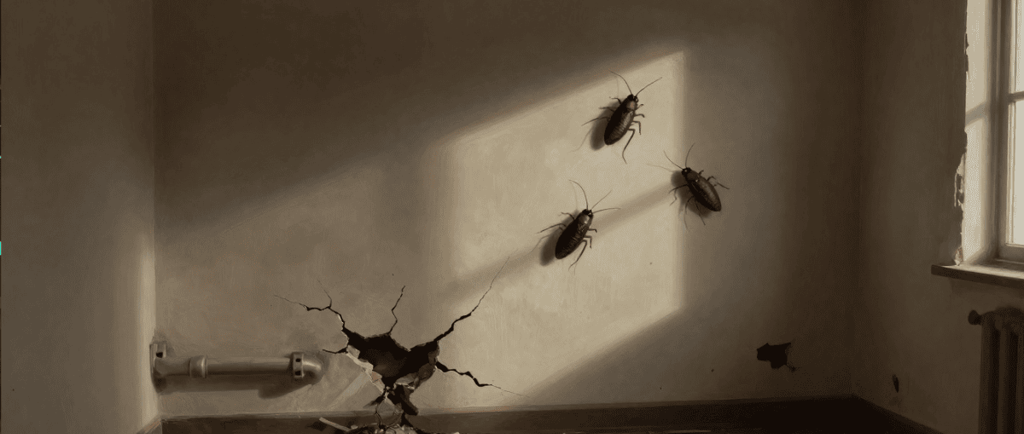
Cockroaches are notorious for being unwelcome invaders in our homes, and their sudden appearance can be especially disconcerting after a renovation. The association between home renovations and the emergence of these pests is not just a coincidence, and understanding the underlying factors can help alleviate the anxiety homeowners often feel.
Many people harbor misconceptions about cockroaches, assuming that they only thrive in dirty or neglected environments. However, these resilient insects can adapt to various conditions, which allows them to invade even the most pristine homes. When homeowners undertake renovations, numerous changes can occur in the home’s structure and the surrounding environment. Debris, dust, and alterations in accessibility can disturb previously hidden infestations and create ideal conditions for cockroaches to thrive.
The process of renovating often uncovers hidden nooks and crannies that may have been undisturbed for years, providing an inviting habitat for cockroaches. Homeowners may also inadvertently introduce these pests into their space through materials used during renovations, such as old wooden beams, cardboard packaging, or second-hand furniture that may harbor eggs or live individuals.
Moreover, renovating a home can create a considerable amount of disruption. As walls are opened up, plumbing is adjusted, and floors are lifted, it is not uncommon for cockroaches to scurry about in search of new hiding spots or food sources. This unintended agitation can expose them to areas previously considered safe. Recognizing these behaviors and tendencies will help homeowners take proactive measures to deter these pests during their renovation projects.
In light of this understanding, it becomes evident that cockroaches appearing after a renovation may not be solely due to an unclean home but rather a confluence of factors that create favorable conditions for their resurgence.
Understanding Cockroach Behavior
Cockroaches are insects known for their resilience and adaptability, making them one of the most common pests encountered in human dwellings. Understanding their behavior and biology is crucial in comprehending why they appear more frequently after home renovations. Cockroaches have been around for millions of years, exhibiting survival instincts that enable them to thrive in various environments. They prefer dark, damp, and enclosed spaces, which provide the ideal conditions for their survival.
In terms of living conditions, cockroaches tend to gravitate towards areas that provide moisture and warmth, such as kitchens, bathrooms, and basements. These insects are nocturnal and often remain hidden during the day, only coming out at night to forage for food and water. This behavior helps them evade potential threats, including humans.
Home renovations can significantly disrupt their habitats. When walls are broken down, floors are lifted, or other structural changes occur, cockroaches may be forced out of their hiding places. The construction process often introduces changes in the environment, including the opening of previously concealed areas, which may have been prime hiding spots. This disturbance can lead to increased visibility of these pests. Additionally, tools and construction debris can inadvertently trap roaches, exposing them to new areas.
Moreover, the remodeling process may inadvertently create new conditions for cockroaches. Increased moisture from plumbing work or the dust and debris from construction can provide the perfect setting for these pests to thrive. As a result, homeowners may notice a surge in cockroach activity during or after renovations, as these resilient creatures adapt to the new conditions and explore their surroundings in search of food and shelter.
Factors That Trigger Cockroach Appearance During Renovations
Renovating a home can inadvertently unveil and exacerbate cockroach infestations, primarily due to multiple disturbances within the domestic environment. One significant factor that contributes to the emergence of cockroaches during renovations is the disturbance of nesting areas. As walls are knocked down, flooring is replaced, or cabinets are removed, the habitats these pests have been residing in might be exposed, leading to greater visibility of cockroach populations.
Moreover, the introduction of construction debris can create an opportunistic environment for cockroaches. Debris such as wood, drywall, and other materials can provide ideal hiding places or food sources that attract these pests. Additionally, these materials can become contaminated with pheromones left by previous infestations, which serve to lure more cockroaches, further aggravating the situation.
The process of renovation can also alter the cleanliness of the environment, inadvertently providing new sources of food and water. For example, the displacement of garbage or the neglect of routine cleaning during the renovation process can easily attract cockroaches, as they are scavengers that thrive in unsanitary conditions. Even small amounts of food residue left unaddressed can serve as a significant lure.
Another pivotal consideration is the potential creation of unsealed entry points during renovations. When structures are altered or removed, gaps or cracks may be exposed, allowing easy access for cockroaches from the outside environment. These newly created pathways can facilitate the entry of cockroaches seeking shelter, food, or moisture, which can lead to a spike in sightings within the newly renovated space.
The Impact of Construction Activities on Pest Ecosystems
Renovation activities, such as demolition or building additions, involve various processes that can significantly impact pest ecosystems, particularly the habitats of cockroaches. When construction begins, it often entails the removal of structural elements, disruption of flooring, and changes to the surrounding environment. These actions can disturb existing cockroach colonies, forcing them to flee their established nests in search of new shelters.
The physical disruption of a home does not only affect the immediate environment but also extends to adjacent properties. As construction activities displace cockroaches, they may migrate into neighboring areas, particularly if those spaces are less disturbed or have abundant food sources available. This migration can lead to a sudden influx of cockroaches into your home, as they seek refuge from their disrupted habitats. The natural instinct of these pests is to find damp and dark spaces conducive to survival, frequently leading them to enter remodeled or altered structures.
Moreover, construction zones often produce conditions that are favorable for pests. For instance, debris left from renovation activities can provide both shelter and resources for cockroaches. Open spaces, exposed plumbing, and construction materials increase the likelihood of attracting these pests, amplifying the risk of an infestation post-renovation. Homeowners should be mindful that the effects of renovations are not contained solely within their own property; rather, they can create a domino effect on the pest population in the area.
Therefore, understanding the connection between renovation activities and cockroach displacement is essential. By recognizing how disruptions in the environment can influence pest behavior, homeowners can take proactive measures to prevent these unwelcome visitors from entering their newly renovated space.
Preventing Cockroach Infestations During Renovations
Renovating a home can lead to unexpected encounters with cockroaches, as these pests often emerge from hidden corners during disturbances. To minimize the risk of cockroach appearances, homeowners should employ several proactive strategies before, during, and after the renovation process.
First and foremost, hiring a professional pest control service is advisable. These experts can conduct a thorough inspection to identify current infestations and potential entry points. They can also offer tailored prevention advice specific to the renovation project, ensuring that efforts are both comprehensive and effective.
Sealing entry points is another crucial step. Cockroaches can squeeze through incredibly small gaps. Homeowners should inspect their properties closely, concentrating on areas around pipes, vents, and windows, and seal these openings with caulk or appropriate fillers. Additionally, installing door sweeps can further deter these pests from entering the home.
Maintaining cleanliness throughout the renovation process is vital. Renovations often create dust and debris, which can inadvertently provide food and shelter for cockroaches. To combat this, homeowners should take measures to keep work areas clean, including regular sweeping and vacuuming. Storing building materials in sealed containers can also prevent attracting cockroaches.
Lastly, preparing spaces before any demolition or construction takes place can significantly reduce the likelihood of a cockroach invasion. This may involve moving furniture away from walls, removing any standing water, and addressing any existing issues with plumbing or leaks, which could attract these pests. Implementing these strategies will contribute to a more successful renovation experience, while minimizing the chances of unwanted pest encounters.
Dealing with a Cockroach Problem Post-Renovation
Encountering cockroaches in your home after a renovation can be distressing, but taking systematic steps can effectively control the situation. The first step is to accurately identify the source of the infestation. Cockroaches often find harborage in areas that are disturbed or altered during renovations, such as gaps in walls, hidden crevices, or damp spaces. Conduct a thorough inspection of your home, paying close attention to areas near plumbing, behind cabinets, and within the walls. This initial assessment is crucial as it enables you to locate their entry points.
Once you have identified the potential sources, the next step involves employing pest control methods. This could range from using bait stations and traps, to employing sprays and gels specifically designed for cockroach control. If the infestation is extensive, it may be wise to consult a professional pest control service. These experts can provide tailored approaches to eliminate cockroaches effectively and prevent further occurrences. Moreover, they can identify conditions conducive to these pests and recommend strategies to mitigate such risks.
Following these immediate measures, reinforcing preventive tactics is vital to ensure that cockroaches do not return. Sealing gaps or cracks around doors, windows, and foundations can deter future infestations. Additionally, regular cleaning and decluttering of food sources and hiding spots can significantly lower the likelihood of cockroaches re-emerging in your home. Keeping the kitchen tidy, ensuring food is stored in airtight containers, and maintaining a consistent pest prevention routine will contribute towards a cockroach-free environment in the long term.
Conclusion: Being Proactive About Pest Control
In summary, undertaking home renovations is a significant step towards enhancing both the aesthetic appeal and functionality of your living space. However, it is equally important to recognize that such enhancements can inadvertently provide ideal conditions for pests, particularly cockroaches, to enter your home. These resilient insects thrive in environments where construction activity disrupts their habitats, creating avenues for them to infiltrate your freshly renovated areas.
To mitigate the risk of an infestation, it is essential to adopt a proactive approach to pest control. This entails implementing effective prevention strategies before, during, and after the renovation process. Before commencing any renovation, homeowners should conduct a thorough inspection for any existing pest issues. Sealing gaps and openings around doors, windows, and plumbing can significantly reduce potential entry points for cockroaches and other pests.
During the renovation, maintaining cleanliness is vital. Regularly disposing of debris, promptly cleaning food spills, and minimizing clutter can deter cockroaches from establishing a presence. Additionally, utilizing appropriate pest control treatments—such as bait stations or professional pest control services—can preemptively address any pest incursions.
After the renovation is complete, ongoing vigilance is crucial. Routine inspections and maintenance of the home—such as ensuring proper drainage and ventilation—can help in spotting early signs of an infestation, allowing for swift intervention if necessary. By fostering a clean and monitored environment, homeowners can effectively reduce the likelihood of facing unwelcome visitors.
In conclusion, while renovations play a critical role in home improvement, implementing proactive pest control measures is an integral component to ensuring a pest-free living space. By taking actionable steps, homeowners can enjoy their newly renovated homes with peace of mind.
Address:
264/5, Kamal Soroni Road, Mirpur, Dhaka-1216
Contact
Your Quaries on pest control askings
pestexterminatorbd@gmail.com
+8801642008383 +8801988300003, 01723057746
© 2025. All rights reserved. to Urban Pest Control Pvt. Ltd. this site is powered by Our Own IT Team