
Comprehensive Pest Control Guide for Homes and Businesses in Bangladesh
5/31/202611 min read
Introduction
Pest control is an essential aspect of maintaining a healthy and safe environment, whether in residential homes or commercial businesses. In Bangladesh, the presence of pests is not only a nuisance but also poses significant health risks, as many pests can transmit diseases or cause considerable damage to property. Common pests, including rodents, termites, and various insects, can compromise the structural integrity of buildings and affect the well-being of inhabitants.
As urbanization increases and natural habitats are disrupted, effective pest control has become more vital than ever. Understanding the significance of pest management can help individuals and businesses to mitigate risks associated with infestations. Proper pest control practices are instrumental in safeguarding personal health, preserving property values, and maintaining a hygienic environment.
This blog post serves to provide readers with valuable insights into pest control strategies that can be effectively implemented in both homes and businesses in Bangladesh. It aims to cover a range of topics, including common pest issues faced by residents and business owners, practical pest control tips, and the critical role of professional pest control services. By addressing these elements, we will highlight why a proactive approach to pest management is essential.
Moreover, we will explore the various options available for pest control, emphasizing the importance of selecting appropriate methods that are safe, effective, and environmentally friendly. As pest populations continue to evolve, keeping abreast of current pest control practices is crucial for achieving a pest-free environment. Through this comprehensive guide, we hope to empower our readers with the knowledge needed to effectively tackle pest problems and explore available solutions that can help in maintaining a pest-free space.
Why Pest Control is Important for Homes and Businesses
Pest control plays a crucial role in preserving the integrity of both homes and businesses. The presence of pests such as rodents, insects, and termites can have significant adverse effects on property and health. A single infestation, if left untreated, may lead to extensive damage, resulting in costly repairs and remediation. For instance, termites can silently destroy the structural framework of a building, while rodents may gnaw through electrical wires, creating fire hazards.
Beyond structural damage, pests pose serious health risks to occupants. Many common household pests are known carriers of diseases. For example, cockroaches can trigger asthma and allergies, while rodents can carry viruses and bacteria that can lead to serious illnesses. The implications extend to businesses as well; a pest-infested establishment can compromise hygiene standards and lead to the loss of customers. In the food service industry, the presence of pests is a direct violation of health codes, potentially resulting in fines or closure.
Moreover, untreated pest infestations can have wider community impacts. Pests can migrate between properties, exacerbating issues not just for one business or home but for entire neighborhoods. This interconnectedness highlights the necessity for prompt and effective pest control measures. Implementing such measures not only protects individual properties but also promotes a healthier environment for the community as a whole. Regular pest inspections and timely interventions can significantly mitigate risks associated with pest infestations.
In conclusion, prioritizing pest control is essential for maintaining a safe and healthy living and working environment. Both homes and businesses must be proactive in addressing pest issues to avoid long-term consequences that could affect their structural integrity and the well-being of individuals within those spaces.
Common Pest Problems in Bangladesh
In Bangladesh, a myriad of pest problems adversely affects both residential and commercial settings. These issues are exacerbated by the country’s diverse climate and increasing urbanization. Essential pest species to consider include termites, cockroaches, and mosquitoes, each of which presents unique challenges.
Termites are a significant concern, known for their destructive behavior, particularly in wooden structures. The warm and humid climate of Bangladesh creates an optimal breeding environment for these pests, leading to extensive property damage annually. Termites tend to remain unnoticed until considerable damage has already occurred, making early identification and control vital for homeowners and businesses alike.
Cockroaches, another prevalent pest, thrive in urban environments where food sources are readily available. Notably resistant to many types of pest control methods, cockroaches can breed rapidly, leading to a sizeable infestation in a relatively short span. They are not only a nuisance but also pose health risks as they are known carriers of various pathogens. Their ability to adapt to different environments contributes to their widespread occurrence in densely populated areas of the country.
Additionally, mosquitoes are a public health concern in Bangladesh, transmitting diseases like dengue fever and malaria. The country's tropical monsoon climate fosters ample breeding sites, thanks to stagnant water accumulation. Urbanization amplifies this problem, as construction and inadequate drainage systems create artificial water bodies that enhance mosquito populations. As urban expansion continues, so does the challenge of managing mosquito populations effectively.
A comprehensive understanding of these common pest problems is crucial for developing effective pest control strategies. The combination of the environment and specific species' behaviors necessitates tailored approaches to ensure successful management and mitigation in both homes and businesses across Bangladesh.
Understanding Common Household Pests
Household pests are a frequent nuisance, impacting both residential and commercial spaces in Bangladesh. To effectively manage these pests, it is essential to understand their characteristics, signs of infestation, and potential health risks or damages they may cause.
Termites are notorious for their destructive capability, primarily targeting wooden structures. Identify them by their mud tubes and the presence of discarded wings. Signs of infestation include hollow-sounding wood and droppings that resemble sawdust. If left unchecked, termites can cause significant structural damage.
Cockroaches are resilient pests that thrive in warm, dark environments. They can be identified by their flattened oval shape and rapid scurrying movement. Droppings and a musty odor are strong indicators of their presence. Cockroaches not only contaminate food but are also known to trigger allergies and asthma in sensitive individuals.
Rats and mice are another common concern, often entering homes in search of food. Identification can be done through gnaw marks, droppings, and nesting materials like shredded paper or fabric. They pose serious health risks by transmitting diseases such as leptospirosis and hantavirus, making their control a priority.
Mosquitoes, prevalent in various regions, are easily recognizable by their slender bodies and long legs. They breed in stagnant water, and their bites can lead to discomfort and illnesses like dengue fever and malaria. Regular removal of standing water is vital to limit their population.
Bed bugs are small, reddish-brown insects that feed on human blood, leaving itchy welts on the skin. Their presence is often indicated by blood spots on bedding and a sweet, musty odor. While they do not transmit diseases, their presence can lead to significant stress and discomfort.
Ants are social insects that can infiltrate kitchens and pantries in search of food. They can be identified by their structured colonies and trails leading to food sources. Some ants, like fire ants, can deliver painful bites. Proper sanitation and sealing entry points are effective management strategies to prevent infestations.
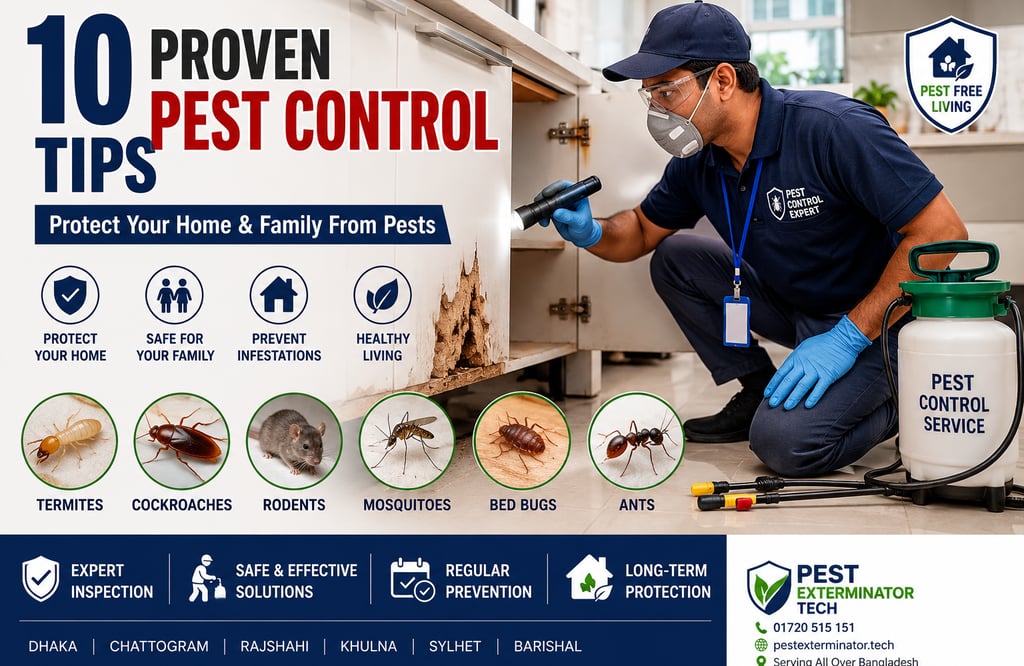
Top 10 Pest Control Tips
Implementing effective pest control measures is essential for preventing infestations in both homes and businesses in Bangladesh. Here are ten practical tips that can help maintain a pest-free environment:
1. Maintain Cleanliness: Regular cleaning is fundamental in keeping pests at bay. Ensure that floors, countertops, and all surfaces are free from crumbs and spills. Cleaning prevents attracting pests such as ants, roaches, and rodents, which thrive on food remnants.
2. Proper Food Storage: Storing food correctly can significantly reduce pest access. Utilize airtight containers for all food items, including pet food. This practice helps in limiting pests such as pantry moths and beetles from infesting food supplies.
3. Eliminate Standing Water: Pests, especially mosquitoes, are known to breed in stagnant water. Regularly check for and eliminate any sources of standing water in and around premises—such as dripping taps, clogged gutters, or plant saucers.
4. Seal Entry Points: Routinely inspect windows, doors, and any cracks or openings in walls. Sealing these entry points can prevent pests from entering your home or business premises, reducing the likelihood of infestation.
5. Use Natural Repellents: Consider employing natural pest repellents, such as peppermint oil, vinegar, or diatomaceous earth. These alternatives can deter pests without the potentially harmful effects of chemical pesticides.
6. Maintain Landscaping: Keep gardens well-trimmed and remove debris where pests may hide. Overgrown plants can attract various insects or rodents, making it crucial to maintain a neat exterior.
7. Regular Inspections: Schedule periodic pest inspections to identify early signs of infestation. Catching an infestation in its early stages can make management significantly easier.
8. Dispose of Waste Properly: Securely managing garbage is vital. Use bins with tight-fitting lids and dispose of waste regularly to decrease the likelihood of attracting pests.
9. Educate Household Members: Raise awareness among family members or employees about proper hygiene practices and the importance of reporting pest sightings. This proactive measure can aid in early detection and prevention.
10. Hire Licensed Pest Control Professionals: When infestations seem overwhelming or unmanageable, enlisting the help of licensed pest control experts is advisable. Professionals can provide targeted treatments, ensuring pests are effectively eliminated while minimizing risks.
By adopting these top ten pest control tips, individuals can significantly reduce the risk of pest infestations, fostering a healthier living and working environment.
Seasonal Pest Control Guide
Effective pest control requires a strategic approach that adapts to the changing seasons. In Bangladesh, the climatic transitions of summer, monsoon, and winter usher in different species of pests that can disrupt homes and businesses. Understanding these seasonal patterns is crucial for implementing effective pest management strategies.
During the summer months, the warm weather creates an ideal environment for various pests. Commonly encountered pests include mosquitoes, flies, and ants. Mosquitoes breed in stagnant water, so it is imperative to eliminate any standing water around the premises to reduce their population. Additionally, maintaining cleanliness and proper waste disposal can deter flies and ants from invading residential and commercial spaces.
As the monsoon season arrives, the heavy rains bring about a shift in the pest landscape. This period is notorious for an increase in rodents, termites, and cockroaches. Rodents often seek shelter indoors to escape the floods, thus it is essential to seal any cracks and crevices. Effective moisture control and proper drainage can mitigate the risk of termite infestations, while regular cleaning helps to eliminate food sources for cockroaches.
Winter tends to be a quieter season for pest activity; however, this does not mean that vigilance should wane. Pests such as bed bugs and cluster flies may seek warmth indoors. It is advisable to conduct regular inspections and consider preventive measures such as using insect repellents and traps. Additionally, ensuring that heating systems are regularly maintained can prevent the conditions that attract these pests.
In conclusion, seasonal pest control is vital in minimizing infestations throughout the year. By identifying and addressing the primary pests associated with each season, homeowners and business operators can safeguard their environments and maintain effective pest management practices.
DIY vs Professional Pest Control
Pest control is an essential component of maintaining a safe and healthy environment at home or in the workplace. When facing pest infestations, individuals often ponder between DIY methods and hiring professional pest control services. Each approach has its advantages and limitations that homeowners and business operators must consider.
DIY pest control methods offer several benefits, notably cost-effectiveness and convenience. Homeowners can utilize various commercially available products or natural remedies to tackle insect issues independently. This can be particularly viable for minor infestations, such as lone ants or occasional spiders. Moreover, many standard household items can serve as deterrents, making DIY pest control an attractive option for those seeking quick fixes without the immediate expense of professional intervention.
However, the limitations of DIY pest control are significant. Often, these methods lack the effectiveness of professional solutions, especially against larger infestations or more resilient pests, such as termites or bedbugs. DIY approaches may also lead to incomplete pest removal, resulting in recurrence and prolonged problems. Additionally, improper use of pesticide products can pose health risks to humans and pets if not handled correctly.
In contrast, hiring professional pest control services ensures a thorough assessment of the infestation. Licensed pest control experts utilize sophisticated techniques and equipment to eliminate pests comprehensively. They can identify the root causes, enabling effective long-term management strategies that are not purely reactive. Moreover, professionals possess the expertise to safely handle potent chemicals, ensuring the safety of the environment and inhabitants.
In scenarios involving significant pest problems, complicated infestation types, or the need for ongoing pest management, professional intervention becomes crucial. Relying solely on DIY methods may not yield effective results in these cases, making it essential to evaluate the available options carefully.
Why Professional Pest Control Matters
Professional pest control services play a crucial role in effectively managing and eliminating pest problems for both residential and commercial properties. One of the primary advantages of engaging such services is access to advanced equipment that is often unavailable to the average homeowner or business owner. These tools are designed to address pest infestations comprehensively, ensuring that the situation is handled effectively and efficiently.
Another significant benefit entails the safe application of pesticides. Professionals are trained to use these chemicals responsibly, minimizing potential risks to human health and the environment. Unlike DIY methods, which may lead to misuse or inadequate distribution of pesticide, professionals follow guidelines that prioritize safety, ensuring both compliance with regulations and protection for inhabitants of the property.
Additionally, ongoing monitoring results from professional pest control services. Such a service does not stop at treatment; instead, it involves a thorough inspection of the premises to evaluate the effectiveness of the treatment and to identify any re-infestation risks. This proactive approach serves to safeguard the property against future pest invasions.
Expert identification of pest species is another significant aspect of utilizing professional pest control. Trained exterminators can distinguish between different types of pests, enabling them to tailor their approaches based on the specific behaviors and characteristics of the pests involved. This targeted strategy ultimately increases the probability of successful elimination and long-term prevention.
Lastly, though the initial investment in professional pest control may seem substantial, it often results in long-term cost savings. Persistent pest issues can lead to significant damage to property if not managed properly, resulting in costly repairs and extermination efforts. By investing in professional services, homeowners and businesses may save money in the long run and ensure a pest-free environment.
Frequently Asked Questions
In the realm of pest control, understanding common concerns and queries can significantly aid homeowners and businesses in managing pest issues effectively. Below are some frequently asked questions related to pest control that cover crucial topics such as pest identification, prevention methods, and the necessity of professional assistance.
1. How can I identify the type of pest in my home?
Identifying the pest can often be done by observing signs such as droppings, gnaw marks, and damages. Additionally, some pests leave distinctive trails, which may help with identification. Consulting local pest control experts can also provide valuable insights.
2. What are the most common pests in Bangladesh?
Common pests in Bangladesh include cockroaches, termites, mosquitoes, and rodents. Each of these pests can pose various health risks and property damage, necessitating effective management.
3. How can I prevent pests from entering my home?
Preventative measures include sealing cracks and crevices, keeping food stored in airtight containers, and maintaining cleanliness throughout the premises. Regular inspections and home maintenance are equally important in thwarting pest infestations.
4. When should I consider hiring professional pest control services?
Professional pest control should be considered when an infestation exceeds your ability to control it effectively. Signs of significant damage or health risks may warrant immediate professional intervention.
5. Are pest control treatments safe for pets and children?
Many pest control companies provide treatments that are safe for both pets and children, using eco-friendly products. However, it is crucial to consult with professionals regarding the safety of specific treatments.
6. What should I do if I notice signs of a pest infestation?
Upon noticing signs of infestation, it is recommended to document the evidence and seek professional advice promptly. Early identification can help mitigate extensive damage.
7. How often should pest control treatments be applied?
The frequency of pest control treatments varies based on the type of pest, severity of infestation, and preventive measures in place. Generally, quarterly treatments are advised for comprehensive pest management.
8. Can I handle pests on my own without professional help?
While minor infestations can sometimes be managed with DIY methods, severe cases require specialized knowledge, making professional assistance imperative for effective eradication.
9. What is the best way to control termites?
Controlling termites involves regular inspections and treatments using baits or liquid barriers. Early detection is key, and consulting with pest control professionals is essential for effective management.
10. How effective are organic pest control methods?
Organic pest control methods can be effective in managing certain pests, though their efficacy may vary based on the type of infestation. Combining organic methods with professional services often leads to better outcomes.
Conclusion
Effective pest control is paramount whether you are a homeowner or operate a business in Bangladesh. Throughout this guide, we have explored essential strategies for preventing pest infestations. Employing preventive measures such as maintaining cleanliness, sealing entry points, and managing waste effectively plays a critical role in safeguarding your premises from pests. Regular inspection of your property serves as a proactive step to identify potential issues before they escalate. Furthermore, educating yourself about common pests in the region and their behavior can enhance your ability to mitigate risks associated with infestations.
Additionally, it is important to embrace the idea that pest management is an ongoing process rather than a one-time event. Engaging pest control services periodically can be an effective way of ensuring a comprehensive approach to pest prevention. Professional inspections are vital as they not only reveal hidden infestations but also provide tailored solutions specific to your environment. Experts in pest management possess the knowledge and tools necessary to better navigate complex pest-related challenges.
To maintain a pest-free environment, it is essential to take these insights seriously and apply them consistently. By doing so, you can enhance the comfort and safety of your home or business. Remember, the integration of preventative tactics, along with professional assistance, can make a substantial difference in keeping your premises devoid of unwanted pests. Therefore, we encourage you to prioritize these pest prevention strategies and consider scheduling regular professional inspections as part of your overall pest management plan.
Address:
264/5, Kamal Soroni Road, Mirpur, Dhaka-1216
Contact
Your Quaries on pest control askings
pestexterminatorbd@gmail.com
+8801642008383 +8801988300003, 01723057746
© 2025. All rights reserved. to Urban Pest Control Pvt. Ltd. this site is powered by Our Own IT Team