
Bone Meal Fertilizer for Flowering Plants: Complete Guide
2/16/20267 min read
Understanding the Importance of Phosphorus in Plant Metabolism
Phosphorus is an essential macronutrient that plays a vital role in the metabolic processes of plants. It is mainly found in the form of phosphate (PO4) within plant tissues, influencing a variety of critical functions, such as photosynthesis, energy transfer, and the synthesis of nucleic acids and adenosine triphosphate (ATP). Phosphorus is particularly important during the early stages of plant growth, as it aids in root development, seed germination, and overall vigor.
One of the primary functions of phosphorus is its involvement in photosynthesis. During this process, plants convert sunlight into chemical energy, which is stored in the form of glucose. Phosphorus is crucial for the formation of ATP, the energy currency of cells that facilitates multiple biochemical reactions, including those involved in chlorophyll production. As a result, adequate phosphorus levels help ensure that plants can effectively capture sunlight and transform it into usable energy.
Furthermore, phosphorus plays a crucial role in the synthesis of nucleic acids, which are fundamental to the genetic makeup of plants. These molecules are responsible for transmitting genetic information and protein synthesis, which are essential for growth, repair, and reproduction. Insufficient phosphorus can lead to stunted plant growth, poor flowering, and even increased susceptibility to disease.
Phosphorus deficiency is not uncommon, especially in soils that are low in organic matter or have high pH levels. When plants lack sufficient phosphorus, they exhibit signs such as purpling of leaves, slow growth, and reduced yield. It is important for gardeners and agricultural professionals to monitor soil phosphorus levels regularly to prevent potential deficiencies and promote optimal plant health and productivity.
Identifying the Best Crops for Bone Meal Application
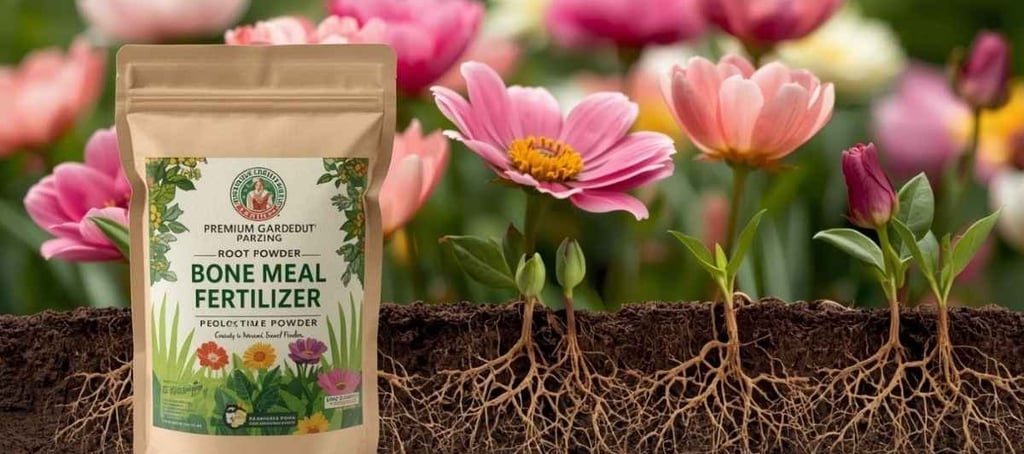
Bone meal fertilizer, being rich in phosphorus and calcium, serves as an excellent organic option for optimizing crop growth. Various crops benefit from the application of bone meal, making it essential for farmers and gardeners to identify the most suitable plants. Firstly, flowering plants are among the primary beneficiaries of bone meal fertilizer. The high phosphorus content promotes robust root development and enhances flower production. Plants such as peonies, daffodils, and tulips show significant improvement in bloom size and overall vitality when bone meal is incorporated into the soil.
In addition to flowers, numerous vegetables also thrive with the use of bone meal. Crops such as tomatoes, peppers, and squash exhibit enhanced growth and yield when bone meal is applied. For instance, tomatoes benefit from the added phosphorus, leading to greater fruit set and larger tomatoes. Similarly, peppers develop stronger plants and better fruit quality when grown in soil enriched with this organic fertilizer. Root vegetables, including carrots and beets, particularly respond to the elevation in soil phosphorus levels, resulting in healthier and larger produce.
The efficacy of bone meal fertilizer varies among different crops, as their individual nutrient requirements differ. Specific crops, such as beans and peas, tend to be less dependent on phosphorus, yet they still experience a positive impact on their overall health when bone meal is used occasionally. Ultimately, understanding the needs of various crops can help growers make informed decisions on bone meal application, leading to improved harvests.
Soil pH and Compatibility with Bone Meal
Understanding soil pH is pivotal when incorporating bone meal fertilizer into agricultural practices. Bone meal is primarily a source of phosphorus, an essential nutrient that promotes root development and flowering. The effectiveness of phosphorus depends significantly on the soil pH level, with certain ranges being more conducive to nutrient availability.
The ideal soil pH for most plants falls between 6.0 and 7.5. Within this range, phosphorus becomes readily available for plant uptake. In soils with a pH below 6.0 (acidic soils), phosphorus can bind with iron and aluminum, rendering it less accessible to plants. Conversely, in highly alkaline soils with a pH above 7.5, phosphorus can also precipitate with calcium, similarly limiting its availability. Consequently, managing soil pH is critical for ensuring the efficacy of bone meal as a fertilizer.
To assess the compatibility of bone meal with your soil, it is advisable to perform a soil test. This test will reveal the pH level, allowing you to determine whether amendments are necessary. If the soil pH is found to be outside the ideal range, adjustments can be made. For acidic soils, the addition of lime can help increase the pH, making phosphorus from bone meal more available. On the other hand, if the soil is too alkaline, sulfur or organic materials can be used to lower the pH.
Ultimately, achieving the appropriate soil pH is vital for maximizing the benefits of bone meal fertilizer. A balanced pH will enhance nutrient uptake, specifically phosphorus, enabling plants to thrive. To ensure optimum plant growth and productivity, regular monitoring and amendment of soil pH should be part of an effective fertilization strategy.
Determining the Right Application Rate for Bone Meal
When considering the application rate for bone meal fertilizer, it is essential to assess several factors that influence the effectiveness of this organic soil amendment. First and foremost, conducting a soil test is crucial. This test helps in understanding the existing nutrient levels in the soil, informing whether additional phosphorus and calcium are needed, both of which are abundant in bone meal.
The type of plants you are cultivating plays a significant role as well. Different plants have varying nutrient requirements; for instance, root vegetables and flowering plants often benefit greatly from higher phosphorus levels, making bone meal an ideal choice for their growth stages. Consequently, when planning to use bone meal, understanding your specific plant needs can help tailor the application rate.
Next, consider the growth stage of your plants. Early-stage seedlings may require a lower application rate to prevent fertilizer burn, whereas established plants can utilize higher rates. A typical guideline is to apply 1-2 tablespoons of bone meal per square foot for new plant beds or during planting, adjusting according to soil tests and plant requirements.
For existing gardens, spreading bone meal around the base of established plants—about 2 ounces per plant—is advisable. Additionally, incorporating the bone meal into the top few inches of soil before watering ensures better nutrient absorption. Remember to always follow the instructions provided on the specific product you are using, as formulations may vary.
Moreover, environmental conditions such as rainfall and soil temperature can influence nutrient availability and uptake, hence affecting your application strategy. In areas with heavy rains, nutrients can leach away, suggesting that application rates should be adjusted accordingly. With these considerations in mind, calculating the right application rate for bone meal fertilizer can significantly enhance plant growth and soil health, maximizing the benefits this fertilizer provides.
Organic Certification and Bone Meal Fertilizer
Bone meal fertilizer is derived from the ground bones of animals and serves as a significant source of nutrients, particularly phosphorus and calcium, that are essential for plant growth. However, in the realm of organic agriculture, the organic certification of bone meal products is a matter of considerable scrutiny. Organic certifying bodies have established specific criteria for materials that can be classified as organic, which directly impacts growers looking to utilize bone meal in their certified organic farming operations.
To be deemed organic, bone meal must originate from animals raised according to organic farming practices. This includes feed that is free from genetically modified organisms (GMOs) and synthetic additives, as well as adherence to animal welfare standards. Moreover, the processing of bone meal must avoid the use of synthetic chemicals and pesticides. As a result, not all bone meal products on the market can be considered organic; it is essential for consumers to look for certification labels that indicate compliance with organic standards.
Various organizations, such as the USDA in the United States and international certifying bodies, set specific guidelines for organic materials. These guidelines ensure that the bone meal fertilizer is produced in a manner consistent with organic agriculture principles. Growers must exercise due diligence when selecting bone meal fertilizers, often requiring them to source products from reputable suppliers who can provide the necessary documentation indicating organic certification.
For those engaged in organic farming, the use of bone meal fertilizer can greatly enhance soil fertility. However, understanding the certification status of such products is critical in order to ensure compliance with organic farming standards and to maintain the integrity of their organic crops.
Pros and Cons of Using Bone Meal Fertilizer
Bone meal fertilizer is a popular choice among gardeners and farmers looking to enhance their soil's nutrient profile. One of its notable advantages is its high phosphorus content, which is essential for promoting root development and flowering in plants. This organic fertilizer serves as an excellent source of nutrients, particularly for crops that demand extra support during their growth phases. Additionally, bone meal’s slow-release nature allows for gradual nutrient availability, resulting in sustained benefits over time.
Another benefit of bone meal fertilizer is its sustainability. Produced from the byproducts of the meat industry, it repurposes waste that could otherwise contribute to environmental issues. By using bone meal, gardeners can engage in recycling nutrients, which aligns with eco-friendly agricultural practices. The application of bone meal can also improve soil structure, enhancing its ability to retain water and nutrients, which is crucial for plant health.
However, there are drawbacks to consider when using bone meal fertilizer. One potential concern is its source; as a product derived from animal bones, its use may not align with the practices of vegan or vegetarian gardeners. Moreover, the handling and specificity of application must be carefully monitored to avoid over-fertilization, which can lead to nutrient imbalances in the soil.
Environmental concerns also arise, as bone meal can contribute to the leaching of nutrients into waterways, potentially leading to water quality issues. This runoff can elevate phosphorus levels in aquatic ecosystems, resulting in harmful algae blooms. For those considering alternatives, various plant-based phosphorus sources, such as rock phosphate or composted plant material, can serve as substitutes without the associated risks of animal-derived products.
Conclusion and Additional Resources
Bone meal fertilizer plays a crucial role in organic agriculture, providing essential nutrients that enhance soil quality and promote healthy plant growth. Throughout this guide, we have explored the various benefits of bone meal, including its rich nutrient profile, which is particularly high in phosphorus and calcium. These nutrients are vital for root development and overall plant vigor, making bone meal an effective option for gardeners seeking to improve their crop yields in an environmentally friendly manner.
Moreover, we discussed the various uses of bone meal in different gardening contexts, from vegetable gardening to flower beds. The application of bone meal not only enriches the soil but also aids in sustaining a balanced ecosystem that supports beneficial microorganisms. This characteristic makes it an excellent choice for those looking to maintain organic gardening practices while still achieving fruitful results.
For those interested in incorporating bone meal into their gardening or farming routines, there are numerous products available on the market. When selecting a bone meal fertilizer, consider factors such as the source of the bone meal, its processing method, and the presence of any additional nutrients. It is advisable to buy from reputable suppliers and to check for organic certification if you are committed to maintaining organic practices.
For additional information on how to effectively use bone meal fertilizer, we recommend checking out the following resources:
- Organic Fertilizers: A Comprehensive Guide
- Tools for Soil Amendment and Health
- Recommended Bone Meal Products
By utilizing bone meal as part of your fertilization strategy, you can significantly enhance the health of your plants and contribute positively to the wider efforts of sustainable agriculture. For more detailed guidance on gardening best practices and nutrients, refer to the resources above and explore how you can make bone meal a staple in your gardening toolkit.
Address:
264/5, Kamal Soroni Road, Mirpur, Dhaka-1216
Contact
Your Quaries on pest control askings
pestexterminatorbd@gmail.com
+8801642008383 +8801988300003, 01723057746
© 2025. All rights reserved. to Urban Pest Control Pvt. Ltd. this site is powered by Our Own IT Team