
Chikungunya Outbreak Trends 2026: Urban Mosquito Expansion & Prevention
2/20/20268 min read
Introduction to Chikungunya
Chikungunya is a viral disease predominantly transmitted to humans through the bites of infected mosquitoes, primarily the Aedes aegypti and Aedes albopictus species. The emergence of chikungunya has raised significant concerns within global health communities, particularly due to a notable increase in the frequency and scale of outbreaks observed in various regions, especially in tropical and subtropical climates. This upsurge is often correlated with rapid urbanization and the impacts of climate change, which have created more conducive environments for mosquito breeding and proliferation.
The chikungunya virus, characterized by its acute symptoms and potential for long-term complications, was first identified in Tanzania in the 1950s. Since then, the virus has spread to many parts of the world, making it a public health challenge that possesses both a social and economic burden. Symptoms frequently associated with chikungunya infection include high fever, severe joint pain, headache, muscle pain, and rash, resembling those of other vector-borne diseases such as dengue fever. However, chikungunya is distinct in its potential for causing prolonged arthritic pain, which can last for weeks or even months, resulting in significant disability for afflicted individuals.
In light of the increasing incidence of chikungunya, effective control and prevention strategies become paramount for minimizing its impacts on public health. Understanding the vectors and environmental conditions that promote the transmission of the virus is critical for developing targeted interventions. Stakeholders, including governments and health organizations, are increasingly focusing on integrated vector management and community-based approaches to reduce the risk of outbreaks. This article delves deeper into the impacts, symptoms, control measures, and preventive strategies associated with chikungunya to provide a comprehensive overview of this public health concern.
Chikungunya Outbreaks: Trends and Causes
Chikungunya, a viral disease transmitted primarily by mosquitoes of the Aedes genus, has seen a notable increase in its outbreaks across various regions of the world in recent years. Recent epidemiological studies indicate a marked rise in the frequency and intensity of chikungunya outbreaks, particularly in tropical and subtropical areas. Increasing urbanization, global travel, and demographic changes all contribute to this escalating trend.
Urbanization plays a pivotal role in the proliferation of chikungunya. As populations shift towards urban centers, the habitat for the Aedes mosquitoes expands, bringing them into closer contact with human populations. Poor urban planning and inadequate waste management can lead to standing water, which serves as prime breeding grounds for these mosquitoes. Consequently, densely populated cities are witnessing rapid chikungunya transmission cycles.
Deforestation significantly affects the natural habitats of mosquito vectors, further increasing the incidence of chikungunya. When forests are cleared for agriculture or urban development, the ecological balance is disrupted, causing mosquitoes to expand their ranges and invade new territories. This shift not only facilitates the spread of chikungunya but also heightens the risk of human exposure to the virus.
Climate change is another critical factor influencing the trends in chikungunya outbreaks. Rising temperatures and altered precipitation patterns create favorable conditions for mosquito breeding and survival. Warmer climates can expand the geographical range of Aedes mosquitoes, allowing them to inhabit regions previously unsuitable for their reproductive cycles. Such environmental changes often correlate with spikes in chikungunya cases, demonstrating a clear link between climate dynamics and transmission patterns.
In conclusion, the increasing frequency of chikungunya outbreaks can be attributed to a complex interplay of urbanization, deforestation, and climate change. Understanding these trends is vital for the development of effective control measures and prevention strategies to combat the disease and mitigate its impact on public health.
Symptoms of Chikungunya
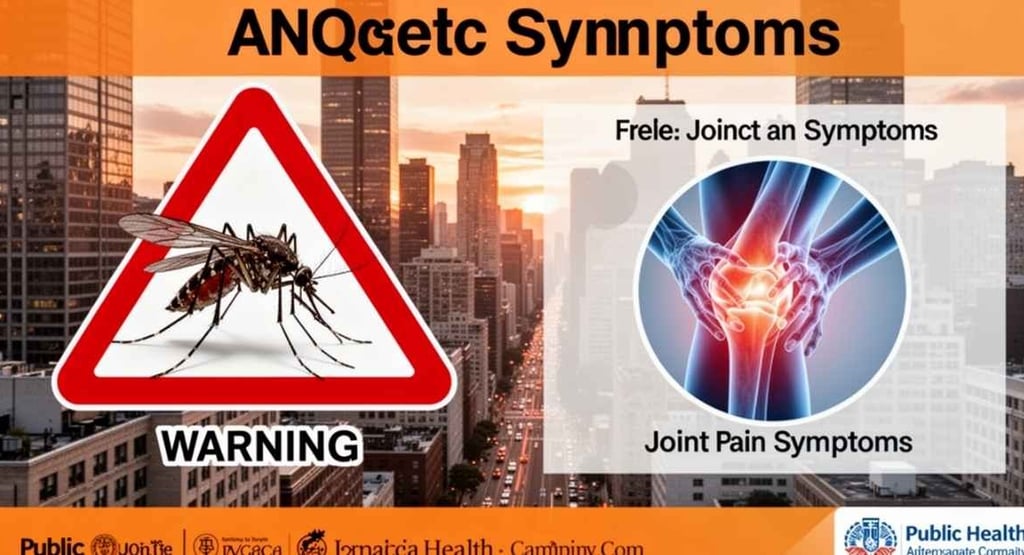
Chikungunya is a viral disease caused by the Chikungunya virus, primarily transmitted by Aedes mosquitoes. One of the hallmark symptoms of this condition is a sudden onset of fever, which is often accompanied by severe joint pain. The fever can spike to high levels, typically ranging between 102°F to 104°F (38.9°C to 40°C), and may last for several days. The intensity of the fever varies among individuals, with some experiencing mild fever while others endure a severe febrile response.
Joint pain associated with chikungunya is frequently debilitating and can affect multiple joints, including the hands, wrists, elbows, knees, and ankles. This acute joint pain usually manifests within a couple of days after the initial fever and can last for weeks to months, making it one of the most concerning symptoms for affected individuals. In certain cases, people might experience persistent pain even after the initial infection has resolved, which can lead to long-term disabilities or complications.
Alongside fever and joint pain, chikungunya presents other symptoms that may include headache, muscle pain, fatigue, and rash. These manifestations can vary significantly between individuals, with some experiencing mild symptoms while others face more severe health challenges. Additionally, older adults and individuals with pre-existing health conditions may exhibit more pronounced symptoms and longer recovery times.
Early recognition of chikungunya symptoms is crucial for effective management and to mitigate the spread of the virus. Awareness of the signs and duration of this illness fosters prompt medical consultation, ensuring patients receive the necessary support and care to manage their health effectively.
The Role of Urbanization in Chikungunya Transmission
Urbanization significantly influences the transmission dynamics of chikungunya by creating environments conducive to the proliferation of mosquito vectors, particularly Aedes aegypti and Aedes albopictus. Rapid population growth in urban areas often leads to increased human-mosquito interactions, resulting in heightened transmission rates. Urban expansion often displaces natural habitats, forcing mosquitoes to adapt to artificial environments such as stagnant water in construction sites, abandoned tires, and overcrowded drainage systems, transforming these sites into ideal breeding grounds.
The challenges posed by infrastructure inadequacies in urban settings exacerbate the risk of chikungunya outbreaks. Poor waste management, inadequate drainage, and ineffective water supply systems can create ideal breeding sites for mosquitoes. For instance, clogged drains or persistent water pooling due to construction projects can provide the stagnant water necessary for mosquito larvae to thrive. This is particularly critical in low-income urban areas, where residents may lack access to essential services and sanitation, increasing vulnerability to chikungunya infection.
Moreover, high population density in cities facilitates the rapid transmission of chikungunya. Close quarters enable mosquitoes to easily propagate and spread the virus. As people move about in urban centers, interactions with mosquito vectors become more frequent, contributing to the disease’s escalation during outbreaks. Public health infrastructures often struggle to keep pace with the demands of burgeoning urbanization, making it difficult to deploy effective vector control strategies in a timely manner.
To mitigate these risks, urban planning must integrate mosquito control strategies more effectively. The deployment of community awareness programs can educate residents on the importance of eliminating standing water and securing potential breeding sites around their homes. Moreover, integrating environmental considerations into urban design can help reduce the likelihood of future outbreaks by creating less hospitable environments for mosquito vectors.
Vector control programs are pivotal in the fight against mosquito-borne diseases, including chikungunya. These programs encompass a range of strategies designed to reduce mosquito populations and minimize the risk of outbreaks. Current strategies include insecticide spraying, habitat management, and public education campaigns, each playing a vital role in controlling the vectors that transmit chikungunya.
Insecticide spraying is one of the most prevalent methods used in vector control programs. This approach aims to eliminate adult mosquito populations quickly and is particularly effective during outbreaks. However, reliance on chemical insecticides poses challenges, notably the development of resistance. Many mosquito species adapt rapidly to insecticides, rendering once-effective sprays less useful over time. This resistance complicates control efforts and necessitates ongoing research to identify new insecticides or alternative control measures.
Habitat management is another critical component of vector control. By targeting the environments where mosquitoes breed, such as stagnant water sources, vector control programs can significantly decrease mosquito populations. Implementing measures like regular drainage of standing water, proper waste management, and promoting community clean-up initiatives can mitigate breeding sites. However, engaging local communities in these efforts is essential for long-term success, as individual participation significantly enhances environmental management impacts.
Public education campaigns play an equally vital role in vector control strategies. These initiatives aim to inform communities about the risks associated with chikungunya and the necessary preventive measures, such as using insect repellent, wearing protective clothing, and utilizing screens in homes. Despite the undeniable importance of these campaigns, challenges persist in reaching diverse populations and ensuring effective dissemination of information. Low awareness levels, cultural beliefs, and limited access to resources can hinder the effectiveness of these educational programs.
In conclusion, while current vector control programs, including insecticide spraying, habitat management, and public education, represent comprehensive strategies aimed at mitigating chikungunya outbreaks, they face significant challenges. Issues such as insecticide resistance and the need for sustained community engagement underscore the complexity of vector control efforts. Addressing these challenges will be integral to improving the overall effectiveness of programs designed to reduce mosquito populations and combat chikungunya.
Predictive Public Health Strategies
Chikungunya outbreaks pose significant public health challenges, prompting the need for innovative and proactive strategies to anticipate their occurrence. Implementing predictive public health strategies can aid in assessing risks and enhancing preventative measures. A pivotal component of these strategies involves the use of technology and data analytics to forecast potential outbreaks.
Leveraging geographical information systems (GIS) allows public health officials to map areas at higher risk of chikungunya transmission based on environmental factors, historical data, and climatic conditions. This advanced mapping enables targeted interventions and resource allocation, facilitating timely responses in vulnerable regions. Furthermore, incorporating machine learning algorithms can enhance the accuracy of outbreak predictions by analyzing vast datasets from previous reports, vector population density, and climate change impacts.
Community engagement is equally essential in strengthening public health responses. By fostering communication channels between health authorities and community members, individuals can be better informed about the risks associated with chikungunya and the measures to mitigate them. Public awareness campaigns can be strategically planned around predictive models to ensure that information is disseminated effectively, particularly before and during peak transmission seasons.
Health education initiatives can empower communities to adopt preventive practices, such as eliminating mosquito breeding sites and employing protective measures against bites, including the use of repellents and appropriate clothing. Engaging local leaders and organizations in these educational efforts can enhance outreach and foster a collaborative spirit in combating chikungunya.
Overall, the integration of technology, data-driven analysis, and community involvement creates a robust framework for predictive public health strategies. By anticipating the emergence of chikungunya outbreaks, these strategies contribute to minimizing their impacts, safeguarding public health, and promoting sustainable community practices.
Actionable Prevention Tips for Households
Protecting households from chikungunya is essential to mitigate the impacts of this viral infection. One of the most effective strategies involves eliminating mosquito breeding sites. Stagnant water serves as a prime environment for mosquitoes to reproduce. Therefore, it is vital to regularly inspect and remove standing water from containers, bird baths, gutters, and plant saucers. Additionally, covering water storage containers can prevent mosquito access.
Utilizing mosquito repellents is another important aspect of preventing chikungunya. Apply repellents containing DEET, picaridin, or oil of lemon eucalyptus on exposed skin, particularly during dawn and dusk when mosquitoes are most active. This will create a barrier against mosquito bites, significantly lowering the chance of chikungunya transmission. Furthermore, consider using insecticide-treated bed nets, especially if sleeping during the day in areas where mosquitoes thrive.
Community initiatives play a crucial role in chikungunya prevention. Engage with neighbors and local organizations to organize clean-up campaigns aimed at reducing mosquito breeding sites in communal areas. Awareness programs can also educate the public about chikungunya, including its symptoms and the significance of early medical consultation. Workshops focusing on proper waste disposal practices and mosquito-proofing homes can further strengthen community initiatives.
Lastly, it is important to monitor local health advisories regarding chikungunya outbreaks. Staying informed about current situations can aid in understanding the risk level in your area and help plan necessary preventive actions. By combining personal actions with community efforts, households can create a safer environment to reduce the likelihood of chikungunya transmission and ensure public health resilience.
Address:
264/5, Kamal Soroni Road, Mirpur, Dhaka-1216
Contact
Your Quaries on pest control askings
pestexterminatorbd@gmail.com
+8801642008383 +8801988300003, 01723057746
© 2025. All rights reserved. to Urban Pest Control Pvt. Ltd. this site is powered by Our Own IT Team