
Climate Change & Pest Explosion: Why Bangladesh Needs Year-Round Pest Control in 2026
2/22/20267 min read
Understanding Climate Change and Its Effects in Bangladesh
Climate change, defined as long-term shifts in temperatures and weather patterns, has a profound impact on various regions across the globe. In Bangladesh, which is exceptionally vulnerable due to its geographic and socioeconomic factors, the consequences of climate change are becoming increasingly evident. The country faces rising temperatures, increased rainfall, and more frequent flooding, all of which alter its natural ecosystem.
Rising temperatures in Bangladesh can lead to significant changes in pest populations and behaviors. Warmer conditions create ideal breeding environments for various insects, including mosquitoes. As these temperatures continue to climb, the life cycles of pests can accelerate, resulting in larger populations that are more resilient and adaptable. This phenomenon is increasingly observed in urban areas where the effects of heat islands intensify the situation.
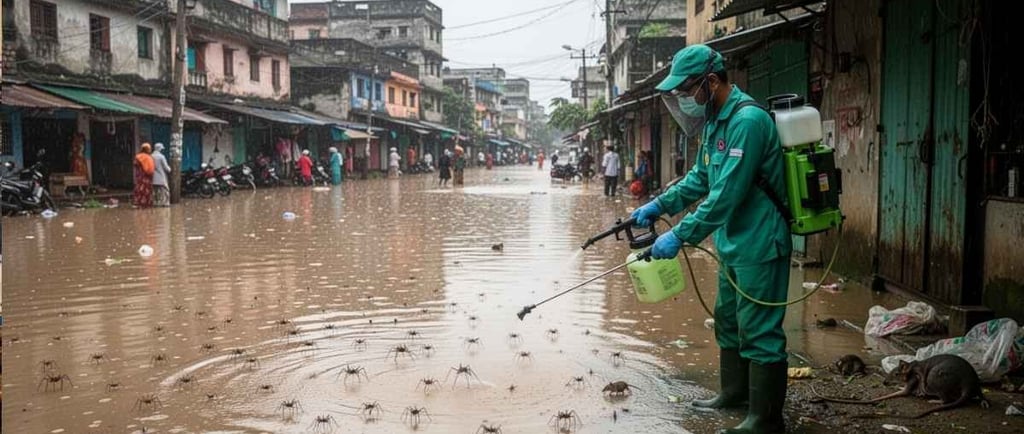
Increased rainfall and flooding, common consequences of climate change, further exacerbate the pest issue. Standing water, a result of heavy rains, becomes a breeding ground for mosquitoes, which can lead to heightened incidences of mosquito-borne diseases. Furthermore, flooding can disrupt established habitats, driving rodents and other pests closer to human settlements in search of food and shelter. The changing hydrology of the region thus not only supports the growth of pest populations but also facilitates their movement into urban environments.
The complex interplay between climate change and ecological dynamics highlights the urgent need for effective pest management strategies in Bangladesh. Understanding these changes is crucial for developing targeted approaches to mitigate the public health risks posed by emerging pest populations. As both temperature and precipitation patterns continue to evolve, stakeholders must adapt to the new realities of pest dynamics in the region.
The Link Between Rising Temperatures and Pest Populations
The correlation between rising temperatures and the proliferation of pest populations, particularly mosquitoes and rodents, has been well-documented. As global temperatures continue to climb due to climate change, one can observe a direct impact on the breeding conditions and survival rates of these pests. Warmer climates create optimal environments for breeding, as they enhance the conditions that pests require for reproduction and growth.
For instance, increased temperatures lead to accelerated metabolic rates in many pest species. In the case of mosquitoes, higher temperatures can shorten their developmental cycles, resulting in faster maturation and increased reproduction rates. Studies have shown that for every 1°C increase in temperature, certain mosquito species can experience a significant rise in their population density, effectively doubling within weeks. This rapid reproduction cycle is particularly concerning, as it fuels the spread of diseases transmitted by these insects.
Moreover, warmer weather extends the activity periods for pests. Mosquitoes, typically active during warmer months, benefit from extended seasons, leading to increased interactions with humans and livestock, which presents heightened risks for disease transmission. Rodents, too, find favorable conditions in warmer environments. Food sources often become more readily available, and shelters are less likely to freeze or be disrupted by colder temperatures.
Recent studies have quantified these effects, revealing that regions experiencing temperature rises of 2°C can expect a notable surge in certain pest populations, with implications for agriculture and public health alike. This evidence establishes a clear link between climate change, rising temperatures, and increased pest infestations, warranting further examination of its impacts on ecosystems and human health in Bangladesh.
Flooding and Its Impact on Pest Breeding
Climate change has notably intensified flooding events in Bangladesh, resulting in a significant influence on pest populations. Flooding creates an environment that is particularly conducive for the breeding of various pests, especially mosquitoes and rodents. When heavy rains lead to the accumulation of stagnant water, this standing water becomes a breeding ground for mosquito larvae. The presence of stagnant water allows these pests to proliferate rapidly, as mosquitoes can lay hundreds of eggs in a single liter of stagnant water, leading to increased populations in a short period.
Moreover, as flooding persists, it often forces rodents out of their natural habitats. These creatures seek refuge in areas where food and shelter are available, typically residential properties. The influx of rodents during flood conditions can heighten the risk of infestations, leading to the potential spread of disease and other health-related issues. Additionally, rodents are known to carry parasites and pathogens that can pose serious health risks to humans and livestock alike.
In the aftermath of flooding, many households experience challenges in eliminating stagnant water sources effectively, further exacerbating the issue. This situation not only encourages the proliferation of mosquito populations, heightening the risk of vector-borne diseases such as dengue and malaria, but it can also strain the already limited resources for pest control. Understanding the intersections of climate change, flooding, and pest breeding is crucial in implementing effective strategies to mitigate these risks and safeguard public health amidst the rising threat of climate-induced flooding.
Health Risks Associated with Climate-Driven Pests
The impact of climate change on pest populations poses significant health risks, particularly in tropical regions such as Bangladesh. With rising temperatures and altered rainfall patterns, the proliferation of various pests, especially mosquitoes and rodents, is becoming a major public health concern. One of the most immediate health risks associated with an increase in mosquito populations is the heightened incidence of mosquito-borne diseases such as dengue fever and malaria. These diseases thrive in warmer climates; thus, climate change is likely to expand the geographical range and duration of outbreaks.
Dengue fever, caused by the dengue virus transmitted by Aedes mosquitoes, has been on the rise in Bangladesh, leading to seasonal epidemics. The changing climate conditions not only facilitate the breeding of these mosquitoes but also affect their life cycle and spread. Similarly, malaria, historically prevalent in certain regions, is poised to re-emerge or intensify in response to the hosts and vectors adapting to warming temperatures.
Moreover, the rise in rodent populations due to climate fluctuations can lead to additional health risks. Rodents are known carriers of several pathogens and can contaminate food supplies, leading to foodborne illnesses. One particularly concerning disease associated with rodents is leptospirosis, which can be transmitted to humans through contact with contaminated water or soil. Increased rainfall and flooding, attributed to climate change, can create ideal conditions for leptospirosis outbreaks, especially in urban environments.
Therefore, the interconnectedness of climate change, pest proliferation, and human health necessitates urgent attention and responsive measures. Addressing these health risks requires an integrated approach that combines effective pest control and public health strategies to mitigate the impact of these climate-driven challenges.
Seasonal Pest Control Checklist for Homes in Bangladesh
Managing pest infestations in Bangladesh requires a proactive approach, especially given the varying climatic conditions experienced throughout the year. Homeowners can significantly reduce pest problems by implementing a seasonal checklist that addresses the unique challenges posed by local weather patterns.
Spring Checklist: As temperatures begin to rise, check for signs of common pests such as ants, cockroaches, and termites. Seal cracks and crevices in walls and foundations to prevent entry. Ensure that all food is stored in airtight containers. Regularly clean gutters to avoid water accumulation that can attract pests.
Summer Checklist: The heat and humidity of summer can lead to increased pest activity. Focus on outdoor areas by eliminating standing water and maintaining the garden. Trim back overgrown vegetation, as it can provide shelter for insects. Consider setting up traps for flying insects like mosquitoes to reduce their population.
Autumn Checklist: As the weather cools, pests like rodents may seek warmth indoors. Inspect your home for gaps around vents, pipes, and windows. Install screens and secure any openings to keep rodents at bay. Clear fallen leaves and debris from around the property, as they can harbor pests.
Winter Checklist: Pests may be more dormant during this season, but it is essential to remain vigilant. Regularly check for signs of mice or other pests inside the house and set traps if necessary. Ensure that the home is adequately insulated to deter pests from seeking refuge. Additionally, keep food stored securely to prevent attracting any indoor pests.
This seasonal pest control checklist serves as an effective framework for homeowners in Bangladesh to implement preventive measures against pest infestations. By being proactive and vigilant during each season, it is possible to mitigate the risks posed by various pests and maintain a clean and safe living environment.
Professional Pest Control Services vs. DIY Prevention
In addressing pest infestations in Bangladesh, particularly in urban centers like Dhaka, homeowners often face a decision between hiring professional pest control services or opting for do-it-yourself (DIY) prevention methods. Each approach has its own set of advantages and disadvantages that merit careful consideration.
Professional pest control services, available through some of the best pest control companies in Bangladesh, typically provide a comprehensive solution to pest problems. These companies employ trained technicians who possess the expertise and knowledge of various pests’ behavior, habits, and the most effective extermination techniques. Their services often include thorough inspections, customized treatment plans, and follow-up visits to ensure that infestations are eradicated and do not return. However, the reliance on professionals implies a higher financial investment, which may not be feasible for everyone.
On the other hand, DIY pest prevention methods can appeal to those looking to minimize costs. Homeowners may resort to solutions such as insect repellents, traps, or natural remedies. While these methods may provide temporary relief, their effectiveness can be limited, especially for widespread or severe infestations. Moreover, individuals undertaking DIY approaches may lack the knowledge of pest life cycles, potentially leading to incomplete eradication and the persistence of pests.
Cost is a significant factor when comparing these two options. While professional services incur an upfront cost, they may ultimately prove to be more economical if considering the long-term benefits of effective pest control. Conversely, although DIY methods can be lower in initial expenditure, the potential for repeated infestations may lead to recurring expenses.
Ultimately, the choice between professional pest control services and DIY methods hinges on the specific circumstances faced by residents in Bangladesh. Factors such as the severity of the infestation, budget, and the level of expertise available must be carefully weighed to determine the most effective approach to managing pest problems.
Conclusion and Call to Action
Through the comprehensive analysis of the influence of climate change on pest infestations in Bangladesh, we have identified several critical factors that exacerbate the prevalence and severity of these pests. Changes in temperature, increased rainfall, and shifting agricultural practices have created environments conducive to pest population growth. This escalation poses significant challenges to agriculture, public health, and household safety.
Notably, the rise in temperature extends the reproductive cycles of various pest species, leading to increased infestations that can quickly escalate if left unmanaged. Additionally, erratic weather patterns can disrupt traditional pest control methods, necessitating a reassessment of our strategies to combat these uninvited guests. It is evident that climate change does not merely influence environmental conditions; it intricately intertwines with pest dynamics, requiring a proactive response.
In light of these findings, it is crucial for individuals and communities in Bangladesh to adopt proactive pest management strategies. Homeowners should regularly assess their surroundings for potential pest harborage conditions, such as standing water or overgrown vegetation, which facilitate pest breeding. Furthermore, seeking the expertise of professional pest control services can make a significant difference in preventing pest infestations before they escalate.
As we navigate the complexities brought about by climate change, let us prioritize our health and well-being by implementing effective pest management practices. Whether through personal vigilance or professional assistance, taking action is essential to mitigate the impact of pests in our homes and communities. Together, we can forge a resilient stance against the intersection of pest infestations and climate change.
Address:
264/5, Kamal Soroni Road, Mirpur, Dhaka-1216
Contact
Your Quaries on pest control askings
pestexterminatorbd@gmail.com
+8801642008383 +8801988300003, 01723057746
© 2025. All rights reserved. to Urban Pest Control Pvt. Ltd. this site is powered by Our Own IT Team