
Climate-Driven Pests: The Hidden Threat Growing Inside Our Homes
2/1/20268 min read
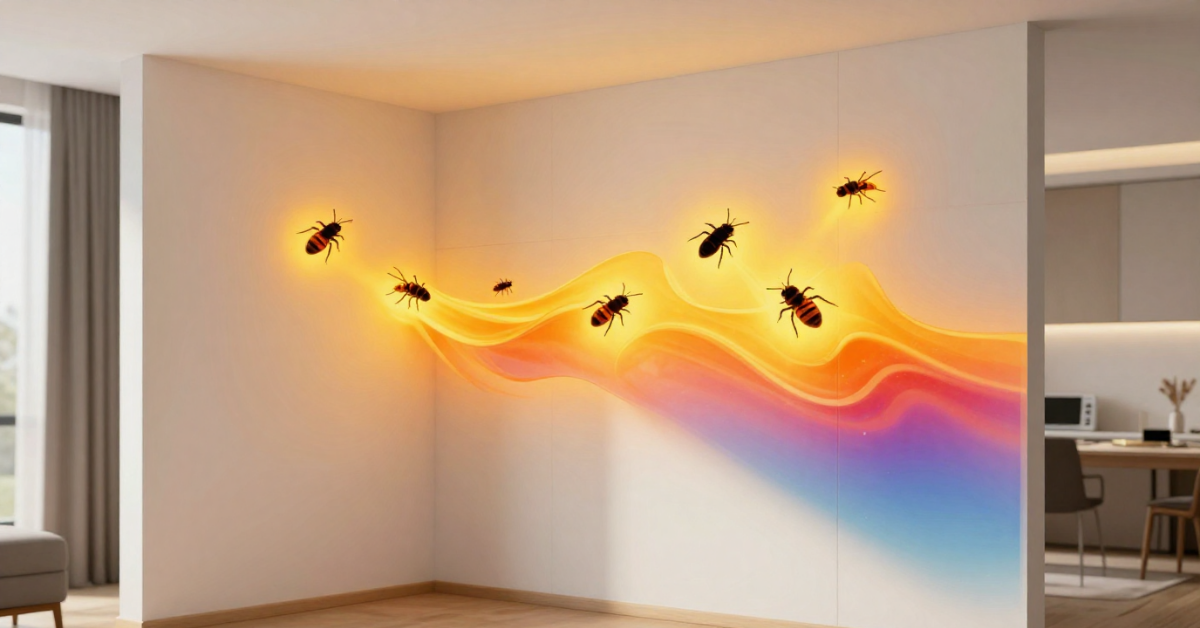
Introduction to Climate-Driven Pests
Climate-driven pests are increasingly becoming a significant concern for homeowners as the effects of climate change continue to unfold. These pests, which include a variety of insects and rodents, thrive in conditions that have been altered by changing weather patterns, making them a hidden threat within our living spaces. Warmer temperatures, increased humidity, and shifting precipitation patterns are just a few of the climate factors that encourage the proliferation of these unwanted guests.
The influence of climate change on pest behavior is not merely a phenomenon of nature; it is a reflection of how our ecosystems are responding to human-induced changes. For instance, certain insects that were once confined to warmer regions are now expanding their territories into new areas, potentially leading to infestations in homes and buildings where they were previously absent. This shift can disrupt local ecosystems, as established species may struggle to compete against these newly arrived pests.
Moreover, the interaction between climate change and pest populations poses risks to human health and safety. Certain pests are carriers of diseases that can be transmitted to humans, heightening the urgency to address infestations promptly. For example, mosquitoes are known vectors for diseases such as West Nile virus and Zika virus, and their expanded habitats due to warmer weather may increase the likelihood of disease transmission. Similarly, rodents, which can invade homes seeking warmth and food, may introduce pathogens that compromise indoor health.
Understanding climate-driven pests is essential not only for maintaining comfort in our homes but also for safeguarding our health and well-being. As we continue to acknowledge the pervasive impacts of climate change, recognizing its influence on pest dynamics will be crucial for effectively managing and mitigating these threats in our everyday lives.
The Science Behind Pest Population Growth
The interconnectedness of climate change and pest population dynamics is a subject of growing research and concern. Recent studies have shown that rising temperatures, as a consequence of climate change, create favorable conditions for many pest species, particularly termites, cockroaches, and bed bugs. A significant increase in global temperatures can accelerate the life cycles of these pests, leading to higher population densities.
For instance, research published in scientific journals highlights that warmer weather can shorten the developmental times of pests, allowing them to reproduce more rapidly. A study found that temperature increases of just 1-2 degrees Celsius resulted in a noticeable uptick in bed bug populations in urban areas. Similarly, research on termites indicates that a rise in humidity combined with elevated temperatures can result in prolonged activity periods, enabling these pests to thrive even in regions previously unsuitable for them.
Moreover, shifting weather patterns due to climate change are impacting pest behavior and distribution. Areas that were once considered pest-free are now grappling with infestations, as pests are expanding their habitats in search of resources. For example, a report by the National Pest Management Association indicates that climate-driven changes, like increased rainfall or prolonged summer seasons, have led to more frequent pest sightings across various states. This is evident in the rise of cockroach populations in areas that were previously too cold for their survival.
Understanding these scientific findings is crucial for effective pest management strategies. With climate change continuing to alter our environment, pest control methods must adapt to the ongoing challenges posed by climate-driven pest population growth. Monitoring pest trends in relation to climate factors can improve our response strategies and facilitate proactive measures to combat infestations.
Common Climate-Driven Pests in Our Homes
As temperatures rise due to climate change, certain pests find favorable conditions for survival and reproduction. Among these, mosquitoes, cockroaches, bed bugs, and termites are increasingly prevalent in domestic environments. Understanding their habits and the damage they can cause is essential for homeowners seeking to mitigate their impact.
Mosquitoes thrive in warmer climates, particularly in areas that offer stagnant water for breeding. These insects are not only a nuisance but also pose health risks, as they can transmit diseases such as West Nile virus and Zika virus. Their lifecycle involves stages from egg to larva and then to adult, with warmer temperatures accelerating their development, resulting in more frequent infestations in human habitats.
Cockroaches are another common pest that flourishes in indoor environments. Preferring warm, damp places, they are often found in kitchens and bathrooms. Cockroaches can contaminate food and surfaces with pathogens, leading to health issues. Their resilience is notable; they can survive with minimal food and reproduce rapidly, giving rise to sizable populations indoors.
Bed bugs have become a significant concern in recent years due to their ability to hitch rides on travelers’ belongings. Warmer climates facilitate their reproduction, leading to infestations that are difficult to control. Bed bugs feed on human blood and can cause discomfort through their bites, along with psychological distress related to sleeplessness.
Finally, termites pose a severe threat to the structural integrity of homes. They feed on wood and other cellulose materials, and their activity can go unnoticed until significant damage occurs. With increased humidity and warmer temperatures, termite colonies can expand, and their potential for destruction grows exponentially.
In summary, the prevalence of these climate-driven pests in our homes is an emerging challenge. By understanding their life cycles and behavior, homeowners can better prepare and protect their living spaces from these unwelcome invaders.
Health Risks Associated with Climate-Driven Pests
The rise in temperatures and shifting weather patterns due to climate change have created favorable conditions for various pests to thrive, particularly those that pose health risks to humans. Among the most concerning of these are insects, such as mosquitoes and ticks, which are known vectors for diseases. The increasing infestation rates have raised alarms regarding public health, as these pests contribute to the spread of illnesses such as West Nile virus, Zika virus, and Lyme disease.
Moreover, the presence of these pests has been linked to heightened allergies and asthma symptoms. Pests such as dust mites, cockroaches, and bedbugs are often found in residential spaces, and their droppings, saliva, and shed skins can trigger allergic reactions. For individuals with preexisting respiratory conditions, such as asthma, the exacerbation of symptoms due to pest exposure can significantly impair quality of life and lead to increased healthcare costs.
The health implications extend beyond specific diseases and allergic reactions. The psychological effects of dealing with pest infestations, including anxiety and stress, cannot be overlooked. Homeowners and renters alike may experience elevated levels of anxiety when faced with invasive species, impacting their mental well-being. As environmental changes promote more favorable conditions for these pests, the need for effective pest control measures becomes paramount, not just for comfort but as a public health imperative.
Furthermore, the link between climate change and the mobility of these pests is becoming more evident. Regions that were once inhospitable to certain species are experiencing invasions, posing new health challenges to unsuspecting populations. Mitigating these risks requires a multifaceted approach that includes public awareness, environmental management, and healthcare readiness to address arising health concerns related to climate-driven pests.
Preventive Measures and Pest Control Solutions
Climate-driven pests, which thrive under specific weather conditions exacerbated by climate change, can cause significant damage to homes. To mitigate these risks, it is essential to adopt preventive measures and pest control solutions that are both effective and environmentally friendly.
One of the most important steps in prevention is maintaining proper home upkeep. Regularly inspecting and sealing cracks, gaps, and entry points in walls, windows, and doors can significantly hinder the entry of pests. Additionally, keeping gutters clean and directing water away from the foundation helps reduce dampness, which attracts pests.
Indoor maintenance is equally crucial. Vacuuming frequently and storing food securely are essential practices to minimize the attraction of uninvited guests. Using airtight containers for food storage and disposing of trash promptly can significantly lessen the chances of pest infestations. Moreover, keeping the home dry and well-ventilated can limit the opportunities for pests to thrive.
When it comes to pest control solutions, homeowners can explore numerous sustainable methods. Natural repellents, such as diatomaceous earth or neem oil, can effectively deter pests without harmful chemicals. Additionally, introducing natural predators, like ladybugs or nematodes, can help manage pest populations organically. Regular monitoring using traps or pheromone lures can assist in early detection, allowing for prompt action.
However, there are times when professional intervention is required. If there is a significant infestation or if the methods employed are ineffective, consulting a pest control service with expertise in eco-friendly practices can provide a comprehensive solution. Trained professionals can assess the situation and implement strategies that ensure long-term pest management.
By focusing on these preventive measures and integrating sustainable pest control solutions, homeowners can effectively protect their homes from climate-driven pests while also being mindful of the environment.
The Role of Homeowners in Mitigating Climate Change
Homeowners play a pivotal role in combating climate change, which indirectly aids in reducing pest populations that thrive in warmer temperatures. By adopting sustainable practices, individuals can significantly decrease their carbon footprint and contribute to a healthier environment. One of the first steps homeowners can take is to reduce energy consumption. Simple actions such as using energy-efficient appliances, sealing windows and doors to prevent drafts, and utilizing smart thermostats can lead to lower energy demand and reduced greenhouse gas emissions.
Moreover, homeowners can invest in renewable energy sources, such as solar panels, which provide clean energy and decrease reliance on fossil fuels. By transitioning to renewable energy, homeowners not only lower their energy costs but also contribute to a decrease in carbon emissions that exacerbate climate change.
Another significant action is improving water efficiency in households. By adopting water-saving fixtures, fixing leaks, and practicing mindful water usage, homeowners can help to preserve water resources and reduce the energy required for water heating and treatment. This not only helps mitigate climate change but also curbs the chances for pests that favor damp environments.
Community efforts are equally vital in the fight against climate change. Homeowners are encouraged to engage with local environmental groups or initiatives focused on sustainability. Community clean-up events, tree planting, and educational workshops can enhance awareness about climate issues and promote collective actions.
By taking these individual and community-level actions, homeowners can significantly contribute to the mitigation of climate change, subsequently reducing conditions favorable for pest infestations that thrive under changing climates. Each effort, no matter how small, accumulates to make a meaningful impact on the environment and pest populations alike.
Conclusion and Call to Action
As we have explored in this blog post, the relationship between climate change and the rise of pests within our homes is both complex and critical. Shifting weather patterns and increasing temperatures have created an environment conducive to the proliferation of various pest species. This phenomenon not only affects our comfort and health but also poses significant threats to our property and food security. The impact of climate-driven pests cannot be underestimated, as they are well-adapted to new conditions, making them harder to control and mitigate.
It is essential for homeowners and communities to recognize the potential risks associated with these emerging pests. Increased awareness and education on this issue will enable us to take proactive steps in protecting our living spaces. Enhancing pest control methods, such as improving sanitation, sealing entry points, and employing integrated pest management techniques, are vital practices that can help deter infestations. Moreover, collaboration with pest control professionals can provide tailored solutions that address specific pest-related issues.
Furthermore, community involvement in local environmental and advocacy programs can play a significant role in addressing the effects of climate change on pest populations. By participating in initiatives that promote sustainable practices, we can collectively work towards reducing the factors contributing to the habitat expansion of pests. Spreading awareness about the effects of climate change on pests is crucial; each conversation can inspire others to join in the effort.
Ultimately, as we face the growing challenges brought forth by climate-driven pests, it is imperative that we take informed action. By being vigilant and proactive, we can contribute to a healthier living environment and help mitigate the hidden threats posed by these unwanted guests.
Address:
264/5, Kamal Soroni Road, Mirpur, Dhaka-1216
Contact
Your Quaries on pest control askings
pestexterminatorbd@gmail.com
+8801642008383 +8801988300003, 01723057746
© 2025. All rights reserved. to Urban Pest Control Pvt. Ltd. this site is powered by Our Own IT Team