
Cockroach Infestation & Food Safety: Public Health Warning for Bangladesh Restaurants
2/22/20267 min read
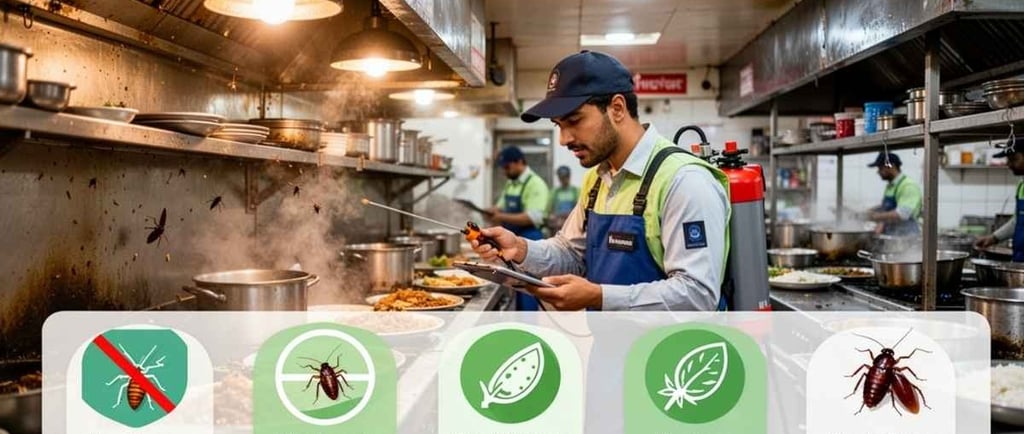
Understanding the Cockroach Problem
Cockroaches are one of the most prevalent pests in urban areas of Bangladesh, particularly within the vibrant and bustling restaurant industry. Their adaptability to various environments, coupled with their ability to reproduce rapidly, makes them a persistent concern for food safety in such establishments. These insects thrive in warm, humid conditions typically found in kitchens, storage areas, and even dining venues, leading to widespread infestations in numerous food-related businesses.
The presence of cockroaches in restaurants poses significant health risks. They are known carriers of various pathogens, including bacteria and viruses, which can contaminate food products and surfaces. For instance, cockroaches have been linked to the transmission of diseases such as salmonellosis, gastroenteritis, and allergies among customers. The risk is particularly high in restaurants where food hygiene standards may not meet regulatory requirements, making it crucial for food service providers to implement effective pest control measures.
In addition to the direct health hazards they pose, cockroaches can also lead to reputational damage for businesses. Consumers are becoming increasingly aware of food safety issues, and the sight of a cockroach can deter patrons from dining in an establishment. Furthermore, local health authorities may impose penalties or closures on restaurants that fail to maintain sanitary conditions. Therefore, understanding the cockroach problem in Bangladesh's restaurants is vital for maintaining food safety standards and safeguarding public health.
Effective cockroach control not only protects customers but also enhances the operational integrity of food establishments. Through appropriate pest management strategies, restaurant owners can mitigate the risks associated with these resilient pests and ensure a safe dining experience for all patrons.
Diseases Spread by Cockroaches
Cockroaches are not merely a nuisance in residential or commercial settings; they pose a serious public health risk due to their ability to transmit various diseases. Among the most concerning pathogens that they can carry are Salmonella, E. coli, and various forms of gastroenteritis. These microorganisms are known to contaminate food and surfaces, creating a potential health hazard for consumers.
Salmonella is a particularly dangerous bacterium often associated with foodborne illness. When ingested, it can lead to severe gastrointestinal distress, including symptoms such as diarrhea, fever, and abdominal cramps. The presence of cockroaches in food preparation areas can therefore significantly increase the risk of Salmonella outbreaks, especially in settings like restaurants where food is handled frequently.
Similarly, E. coli is a pathogen that can exist in the gastrointestinal tract of humans and animals, and certain strains can be harmful when ingested. Cockroaches can transfer these bacteria from unsanitary environments into food preparation areas, leading to cross-contamination that can adversely affect patrons. The consequences of an E. coli infection can range from mild diarrhea to life-threatening complications, particularly for vulnerable populations such as children and the elderly.
Moreover, cockroaches are known to produce allergens which can exacerbate asthma and other respiratory issues. In a restaurant setting, this can impact not only the patrons but also the staff, potentially leading to increased absenteeism due to health-related issues. Failure to manage cockroach infestations effectively can result in severe consequences for restaurant owners, including reputation damage and legal liabilities, thereby underscoring the importance of rigorous pest control measures.
Food safety compliance in Bangladesh is governed by a series of regulations aimed at ensuring that food served in restaurants is safe for consumption. The Food Safety Act of 2013 establishes the framework for food safety, encompassing various aspects, including hygiene, food quality, and pest control. Pest control is a critical component of these regulations, as the presence of pests such as cockroaches can severely compromise food safety. According to the act, restaurant owners are required to implement effective pest management strategies to protect food items from contamination.
Regular pest control measures must be part of a restaurant's operational plan to comply with the food safety laws. This includes routine inspections, timely extermination processes, and maintaining an environment that minimizes the risk of pest infestations. Restaurants must also keep detailed records of pest control activities as part of their compliance documentation. Failure to adhere to these regulations can result in significant penalties, including fines, license suspension, or even closure of the establishment, all of which can affect the restaurant's reputation and financial stability.
Moreover, maintaining compliance with food safety regulations is essential for protecting customers' health. Cockroach infestations can lead to the spread of harmful bacteria, potentially causing foodborne illnesses among patrons. By following the prescribed pest control protocols, restaurant owners can not only avoid legal repercussions but also enhance their customers' confidence in the establishment. Ultimately, the adherence to food safety compliance regarding pest control is not merely a legal obligation but a moral responsibility to ensure the well-being of the community in Bangladesh.
Monthly Pest Control Contracts for Restaurants
In the competitive landscape of the restaurant industry in Bangladesh, the assurance of food safety is paramount. One effective strategy to achieve this is through the implementation of monthly pest control contracts. These contracts provide a systematic approach to managing pests, particularly cockroaches, which pose significant health risks to diners and staff alike.
Regular professional pest control services offer numerous benefits that extend beyond mere compliance with health regulations. Firstly, by opting for monthly contracts, restaurants ensure that their premises are routinely monitored for signs of infestation. Timely interventions help to prevent the establishment of large pest populations, which can be both costly to mitigate and damaging to a restaurant’s reputation.
Moreover, these contracts typically include comprehensive pest management strategies tailored to the specific needs of each restaurant. This may encompass thorough inspections, targeted treatments, and ongoing education for employees about maintaining a pest-free environment. Through such education, staff can be more aware of potential pest entry points and food handling practices that minimize the risk of infestations.
Additionally, consistent pest control services foster a safe dining atmosphere and provide peace of mind to both restaurant owners and patrons. Knowing that professional pest management is in place allows restaurant operators to focus on other critical operational aspects, like enhancing culinary offerings and improving customer service.
Furthermore, establishing a long-term relationship with a reputable pest control service can lead to more efficient and effective pest management solutions over time. As the service provider becomes familiar with the restaurant's layout and specific challenges, they can adapt their strategies accordingly. This proactive approach not only curtails cockroach populations but also ensures compliance with health regulations, thereby safeguarding food safety and enhancing the overall dining experience.
Safe Gel Bait and Non-Toxic Treatment Methods
In the quest for effective cockroach control within restaurants, particularly in Bangladesh, the choice of pest control methods plays a crucial role. As health regulations become increasingly stringent, restaurant owners are prioritizing safe and non-toxic treatments that preserve both food safety and customer health. Among these, gel bait formulations stand out as both effective and relatively safe to use in food establishments.
Gel baits are designed to attract cockroaches while containing ingredients that are lethal to them. One of the primary benefits of using gel bait is its targeted application; it minimizes exposure to non-target organisms and reduces the risk of contamination. These baits are usually placed in areas of high activity but away from food preparation zones, ensuring that they do not interfere with food safety protocols.
Additionally, various non-toxic treatment methods are gaining popularity, which include essential oils and diatomaceous earth. These natural alternatives effectively disrupt the lifecycle of cockroaches without putting staff and patrons at risk. Essential oils, such as peppermint and tea tree oil, have shown promising results in repelling cockroaches, while diatomaceous earth works by dehydrating these pests upon contact. Both methods emphasize the importance of preserving the integrity of food establishments through non-polluting practices.
The effectiveness of safe gel baits and non-toxic treatments depends on proper implementation and regular monitoring. By integrating these pest control methods, restaurants can maintain a hygienic environment while adhering to health regulations. Furthermore, continuous education about the safe application of these products is essential to empower restaurant staff to take proactive measures against pest infestations. This approach not only protects food safety but also enhances the overall dining experience for customers.
Importance of Professional Pest Control
In the highly competitive restaurant industry, maintaining a strong brand reputation is essential for sustained business success. One of the critical factors that can enhance or damage this reputation is food safety. When restaurants fail to control pests such as cockroaches, they risk not only their customers’ health but also their credibility. Professional pest control services play a pivotal role in safeguarding this reputation by ensuring a pest-free environment.
Enlisting the help of professional pest control experts ensures that comprehensive strategies are deployed to effectively manage and eliminate pest populations. These experts possess specialized knowledge of pest behavior and the latest treatment methods, which can significantly reduce the likelihood of infestations. By proactively addressing pest issues, restaurants demonstrate a commitment to health, safety, and quality, which resonates with customers and builds their trust.
Moreover, a pest-free establishment fosters positive customer experiences. When patrons feel safe in their dining environment, they are more likely to return and recommend the restaurant to others. Word-of-mouth marketing, driven by satisfied customers, can lead to increased foot traffic and sales. In contrast, a single pest sighting can result in negative reviews and loss of business, proving detrimental to a restaurant's success.
Long-term, the investment in professional pest control pays dividends. Consistently maintaining a pest-free space protects the establishment’s health certification, an essential aspect of operating within the food industry in Bangladesh. Additionally, it reduces potential legal liabilities associated with foodborne illnesses, further safeguarding the brand’s reputation. By prioritizing professional pest control, restaurants not only protect their customers but also create a foundation for long-term business growth and success.
Choosing the Right Pest Control Service in Bangladesh
When it comes to ensuring food safety in Bangladesh's restaurants, selecting the appropriate cockroach control service is crucial. Given the prevalent health hazards associated with pest infestations, restaurants must prioritize effective pest management. Several factors should be considered to make an informed decision.
Firstly, the experience of the pest control company plays a significant role. Ideally, one should choose a service with several years of experience in dealing specifically with cockroach infestations. An established company is likely to have a proven track record and understanding of effective methods tailored to the local environment. In Bangladesh, where certain cockroach species may be prevalent, targeted experience can lead to better results.
Certifications and licenses are another essential consideration. A reputable pest control service should have the necessary permits from health and environmental authorities. These certifications often indicate that the company adheres to the industry standards for safety and efficacy, which can alleviate concerns regarding the use of pesticides in food establishments.
Customer reviews provide valuable insight into the reliability and professionalism of a pest control service. Prospective clients should investigate online reviews and testimonials from other restaurant owners who have utilized the service. Positive feedback is indicative of satisfactory performance, while recurring complaints may be red flags. Engaging with local restaurant associations may also yield recommendations for trustworthy providers.
Lastly, consider the service options available. A comprehensive cockroach control plan should include initial assessments, treatment options, ongoing monitoring, and preventive measures. The pest control service should customize its approach to meet the unique needs of each restaurant, factoring in the local climate and specific operational challenges.
In conclusion, by carefully evaluating experience, certifications, customer feedback, and service offerings, restaurant owners in Bangladesh can select the right pest control service to effectively manage cockroach infestations and secure food safety.
Address:
264/5, Kamal Soroni Road, Mirpur, Dhaka-1216
Contact
Your Quaries on pest control askings
pestexterminatorbd@gmail.com
+8801642008383 +8801988300003, 01723057746
© 2025. All rights reserved. to Urban Pest Control Pvt. Ltd. this site is powered by Our Own IT Team