
Commercial Pest Control Inspection Checklist for Restaurants, Warehouses & Hospitals
2/25/20267 min read
Introduction to Commercial Pest Control Standards
Pest control plays a pivotal role in maintaining the functionality and safety of commercial environments. The presence of pests can lead not only to property damage but also pose serious health risks to employees and customers alike. Consequently, it is imperative for business owners to implement effective pest management strategies that comply with established inspection standards. These standards serve as a crucial framework for ensuring a safe and hygienic workplace.
Adhering to commercial pest control inspection standards is essential for several reasons. First and foremost, they help ensure compliance with local, state, and federal regulations regarding health and safety. Regulatory bodies often mandate that businesses demonstrate effective pest management practices, making regular inspections and compliance checks a fundamental component of operational integrity. Failure to comply can result in fines or even business closure.
Moreover, maintaining pest control standards contributes to the overall safety of the workplace. A pest-infested environment can lead to contamination of products, which is particularly critical in sectors such as food services and healthcare. Regular inspections ensure that any potential infestations are identified and addressed promptly, thereby mitigating risks associated with pests.
From an operational perspective, adherence to pest control standards can enhance a business's reputation. Customers are more likely to trust and frequent establishments that exhibit clean and pest-free environments. Furthermore, proactive pest management reduces the likelihood of extensive damage and the associated costs that arise from major infestations.
In conclusion, the significance of adhering to commercial pest control inspection standards cannot be overstated. It is a vital aspect of maintaining compliance, ensuring safety, and preserving the operational integrity of any business. This introductory section sets the foundation for exploring the specific inspection forms and processes critical to effective pest management moving forward.
Key Components of Pest Control Compliance
Pest control compliance within commercial settings is governed by specific regulations and guidelines, primarily established by health and safety authorities. These regulations ensure not only the safety of the products and services offered by a business but also help protect public health and the environment. One of the most critical components of pest control compliance is the adherence to industry standards as outlined by organizations such as the Environmental Protection Agency (EPA) and local health departments. These entities provide detailed requirements for pest management practices that must be followed by businesses in various sectors.
One of the essential aspects of compliance is the implementation of Integrated Pest Management (IPM) strategies. IPM is an effective approach that combines preventive measures, monitoring, and control methods to manage pest populations responsibly. Businesses must regularly assess their pest control strategies and align them with IPM principles to meet compliance standards. This includes conducting routine inspections, maintaining proper sanitation practices, and collaborating with licensed pest control professionals to ensure effective treatment options are employed.
Non-compliance with pest control regulations can have significant repercussions for businesses. For instance, organizations found in violation of pest management guidelines may face food safety violations, resulting in hefty fines or even temporary closure. Beyond financial penalties, non-compliance can severely damage a company's reputation, leading to loss of customer trust, decreased business opportunities, and potential legal liabilities. It is paramount for business owners to stay informed about current regulations, ensuring that they understand their responsibilities regarding pest control compliance.
The Pest Control Inspection Process Explained
Conducting pest control inspections in a commercial environment is a crucial component of maintaining a safe and hygienic space. This process typically involves several steps that business owners should be familiar with to ensure compliance with health and safety regulations.
Initially, a pest control inspection is usually scheduled based on the nature of the business, with recommendations suggesting quarterly inspections for most commercial establishments. However, industries such as food services may require more frequent checks to mitigate the risk of pest infestations. It is vital to adhere to these guidelines to not only comply with regulations but also preserve the integrity of the business.
The inspections are generally conducted by licensed pest control professionals who possess the expertise necessary for thorough evaluations. These professionals will arrive equipped with specialized tools and a checklist designed to assess various risk factors associated with pests. The inspection process typically begins with an initial walk-through of the premises, where areas most vulnerable to pest activity, such as kitchens, storage areas, and waste disposal sites, are scrutinized.
During the inspection, specific indicators of pest activity are looked for, including droppings, nesting materials, or structural damage. Following this, the inspector will perform an assessment of the environment to identify potential attractants. Factors such as food storage practices, waste management systems, and building maintenance are all considered in this evaluation.
After the thorough inspection, a detailed report is generated outlining the findings and recommended corrective actions. This report serves not only as documentation for compliance audits but also as a guide for business owners to implement the necessary pest management strategies effectively. Keeping detailed records of inspections can enhance a business’s credibility and readiness for future evaluations.
Essential Inspection Forms Used in Pest Control
In commercial pest control, the use of structured inspection forms is critical to ensure compliance with industry standards and regulations. These forms serve as a systematic approach for documenting pest inspections, treatments, and follow-up actions. Various inspection forms are employed in the field, each tailored to specific aspects of pest management and compliance requirements.
The initial inspection form is a foundational document that outlines the scope of the pest control service being provided. This form typically includes the property details, the types of pests observed, and any signs of infestations, which are vital for pest identification. Completing this form accurately enables pest control professionals to devise a comprehensive treatment plan, ensuring that all potential issues are addressed.
Another important document is the treatment record form, which captures all actions taken during a pest control treatment. This includes the methods and products used, along with the date of application and the exact locations targeted. Maintaining accurate treatment records not only helps in assessing the effectiveness of the pest control measures but is also critical for compliance with regulatory entities.
Furthermore, follow-up inspection forms are essential for documenting subsequent visits to the site. These forms allow pest control technicians to track the effectiveness of previously applied treatments and make necessary adjustments. Keeping a detailed record of follow-ups is crucial for business owners to demonstrate adherence to compliance standards during audits.
Overall, accurate and thorough documentation through these inspection forms is paramount in commercial pest control. They serve to enhance accountability, facilitate audits, and ensure that pest management practices are compliant with both local and federal regulations. For business owners, ensuring these forms are meticulously filled can significantly contribute to the overall success of pest control efforts in their establishments.
Monitoring Logs: Keeping Track of Pest Activity
In the realm of commercial pest control, maintaining monitoring logs is a fundamental practice for business owners. These logs serve as essential tools for documenting pest activity, allowing businesses to track infestations over time effectively. Comprehensive logging involves recording details such as the type of pest observed, the location of sightings, the time and date of occurrences, and any signs of damage or nesting. This meticulous approach aids in understanding patterns in pest behavior, which is crucial for implementing effective pest control measures.
To ensure the effectiveness of these logs, regular updates are necessary. It is recommended that business owners or designated staff members review and record any pest activity weekly, or quarterly based on the severity of the infestation. Frequent monitoring permits timely responses to pest issues, thereby minimizing potential disruptions to business operations. Additionally, updating logs means that patterns can be noticed more swiftly, such as peaks in pest sightings, which may correspond to specific seasons or changes in business practices.
The significance of monitoring logs extends beyond mere documentation; they play a vital role in evaluating the effectiveness of pest control measures deployed in the business environment. By analyzing the data collected, business owners can discern trends and determine whether the implemented strategies are yielding positive results or require adjustments. This evaluative process not only helps in making informed decisions but also serves as valuable evidence should any disputes arise concerning pest management services. Therefore, diligent maintenance of monitoring logs is indispensable for enhancing the overall health of the establishment and ensuring compliance with pest control regulations.
Creating a Compliance Checklist for Pest Management
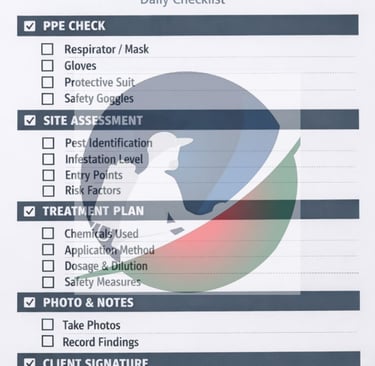
Establishing a thorough compliance checklist for pest management is integral for business owners in order to meet inspection standards and ensure food safety. This checklist serves as a practical tool to guarantee that all necessary procedures are consistently followed and documented. The first step in developing this checklist is to identify all relevant regulatory guidelines applicable to your specific industry, as these vary significantly depending on the type of business and location.
Key components of the compliance checklist should encompass the monitoring of pest activity. This involves regular inspections of the premises, focusing on vulnerable areas such as storage rooms, kitchens, and waste disposal sites. It is paramount to observe signs of pest infestation—such as droppings, nests, or damage to materials—that could jeopardize food safety. Recordkeeping is also critical; maintaining logs of inspections and any pest control actions taken ensures accountability and traceability.
Your checklist should also detail preventive measures. This entails physical barriers—like sealing cracks and installing screens—to deter pests. Additionally, outlining sanitation practices is vital, including routine cleaning schedules, waste management protocols, and employee training regarding food safety standards. Documentation of training sessions further solidifies compliance, as it demonstrates a commitment to maintaining sanitation and pest management practices.
Lastly, regularly reviewing and updating the checklist is essential to adapt to changing regulations and pest control methods. A dynamic compliance checklist not only enhances pest control effectiveness but also fosters a culture of vigilance amongst staff. Ultimately, implementing a well-structured compliance checklist empowers businesses to uphold inspection standards while prioritizing food safety.
Conclusion
Maintaining a culture of pest control compliance is essential for businesses striving to uphold high standards of operational efficiency and public health. The importance of regular inspections and adherence to pest control inspection standards cannot be overstated. Business owners must recognize that effective pest management is not a one-time effort, but a continuous commitment that warrants ongoing vigilance. This proactive approach ensures that potential pest issues are addressed before they escalate, thereby safeguarding the integrity of the business and its reputation.
To foster a robust culture of pest control compliance, it is advisable for business owners to incorporate pest management procedures into their daily operational protocols. This integration can be achieved by establishing routine training sessions for staff about pest awareness and control techniques, as well as encouraging employees to report any signs of pest activity immediately. By actively involving the entire workforce in pest management efforts, businesses can create an environment where compliance becomes part of the organizational ethos.
Moreover, partnering with a reputable pest control service provider can enhance compliance efforts. Such partnerships not only facilitate expert inspections and prompt interventions but also help business owners stay updated with the latest industry standards and technologies. Regular communication with pest control professionals ensures that businesses are equipped with the necessary knowledge and resources to maintain pest control compliance effectively.
In conclusion, the long-term benefits of adhering to pest control inspection standards go beyond mere compliance; they resonate throughout the business by fostering a safe environment for employees and customers alike. By prioritizing pest control compliance, business owners enhance their reputation, minimize risk, and contribute positively to public health, which ultimately supports the sustainability and success of their operations.
Address:
264/5, Kamal Soroni Road, Mirpur, Dhaka-1216
Contact
Your Quaries on pest control askings
pestexterminatorbd@gmail.com
+8801642008383 +8801988300003, 01723057746
© 2025. All rights reserved. to Urban Pest Control Pvt. Ltd. this site is powered by Our Own IT Team