
Common Household Pests in Bangladesh and Their Dangers
Common Household Pests in Bangladesh and Their Dangers
1/26/20267 min read
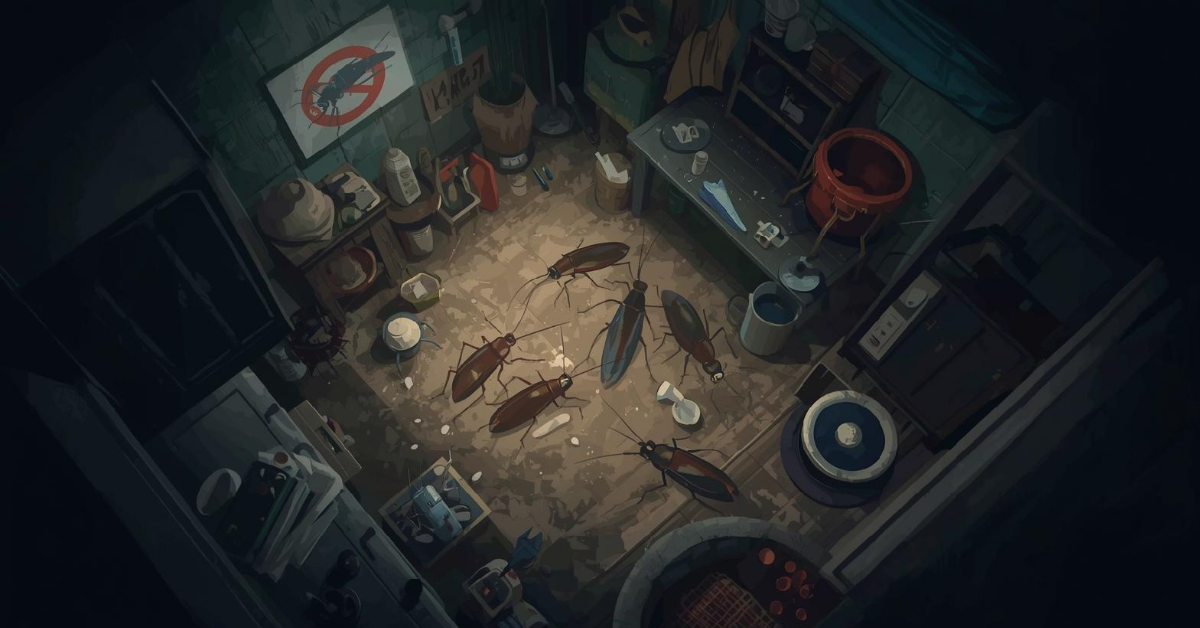
Introduction to Household Pests in Bangladesh
Household pests are a significant concern for many residents in Bangladesh, largely due to the country’s conducive climatic conditions and environmental factors. The tropical climate, characterized by humidity and warmth, serves as a breeding ground for various insects and rodents. As a result, many households face challenges from common pests such as cockroaches, mosquitoes, rodents, termites, and ants, all of which can adversely affect health and quality of life.
The prevalence of these pests is not merely an inconvenience; it poses serious threats to hygiene and well-being. For instance, rodents can transmit diseases through contamination of food and surfaces, while mosquitoes are notorious for spreading illnesses like dengue fever and malaria. Bedbugs and cockroaches, on the other hand, can trigger allergies and exacerbate asthma, making pest control a vital aspect of household management.
Environmental factors, such as poor waste management and urbanization, contribute to the infestation rates in both urban and rural settings. Improper disposal of waste provides abundant food sources for many pests, while construction sites may offer shelter and nesting locations for rodents and termites. Moreover, as more people migrate to cities in search of better opportunities, the congestion aggravates the problem, leading to an increasing incidence of pest-related complaints.
Understanding the types and habits of these household pests is crucial for effective management and prevention strategies. Awareness about the seasonal patterns of pest activity can guide residents in taking proactive measures to mitigate infestations. Ultimately, addressing the threat posed by household pests in Bangladesh is essential not only for maintaining health standards but also for ensuring a comfortable and safe living environment.
Common Household Pests Found in Bangladesh
Bangladesh is home to a variety of household pests, each presenting unique challenges in terms of management and control. These pests can be broadly categorized into three groups: insects, rodents, and other unwanted organisms. Understanding their characteristics is crucial for effective pest management.
Among insects, cockroaches are particularly prevalent in Bangladeshi households. They are easily recognizable by their flattened bodies and long antennae. These nocturnal creatures thrive in warm and humid environments, often found in kitchens or near food sources. Another common insect is the mosquito, known for its ability to transmit diseases such as dengue and malaria. Mosquitoes breed in standing water, making areas with poor drainage highly susceptible to infestations.
Termites, often referred to as 'silent destroyers,' pose a significant threat to wooden structures in homes. They are typically found in damp, dark areas like basements or under wooden furniture. Ants, particularly the black and red varieties, are also frequently encountered, forming large colonies that can invade homes in search of food.
Moving on to rodents, the most common types are rats and mice. These creatures are not only known for their ability to contaminate food but also for their tendency to chew on electrical wires, which can lead to serious fire hazards. Roof rats are identifiable by their long, slender bodies and are often found in attics or ceilings, while house mice are smaller and usually occupy sheltered areas near food supplies.
Lastly, other pests such as bed bugs and termites also threaten household comfort and safety. Bed bugs, known for their nocturnal feeding habits, tend to hide in mattress seams and bed frames, making them difficult to eliminate. Investment in integrated pest management practices is essential for maintaining a pest-free home environment in Bangladesh.
Health Risks Associated with Household Pests
In Bangladesh, household pests such as rodents, cockroaches, and mosquitoes can present significant health risks to residents. These pests are not merely nuisances; they can be vectors for various diseases, creating a considerable public health concern. For instance, mosquitoes are known for transmitting diseases like dengue fever and malaria, which can lead to severe health complications and even death. The presence of standing water in and around homes often exacerbates mosquito breeding, underline the importance of pest control.
Rodents, including rats and mice, can also pose dangers as they are capable of transmitting diseases such as leptospirosis and hantavirus. These illnesses can lead to serious health outcomes, especially for individuals with compromised immune systems. Additionally, the droppings and urine of rodents can contaminate food and surfaces, increasing the risk of foodborne illnesses.
Cockroaches are another pest that poses health risks, as they are known carriers of bacteria and allergens. The droppings and shed skin of these insects can trigger asthma and allergic reactions in sensitive individuals, particularly children. This aspect is particularly concerning in densely populated urban areas where the incidence of asthma is already elevated.
Moreover, the psychological effects of pest infestations should not be overlooked. The stress and anxiety caused by the presence of pests can result in sleep disturbances and decreased quality of life for affected individuals. People may experience a constant feeling of discomfort in their living spaces, which can affect their mental well-being.
To mitigate these health risks, it is crucial for residents to implement effective pest control measures and maintain cleanliness within the household. Educating the community about these issues can significantly reduce the negative impacts associated with household pests.
Economic Impact of Pest Infestations
Pest infestations in Bangladeshi households can lead to significant economic consequences that affect not only individual families but also the broader community. The direct costs associated with pest infestations typically include property damage, medical treatments, and pest control measures. Each of these areas contributes to the overall financial burden borne by households.
Property damage is one of the most noticeable impacts pests can have, as they can destroy furniture, electrical wiring, and structural components of homes. For instance, termites pose a serious threat in Bangladesh, leading to extensive structural damage that requires costly repairs. The expenses related to rebuilding or restoring infested areas can accumulate quickly, placing pressure on household finances.
Additionally, pest-related health issues can lead to unforeseen medical expenses. In Bangladesh, common pests such as mosquitoes transmit diseases like dengue fever and chikungunya, which can incur significant healthcare costs for families. The burden of medical treatment can be substantial, especially for vulnerable populations, necessitating either direct out-of-pocket expenses or insurance claims that might increase premiums over time.
Moreover, adequate pest control measures are essential for mitigating infestations; these measures often require a financial investment. Professional pest control services can be costly, and many households may opt for DIY solutions that also incur expenses for purchasing chemicals or traps. The combined costs of dealing with insect or rodent infestations can place an unexpected strain on a household’s budget.
Ultimately, the economic impact of pest infestations in Bangladesh is multifaceted, encompassing damage to property, healthcare costs due to pest-related illnesses, and the expenses associated with effective pest management strategies. Understanding these economic implications is crucial for developing effective control programs and informing community awareness campaigns aimed at reducing pest populations.
Preventative Measures Against Household Pests
Preventing household pest infestations requires a comprehensive approach, incorporating cleanliness, proper food storage, and structural modifications. One of the most effective deterrents against common pests such as rodents and insects is maintaining a clean environment. Regularly sweeping, vacuuming, and mopping floors helps eliminate food crumbs and spills that can attract pests. Additionally, promptly cleaning up spills and disposing of garbage can further diminish the allure for these insects and rodents.
Food storage practices play a crucial role in preventing pest problems. Storing food in airtight containers can significantly reduce the risk of attracting pests like ants, cockroaches, and mice. Ensure that pantry items, such as grains, cereals, and snacks, are kept secure. Furthermore, it is advisable to frequently check expiration dates and discard any rotten or stale food items that could serve as a food source for pests.
In addition to cleaning and food storage, modifying structural elements of your home can be instrumental in pest prevention. Seal cracks and gaps around windows, doors, and foundations to prevent pests from gaining entry. It is also essential to ensure that window screens are intact and functioning correctly. Keeping vegetation trimmed and maintaining distance between plants and the home can deter pests like termites and mosquitoes that thrive in overgrown areas.
Finally, addressing moisture problems in your home can significantly contribute to pest control. Pests such as cockroaches are drawn to damp environments, so fixing leaky pipes and ensuring proper drainage will help alleviate potential infestations. Employing these preventative measures will not only create a less inviting environment for pests but also contribute to a healthier living space for residents.
Effective Pest Control Methods
Pest control is a significant concern for households in Bangladesh, given the diverse range of pests that inhabit the environment. Effective pest management can be executed through several methods, each presenting different levels of effectiveness, safety, and ecological considerations.
Chemical pest control methods often involve the application of pesticides and insecticides, which are effective in eliminating pests swiftly. However, their usage comes with potential health risks for humans and pets, alongside environmental repercussions. It is crucial for households to select pesticides that are approved for residential use and to strictly adhere to application guidelines to mitigate these risks. Furthermore, it is advisable to opt for products that specifically target the pest in question, thereby reducing unnecessary exposure to toxic substances.
On the other hand, natural pest control methods offer an eco-friendly alternative. These strategies include the use of essential oils, diatomaceous earth, and introducing natural predators to the environment. For example, neem oil, derived from the seeds of the neem tree, has demonstrated effective insect repellent properties, making it a popular choice for organic gardening. Additionally, diatomaceous earth is a non-toxic powder that can effectively dehydrate pests upon contact.
Integrated Pest Management (IPM) is another effective approach that combines both chemical and natural pest control methods. This strategy emphasizes the importance of monitoring pest populations, identifying pest thresholds, and implementing prevention measures, ultimately leading to a reduction in chemical pesticide usage. It empowers homeowners to manage household pests effectively while considering overall health and environmental safety.
Ultimately, choosing the right pest control method in Bangladesh requires careful consideration of pests, household circumstances, and environmental sustainability. By exploring both chemical and natural methods, households can establish a balanced approach to pest management that addresses immediate concerns while preserving ecological integrity.
Conclusion and Call to Action
In summary, understanding common household pests in Bangladesh is critical for maintaining a safe and healthy living environment. Our discussion highlights the variety of pests that pose dangers, such as termites, cockroaches, and rodents, each contributing to structural damage, health risks, and overall discomfort. By recognizing the signs of pest infestations early, homeowners can implement effective measures to control these nuisances before they escalate.
Proactive pest management is not simply a reactive necessity; it is a crucial aspect of maintaining a household's integrity and the health of its occupants. Homeowners are encouraged to regularly assess their pest control practices, ensuring that preventative measures are in place. Simple steps like sealing entry points, maintaining cleanliness, and regular inspections can significantly reduce the likelihood of infestations.
However, in cases where infestations become overwhelming or unmanageable, seeking professional pest control services is advisable. Experts possess the necessary knowledge and tools to address pest problems efficiently and safely. They can identify specific pest species, assess the extent of the infestation, and implement targeted treatments that are both effective and environmentally responsible.
In light of these insights, it is essential to remain vigilant in the fight against household pests. Taking action not only protects your home but also contributes to a healthier community. We encourage readers to prioritize pest control in their homes and seek assistance when necessary to ensure a pest-free environment.
Address:
264/5, Kamal Soroni Road, Mirpur, Dhaka-1216
Contact
Your Quaries on pest control askings
pestexterminatorbd@gmail.com
+8801642008383 +8801988300003, 01723057746
© 2025. All rights reserved. to Urban Pest Control Pvt. Ltd. this site is powered by Our Own IT Team