
Complete Pest Control Guide: Protect Your Home from Dangerous Pests
5/25/202612 min read
Introduction
Pest control is a critical aspect of maintaining both homes and commercial spaces in Bangladesh. The tropical climate and varied geography create an environment conducive to a range of pest infestations. This can result in serious threats to health, safety, and property. Pests such as termites, rodents, cockroaches, and mosquitoes are not mere nuisances; they can cause extensive damage to structures and spread diseases that pose significant risks to public health.
For instance, termites can compromise the integrity of wooden structures, leading to costly repairs and renovations. Rodents are known carriers of various diseases, while insects like mosquitoes are vectors for illnesses such as dengue and malaria. It is essential for homeowners and business operators to understand the magnitude of pest threats and the importance of implementing effective pest control strategies.
This guide aims to educate readers about the numerous pest control measures available, effective solutions, and preventive practices that can be adopted to mitigate pest infestations. Knowledge of these measures will empower individuals and businesses alike to take proactive steps to protect their environments from unwanted pests.
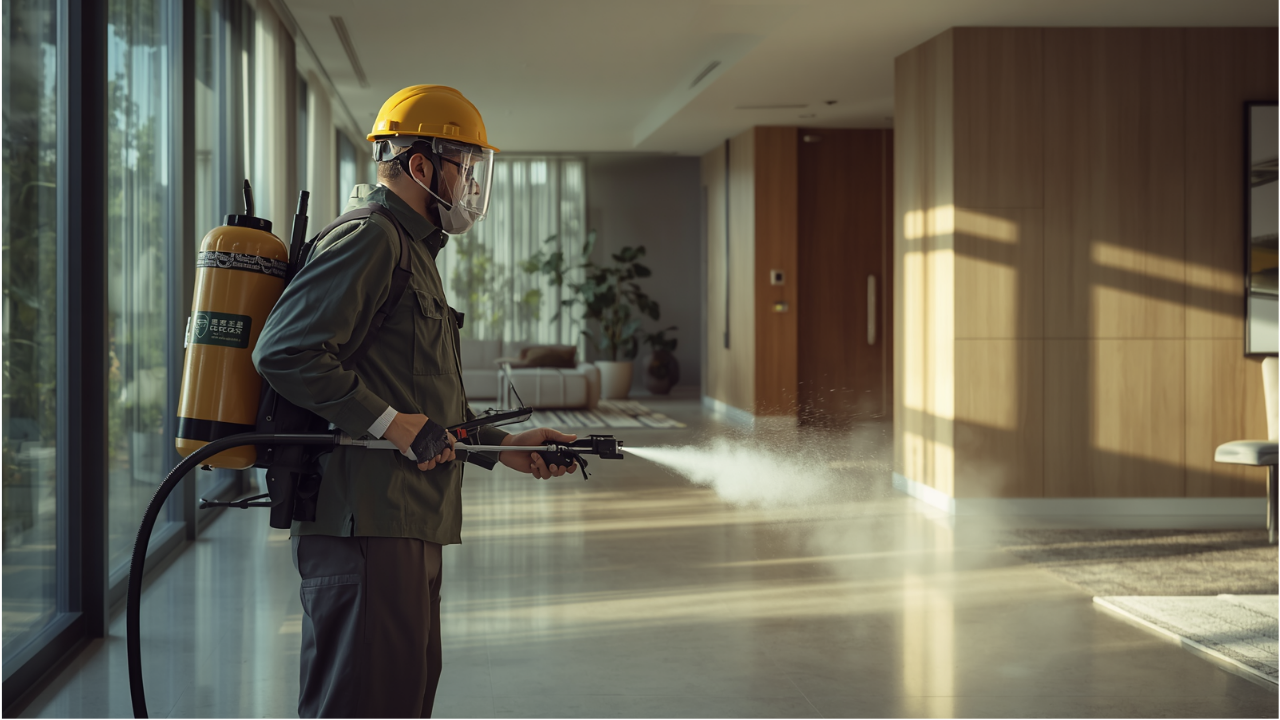
While DIY pest control methods may provide some immediate relief, enlisting the expertise of a professional pest control company like Urban Pest Control Pvt. Ltd. is fundamentally important for comprehensive and lasting results. Professionals are equipped with the right tools, knowledge, and experience to conduct thorough inspections, identify potential pest threats, and employ targeted treatments that are safe and effective. Their guidance can greatly enhance one's pest management strategies, ensuring a safer and healthier living or working environment.
Common Household Pests in Bangladesh
Bangladesh faces a significant challenge with a variety of common household pests that can adversely affect both health and property. Among these, termites, cockroaches, bed bugs, rodents, and mosquitoes are the most notable. Each of these pests poses unique threats and characteristics.
Termites, often termed the "silent destroyers," are small insects that consume wood, paper, and other cellulose materials. These pests can cause extensive structural damage to homes, leading to costly repairs. Signs of termite infestation include discarded wings and mud tubes, which are often found along walls or in wooden structures.
Cockroaches are another prevalent pest in Bangladeshi households. Typically brown or black, these insects thrive in unsanitary conditions and are known to carry pathogens that can cause gastrointestinal diseases. Their presence is often indicated by droppings, a strong musty odor, and shed skins, making them a public health concern.
Bed bugs, small reddish-brown insects, are notorious for infesting sleeping areas. They feed on human blood, resulting in itchy, uncomfortable bites. The resurgence of bed bugs in urban areas has sparked concern, necessitating effective pest control measures to eradicate them.
Rodents, particularly rats and mice, are commonly associated with domestic pest issues. Besides their unsightly appearance, these creatures can spread diseases and contaminate food. They are known for their exceptional abilities to reproduce rapidly, leading to significant infestations if not managed promptly.
Lastly, mosquitoes, recognized for their irritating bites, also pose serious health risks by transmitting diseases like dengue and malaria. With the hot and humid climate in Bangladesh, mosquito breeding becomes rampant, especially during the monsoon season.
Statistics indicate that nearly 40% of households in Bangladesh experience infestations with these pests, underscoring the importance of effective pest management strategies to protect both health and property.
Health Risks Caused by Pests
Pest infestations can pose significant health risks to individuals and communities alike. Various pests, including insects and rodents, are known vectors for diseases that can have detrimental effects on human health. Common pests such as mosquitoes, ticks, and rodents can transmit diseases that result in severe health issues. Understanding these health risks is essential for effective pest management and protection of vulnerable populations.
For instance, mosquitoes are notorious for spreading diseases such as dengue fever, West Nile virus, and Zika virus. These illnesses can lead to severe symptoms, hospitalization, and in some cases, even death. Similarly, ticks are responsible for Lyme disease, which can cause long-lasting health complications if left untreated. Rodents, on the other hand, can carry hantavirus and leptospirosis, both of which can be fatal. Additionally, cockroaches are a common indoor pest that can trigger asthma attacks and exacerbate allergies due to their droppings and shed skin.
The risks posed by these pests are especially concerning for vulnerable groups including children, the elderly, and individuals with pre-existing health conditions. Children are at a higher risk for developing allergies and respiratory issues from exposure to pests and their waste. Older adults, who often have weaker immune systems, may find themselves more susceptible to severe reactions from pest-related diseases. Ensuring that homes are free from infestations helps safeguard the health of these at-risk populations.
Moreover, pests can lead to food contamination, which poses an additional health risk. Many insects, such as flies and stored product pests, can contaminate food sources, causing foodborne illnesses. Therefore, proactive pest management practices are essential in preventing the proliferation of these pests and thereby mitigating the associated health risks.
Signs of Pest Infestation
Pest infestations can manifest in various ways, necessitating vigilant monitoring by homeowners and business owners. One of the most common visual signs to look for is pest droppings. The size, shape, and color of these droppings vary depending on the type of pest; for instance, rodent droppings are generally dark and pellet-shaped, while insect droppings may appear like tiny specks. Additionally, nests or burrows may indicate the presence of pests, particularly rodents. These nests can often be found hidden in attic spaces, behind appliances, or in other secluded areas.
Physical damage is another indicator of a potential pest issue. Homeowners should inspect wooden structures for signs of termite damage, which may present as hollowed-out wood or mud tubes. Chewed cables, gnaw marks, and damaged food packaging all point to pest activity. Sensory signs should also not be overlooked; unusual odors, a musty smell indicating mold growth due to pest activity, or rancid smells from decomposing pests can serve as critical warnings. Noise is another indicator; scratching, scurrying, or rustling sounds in walls or ceilings at night can strongly suggest rodent infestations.
If any of these signs are detected, it is crucial to act promptly. Delaying action could result in further damage or the spreading of the infestation. Homeowners are advised to document these signs through photographs and to contact a pest control professional who can assess the situation accurately. Taking immediate action not only protects the structural integrity of your property but also promotes a healthier living environment. It is better to address potential infestations before they escalate into more significant problems.
Types of Pest Control Services
Pest control services are essential for maintaining a safe and healthy environment, whether in residential or commercial settings. Various methods are employed to combat different types of pests. One notable service is termite control, which typically involves thorough inspections to identify infestations, followed by treatments such as baiting systems or liquid barriers designed to eliminate termites and prevent their return. Effective termite control ensures structural integrity and protects property investments.
Cockroach control is another critical aspect of pest management. This process often begins with identifying the species of roach infesting the area. Following identification, pest control professionals implement integrated pest management strategies, which can include baiting, trapping, and insecticide applications tailored to the specific type of cockroach, thereby reducing the risk of disease transmission.
Bed bug treatment is increasingly in demand due to the rising awareness of the problems caused by these pests. The treatment generally involves a combination of methods, including heat treatment, vacuuming, and the use of professional-grade insecticides, all aimed at ensuring complete eradication of bed bugs from the infested areas.
Rodent control is critical for preventing the spread of diseases. This service often includes the placement of bait stations and traps, along with sealing entry points. Professionals also conduct comprehensive inspections to gauge the extent of the infestation and develop a customized management plan.
Lastly, mosquito control services involve both larval control, focusing on breeding sites, and adult mosquito control, often utilizing fogging or spraying techniques to reduce the mosquito population effectively.
Residential pest control differs from commercial services in scope and complexity; commercial pest management may involve larger-scale solutions and adherence to industry regulations. A licensed pest control company, such as Urban Pest Control Pvt. Ltd., typically offers comprehensive services, ensuring that professional pest exterminators are equipped with the knowledge and tools necessary for effective pest management. These experts play a pivotal role in safeguarding properties and promoting overall public health.
Eco-Friendly Pest Control Methods
The increasing awareness of environmental issues has led to a significant rise in the adoption of eco-friendly pest control methods. These solutions utilize natural and organic substances to manage pest populations effectively, reducing the potential harm that conventional chemical pesticides can introduce into the environment. Many families and businesses in Bangladesh are embracing these alternatives, recognizing the numerous benefits they offer not only for human health but also for pets and the ecosystem.
One of the key advantages of eco-friendly pest control is its safety. Traditional pest control methods often involve synthetic chemicals that can pose health risks to humans and animals. In contrast, organic products typically use ingredients derived from nature, such as plant extracts or essential oils, making them less hazardous. For instance, diatomaceous earth, a natural powder made from the fossilized remains of tiny aquatic organisms, can be employed to deter insects without posing risks to household pets.
Another important facet of eco-friendly pest management is its environmental benefits. Utilizing biodegradable materials helps minimize pollution and prevents chemical runoff into local water systems. Additionally, techniques such as integrated pest management (IPM) emphasize a holistic approach by combining cultural, physical, biological, and chemical tools in a way that reduces risks and enhances efficiency. Examples of IPM may include crop rotation, habitat manipulation, and the introduction of beneficial insects that prey on harmful pests.
Moreover, simple practices such as sealing entry points, maintaining cleanliness, and using natural repellents can significantly reduce pest infestations without chemical intervention. Options like neem oil and vinegar solutions, known for their pest-repellent properties, are increasingly popular. By implementing these eco-friendly pest control methods, families and businesses can effectively manage infestations while safeguarding their health and that of the surrounding environment.
DIY vs Professional Pest Control
When deciding between DIY pest control methods and hiring professional pest control services, it is essential to evaluate the advantages and disadvantages of each approach. DIY methods can often provide a cost-effective solution for minor pest issues. Simple tasks such as sealing entry points, maintaining cleanliness, and using over-the-counter pest control products can significantly reduce pest populations in a home. These methods can be particularly effective in managing common household pests like ants, cockroaches, and spiders, where the infestation level is manageable for a homeowner.
However, there are limitations to consider. Many pests can reproduce quickly, and initial infestations can escalate rapidly. In these cases, relying solely on DIY methods may not yield satisfactory results. Additionally, inexperienced homeowners may misuse pest control products, leading to health risks or potential damage to the property. Moreover, some pests, such as termites or bed bugs, require specialized knowledge and treatment to eradicate effectively.
On the other hand, professional pest control companies bring expertise and experience, utilizing advanced techniques and products that may not be available to the average consumer. They can accurately identify pest species, assess the extent of infestations, and implement targeted strategies for long-term pest management. Furthermore, many professional services provide warranties or follow-up treatments, offering peace of mind that the problem will be addressed thoroughly.
Ultimately, the decision to opt for DIY pest control or seek professional services should depend on the severity of the pest problem, the type of pests involved, and the homeowner's comfort level with handling pest control. For small, manageable issues, DIY methods may suffice, while more extensive infestations often require the expertise of professionals to ensure effective pest management and protect home safety.
Pest Prevention Tips
Pest control begins with prevention, particularly in environments susceptible to infestations, such as homes and businesses in Bangladesh. Implementing proactive measures is crucial for maintaining a pest-free space. Below are actionable steps tailored for Bangladeshi homeowners and businesses to effectively deter pests.
Firstly, it is essential to seal any cracks and crevices around windows, doors, and the foundation of your property. Utilizing caulk or weather stripping can significantly reduce the entry points for pests, such as rodents and insects. Inspecting for gaps in utility connections can also be beneficial; ensuring that areas around cables and pipes are properly sealed can prevent potential infestations.
Proper food storage is another fundamental aspect of pest prevention. It is advisable to store food items in airtight containers, thus minimizing odors that attract pests. Moreover, regularly cleaning kitchen surfaces and promptly disposing of garbage ensures that food debris does not lure pests indoors. Keeping counters free of clutter also plays a vital role in discouraging pests.
Maintaining a clean and tidy environment is vital for pest control. Regular vacuuming and dusting removes crumbs and residues that may attract pests. Additionally, washing dishes promptly after use and keeping pet food sealed can help prevent infestations.
Landscaping can also influence pest behavior. Maintaining your garden by trimming back bushes and avoiding standing water can deter unwanted insects. Furthermore, spacing plants wisely can improve air circulation and sunlight exposure, making your garden less appealing to pests.
By integrating these pest prevention strategies into daily routines, Bangladeshi homeowners and businesses can create a more formidable line of defense against pest invasions, fostering a healthier and more comfortable living environment.
Importance of Licensed Pest Control Services
Engaging with licensed pest control services is essential for several reasons, particularly when it comes to effectively managing pest-related issues in your home. One of the primary advantages of opting for licensed professionals is the assurance of safety. Licensed pest control experts are well-versed in handling various pesticides and treatment methods, minimizing risks to both residents and pets. This knowledge significantly reduces the chance of unintended exposure to harmful substances, which is a concern when unlicensed or amateur services are employed.
In addition to safety, licensed pest control services ensure effectiveness in pest management. Professionals possess the necessary training and experience to identify pest infestations accurately and determine the most effective course of action. This level of expertise often translates into quicker and more successful eradication of pests. Conversely, unlicensed operators may use inadequate methods that could lead to recurring issues, costing homeowners more in the long run.
Moreover, hiring licensed services ensures compliance with local regulations and standards. Pest control is subject to specific laws that govern pesticide usage and disposal. Licensed professionals stay informed about these regulations, ensuring that treatments are applied legally and ethically. This compliance not only protects homeowners from potential legal issues but also promotes environmentally responsible practices, which is increasingly important in today’s eco-conscious society.
Urban Pest Control Pvt. Ltd., for instance, fully meets these standards, offering a team of experienced pest control professionals who are dedicated to providing high-quality service. By choosing a licensed company like Urban Pest Control, homeowners can have peace of mind knowing that their pest management needs are being handled professionally and responsibly.
Conclusion
In conclusion, ensuring effective pest control is vital for safeguarding both health and property. Throughout this guide, we have explored various types of pests that commonly invade homes, the potential health risks they pose, and the importance of early detection. The presence of pests not only leads to damage of property but can also result in significant health issues for homeowners and their families. Therefore, recognizing the symptoms of an infestation and understanding the appropriate steps for mitigation is essential.
The key takeaway from our discussion is the necessity of prompt action when faced with a pest problem. If left unchecked, infestations can escalate rapidly, making them more challenging and costly to manage. Professional pest control services offer the expertise and methods to effectively eliminate pests while providing essential preventive measures to avert future occurrences. Urban Pest Control Pvt. Ltd. stands ready to assist with expert advice and tailored solutions to ensure that your home remains pest-free.
We encourage readers to prioritize their pest control measures, whether through DIY methods for minor issues or by seeking professional assistance for more severe infestations. By partnering with experts in the field, you safeguard not only your property but also the well-being of everyone in your home. Take the necessary steps today to stay in control and maintain a healthy living environment.
Frequently Asked Questions (FAQ) about Pest Control
1. How much does pest control cost?
The cost of pest control varies significantly depending on several factors, including the type of pest, the extent of the infestation, and the specific pest control service provider. Typically, prices can range from $100 to $300 for general treatments, while more severe infestations may require upwards of $500 or more. It is advisable to obtain estimates from multiple providers to find a service that fits your budget.
2. When is the best time to schedule pest control?
The timing for pest control treatment largely depends on the type of pest and local climate conditions. Generally, it is best to address pest issues during warmer months when pests are more active. However, treatment may also be necessary during colder months for pests that reside indoors. Consulting with a pest control professional can help determine the optimal timing for your specific situation.
3. Is pest control treatment safe for my family and pets?
Most pest control methods are designed with safety in mind. Reputable pest control companies use regulated materials that pose minimal risk to humans and pets when applied correctly. It is crucial to follow safety instructions provided by the pest control service and to keep children and animals away from treated areas until the products have dried or the recommended time has elapsed.
4. How should I prepare my home for pest control services?
Preparation can vary based on the pest control method utilized, but generally, homeowners should clear areas around their homes and remove items that may hinder treatment. Common preparations include moving furniture away from walls, cleaning floors, and ensuring access to areas where pests may reside. Your pest control provider will typically offer specific guidelines before the appointment.
5. How effective are different pest control methods?
The effectiveness of pest control methods can vary by pest type and environmental factors. Chemical treatments can offer immediate results for many pests, while integrated pest management approaches focus on long-term control and prevention by combining multiple strategies, such as habitat modification and biological control. Consulting with a professional can help you choose the most effective method for your needs.
Address:
264/5, Kamal Soroni Road, Mirpur, Dhaka-1216
Contact
Your Quaries on pest control askings
pestexterminatorbd@gmail.com
+8801642008383 +8801988300003, 01723057746
© 2025. All rights reserved. to Urban Pest Control Pvt. Ltd. this site is powered by Our Own IT Team