
Construction Site Pest Control & Termite Prevention: Global Best Practices
1/30/20267 min read
Introduction to Pest Control in Construction
Pest control in construction is a critical element that cannot be overlooked during any building project. Throughout the various stages of construction, different types of pests can emerge, posing significant risks to the structural integrity of buildings and the safety of workers. Common pests encountered on construction sites include rodents, termites, ants, and various types of insects. These pests not only threaten the physical structures but can also lead to health issues among workers and future occupants.
Builders, developers, and engineers must understand the implications of pest infestations during construction. A pest problem can result in increased costs due to damage repairs, delays in project completion, and potential legal liabilities. Furthermore, the presence of pests might deter potential buyers or tenants, affecting the marketability of the newly constructed property. Therefore, implementing effective pest prevention strategies early in the construction process is paramount.
Effective pest control involves a combination of strategies, including proper site management, regular inspections, and the use of environmentally friendly pest control methods. Early detection and swift action are crucial to mitigate the risks of pest infestation. For instance, maintaining a clean and organized worksite, properly storing materials, and promptly addressing any leaks or drainage issues can significantly reduce the likelihood of attracting pests.
This blog will delve deeper into specific pest problems encountered in construction, prevention techniques, and best practices for pest management. By understanding the significance of pest control in construction, stakeholders can contribute to safer and more sustainable building practices. The following sections will provide insights that will help ensure that pest control is an integral part of construction planning and execution.
Understanding Pre-Construction Termite Treatment
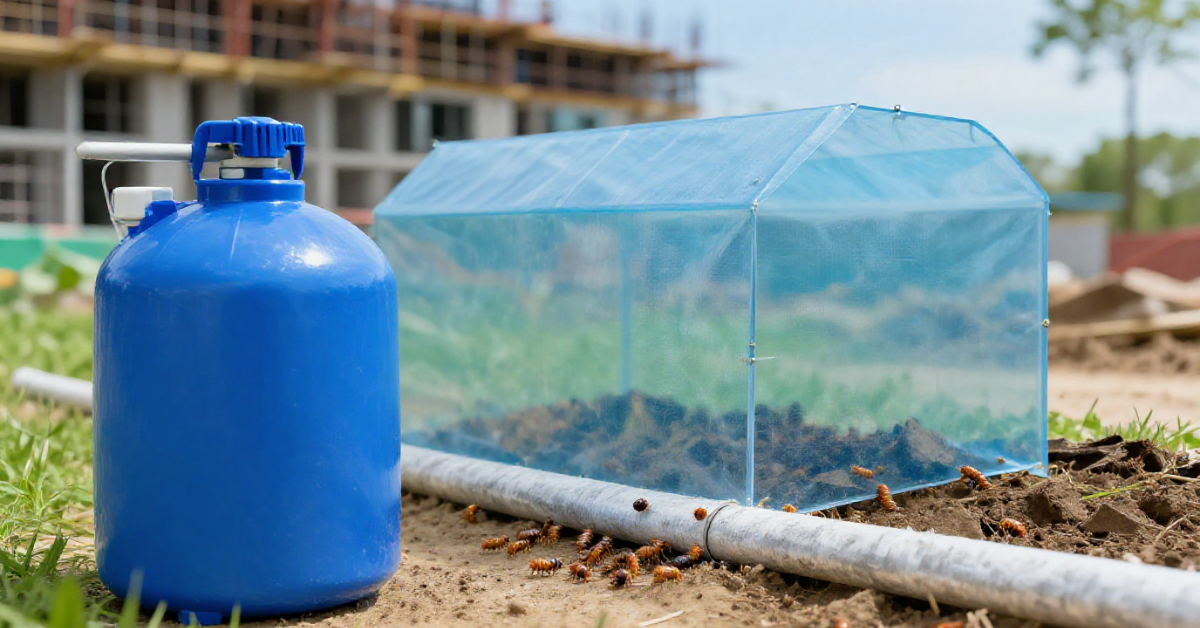
Pre-construction termite treatment is an essential step in the building process aimed at preventing termite infestations that can lead to significant structural damage. By implementing effective treatments before construction, builders can safeguard new constructions against these wood-destroying pests. Among the most widely used methods are chemical barriers and baiting systems, each serving a critical role in preventing termite access to the property.
Chemical barriers involve the application of a pest control agent in the soil around and beneath the structure, creating a protective barrier that termites cannot penetrate. This method is typically performed before the foundation is laid. The choice of chemicals and the application process should adhere to local regulations and safety guidelines, ensuring the safety of both the construction crew and the future occupants.
Baiting systems, on the other hand, serve to attract termites and subsequently eliminate them using bait containing slow-acting insecticides. These systems can be strategically placed around the perimeter of the building site and need careful monitoring to ensure effectiveness. Both treatment methods require comprehensive inspections prior to application to identify potential threats and any conducive conditions that could attract termites.
It is crucial to prioritize these pre-construction termite treatments since neglecting them can lead to devastating consequences. Any lapse in planning may expose the newly constructed building to termite activity, which can result in costly repairs and remediation efforts. Builders must remain diligent in establishing a treatment plan that not only complies with regulations but also reflects best practices for rapid and effective implementation.
Implementing Effective Soil Treatment for Termites
Soil treatment is a crucial step in pest control during construction, particularly for preventing termite infestations. Effective soil treatment processes create a protective barrier within the soil that deters termites from entering the structure. Various options are available for soil treatment, ranging from chemical applications to physical barriers, and understanding these methods is essential for long-term protection.
One common method involves the use of liquid termiticides, specifically formulated chemicals that are applied to the soil to create an impermeable barrier against termites. Common active ingredients include fipronil, imidacloprid, and bifenthrin, each offering distinct benefits. This application typically occurs before the foundation is poured, ensuring complete coverage of the area where the structure will sit.
The application process begins with the excavation and grading of the site to expose soil areas where treatment is needed. Once exposed, the termiticides can be applied in a uniform manner, ensuring that all vulnerable points are adequately protected. It is also critical to follow manufacturer guidelines for proper application rates and methods, as improper application can significantly reduce the effectiveness of the treatment.
Environmental considerations are paramount when selecting and applying these chemicals. It is advisable to conduct a thorough assessment of local soil and water conditions, as well as any nearby ecological systems. Responsible usage helps minimize potential harm to beneficial organisms and the surrounding environment.
Cost implications for soil treatment may vary widely, depending on the size of the area being treated and the specific products chosen. However, investing in quality soil treatment greatly enhances longevity, often providing protection for several years if performed correctly. The necessity for periodic inspections and reapplications should also be part of any comprehensive pest control strategy for construction projects.
Site Sanitation Measures: Keeping Pests at Bay
Implementing effective sanitation measures on construction sites is crucial for preventing pest infestations. One of the first steps in maintaining a pest-free environment is efficient waste management. Construction sites often generate various types of waste, including packaging materials, food scraps, and other debris that can attract pests. To combat this, it is essential to have designated waste disposal systems that are emptied regularly and kept away from the building's perimeter. Waste bins should be sealed tightly to prevent easy access by rodents and insects.
Material storage practices also play a vital role in minimizing pest attraction. Construction materials must be stored properly to avoid direct contact with the ground, ideally on elevated surfaces or in enclosed containers. Doing so decreases the likelihood of pests finding shelter within the materials. Additionally, any unused materials should be sorted and disposed of safely to eliminate potential breeding grounds for insects.
Water drainage on construction sites cannot be overlooked when discussing pest control. Stagnant water can attract various pests, including mosquitoes and rodents. Ensuring proper drainage systems are in place can help mitigate this risk. It is advisable to regularly inspect these systems to ensure they are functioning correctly and free of blockages. Keeping the site free from standing water is essential for dissuading pests from establishing a presence.
In essence, sanitation measures such as effective waste management, appropriate material storage, and adequate water drainage are foundational strategies for safeguarding construction sites against pest infestations. Builders have a responsibility to prioritize these sanitation practices, as maintaining a clean job site significantly deters pests, contributing to a more efficient and successful construction process.
Long-Term Structural Protection Against Pests
In the realm of construction, preventing pest infestations is crucial for safeguarding the structural integrity of a building and preserving the value of an investment. Long-term strategies for structural protection against pests emphasize the importance of utilizing treated materials, thoughtful building design, and regular maintenance. By implementing these strategies, property owners can effectively minimize the risk of pest-related damage.
One of the foremost methods to bolster structural protection is the use of treated materials. Treated lumber, for instance, undergoes a specialized process to inhibit pest activity, particularly from wood-destroying organisms like termites. Similarly, utilizing pest-resistant insulation can further protect against infestations. Employing such materials is a proactive approach that reinforces the defensive barrier against potential pests.
In addition to material choices, building design plays a pivotal role in long-term pest management. Structures should be designed with pest control in mind, incorporating features such as sealed joints and barriers that dissuade pests from entering. Proper ventilation and drainage systems reduce moisture accumulation, which is often a significant attractant for various pests. Landscape design can also influence pest behavior; selecting pest-repellent plants and maintaining an appropriate distance between vegetation and buildings can improve protection.
Regular maintenance is integral to any comprehensive pest control strategy. Implementing a routine inspection schedule can help identify potential vulnerabilities before they escalate into significant issues. Addressing problems promptly not only protects the structure but also aids in managing pest control costs in the long run. By leaning on these long-term strategies, property owners can ensure a sturdy foundation that remains resistant to pests, safeguarding their investment for years to come.
Cost Overview of Pest Control Solutions in Construction
Pest control during the construction stages is a significant consideration, as it directly impacts the overall project budget and timeline. Various methods of pest control vary widely in terms of cost, and understanding these expenses is vital for builders and contractors.
Initially, pre-construction treatments are among the first line of defense against pest infestations. These treatments typically include soil pretreatments and barrier applications designed to prevent pests from establishing a foothold in the construction site. The costs for such treatments can range from $0.50 to $2.00 per square foot, depending on the size of the area and the specific chemicals utilized. Investing in pre-construction treatments is essential for minimizing long-term pest management costs.
Next, soil treatments specifically target pests that may be present in the ground itself, such as termites. The expenses associated with soil treatments can also vary, with costs generally ranging from $1,000 to $2,500, depending on the level of infestation and the specific treatment options selected. Additionally, employing a professional pest control service ensures that these treatments are applied correctly to maximize effectiveness.
Investment in site sanitation equipment is equally critical. This includes trash containers and debris management systems, which help minimize pest attraction. The costs for these measures, combined with regular sanitation practices, can amount to several hundred dollars to several thousand, particularly on larger construction sites where waste disposal practices become more complex.
Finally, the cost of ongoing prevention measures must be factored into the budget. This can include regular inspections and treatments, which could cost between $100 to $300 per month. By allocating funds for these preventive measures, builders can significantly reduce the risk of pest infestations, ultimately safeguarding their investments. Overall, a detailed budget analysis for pest control solutions is an integral component of successful construction project planning.
FAQs about Construction Pest Control
Pest control during the construction phase is a critical consideration that often raises numerous questions among builders, developers, and engineers. One of the primary concerns is the effectiveness of various pest control treatments. Generally, methods such as baiting and residual insecticides can successfully manage and deter pest populations. However, their efficacy often depends on the type of pest and specific environmental conditions at the construction site.
Another frequent inquiry revolves around the potential risks posed by pest infestations. Pests like rodents and termites can indeed compromise the structural integrity of newly erected buildings. Additionally, they may pose health risks to workers and future occupants. Therefore, it is imperative to implement proactive measures that minimize pest attraction and establish a preventive plan to address potential infestations.
Compliance with local and federal regulations is essential in the realm of construction pest control. Many jurisdictions have specific guidelines regarding pesticide use, which must be adhered to in order to avoid legal repercussions. Builders should familiarize themselves with these regulations and ensure their pest control methods align with environmental safety standards.
Best practices in pest control during construction include conducting thorough site assessments before work begins, eliminating sources of food and water, and maintaining organized workspaces to reduce hiding spots for pests. Engaging professional pest control services can also aid in developing customized pest management plans that consider the unique requirements of the construction site.
Understanding these aspects of pest control during construction can enhance the overall quality and safety of the project. Addressing questions regarding treatment effectiveness, infestation risks, compliance, and best practices fosters a comprehensive approach to managing pests effectively.
Address:
264/5, Kamal Soroni Road, Mirpur, Dhaka-1216
Contact
Your Quaries on pest control askings
pestexterminatorbd@gmail.com
+8801642008383 +8801988300003, 01723057746
© 2025. All rights reserved. to Urban Pest Control Pvt. Ltd. this site is powered by Our Own IT Team