
Dengue Outbreak 2026: How Mosquito Control Services in Bangladesh Can Save Lives
2/22/20267 min read
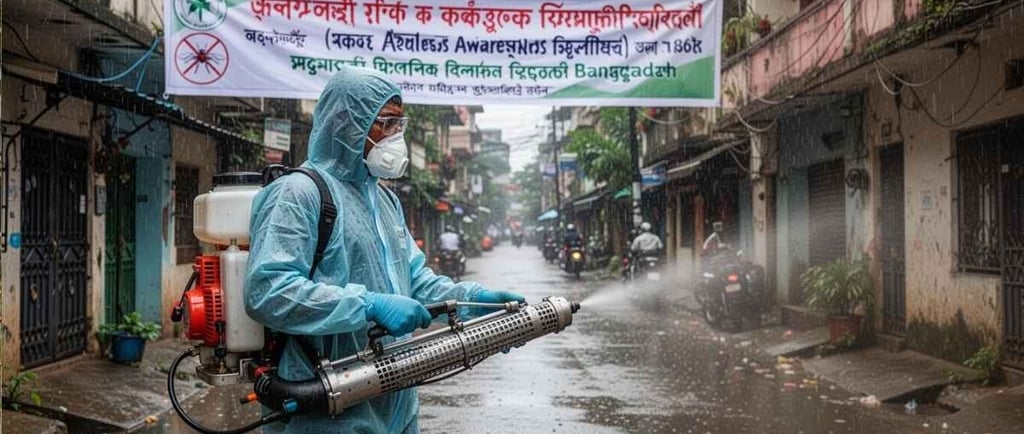
Understanding the 2026 Dengue Outbreak Trends Globally
The global landscape of dengue fever has exhibited alarming shifts, with significant increases in cases emerging across various regions. As of 2026, the annual reports from health organizations indicate that dengue outbreaks have surged in many tropical and subtropical areas, with a particular focus on Southeast Asia, where Bangladesh is situated. The trends suggest a marked rise in incidents due to an interplay of several crucial factors.
Primarily, climate change plays a pivotal role in influencing the prevalence and transmission dynamics of dengue. Warmer temperatures facilitate the expansion of Aedes mosquitoes, the primary vectors of this disease. In countries like Bangladesh, where rising temperatures correlate with increased rainfall, the conditions become ideal for mosquito breeding. Consequently, the number of dengue cases is likely to rise, necessitating swift and effective public health interventions.
Moreover, urbanization significantly contributes to the heightened risk of dengue outbreaks. Bangladesh, with its rapidly expanding urban centers, faces increased population density, which can lead to inadequate waste management and poor sanitation. These conditions create breeding grounds for Aedes mosquitoes, exacerbating transmission risks. Significant urban areas like Dhaka have experienced recurrent outbreaks, highlighting the need for strategies that address both vector control and urban planning.
The continued prevalence of Aedes mosquitoes poses yet another challenge in combating dengue. These mosquitoes thrive in urban landscapes where stagnant water collects, creating optimal breeding environments. The resistance of these mosquitoes to commonly used insecticides further complicates control efforts.
Understanding these global trends, particularly in relation to Bangladesh's unique vulnerabilities, underscores the pressing need for effective mosquito control measures. Without timely action, countries at high risk for dengue, such as Bangladesh, will likely experience even more severe and widespread outbreaks in the future.
The Health Risks Associated with Aedes Mosquitoes
Aedes mosquitoes, primarily Aedes aegypti and Aedes albopictus, are significant vectors for several viral diseases that pose serious health risks to populations across tropical and subtropical regions. One of the most prominent diseases transmitted by these mosquitoes is dengue fever, which remains a considerable public health challenge in Bangladesh. The World Health Organization estimates that the incidence of dengue has increased significantly in recent decades, leading to a global health crisis during outbreaks.
Dengue fever is characterized by a sudden onset of high fever, severe headaches, joint and muscle pain, skin rashes, and mild bleeding tendencies. Often referred to as "breakbone fever" due to the severe pain it causes, the disease can lead to serious complications such as dengue hemorrhagic fever (DHF) and dengue shock syndrome (DSS). These complications can result in severe bleeding, organ impairment, and even death if not managed adequately, highlighting the urgent need for effective mosquito control measures.
The impact of dengue on public health cannot be underestimated. Outbreaks result in significant morbidity, straining healthcare systems and increasing the burden on medical resources. In addition to the direct health implications, the socio-economic repercussions of dengue outbreaks can affect productivity and economic stability in affected communities. Moreover, children and elderly individuals are particularly vulnerable to severe manifestations of the disease, necessitating heightened awareness and preventive strategies within these demographics.
In light of these risks, it is imperative for communities at risk to engage in proactive measures aimed at controlling Aedes mosquito populations and minimize the chances of dengue transmission. Public health education campaigns focusing on the importance of eliminating mosquito breeding sites, utilizing protective clothing, and applying insect repellents can significantly curb the incidence of this debilitating disease. Collaborative efforts at the community level can bolster these preventive initiatives, ultimately contributing to better health outcomes for all population segments.
Effective Prevention Tips for Homes and Apartments
As the threat of dengue fever continues to loom, particularly in places like Bangladesh, it is essential for homeowners and apartment dwellers to adopt effective mosquito control measures. One of the fundamental steps for preventing the proliferation of the Aedes mosquitoes, the primary carriers of dengue, is to eliminate any potential breeding grounds within and around the home.
Stagnant water is a significant factor that contributes to mosquito population growth. Therefore, it is crucial to routinely inspect and remove standing water in various locations such as flower pots, discarded tires, and gutter systems. Water-holding containers should be emptied at least once a week to disrupt the lifecycle of mosquitoes. Additionally, ensure that rainwater harvesting systems are adequately maintained and covered to prevent any accidental breeding.
In addition to managing water sources, homeowners should consider using screens on windows and doors to create a physical barrier against mosquitoes. Ensuring that these screens are intact and free from holes will significantly reduce indoor mosquito entry. For those living in apartments, regular inspection of common areas, such as hallways and balconies, for stagnant water can also help in minimizing the mosquito population.
Protective measures such as using mosquito nets over beds, especially during the night when mosquitoes are most active, can greatly reduce exposure. Moreover, the application of mosquito repellents containing DEET or picaridin on exposed skin while spending time outdoors is an effective way to minimize bites.
Lastly, maintaining general cleanliness around the house and in communal areas can play a pivotal role in preventing dengue fever. Frequent waste disposal, cleaning up debris that can hold water, and organizing clutter can contribute to a less favorable environment for mosquito breeding. By following these practical tips, individuals and families can significantly reduce their risk of dengue fever while fostering a safer living environment.
Professional Fogging vs. DIY Mosquito Control Methods
Effective mosquito control is crucial, especially in regions prone to dengue outbreaks. Understanding the differences between professional fogging services and DIY mosquito control methods can significantly impact the success of eradicating these pests.
Professional fogging services use specialized equipment and insecticides that are more potent than typical household sprays. These experts bring a wealth of knowledge and experience, ensuring that the fogging process targets mosquito populations effectively. This method can cover large areas quickly, making it suitable for neighborhoods or public spaces. The use of professionals can also enhance safety, as incorrect use of chemicals poses risks to health and the environment.
Conversely, DIY mosquito control methods, often limited to sprays or traps available in retail stores, can be less effective. Although they may seem cost-effective and convenient, the results are generally inconsistent and often fail to address larger infestations. Moreover, these approaches typically require repeated applications, which may negate any initial savings in terms of time and money.
Cost-effectiveness must also be considered. While hiring professionals might seem like a significant investment upfront, their targeted treatments can ultimately save homeowners from recurring pest issues, associated health risks, and the costly implications of dengue outbreaks. Additionally, professional services may offer guarantees and follow-up treatments, which are not usually available with DIY methods.
In conclusion, while it might be tempting to rely on DIY mosquito control methods due to lower initial costs and perceived convenience, professional fogging services are likely to yield more effective and long-term results. By choosing expert services, individuals and communities in Bangladesh can better safeguard against dengue outbreaks and ensure comprehensive mosquito management.
The Importance of Hiring a Licensed Pest Control Company in Dhaka
In light of the dengue outbreak in 2026, particularly in urban areas like Dhaka, the importance of engaging a licensed pest control company for effective mosquito management cannot be overstated. The Aedes mosquito, responsible for the transmission of the dengue virus, thrives in environments where standing water is prevalent. This makes it essential for residents and businesses to enlist the help of professionals who specialize in mosquito control.
Hiring a licensed pest control company ensures access to expert knowledge and proven strategies tailored to the specific needs of Dhaka's urban landscape. These professionals possess extensive training in identifying breeding sites, assessing infestation levels, and implementing targeted treatments to eradicate mosquitoes. Their expertise goes beyond mere spraying of insecticides; it involves a comprehensive approach that tackles the problem at its root.
In addition to their expertise, licensed pest control companies have access to advanced resources and technologies. This includes state-of-the-art equipment for effective treatment and specialized insecticides that are effective against Aedes mosquitoes while minimizing harm to the surrounding ecology. Moreover, these companies are well-versed in the latest methodologies and are often involved in ongoing training to ensure they remain compliant with the latest safety regulations and pest control practices.
Furthermore, hiring a licensed pest control company can provide peace of mind for homeowners and businesses alike. Doing so ensures that the mosquito control efforts are conducted safely and legally, adhering to local regulations that protect public health. With the rising risk of dengue fever, effective mosquito management should be a priority for everyone in Dhaka, and engaging a licensed professional is a vital step in safeguarding health and well-being.
Local Mosquito Control Services: A Call to Action
The looming threat of a dengue outbreak in Bangladesh has made it imperative for communities and local authorities to take decisive action toward effective mosquito control. Given the increasing incidence of dengue fever, securing local mosquito control services is not just advisable but essential for public health. By acting now, we can mitigate the risks associated with this mosquito-borne illness and safeguard the well-being of our communities.
One of the most effective strategies in combating dengue fever is to pursue professional mosquito control services. Such services encompass a range of preventive measures, including the elimination of standing water where mosquitoes breed, the application of larvicides, and the use of insecticide sprays. Engaging local professionals who understand the specific challenges of your area can lead to more tailored and effective control strategies. Moreover, community awareness campaigns facilitated by these services can educate residents about personal preventive measures they can adopt, such as using mosquito nets or repellents.
Time is of the essence. The window to act before the onset of mosquito breeding season is narrowing. Local governments and health departments must collaborate with mosquito control experts to implement timely interventions. However, community involvement is equally crucial. Encouraging individuals to take responsibility for their own environments — from maintaining clean surroundings to reporting mosquito hotspots — can significantly boost the effectiveness of local efforts.
Ultimately, the responsibility for combating dengue cannot rest solely with health authorities. Each member of the community has a role to play in fostering a proactive culture of mosquito control. By promoting the use of professional local mosquito control services, we make a joint commitment to safeguard our communities against the impending risks of dengue fever.
Conclusion: A Community Approach to Dengue Prevention
The increasing frequency of dengue outbreaks in Bangladesh underscores the urgent need for effective mosquito control. As the country faces the challenges posed by the Aedes aegypti mosquito, responsible for transmitting dengue fever, it is imperative that both individual and collective actions are taken to mitigate its impact. Community involvement plays a pivotal role in creating a sustainable environment that discourages mosquito proliferation.
Engaging local residents in proactive mosquito management initiatives can significantly reduce the risk of dengue. This includes regular community clean-up campaigns to eliminate standing water, which serves as breeding grounds for mosquitoes. Furthermore, educating the public about preventive measures and the identification of symptoms can empower individuals to take timely actions, ultimately leading to a more informed and resilient community.
Local authorities must also bolster their efforts in collaboration with citizens to implement robust mosquito control programs. Such collaborative initiatives can include the promotion of environmentally friendly insecticides, the establishment of mosquito surveillance systems, and the distribution of educational materials. Creating partnerships between governmental and non-governmental organizations can enhance resource allocation and sharing of best practices, ensuring that comprehensive strategies are in place.
In conclusion, the responsibility to combat dengue and its related health risks lies with both individuals and the community as a whole. Through combined efforts, effective mosquito control measures can be enacted to protect residents from the threat of dengue. Fostering a culture of shared responsibility and active participation in prevention efforts will ultimately contribute to a healthier, dengue-free Bangladesh.
Address:
264/5, Kamal Soroni Road, Mirpur, Dhaka-1216
Contact
Your Quaries on pest control askings
pestexterminatorbd@gmail.com
+8801642008383 +8801988300003, 01723057746
© 2025. All rights reserved. to Urban Pest Control Pvt. Ltd. this site is powered by Our Own IT Team