
Dengue Outbreak 2026 in Dhaka: জরুরি মশা নিয়ন্ত্রণে কেন প্রফেশনাল পেস্ট কন্ট্রোল দরকার?
2/19/20267 min read
Understanding the Current Dengue Situation in Dhaka
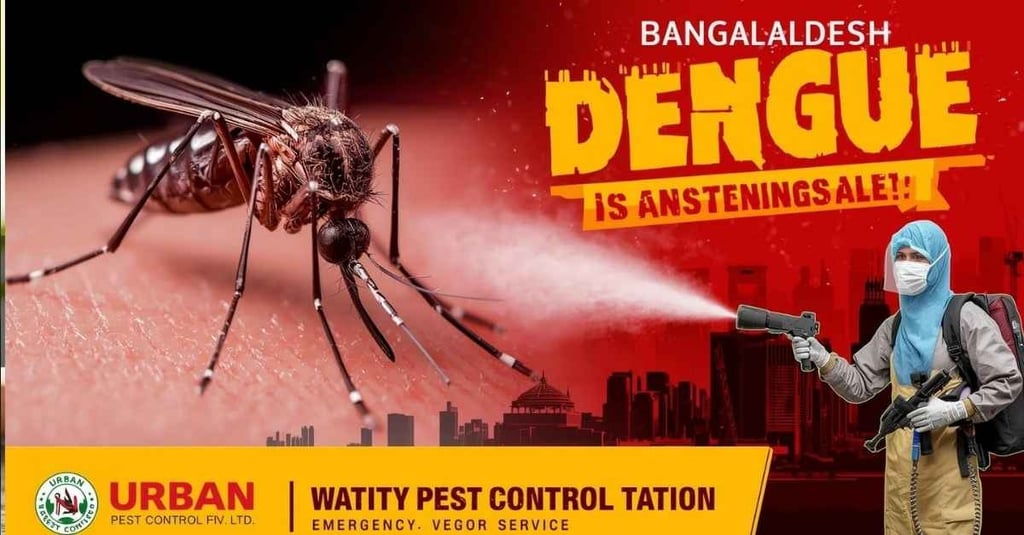
As of the latest reports, Dhaka is grappling with a pronounced outbreak of dengue fever, which has raised significant public health concerns. According to the Directorate General of Health Services (DGHS), thousands of confirmed cases have been documented in recent months, highlighting a worrying trend in the health landscape of the capital. Data indicates that the number of reported dengue cases has surged compared to previous years, with the peak season occurring during the monsoon months when conditions are most conducive to mosquito breeding.
The demographics affected by this outbreak include a wide age range, although children and young adults are particularly vulnerable. Recent statistics reveal that the hospitalization rate among these groups is notably higher, demanding urgent attention from health authorities. The ongoing outbreak has not only disrupted daily life but has also placed additional strain on healthcare resources, with hospitals witnessing an influx of patients presenting with dengue symptoms.
Several factors contribute to the rising incidence of dengue fever in urban settings like Dhaka. Rapid urbanization has led to inadequate drainage systems, creating stagnant water pools that serve as breeding grounds for the Aedes aegypti mosquito, the primary vector of the virus. Furthermore, climate change has exacerbated the conditions suitable for mosquito proliferation, with increased rainfall and fluctuating temperatures fostering an environment that facilitates their lifespan and reproduction.
Continual awareness and management efforts are crucial in mitigating the outbreak’s impact on the population. Health authorities and community organizations are actively promoting initiatives aimed at educating the public about dengue fever prevention, which includes the elimination of standing water and the use of mosquito repellents. It is imperative for Dhaka’s residents to remain vigilant and proactive in combating this persistent public health threat.
The Role of Aedes Mosquito Breeding Grounds
The Aedes mosquito, specifically Aedes aegypti, is the primary vector responsible for the transmission of dengue fever. In urban settings like Dhaka, the environmental conditions significantly influence the breeding patterns of these mosquitoes. A thorough understanding of these breeding grounds is essential for effective prevention strategies against dengue outbreaks.
One notable breeding site in Dhaka is rooftop gardens, which have become increasingly popular among residents seeking green spaces in densely populated areas. Although these gardens can have a positive impact on urban aesthetics, they often collect water in plant trays, pots, and other receptacles, providing ideal environments for Aedes mosquitoes to lay their eggs. The accumulation of rainwater or improper drainage can lead to a surge in mosquito populations, thereby increasing the risk of dengue transmission.
Construction sites are another concerning factor. These areas frequently contain stagnant water in containers, excavations, or discarded materials. The unfinished nature of construction sites can attract mosquitoes, as water can accumulate in machinery or piles of debris. Without proper site management and regular inspections to eliminate stagnant water, such sites can contribute heavily to the local Aedes populations.
Moreover, residential areas with poor waste management practices exacerbate the problem. Stagnant water found in discarded tires, broken pots, and other debris can serve as breeding grounds. The community’s role in waste disposal and management is crucial for eliminating potential habitats for Aedes mosquitoes. Educating residents about their responsibilities in maintaining clean environments is a vital step toward controlling dengue fever outbreaks.
In summary, understanding the breeding grounds of Aedes mosquitoes in Dhaka underscores the importance of community involvement and improved urban planning. Addressing these areas effectively can help mitigate the spread of dengue fever and protect public health.
Identifying Common Breeding Sites in Residential Areas
Dengue fever, transmitted by the Aedes mosquito, poses a significant health risk, particularly in urban settings such as Dhaka. A key factor in controlling dengue transmission is identifying common breeding sites for these mosquitoes within residential areas. Recognizing these locations allows communities to implement effective prevention strategies to minimize the mosquito population and consequently reduce dengue outbreaks.
One of the primary breeding sites in urban environments is water storage containers. Many households in Dhaka store water due to intermittent supply issues, and if these containers are not properly covered, they create ideal conditions for Aedes mosquitoes to lay eggs. Educating residents about the importance of sealing water storage containers can greatly diminish breeding opportunities.
Abandoned containers also present major breeding sites. Items such as tires, buckets, and other debris that collect rainwater can serve as breeding grounds. Regular community clean-up drives and public awareness campaigns can encourage residents to remove these containers from their surroundings, thus reducing the risk of dengue transmission.
Poorly managed drainage systems present another significant concern. Blocked or stagnant drainage channels can retain water, creating a perfect environment for mosquito reproduction. Local authorities need to ensure regular maintenance of drainage systems to prevent water accumulation that may foster mosquito breeding.
In summary, identifying and addressing these common breeding sites—water storage practices, abandoned containers, and poorly managed drainage systems—are crucial steps in formulating effective control measures against the spread of dengue fever. Heightened awareness and proactive community involvement are essential in mitigating the risks associated with dengue outbreaks in residential areas.
Urban Pest Control Strategies: Professional Fogging and Larvicide Treatments
The management of mosquito populations in urban areas is critical for controlling dengue fever outbreaks in Dhaka. Professional pest control services play a significant role in this endeavor, particularly focusing on methods such as fogging and larvicide treatments. These approaches are essential in reducing the population of adult mosquitoes and preventing the proliferation of larvae, respectively.
Fogging is a widely used technique that involves the application of insecticides in a fine mist to achieve immediate reduction of adult mosquitoes. The application is most effective during the evening or early morning when mosquitoes are most active. The strategic use of fogging ensures that a larger area can be covered quickly, minimizing the risk of dengue virus transmission. Urban Pest Control Pvt. Ltd. emphasizes the importance of timing and frequency in the application of fogging treatments, typically recommending bi-weekly interventions during peak transmission seasons.
On the other hand, larvicide treatments target the aquatic environments where mosquitoes thrive during their larval stage. These treatments involve the use of biological or chemical agents to interrupt the life cycle of mosquitoes, effectively reducing their populations before they can emerge as adults. Urban Pest Control utilizes environmentally friendly larvicides that are safe for humans and pets while being effective in controlling larvae in stagnant water sources.
Employing trained professionals for these pest control strategies is vital to ensuring their effectiveness and safety. These experts are equipped with the knowledge and experience to apply treatments at the correct rates and locations, significantly enhancing the urban pest control efforts. Continued collaboration with organizations such as Urban Pest Control Pvt. Ltd. is essential for sustainable management of mosquito populations and the prevention of dengue outbreaks.
Importance of Drain Management in Dengue Prevention
Dengue fever, a mosquito-borne viral illness, poses a significant threat to public health, especially in urban areas like Dhaka. One of the critical factors contributing to the spread of dengue is the presence of stagnant water, which provides an ideal breeding ground for mosquitoes, particularly the Aedes aegypti species. Therefore, effective drain management is essential in mitigating these risks and preventing future outbreaks of dengue.
Poorly maintained drainage systems can lead to water accumulation, creating an environment conducive to mosquito proliferation. Overflowing drains, blocked sewers, and inadequate wastewater management can all contribute to the emergence of stagnant water bodies. These conditions not only increase mosquito populations but also elevate the risk of disease transmission. It is imperative that urban authorities prioritize the maintenance and improvement of drainage infrastructure to reduce the likelihood of standing water accumulation.
Implementing effective drain management strategies can significantly reduce the incidence of dengue. Regular inspections and upgrades to drainage systems are vital to ensure their functionality and efficacy. This includes cleaning debris, removing blockages, and repairing damaged pipes or channels. Public awareness campaigns focused on promoting community participation in maintaining these systems can also enhance the overall effectiveness of drain management efforts. Additionally, collaboration with professional pest control companies, such as Urban Pest Control Pvt. Ltd., can provide expertise in creating sustainable drainage solutions. Such partnerships can ensure that proper techniques are utilized, thereby further decreasing mosquito breeding habitats.
In summary, proper drain management plays a pivotal role in preventing dengue outbreaks. By maintaining clear and efficient drainage systems, authorities can create an environment less conducive to mosquito breeding, ultimately protecting public health and well-being in urban settings like Dhaka.
Practical Prevention Tips for Apartments and Commercial Buildings
In the context of a dengue fever outbreak, it is crucial for residents of apartments and owners of commercial buildings to adopt strategic preventive measures. The prevention of dengue primarily revolves around eliminating potential breeding grounds for mosquitoes, particularly Aedes aegypti, the primary vector responsible for transmission. One of the most important strategies is to maintain clean and dry environments.
Regular cleaning of indoor and outdoor spaces is essential. This includes promptly disposing of any items that can collect rainwater, such as old tires, buckets, and flower pots without proper drainage. For apartments, residents should ensure that balconies and terraces are free from clutter where water can accumulate. Additionally, it is advisable to keep drains unclogged and to clean rooftops to avoid the improper collection of rainwater.
Management of rainwater runoff is another vital aspect of prevention. Residents should assess and adjust landscaping around their buildings to facilitate proper drainage. Any areas where water tends to pool should be filled in or designed to allow for better water flow away from the structure. Owners of commercial buildings should consider installing proper drainage systems and ensuring that any gutters and downspouts are directed away from the foundation, minimizing standing water issues.
Regular checks for standing water are also critical in lowering the risk of dengue outbreaks. Conduct routine inspections in and around buildings, including areas where water can collect unnoticed, such as air conditioning drip trays and water tanks. Educating residents and employees about the importance of these practices fosters a proactive approach toward tackling the dengue problem in urban settings.
By implementing these practical prevention tips, both residents of apartments and commercial building owners can significantly contribute to reducing the risk of dengue fever outbreaks within their communities.
Community Engagement and Awareness for Dengue Prevention
The effectiveness of dengue prevention strategies largely hinges on the local community's active involvement. Fostering a sense of responsibility among residents can lead to significant reductions in the incidence of this mosquito-borne disease. Community engagement initiatives play a critical role in raising awareness and educating individuals about the risks associated with dengue fever, as well as the preventive measures that can be undertaken.
A key component of these initiatives is organizing awareness programs tailored to educate residents about the life cycle of the Aedes mosquito, which is responsible for transmitting the dengue virus. Informative workshops can be conducted in schools, community centers, and local gatherings, where participants can learn how to identify and eliminate potential breeding sites around their homes, such as stagnant water containers, flower pots, and discarded tires.
Moreover, educational campaigns utilizing various media platforms can further disseminate crucial information about dengue prevention. Posters, pamphlets, and social media content can be employed to reach a wider audience. These resources should outline simple yet effective steps residents can undertake to improve their surroundings and reduce mosquito populations, thus decreasing the potential for outbreaks.
Collective efforts to monitor local environments for breeding sites are also essential in fostering community responsibility. Residents can form neighborhood watch groups dedicated to inspecting their areas for standing water and ensuring proper waste management. Collaborating with local health authorities to conduct regular clean-up drives can increase community participation and enhance the overall effectiveness of dengue prevention efforts.
In conclusion, promoting community engagement and awareness is pivotal for long-term dengue prevention. By involving residents in the identification and management of mosquito breeding sites, we can build resilient communities equipped to combat dengue fever outbreaks effectively.
Address:
264/5, Kamal Soroni Road, Mirpur, Dhaka-1216
Contact
Your Quaries on pest control askings
pestexterminatorbd@gmail.com
+8801642008383 +8801988300003, 01723057746
© 2025. All rights reserved. to Urban Pest Control Pvt. Ltd. this site is powered by Our Own IT Team