
Dengue Prevention Guide 2026: How to Protect Your Family from Mosquito Attack
2/20/20267 min read

Introduction to Dengue Fever
Dengue fever is a viral illness transmitted primarily by Aedes mosquitoes, particularly Aedes aegypti and Aedes albopictus. It is a significant public health concern in Bangladesh, where seasonal outbreaks are increasingly observed. The condition is endemic in tropical and subtropical regions, with Bangladesh consistently reporting high incidence rates during specific periods each year, often correlated with the monsoon season when mosquito breeding sites proliferate due to increased stagnant water.
The symptoms of dengue fever can vary in severity, ranging from mild flu-like manifestations to severe forms characterized by hemorrhagic complications. Common symptoms include sudden high fever, severe headaches, joint and muscle pain, rash, and fatigue. If not promptly recognized and treated, dengue can progress to dengue hemorrhagic fever or dengue shock syndrome, which may lead to serious health complications or even death. Thus, timely identification of both mild and severe cases is critical in managing the disease.
Raising awareness about dengue symptoms and transmission is essential for prevention efforts. Education can empower communities to take proactive measures to reduce mosquito breeding grounds, such as proper waste management, maintaining clean surroundings, and using mosquito repellents. Such awareness is particularly crucial in rapidly urbanizing areas of Bangladesh, where population density increases the risk of transmission. Understanding the epidemiology of dengue fever, including its seasonal patterns and vector behavior, is vital for effective public health interventions. With increased knowledge, both individuals and communities can contribute to mitigating the impact of this disease.
Causes of Dengue Fever
Dengue fever, a significant public health concern in Bangladesh, originates from the dengue virus, which is primarily transmitted to humans through the bite of infected Aedes mosquitoes, notably Aedes aegypti and Aedes albopictus. Understanding the biological and environmental factors that underlie the transmission of dengue is crucial for effective prevention and control.
The life cycle of the Aedes mosquito involves several stages: egg, larva, pupa, and adult. Under ideal conditions, the female Aedes mosquito requires standing water to lay her eggs, which can develop rapidly into larvae within a week. The conditions in Bangladesh, characterized by its tropical climate, high humidity, and monsoon season, create an environment conducive to mosquito breeding. Stagnant water found in containers, discarded tires, and clogged drains particularly enhance the potential for mosquito proliferation.
Several socio-environmental factors in Bangladesh exacerbate the prevalence of dengue fever. Urbanization has led to extensive construction, which often results in inadequate waste management and the accumulation of water. Alongside this, the rapid population growth increases the risk of transmission as people are likely to come into contact with the mosquitoes. Poor health infrastructure and low public awareness regarding preventive measures further complicate the situation.
Moreover, changes in weather patterns, including increased rainfall and rising temperatures, can also lead to higher incidences of dengue outbreaks. The warmer climate contributes to an extended breeding season for Aedes mosquitoes, making vector control measures essential. Addressing these environmental and biological factors is vital in curbing the spread of dengue fever in Bangladesh and enhancing community health outcomes.
Common Aedes Mosquito Breeding Spots
The Aedes mosquito, particularly the Aedes aegypti and Aedes albopictus species, serve as primary vectors for the transmission of dengue fever. Understanding their breeding sites is crucial for effective prevention and control measures in Bangladesh. These mosquitoes prefer to breed in stagnant water, which can be found in various locations, often overlooked by residents. Identifying these breeding spots is essential for reducing the mosquito population and the risk of dengue outbreaks.
One of the most common breeding sites is discarded tires. Unused tires collect rainwater, creating an ideal environment for Aedes mosquitoes to lay their eggs. Often, these tires are left outdoors, in parks, or near homes, providing mosquitoes with a safe haven. To mitigate this issue, it is vital for communities to practice proper waste disposal and recycling of tires.
Open containers, such as buckets, cans, and bottles, also serve as significant breeding sites. Any container that retains water for a week or longer can become a breeding ground. This is especially prevalent in urban areas, where water supply disruptions may lead residents to store water in various containers. Regular checks and cleaning of these containers can substantially diminish mosquito reproduction.
Flower pots and plant trays are yet another source of stagnant water. Overwatering plants can lead to water accumulation at the bottom, creating a prime spot for breeding. Homeowners should ensure that water is not allowed to gather in those areas. Furthermore, clogged gutters are often overlooked; they trap rainwater and provide an ideal breeding habitat. Routine maintenance of the roof and gutters can significantly reduce water stagnation and consequently curtail breeding opportunities for Aedes mosquitoes.
In essence, by recognizing and addressing these common breeding spots, individuals and communities in Bangladesh can play a substantial role in controlling the Aedes mosquito population and minimizing the risk of dengue fever transmission.
Prevention Tips for Home and Office
In the ongoing fight against dengue fever, individuals can take meaningful steps to safeguard their homes and workplaces from mosquito breeding. One of the most crucial preventive measures involves maintaining cleanliness, particularly in areas where water tends to accumulate. Regularly emptying, cleaning, or covering containers that can hold water, such as buckets, flower pots, and discarded tires, is essential as stagnant water serves as a breeding ground for mosquitoes.
Another effective strategy includes the use of mosquito repellents. Opting for repellents that contain DEET, picaridin, or oil of lemon eucalyptus can significantly reduce the likelihood of mosquito bites. Applying these repellents to exposed skin, especially during peak mosquito activity times, which are typically dawn and dusk, enhances personal protection. It is advisable to follow the application instructions carefully for optimal effectiveness.
Physical barriers also play a vital role in prevention. Installing window and door screens can prevent mosquitoes from entering indoor spaces. Additionally, utilizing mosquito nets while sleeping can provide extra protection, particularly in areas with high mosquito populations. These nets can be particularly beneficial in regions where the risk of dengue fever is heightened.
Furthermore, encouraging a culture of vigilance among colleagues and family members can amplify preventive efforts. Conducting regular inspections of the premises for potential mosquito breeding sites promotes a proactive approach. Educational initiatives about the significance of dengue prevention should be incorporated into workplace safety seminars and community programs.
By integrating these practical strategies into daily routines, individuals can significantly decrease mosquito populations in their environments, contributing to a collective effort in the prevention and control of dengue fever in Bangladesh.
Professional Pest Control Solutions
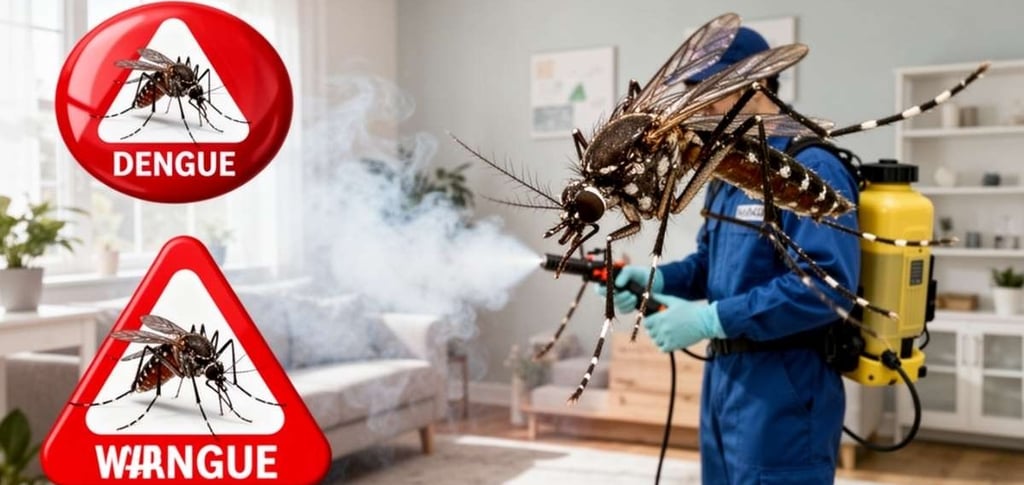
Engaging professional pest control services is crucial in the fight against dengue fever, particularly in areas prone to outbreaks, such as Bangladesh. These trained experts employ various methods to effectively reduce the population of Aedes mosquitoes, the primary carriers of the dengue virus, thus minimizing the risk of transmission. One of the most commonly used methods is fogging, where insecticides are sprayed in a fine mist to quickly kill adult mosquitoes in populated areas, providing immediate relief.
Another effective strategy used by pest control professionals is larviciding. This method involves applying larvicidal agents to water sources where mosquitoes breed, preventing their larvae from developing into adult mosquitoes. Given the life cycle of the Aedes mosquito, which can often be completed within a week, timely larviciding can significantly disrupt population growth and decrease the chances of an outbreak.
Furthermore, professional pest control services often initiate community awareness programs. These programs educate the public about the importance of maintaining clean surroundings to eliminate potential mosquito breeding sites. This involves promoting practices such as removing stagnant water, utilizing mosquito nets, and encouraging community participation in clean-up drives. By fostering a culture of hygiene and awareness, these preventative efforts can lead to long-term solutions in reducing dengue incidences.
In summary, the role of professional pest control services in managing and controlling dengue fever in Bangladesh cannot be overstated. Their expertise in fogging, larviciding, and community outreach builds a comprehensive approach to reducing mosquito populations, and thereby, the transmission of dengue. Implementing these strategies not only provides immediate relief but also establishes a framework for long-term prevention.”
Seasonal Advice and Local Context
Dengue fever is a significant public health challenge in Bangladesh, particularly during the monsoon season, when the combination of heavy rainfall and stagnant water creates optimal breeding conditions for the Aedes mosquitoes that transmit the virus. Understanding the seasonal patterns of dengue outbreaks is crucial for both individuals and communities to implement effective prevention strategies.
During the monsoon months, it is essential for residents to be vigilant and proactive in maintaining a clean environment. One of the most effective measures against the breeding of dengue-carrying mosquitoes is the elimination of standing water. This can be done by regularly checking and emptying containers that may collect rainfall, such as buckets, discarded tires, and flower pots. Household responsibilities should include covering water storage containers tightly to prevent mosquitoes from accessing them.
Communities can enhance collective efforts by organizing awareness campaigns and clean-up drives that encourage residents to dispose of waste responsibly and identify breeding hotspots in their neighborhoods. Such initiatives can lead to a significant reduction in mosquito populations.
Besides environmental management, personal protective measures should also be part of comprehensive dengue prevention strategies throughout the year. Using mosquito repellents, wearing long-sleeved clothing, and utilizing window screens can substantially reduce the risk of mosquito bites. In addition, employing mosquito nets while sleeping can offer further protection, especially in areas where dengue transmission is prevalent.
As dengue cases can surge outside of the monsoon season as well, maintaining these practices year-round is necessary for sustained community health. Individuals should stay informed about dengue trends in their locality and remain vigilant to minimize risk, ensuring that both personal and community health remains safeguarded against this infectious disease.
Frequently Asked Questions about Dengue
Dengue fever is a viral infection transmitted primarily by Aedes mosquitoes, specifically the Aedes aegypti and Aedes albopictus species. Understanding its transmission, symptoms, and preventative measures is crucial for minimizing risks, especially in regions like Bangladesh where dengue is endemic.
One of the most common questions is: "How is dengue transmitted?" Dengue is mainly spread through the bite of an infected mosquito. These mosquitoes typically bite during the day, peaking in the early morning and late afternoon. Additionally, they can breed in stagnant water, making proper waste management and sanitation essential for mosquito control.
Another important inquiry revolves around symptoms: "What are the common symptoms of dengue fever?" Symptoms can range from mild to severe and often include high fever, severe headaches, joint and muscle pain, rash, and mild bleeding. Recognizing these symptoms early can significantly improve outcomes, as timely medical attention is critical.
Additionally, many individuals ask about prevention strategies. Effective measures include eliminating standing water, using mosquito repellents, wearing long-sleeved clothing, and installing window and door screens. Public health initiatives also play a vital role, such as community awareness programs and vector control measures aimed at reducing the mosquito population.
Emergency Hotlines for Dengue Assistance
In cases of suspected dengue infection or emergencies, immediate medical assistance is vital. Residents and visitors in Bangladesh can contact the following hotlines: the Directorate General of Health Services at 01973-830000 and the Health Emergency Operation Center at 16263. These hotlines provide guidance and can facilitate timely interventions.
Address:
264/5, Kamal Soroni Road, Mirpur, Dhaka-1216
Contact
Your Quaries on pest control askings
pestexterminatorbd@gmail.com
+8801642008383 +8801988300003, 01723057746
© 2025. All rights reserved. to Urban Pest Control Pvt. Ltd. this site is powered by Our Own IT Team