
Disease Doesn’t Knock Before Entering Your Home
2/2/20268 min read
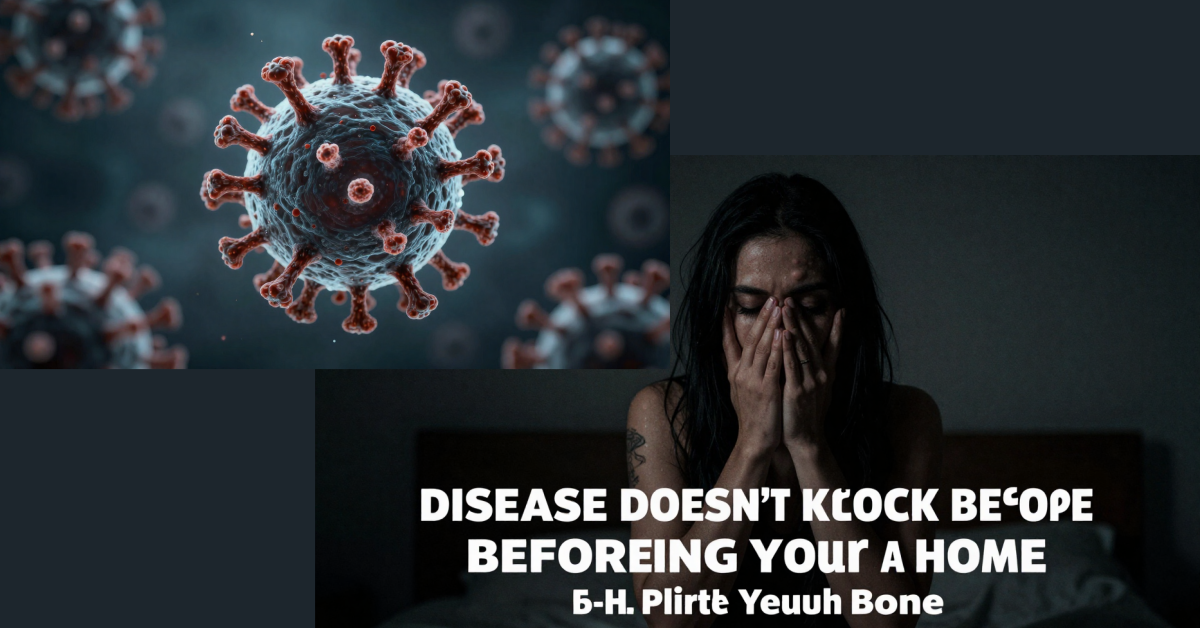
Understanding the Unseen Threats: How Diseases Spread
Diseases can infiltrate our homes through a variety of pathways, often without us even realizing it. A primary vector is the air we breathe. Airborne pathogens, such as viruses and bacteria, can travel from one person to another via aerosolized droplets, particularly in enclosed spaces. Seasonal illnesses like influenza and the common cold illustrate this spread, wherein one infected person can infect others in close proximity.
Water contamination is another major concern. Waterborne diseases can arise from ingestion of contaminated tap water, or through activities such as bathing and swimming. Organisms like Giardia and Cryptosporidium can lead to gastrointestinal issues and are typically spread via polluted water sources. It is crucial to ensure that drinking water is properly filtered and treated to avoid such risks.
Food can also serve as a vehicle for disease transmission. Improperly handled, raw or undercooked foods can harbor pathogens like Salmonella and E. coli. Statistics indicate that approximately 48 million people in the United States suffer from foodborne illnesses each year, underscoring the importance of food safety practices such as cooking meat to the appropriate temperatures and maintaining hygiene during food preparation.
Direct contact is perhaps the most recognizable mode of transmission. Germs can spread through physical touch, whether it be between individuals or via surfaces. Common household items, such as doorknobs, light switches, and remote controls, can harbor significant levels of pathogens. Regular cleaning and disinfecting of these high-touch surfaces is essential in curbing the spread of various infectious diseases.
In conclusion, understanding how diseases spread through air, water, food, and direct contact is essential for maintaining a healthy home environment. By being aware of these vectors, individuals can adopt preventive measures and contribute to the overall well-being of their households.
The Importance of Prevention: Why You Shouldn't Ignore Early Symptoms
In the realm of health, prevention plays a crucial role in mitigating the consequences of various diseases. Recognizing early symptoms of illness can be the difference between prompt treatment and a difficult road to recovery. Many infections present subtle signs that are often overlooked, yet their significance should not be underestimated. Common symptoms such as fever, fatigue, and persistent cough can indicate a range of health concerns, from mild infections to more serious illnesses. Early detection is fundamentally linked to better health outcomes and can significantly reduce the risk of complications.
Vigilance in observing these symptoms is essential. For instance, an unexpected rash may be dismissed as an allergic reaction, when in fact it could signal an underlying infection. Understanding the importance of these warning signs promotes proactive health management. Individuals who take the initiative to monitor their health are more likely to seek medical advice when symptoms arise, allowing for timely intervention and treatment.
Real-life examples serve to illustrate the profound impact of early recognition. Consider a case where a person experiences unusual fatigue and minor flu-like symptoms, which they initially attribute to stress. Upon further investigation, it is discovered that these symptoms were manifestations of a more serious condition. By seeking medical attention early, the individual was able to begin treatment before the illness progressed, ultimately leading to a more favorable outcome. On the contrary, neglecting such signs can contribute to more extensive health issues, affecting not only the individual but also those around them.
As a society, we must cultivate a culture of attentiveness to our health and the health of those around us. By prioritizing awareness of early symptoms and encouraging discussions about health concerns, we can foster resilience against diseases. In conclusion, recognizing and responding to early symptoms is a key component of disease prevention, making it an essential practice for ensuring better health outcomes.
Creating a Disease-Resilient Home: Key Strategies
To establish a disease-resilient home, it is essential to implement a series of strategies that fortify your living space against infections. One of the primary areas of concern is sanitation. Regular cleaning and disinfecting surfaces in high-traffic areas, such as kitchens and bathrooms, can drastically reduce the likelihood of disease spread. Use EPA-approved disinfectants and follow the manufacturer's instructions for effective germ elimination. Focus on frequently touched surfaces such as doorknobs, countertops, and faucets, as these are common transmission hotspots.
Air quality also plays a crucial role in maintaining a healthy home environment. Investing in an air purification system can help filter out airborne pathogens and allergens that may contribute to health issues. Look for filters capable of capturing small particles, including viruses and bacteria, and ensure they are replaced regularly for optimal performance. Additionally, maintaining proper ventilation by opening windows when weather permits can further enhance indoor air quality.
In the kitchen, special attention should be given to food handling and hygiene practices. Always wash hands thoroughly before and after preparing food, and ensure all cooking surfaces and utensils are sanitized routinely. Store food properly and pay attention to refrigeration settings to inhibit bacterial growth. In bathrooms, consider using touchless fixtures such as faucets and soap dispensers to minimize contact with surfaces that are frequently contaminated.
Lastly, fostering a healthy lifestyle within the home enhances resilience against diseases. Encourage family members to practice good personal hygiene, maintain a balanced diet, and engage in regular physical activity. These habits can strengthen the immune system and contribute to a cleaner home environment. By embracing these strategies, homeowners can create a robust defense against the onset of diseases, ensuring a safer living space for all residents.
Role of Nutrition in Immunity: Eating to Fight Off Illness
Nutrition plays a pivotal role in supporting and enhancing the immune system, directly influencing an individual’s ability to fend off illnesses. A well-balanced diet is essential for optimal health, providing the necessary vitamins, minerals, and macronutrients that strengthen the immune response. Key nutrients, such as vitamins A, C, and E, along with zinc and selenium, contribute significantly to immune function and overall well-being.
Foods rich in antioxidants, such as fruits and vegetables, are crucial in combating oxidative stress, which can weaken the immune system. For instance, citrus fruits like oranges and grapefruits are high in vitamin C, known for its immune-boosting properties. Similarly, leafy greens like spinach and kale are rich in essential nutrients that enhance immune response. Furthermore, nuts and seeds provide healthy fats and vitamin E, supporting cell function and protection against pathogens.
Whole grains, legumes, and lean proteins form the backbone of a balanced diet, supplying energy and essential amino acids necessary for the production and repair of immune cells. Probiotics, found in yogurt and fermented foods, also play an integral role in maintaining gut health, which is closely linked to immune function. A healthy gut microbiome can significantly bolster the body’s defense against infections.
In addition to specific nutrients, maintaining overall dietary patterns is crucial. Diets that are high in processed foods and sugars can lead to inflammation and a compromised immune system. Prioritizing a diverse array of whole foods ensures that the body receives comprehensive nutritional support. Thus, investing in proper nutrition is not simply a matter of maintaining current health but is a proactive strategy for preventing diseases and enhancing immunity.
Mental Health Matters: Coping with Stress During Disease Outbreaks
The outbreak of any disease can significantly impact mental health, leading to heightened levels of stress and anxiety. This psychological strain often stems from uncertainty surrounding the disease, fear of contagion, and changes in daily routines. It is critical to address the mental health implications of such outbreaks, as mental well-being is intrinsically linked to overall health. Stress can compromise the immune system, making individuals more susceptible to illness, thereby creating a vicious cycle. Hence, recognizing and managing stress is essential.
One effective coping mechanism is to stay informed through reliable sources while avoiding information overload. Constant exposure to news regarding a disease can be overwhelming, and it is advisable to limit media consumption to specific times during the day. Additionally, engaging in mindfulness practices such as meditation and deep-breathing exercises can provide immediate relief from stress. These techniques help calm the mind and promote emotional balance, facilitating a clearer perspective on the situation.
Another way to bolster mental resilience is to maintain social connections, even if through digital means. Reaching out to friends and family via video calls or messaging platforms can foster a sense of camaraderie and support. Sharing concerns with loved ones often alleviates feelings of isolation and fear.
It is also beneficial to establish a daily routine. A structured schedule can instill a sense of normalcy in an otherwise chaotic environment, enhancing feelings of control and predictability. Incorporating physical activities and hobbies into the routine can further contribute to stress reduction and improve overall mood.
In conclusion, the psychological impact of disease outbreaks cannot be ignored. By implementing practical strategies for coping with stress and prioritizing mental health, individuals can navigate these challenging times more effectively. Recognizing the significance of mental well-being is vital in fostering resilience amidst the uncertainties of disease threats.
Community Action: How Neighborhoods Can Protect Each Other
In the realm of public health, the importance of community action cannot be overstated. A collective approach to disease prevention not only enhances individual well-being but fortifies the health of the entire neighborhood. By fostering an environment of neighborly cooperation, communities can establish robust systems that respond effectively to emerging health threats.
One prominent example of successful community initiative is the formation of local health committees. These committees serve as forums where residents can share insights about prevalent health issues, facilitating outreach programs tailored to the specific needs of the community. For instance, during the outbreak of seasonal flu, neighborhoods can organize vaccination drives, ensuring that residents, especially the vulnerable populations, have easy access to immunization. This proactive stance not only curtails the spread of the virus but instills a sense of solidarity among community members.
Moreover, disease prevention can be significantly enhanced through shared resources. Initiatives such as community gardens promote not only physical health through improved nutrition but also mental wellness by fostering a sense of belonging. Engaging community members in these shared spaces reinforces social connections and encourages knowledge sharing about health-related practices, like nutrition and exercise. This collaborative spirit creates a resilient network that supports individuals in making healthier choices.
Additionally, peer education programs can empower residents to take charge of their health. Trained community members can disseminate vital information about hygiene practices, vaccination schedules, and disease symptom recognition, promoting a culture of prevention. The ripple effects of these grassroots efforts can lead to higher rates of health literacy and ultimately greater community resilience against diseases.
Ultimately, by coming together as a cohesive unit, neighborhoods can create a protective buffer against infectious diseases, ensuring that when one of them faces a health challenge, they do not face it alone. Together, they can build a healthier future for all residents.
Final Thoughts: Staying Prepared Without Living in Fear
In today's world, the awareness of potential health risks, such as infectious diseases, is ever-present. However, it is crucial to approach this awareness with a balanced mindset, allowing for preparation without becoming overwhelmed by fear. Living in a state of constant apprehension can detract from our overall quality of life, inhibiting our daily activities and social interactions.
To maintain this balance, individuals should cultivate a proactive attitude towards their health without succumbing to anxiety. This can include implementing practical measures such as regular health check-ups, maintaining proper hygiene, and being aware of vaccinations. Additionally, staying informed about health recommendations from credible sources empowers individuals to make informed decisions, all while ensuring they do not fall prey to misinformation that can heighten fear.
Self-care routines also play a significant role in promoting both mental and physical well-being. Engaging in regular exercise, adopting a balanced diet, and fostering social connections can create a sense of community and support, reinforcing resilience against potential health threats. Mindfulness practices, such as meditation or deep-breathing exercises, can further alleviate stress and anxiety related to health concerns.
Furthermore, it is essential to encourage open discussions about health within families and communities, promoting an environment of understanding rather than one of fear. This can facilitate a collective approach to health, where individuals can share updates and resources, thereby strengthening their preparedness.
Ultimately, living with an awareness of health issues should inspire proactive steps towards safeguarding our well-being, rather than allowing fear to dictate our existence. By nurturing a mindset that embraces both vigilance and positivity, we can lead fulfilling lives while remaining mindful of our health and those around us.
Address:
264/5, Kamal Soroni Road, Mirpur, Dhaka-1216
Contact
Your Quaries on pest control askings
pestexterminatorbd@gmail.com
+8801642008383 +8801988300003, 01723057746
© 2025. All rights reserved. to Urban Pest Control Pvt. Ltd. this site is powered by Our Own IT Team