
DIY Pest Control vs Professional Control: The Real Difference
2/2/20267 min read
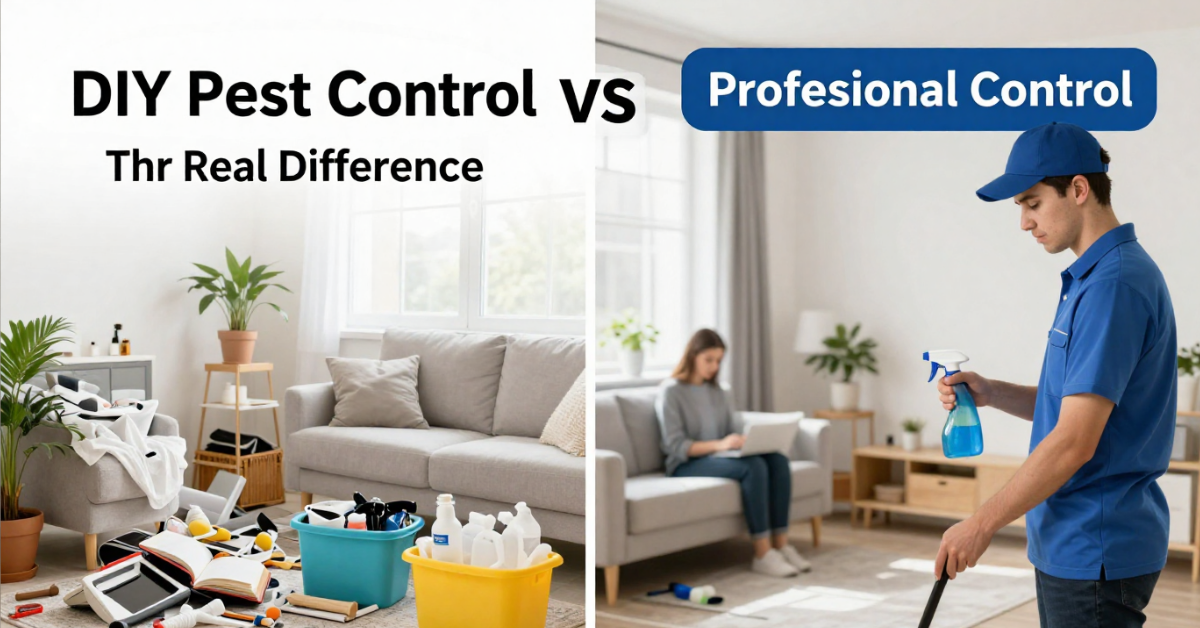
Introduction: Understanding Pest Control Options
Pest control is a crucial aspect of maintaining both the health of our living environments and the integrity of our properties. With the proliferation of pests ranging from insects to rodents, it becomes imperative for homeowners and businesses alike to address pest infestations promptly and effectively. This need for timely intervention has given rise to two primary approaches to pest management: do-it-yourself (DIY) pest control and professional pest control services.
DIY pest control has gained popularity among homeowners looking to tackle pest problems without incurring the costs typically associated with hiring professionals. This approach allows individuals to purchase various pest control products, apply them as needed, and implement preventive measures. While this option can be cost-effective, it often requires a substantial investment of time and effort. Furthermore, a lack of expertise may lead to ineffective treatment or even exacerbation of the pest problem.
On the other hand, professional pest control services offer expertise and experience that can be difficult for the average person to replicate. Licensed exterminators utilize advanced techniques, tools, and pesticides that are not readily available to consumers. They can also provide tailored solutions based on a comprehensive assessment of the infestation. However, this convenience comes at a higher financial cost, leading some to hesitate before engaging these services.
It is essential to understand the pros and cons of each option, as the effectiveness and efficiency of pest eradication can significantly depend on these factors. By evaluating personal circumstances, budget constraints, and the severity of the infestation, individuals can make informed decisions regarding their pest management strategies. In the following sections, we will delve deeper into the differences between DIY pest control and professional services, providing a detailed comparison to facilitate a better understanding of both choices.
DIY Pest Control: Advantages and Disadvantages
DIY pest control has gained traction among homeowners seeking to manage pest infestations independently. One significant advantage of DIY pest control is its cost-effectiveness. By opting for this route, homeowners can often avoid the substantial fees associated with hiring professional pest control services. Many common pest control products are readily available at local stores, ranging from traps to repellents, making it accessible and affordable for many.
Another benefit is convenience. Homeowners can choose when and how to implement pest control measures, allowing for a flexible approach tailored to their schedules. For those experiencing a minor insect issue, immediate action can prevent a larger infestation. Furthermore, engaging in DIY methods empowers homeowners and provides a sense of control over their living space.
However, there are notable disadvantages to be considered. One primary concern is the potential ineffectiveness of DIY methods, particularly for severe infestations. Homeowners may incorrectly identify the pest or underestimate the extent of the problem, leading to inadequate solutions and a persistent infestation. For instance, many might resort to over-the-counter products that fail to address the root cause of the pest problem.
Additionally, safety is an essential issue. Many pest control products contain harmful chemicals that can pose risks to both humans and pets. Proper handling and application are crucial, yet homeowners may lack the necessary training or caution. Misuse can result in unintended consequences, such as health hazards or environmental damage.
Examples of common DIY methods include utilizing vinegar for ant control or setting up traps for rodents. While these techniques can be effective under certain conditions, they might not suffice for more challenging pest scenarios. Ultimately, homeowners considering DIY pest control should weigh both advantages and disadvantages carefully.
Professional Pest Control: Advantages and Disadvantages
When dealing with pest issues, many homeowners consider hiring professional pest control services. These services often offer a myriad of advantages that may outweigh the challenges associated with them.
One significant advantage is the expertise and training that licensed pest control technicians possess. Professionals typically have a deep understanding of pest biology, behavior, and the most effective methods for eradicating various pests. This knowledge enables them to identify the root causes of infestations and implement solutions tailored to the specific situation, ensuring more reliable results than DIY methods.
Furthermore, professional services have access to advanced tools and treatments that are not readily available to the average consumer. They utilize specialized equipment and products that can target pests more effectively, minimizing the risk of recurrence. Many pest control professionals also offer warranties or service plans, providing added peace of mind to homeowners who are concerned about future infestations.
However, there are distinct disadvantages to consider. The most notable is the cost; hiring a professional can be significantly more expensive than tackling pest issues through DIY methods. Sliding scale pricing based on the severity of the infestation can add to the overall expense. Additionally, scheduling appointments may require homeowners to adjust their own schedules, and availability can sometimes be a drawback, especially during peak pest seasons.
Another concern is the potential use of chemical pesticides, which can be alarming to some homeowners. While professionals often utilize safe and environmentally friendly treatments, the perception of chemicals being used in one's home can deter some individuals from seeking professional help. Voice of consumers in testimonials shows that despite these concerns, many still opt for professional pest control due to its effectiveness and reliability. They often recognize that the peace of mind and assurance brought about by professional expertise justifies the cost.
The Process of DIY Pest Control
Engaging in DIY pest control can be an economical and practical approach for homeowners seeking to manage infestations. The first step in this process involves accurately identifying the pest. This is crucial, as different pests require distinct treatments. Conducting thorough research regarding the pest's behavior, habitat, and lifecycle aids in selecting effective control methods.
After identification, the next stage involves researching appropriate control methods. This may include reading articles, watching instructional videos, and reviewing product labels for pest control products. Understanding the pros and cons of various approaches—such as traps, baits, and homemade solutions—is essential for effective pest management.
Once a method is selected, preparing the area is vital to ensure safety and effectiveness. This preparation may involve clearing clutter, sealing entry points, and ensuring that pets and children are safely distanced from the treatment area. Proper preparation enhances the likelihood of successful pest eradication while minimizing any potential risks associated with pesticide application.
When applying treatments, it is essential to follow safety guidelines closely. This includes wearing appropriate protective gear, such as gloves and masks, and adhering to the manufacturer's instructions regarding dosage and application methods. Thoroughness is key; incomplete treatments can lead to a resurgence of the pest problem, negating any initial efforts. Monitoring the treated area for signs of lingering pests or new activity is an important follow-up step.
In summary, DIY pest control provides a structured approach that, when executed carefully, can lead to effective pest management. Thoroughness in identification, research, preparation, and application ensures a safer and more effective pest control outcome, while mitigating risks associated with improper application methods.
The Process of Professional Pest Control
Engaging a professional pest control service involves a series of structured steps designed to effectively address pest infestations. The initial phase is an inspection, where technicians conduct a thorough examination of the property to identify signs of pest activity. This inspection often includes assessing the type of pests present, understanding their behavior, and identifying potential entry points and nesting areas. The information gathered plays a crucial role in formulating a targeted treatment plan.
The subsequent step is the development of a treatment plan, which outlines the specific strategies and solutions that will be implemented. This plan is customized based on the type of pest(s) identified, as different pests may require different approaches. Common methods may include chemical treatments, mechanical traps, or natural pest control options, depending on the severity of the infestation and the client's preferences.
Once an agreement is established, pest control experts proceed with the application of solutions. This may involve spraying pesticides, installing traps, or using baits in key areas within the premises. Professional pest control services utilize safe and effective products that are often not available to the general public, ensuring a higher efficacy during treatment.
After the application, follow-up visits are an important aspect of the professional pest control process. These visits allow the technicians to assess the effectiveness of the treatments, make adjustments as necessary, and provide additional services if needed. Furthermore, these follow-ups help to ensure that any remaining pests are dealt with promptly, preventing re-infestation.
Finally, professional pest control includes preventive measures to ensure long-term pest management. Technicians provide recommendations for eliminating potential pest habitats, such as sealing cracks or modifying landscaping. By employing a customized and methodical approach, professional pest control services strive for sustainable solutions, ensuring that both current and future pest issues are effectively managed.
Cost Comparison: DIY vs Professional Pest Control
When addressing pest control, budget considerations often play a pivotal role in selecting between DIY methods and hiring a professional service. Initially, the financial outlay for DIY pest control can appear significantly lower. Homeowners can invest in readily available pest control products such as traps, sprays, or bait systems, generally costing anywhere from $10 to $50 depending on the severity of the pest invasion and the specific products chosen. In many instances, initial DIY expenses can be seen as financially advantageous for simple pest issues.
However, it is essential to consider potential recurring costs associated with DIY methods. Many pest infestations may not be fully eradicated with the first application, necessitating repeated purchases of products over time to manage the situation. This can lead to hidden costs that accumulate, especially for persistent problems like termites, rodents, or cockroaches. Moreover, if the initial DIY attempts fail, homeowners might find themselves needing to enlist professional services later on, which can further inflate their overall expenditure.
In contrast, the cost of professional pest control services typically ranges from $100 to $300 for an initial treatment, including inspection, treatment, and follow-up visits. While this higher upfront cost raises objections for some, it often brings a comprehensive solution, including expert evaluation and the appropriate treatments tailored to specific pest issues. Professionals may offer ongoing contracts that spread costs over time, potentially reducing the financial burden of recurring outbreaks.
In summary, while DIY pest control may offer lower initial costs, the potential for recurring expenses and the risk of ineffective treatments can lead to greater overall spending. Alternatively, professional pest control, despite higher upfront costs, often provides a long-term economic advantage through effective solutions and reduced recurrence of infestations.
Conclusion: Making the Right Choice for Your Pest Problem
Choosing between DIY pest control and hiring a professional pest management service is a crucial decision that depends on a variety of factors unique to each situation. The key differences between these two methods lie in the effectiveness, cost, safety, and persistence of the solutions offered. DIY pest control may appealingly present the advantage of lower immediate costs and the convenience of addressing minor problems at one's own pace. However, it may turn out to be less effective against severe infestations, as proper knowledge and skills are essential for justified treatment.
On the other hand, professional pest control services often provide an array of solutions tailored to specific pest issues. Their expertise in identifying pest behavior, lifecycle, and root causes can lead to comprehensive eradication and long-term prevention strategies that DIY methods simply cannot match. Nevertheless, professional services entail a larger financial commitment, which may not be feasible for everyone.
When faced with a pest problem, individuals should evaluate various aspects such as the type and severity of the infestation, personal comfort with handling pesticides or traps, and available financial resources. Comparing the pros and cons discussed in this blog can help clarify the most suitable approach to pest management based on personal circumstances and preferences. Ultimately, making an informed decision will contribute significantly to an effective resolution of pest issues, ensuring your living or working environment remains safe and pest-free.
Address:
264/5, Kamal Soroni Road, Mirpur, Dhaka-1216
Contact
Your Quaries on pest control askings
pestexterminatorbd@gmail.com
+8801642008383 +8801988300003, 01723057746
© 2025. All rights reserved. to Urban Pest Control Pvt. Ltd. this site is powered by Our Own IT Team