
DIY vs Professional Pest Control Technologies: What Works Best Globally?
1/31/20268 min read
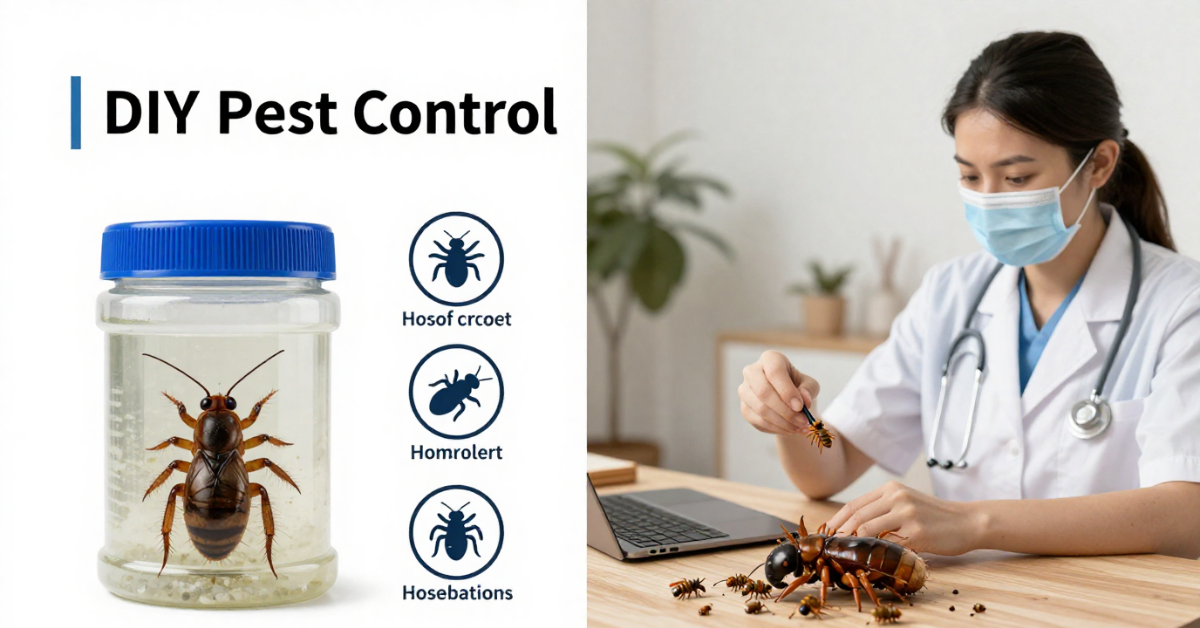
Introduction to Pest Control Options
Pest control has become an essential requirement in maintaining the integrity and comfort of both residential and commercial properties globally. As the awareness of pest-related issues increases, so does the demand for varied pest management strategies, which can broadly be categorized into two primary options: do-it-yourself (DIY) methods and professional pest control services. Each of these approaches presents its own advantages and limitations based on factors such as pest type, infestation severity, and property layout.
DIY pest control encompasses an array of techniques that property owners can implement on their own. This may include the use of over-the-counter pesticides, traps, or organic solutions like essential oils and natural repellents. Many individuals opt for DIY methods due to cost-effectiveness and the desire for immediate action against a perceived pest threat. However, it’s critical to recognize that these methods may not always provide comprehensive solutions, and improper use can sometimes exacerbate pest problems.
On the other hand, professional pest control services involve trained specialists equipped with advanced techniques and tools to manage infestations effectively. These experts typically conduct thorough inspections to identify the pest species and infestation sources, allowing them to tailor their approach for maximum effectiveness. With the use of specialized equipment and industry-grade products, professionals can address pest challenges that may be beyond the capabilities of DIY methods. Furthermore, many pest management companies offer ongoing monitoring and preventive services that can significantly reduce the risk of future infestations.
As the global marketplace continues to evolve, understanding the spectrum of pest control options is essential for homeowners and business operators alike. This overview sets the stage for a deeper analysis of DIY versus professional services, highlighting their respective benefits and challenges in the battle against unwanted pests.
Understanding DIY Pest Control Technologies
DIY pest control technologies encompass a range of methods that individuals can utilize to manage and mitigate pest problems within their homes or gardens. Common techniques include traps, sprays, and natural remedies, each designed to target specific pests effectively. Traps, such as sticky boards and pheromone traps, are often effective for monitoring and capturing specific insects and rodents. These tools provide a way to gauge pest populations and identify issues early, thereby preventing more significant infestations.
DIY sprays typically include chemical formulations or homemade solutions that can address various pests, from ants to mosquitoes. Commercial products often boast a combination of active ingredients that can deter or kill insect populations upon contact. Alternatively, natural remedies, such as diatomaceous earth or essential oils, offer environmentally friendly approaches to pest control. Solutions like vinegar and baking soda can also be employed for minor infestations, making these methods accessible and cost-effective for homeowners.
The effectiveness of these DIY methods largely depends on the type of pest and the severity of the infestation. In scenarios where the pest problems are minimal or in the early stages, DIY pest control can be sufficiently effective. For example, homemade traps for fruit flies or essential oil sprays for spiders can quickly alleviate minor nuisances without the need for professional intervention.
Advantages of employing DIY pest control technologies include the significant cost savings compared to hiring professional services. Additionally, the accessibility of many products allows individuals to take immediate action, often leading to quicker resolutions of pest issues. However, it is crucial to recognize the limitations of these methods, especially in cases of severe infestations where expert intervention might be the most viable solution. Overall, understanding the various DIY pest control technologies can empower homeowners to tackle pests effectively and efficiently when necessary.
The Landscape of Professional Pest Control Technologies
Professional pest control technologies encompass a diverse array of methods and tools designed to combat various pest issues effectively and sustainably. Among the most commonly utilized techniques are chemical treatments, which are often viewed as traditional yet effective solutions. These treatments involve the application of pesticides that target specific pests while adhering to safety guidelines mandated by regulatory bodies. Professional pest control operators are trained to choose appropriate chemicals based on the type of pest and the environment, ensuring effectiveness while minimizing risks to human health and non-target organisms.
In recent years, thermal treatments have emerged as an innovative approach in the pest control landscape. This method involves applying heat to eliminate pests, particularly bed bugs and termites, at their life stages. Thermal treatments boast the advantage of being chemical-free, making them increasingly popular among environmentally conscious consumers. This technology has gained traction due to its ability to reach all infested areas, including hidden spaces, which may be overlooked during conventional treatments.
Biological control methods represent another significant advancement in pest management. This technique employs natural predators or parasites to mitigate pest populations, thereby creating a balanced ecosystem. The implementation of such methods is not only effective but also reduces reliance on pesticides, promoting sustainability. Pest control professionals often integrate biological controls with other methods to enhance overall efficacy and reduce environmental impact.
Advancements in pest control technologies also highlight the importance of ensuring that certified professionals handle these methods. Trained technicians possess the necessary knowledge to assess situations accurately and implement the appropriate strategies. With the integration of modern technology such as mobile apps for diagnostics and monitoring, the pest control industry continues to evolve, enabling higher efficiency and greater success rates in managing pest populations.
Effectiveness and Safety: A Comparative Analysis
When evaluating pest control methods, both DIY and professional services present distinct advantages and challenges, particularly in terms of effectiveness and safety. Research shows that professional pest control services tend to achieve higher rates of success in pest eradication. A survey conducted by the National Pest Management Association indicates that over 80% of homeowners who employed professional services reported a significant reduction or complete elimination of pests compared to just 40% satisfaction among those opting for DIY methods.
One of the key factors contributing to the higher success rates of professional pest control services is the expertise and training that technicians receive. They are well-versed in identifying pest species, assessing infestations, and applying appropriate treatments. In contrast, DIY pest control often relies on generic solutions that may not address the specific needs of an infestation. For example, while a common household remedy like diatomaceous earth can prove effective against some insects, its application may not be sufficient for more resilient pests, such as termites or cockroaches.
In terms of safety, professional pest control services typically adhere to strict regulatory standards to ensure that chemicals used are safe for humans and pets. The professionals conduct risk assessments, taking into account the unique environment of each property. Conversely, DIY methods may involve the use of harmful substances without adequate understanding of their effects. A 2019 study published in the Journal of Pesticide Safety showed that improper handling and application of DIY pesticides resulted in approximately 10% of homeowners reporting adverse health effects, including headaches and respiratory issues.
Ultimately, the choice between DIY pest control and professional services hinges on individual needs and circumstances. While DIY methods can serve as a cost-effective solution for minor issues, the effectiveness and safety benefits of engaging professional pest control services cannot be overlooked, especially in more severe infestations.
Cost Considerations: DIY vs Professional Services
When evaluating pest control options, cost considerations play a significant role in the decision-making process. DIY pest control may appear to be the more economical choice at first glance. The initial investment typically involves purchasing over-the-counter pest control products, such as traps, sprays, and baits. These costs can vary widely depending on the type and scale of the infestation. Homeowners can expect to spend anywhere from $20 to $300 on DIY methods based on the severity of pest issues and the specific products chosen.
In contrast, hiring a professional pest control service often entails higher upfront costs. Professional services may charge a fee that ranges from $100 to $400 per visit, depending on the company's reputation, the type of pests involved, and the size of the property. However, it is crucial to consider the long-term implications of these costs. While DIY methods may seem less expensive initially, repeated treatments or ineffective solutions can lead to further expenditures.
Furthermore, the hidden costs associated with DIY pest control cannot be overlooked. Poor handling or application of pest control products may result in an infestation's resurgence, potentially leading to additional damages to the property. This, in turn, can incur repair expenses that far exceed the cost of hiring professionals in the first place. Additionally, improper use of chemicals can pose health risks to residents and pets, leading to potential medical expenses.
Ultimately, while DIY solutions might offer a temporary reprieve from pest issues, professional services can provide thorough, long-lasting solutions. When weighing the cost of pest control, it is essential to consider not just the immediate expenditures but also the potential long-term savings and hidden costs associated with ineffective DIY efforts.
Global Trends in Pest Control Practices
Pest control practices exhibit significant variation worldwide, influenced by cultural attitudes, economic factors, and regulatory environments. In many Western nations, such as the United States and Canada, the preference for professional pest control services is predominantly linked to the perception of safety and efficacy. Homeowners often rely on licensed exterminators who utilize advanced technologies and scientifically validated methods to address pest infestations. This approach not only assures them of a thorough eradication process but also mitigates health risks associated with chemical exposures.
Conversely, in various Asian countries like India and China, the approach to pest control frequently leans towards DIY methods. Local traditions and practices often favor the use of natural remedies and homemade concoctions, influenced by a cultural trust in indigenous knowledge. For instance, farmers in rural areas may utilize neem oil or garlic sprays as organic alternatives to chemical pesticides, reflecting a broader trend toward sustainable practices in many developing regions. Despite the effectiveness of these methods, access to information and resources can greatly vary, leading to a reliance on both community knowledge and industrial pest solutions.
In Europe, legislative measures such as the EU’s Sustainable Use of Pesticides Directive promote the use of integrated pest management (IPM) practices, advocating for a balanced combination of DIY and professional interventions. Countries like Sweden and Denmark encourage environmentally considerate strategies, including biological control methods, which incorporate the use of beneficial organisms to control pest populations. Such policies underline the region's commitment to sustainability while still recognizing the role of professional pest control services when necessary.
Overall, global pest control trends reveal a spectrum from DIY to professional strategies, shaped by local customs, economic capabilities, and governmental regulations. Understanding these diverse practices is crucial for identifying effective pest management solutions that align with cultural values and ecological sustainability.
Conclusion: Choosing the Right Pest Control Method
Deciding between DIY pest control and professional pest control services requires careful consideration of various factors that can influence effectiveness and safety. Both methods offer unique advantages and disadvantages that may cater to different circumstances.
DIY pest control often appeals to individuals who prefer a hands-on approach. It typically involves lower costs and offers the convenience of addressing infestations at one’s own pace. However, the efficacy of DIY solutions can vary significantly based on the pests involved, the methods employed, and the individual’s familiarity with pest control strategies. Moreover, without proper knowledge, individuals may inadvertently introduce health risks through inadequate application or misidentification of pests.
On the other hand, professional pest control services come with a higher financial commitment but provide the benefit of expert knowledge and specialized tools tailored to effective pest eradication. Professionals can quickly assess infestations with a wealth of experience, applying appropriate techniques to mitigate risks posed by pests while ensuring safety for humans and pets. In addition, many service providers offer warranties or follow-up treatments, which can be critical for long-term pest management.
Choosing the right pest control method depends on individual circumstances such as the severity of the infestation, personal comfort levels with chemical applications, and budget constraints. For minor infestations, DIY methods may suffice. However, more significant issues, particularly those posing health hazards or requiring advanced tactics, should ideally be managed by a licensed pest control professional. Weighing the pros and cons of each approach while considering these factors will guide individuals toward an informed decision that best meets their specific pest control needs.
Address:
264/5, Kamal Soroni Road, Mirpur, Dhaka-1216
Contact
Your Quaries on pest control askings
pestexterminatorbd@gmail.com
+8801642008383 +8801988300003, 01723057746
© 2025. All rights reserved. to Urban Pest Control Pvt. Ltd. this site is powered by Our Own IT Team