
E-Commerce Warehouses & Pest Infestation: Protecting Supply Chains in Bangladesh
2/22/20267 min read
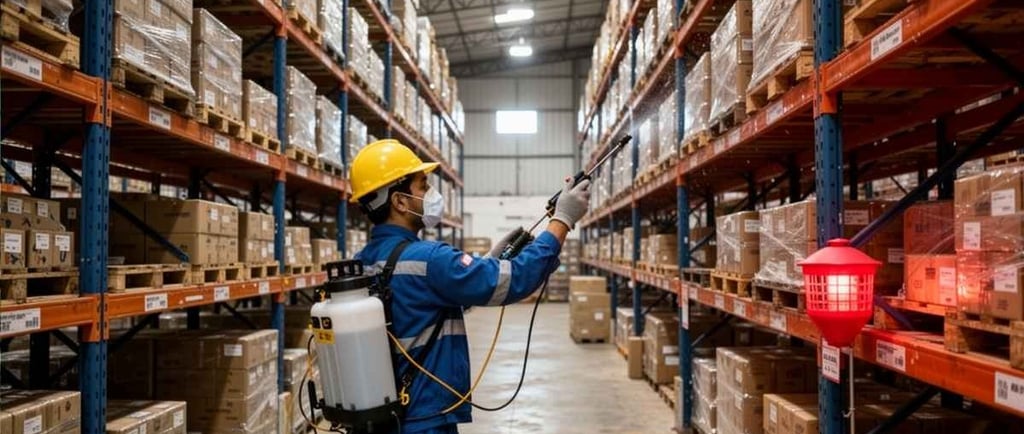
In recent years, the global trend of warehouse pest control has become increasingly significant due to several factors impacting industries worldwide. One of the primary drivers is the rapid growth of e-commerce. With more companies transitioning to online platforms, the volume of goods stored in warehouses has surged. This increase in inventory has inadvertently created fertile grounds for pests, necessitating comprehensive pest control strategies to prevent infestations that could jeopardize product integrity and brand reputation.
Moreover, food safety regulations have tightened across the globe, compelling warehouses that store consumables to enforce strict pest management policies. The rising emphasis on health standards, driven by both regulatory bodies and consumer demand, underscores the critical role of effective pest control in safeguarding products. In the European Union, for instance, stringent guidelines have been established to ensure that food storage facilities are free from pests, reflecting a broader awareness of health implications associated with infestations.
In addition to these factors, the awareness of health implications caused by pest infestations is more pronounced than ever. Countries with established pest control protocols, such as the United States and Canada, often showcase innovative methods, including integrated pest management (IPM), which focuses on environmentally friendly solutions. The trend is progressively being adopted in developing nations as well, as awareness grows regarding the potential economic loss from pest-induced product damage.
By observing how various countries approach pest control, it becomes evident that while methods may differ based on local regulations and cultural practices, the overarching goal remains the same: the effective management of pests to ensure safety and compliance. This global trend highlights a collective commitment to improving warehouse environments and protecting public health, serving as a reminder of the vital link between pest control practices and operational efficacy across all sectors.
Risks Posed to Packaged Food and Pharmaceuticals by Pests
Warehouse environments that store packaged food and pharmaceuticals are particularly vulnerable to pest infestations. Such infestations can pose significant risks that jeopardize the safety of these products, leading to contamination and spoilage. Common pests such as rodents and insects are known to carry diseases and can taint products through various means, including direct contamination or the deposition of droppings. This poses a serious health risk to consumers who rely on these products for sustenance and medical needs.
Moreover, the consequences of pest infestations often extend beyond immediate health concerns. For example, according to industry reports, pest-related issues can lead to substantial financial losses for companies. A single incident of pest contamination may not only result in the disposal of affected stock but could also set off a chain reaction affecting inventory management and consumer trust. In regulated sectors such as pharmaceuticals, compliance with strict health and safety standards is mandatory. Failing to control pests can lead to severe penalties, including recalls and legal ramifications.
To illustrate the impact of pests on warehouse operations, a study reported that facilities experiencing pest infestations faced losses averaging up to 20% of their inventory, primarily due to the destruction of products that required disposal. This emphasizes the necessity of implementing effective pest management strategies. Companies must invest in comprehensive pest control solutions, ensuring that their warehousing practices not only uphold safety and hygiene standards but also protect consumers from the adverse effects of pest contamination.
Rodent Proofing Strategies for Warehouses
Effective rodent proofing is essential for maintaining a safe and compliant warehouse environment. Rodents pose significant threats, including contamination of goods and potential damage to the infrastructure. Implementing a multifaceted approach to rodent control can mitigate these risks considerably.
One of the primary strategies for rodent proofing is the establishment of physical barriers. This includes sealing up entry points such as cracks and gaps in walls, floors, and ceilings, which are common entryways for rodents. Using materials like steel wool or caulking can help secure these vulnerabilities. Furthermore, installing self-closing doors and tight-fitting screens on vents and windows can deter entry while allowing ventilation.
Environmental modifications also play a key role in creating an inhospitable environment for rodents. This involves managing storage practices by elevating boxes and pallets off the floor and ensuring that outdoor vegetation is trimmed back from the building's perimeter. Additionally, maintaining a clean workspace free of food debris and clutter discourages rodent activity. Regularly checking for and repairing leaks will help eliminate potential water sources that may attract rodents.
Routine maintenance practices such as inspections and monitoring systems should be established to identify potential rodent activity swiftly. Warehouse managers can implement regular inspections, focusing particularly on areas where inventory is stored. Utilizing technology, such as motion sensors or surveillance cameras, can enhance the ability to detect any potential infestations early.
In summary, incorporating robust rodent proofing strategies through physical barriers, environmental modifications, and diligent maintenance plays a critical role in safeguarding warehouse operations. By proactively addressing these concerns, warehouse managers can significantly reduce the risk of rodent infestations and maintain a healthy, compliant workspace.
Importance of Scheduled Inspections and Fumigation Services
Maintaining a pest-free environment in warehouses is essential for the safety of products and compliance with health regulations. Scheduled inspections and fumigation services are integral to effective warehouse pest control in Dhaka. Regular inspections are the first line of defense in identifying potential pest infestations before they escalate into significant problems. By implementing a structured pest management plan, warehouse managers can ensure that inspections are performed consistently, allowing for the early detection of pests.
Frequent assessments facilitate the identification of risk factors that contribute to pest proliferation. These may include moisture accumulation, improper storage, and food residue, which can attract pests like rodents and insects. Addressing these factors promptly during scheduled inspections can significantly reduce the likelihood of future infestations. Moreover, pest control professionals are trained to recognize signs of trouble that untrained personnel might overlook, enhancing overall inspection efficiency.
Fumigation services, when integrated into the pest management plan, provide a crucial means of eradicating established pest populations. Fumigation is particularly effective in large warehouses where pests may hide in inaccessible areas. Conducting fumigation as part of a scheduled plan minimizes the downtime of warehouse operations while ensuring a thorough treatment. This not only protects the integrity of stored goods but also contributes to compliance with local health regulations.
In conclusion, the benefits of regular inspections and professional fumigation services cannot be overstated. A proactive approach in warehouse pest control through scheduled assessments and timely fumigation treatments promotes safety, compliance, and peace of mind for all stakeholders involved.
Protecting Compliance and Business Reputation
The significance of maintaining compliance with health and safety regulations within warehouse environments cannot be overstated, particularly concerning pest control practices. Warehouses often store goods that require strict adherence to sanitary conditions, making effective pest management an essential component of operational compliance. Failure to implement adequate pest control measures can lead to serious repercussions, including fines, legal action, and the loss of business licenses.
Effective warehouse pest control not only facilitates compliance with local regulations but also safeguards a company’s reputation. In an age where consumer awareness is heightened, businesses face increasing scrutiny regarding their operational practices. Clients and consumers prefer to engage with companies that prioritize safety and hygiene. Thus, a well-executed pest management strategy can enhance customer trust and loyalty, reinforcing the company’s image as a responsible and caring entity.
Moreover, pest infestations can lead to product damage, resulting in financial losses and potentially causing further harm to a company's reputation. For instance, visible evidence of pest activity may instigate customer complaints, tarnishing the organization’s image and possibly driving clients to competitors. In contrast, by consistently demonstrating an effective pest management protocol, a company positions itself as a leader in industry standards, promoting a culture of safety and quality.
In summary, prioritizing pest control not only meets legal requirements but also serves as a foundation for maintaining a positive business reputation. By effectively managing pests, a warehouse can avoid costly fines, protect its inventory, and nurture customer relationships—ultimately contributing to long-term business success.
Current Pest Management Solutions Available in Bangladesh
In Bangladesh, pest management solutions tailored for warehouses have evolved significantly, reflecting a growing awareness of the importance of maintaining pest-free environments. Several commercial pest control services offer a variety of strategies to address the unique challenges faced in the Bangladeshi context, including the presence of various pests such as rodents, termites, and cockroaches.
Integrated Pest Management (IPM) stands out as a prominent approach adopted by many pest control service providers. This method combines biological, physical, cultural, and chemical strategies to prevent and manage pests effectively. By focusing on reducing pest populations through sustainable practices, IPM minimizes reliance on pesticides and enhances safety within warehouse environments. Additionally, educating warehouse staff about the characteristics of pests and promoting good sanitation practices are integral parts of this approach.
Furthermore, technological advancements have also influenced pest management solutions. Innovative tools, such as electronic rodent monitoring systems and smart traps, enable real-time monitoring of pest activity. These technologies help warehouse managers take proactive measures, ensuring immediate response to pest sightings and minimizing the risk of infestations. Chemical alternatives are being utilized judiciously, with an emphasis on eco-friendly and less toxic options to ensure compliance with health and safety regulations.
In the context of Bangladesh, pest management solutions also face unique challenges, such as limited resources and high humidity levels that can facilitate pest proliferation. Addressing these issues requires customized solutions that account for regional variables and the specific requirements of warehouse operations. As pest control providers continuously adapt to the dynamic market, the importance of comprehensive strategies remains paramount in safeguarding warehouse facilities.
Conclusion: The Future of Warehouse Pest Control
Effective warehouse pest control is crucial in today’s competitive landscape, where compliance with health standards and maintaining product integrity are paramount. Throughout this post, we have explored various methodologies and strategies employed to manage pest populations within these environments. Continuous innovation and adaptation in pest management practices will shape the future of warehouse pest control.
Emerging trends suggest a leaning towards integrated pest management (IPM) practices, which not only focus on chemical applications but also emphasize preventive measures and biological controls. Companies are increasingly recognizing that a holistic approach to pest control minimizes risks while enhancing sustainability. Automation and smart technology are also beginning to play a significant role in monitoring and controlling pest activities in warehouses, allowing for real-time surveillance and rapid response capabilities.
Moreover, as government regulations evolve, businesses must stay abreast of potential changes in pest control standards. Regulatory bodies are likely to enforce stricter guidelines on the use of chemicals, pushing organizations to adopt more environmentally friendly pest management solutions. The future will undoubtedly see a greater emphasis on compliance, with businesses held to higher standards for their health and safety protocols.
Ultimately, the importance of innovation in warehouse pest control cannot be overstated. As consumer demands shift toward sustainability and health consciousness, the warehousing sector must align its pest management practices accordingly. Failure to adapt may lead to increased infestations, potential product losses, and negative impacts on brand reputation. By integrating new technologies, practices, and complying with evolving regulations, businesses can ensure they are capable of meeting both current and future challenges in warehouse pest control.
Address:
264/5, Kamal Soroni Road, Mirpur, Dhaka-1216
Contact
Your Quaries on pest control askings
pestexterminatorbd@gmail.com
+8801642008383 +8801988300003, 01723057746
© 2025. All rights reserved. to Urban Pest Control Pvt. Ltd. this site is powered by Our Own IT Team