
Ensuring Food Safety During Ramadan: Tackling Pest Infestations and Maintaining Standards
2/19/20268 min read
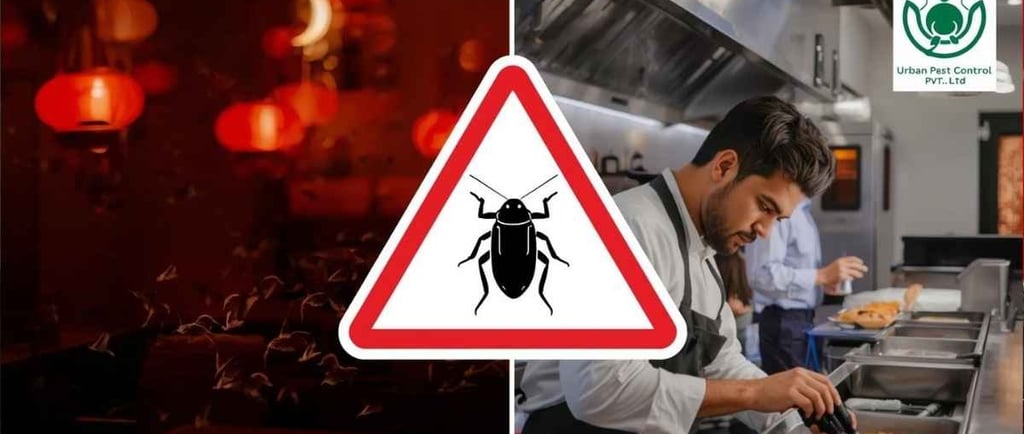
Introduction to Food Safety Challenges During Ramadan
Ramadan is a significant month for Muslims, characterized by fasting from dawn to sunset, which places a strong emphasis on food preparation and sharing. This holy month presents unique food safety challenges, notably due to the increased volume of food being prepared and stored. During this period, families often prepare large quantities of food in a short time frame, which can lead to potential food safety risks if not managed properly.
One of the primary concerns during Ramadan is the risk of pest infestations, particularly from cockroaches, rodents, and other pests that thrive in environments where food is abundant. These pests are not only a nuisance but also pose serious health risks, as they can contaminate food with pathogens and allergens, leading to foodborne illnesses. The warm and humid conditions typical in many regions during Ramadan can further exacerbate these issues, making it essential for households to maintain stringent food safety practices.
Additionally, the way food is stored and prepared during this month warrants extra attention. Leftovers and pre-prepared meals are commonly consumed, which increases the likelihood of improper handling and storage. To mitigate these risks, individuals and families should adopt measures such as ensuring all food is stored in airtight containers, keeping kitchens clean and free from debris, and being vigilant about the presence of pests. The implications of neglecting food safety during Ramadan can extend beyond just minor inconveniences; they can lead to severe health consequences that affect not only individuals but also their families and communities.
As the month progresses, the need for vigilance becomes even more critical, prompting a need to address potential pest infestations proactively. This awareness is vital for maintaining the integrity of food quality and safety, ensuring a healthy Ramadan experience for all participants.
Understanding the Cockroach Infestation Risks
Cockroaches are known to be one of the most resilient and pervasive pests, often infiltrating kitchens, food storage areas, and even drainage systems. Their presence poses significant health risks, particularly in food service establishments where hygiene is paramount. Understanding how cockroach infestations occur is essential for maintaining food safety, especially during the heightened demand for food service during Ramadan.
These pests thrive in warm, moist environments and can enter premises through tiny crevices, gaps around doors and windows, and even through packages of food. Once inside, they establish colonies that can grow exponentially if not addressed. Kitchens, in particular, can become a breeding ground for cockroaches due to food scraps, spills, and improperly stored items, making vigilance crucial.
One of the primary dangers associated with a cockroach infestation is their ability to contaminate food. Cockroaches carry a variety of bacteria on their bodies, which can be transferred to surfaces where food is prepared or stored. This contamination can lead to foodborne illnesses, resulting in health complications for consumers. Moreover, the unpleasant odor emitted by these insects can spoil the appeal of food items, further impacting service quality.
Food service providers must implement proactive measures to prevent cockroach infestations. This includes regular inspections, proper sanitation practices, and addressing any structural issues that could allow these pests to enter. It is essential to ensure that food items are stored in sealed containers and to conduct thorough cleaning routines, especially in hidden areas that may harbor these pests.
In conclusion, understanding the risks associated with cockroach infestations is critical for safeguarding food safety during Ramadan. By taking preventive steps and maintaining high standards of cleanliness, food service providers can reduce the likelihood of infestations and ensure the health and safety of their patrons.
The Importance of HACCP Compliance
The Hazard Analysis Critical Control Point (HACCP) system is essential in ensuring food safety, particularly during Ramadan when food handling and consumption increase significantly. HACCP focuses on identifying and mitigating risks associated with food production, thereby playing a crucial role in maintaining high food safety standards. The principles of HACCP involve conducting a hazard analysis to identify potential contamination sources, determining critical control points, establishing critical limits, and implementing monitoring procedures.
One of the pivotal aspects of HACCP is its proactive approach to food safety. By defining critical control points in the food production process, businesses can implement specific measures to prevent foodborne illnesses. For instance, during Ramadan, where many prepare and store food for iftar gatherings, awareness of how pests can compromise food quality is vital. Pests such as rodents and insects can carry pathogens that taint food, making HACCP compliance key to identifying when and where these risks may be present.
Compliance with HACCP provides a framework to establish consistent food safety practices, thus ensuring that food prepared during Ramadan meets essential safety standards. By integrating pest control measures within the HACCP plan, establishments can effectively minimize the risk of infestation, which is particularly critical when large quantities of food are prepared and served.
Furthermore, adherence to HACCP not only protects public health but also enhances the reputation of food businesses. Consumers are more likely to trust establishments that actively participate in food safety programs, ensuring that the meals shared during Ramadan are delicious and safe. Therefore, implementing HACCP is not merely a regulatory requirement; it is a fundamental practice that underscores a commitment to excellence in food safety.
The Importance of Commercial Pest Control Services
During Ramadan, the demand for food increases significantly due to the observance of fasting that ends with iftar meals when families and communities gather to break their fast. This surge in food preparation and consumption creates an ideal environment for pest infestations, making the role of commercial pest control services paramount. Professional pest control services are equipped to identify and eliminate pests that threaten food safety, ensuring that establishments maintain hygienic standards.
One of the primary advantages of engaging commercial pest control services is the regular inspections they provide. These inspections are crucial for early detection of any pest issues before they escalate into an infestation. Regular monitoring helps in identifying vulnerable areas within food premises that could allow pests to thrive, such as storage areas, kitchens, and dining spaces. Timely professional intervention can mitigate health risks associated with pests, ensuring a safe dining experience during communal gatherings.
Additionally, commercial pest control services utilize integrated pest management (IPM) techniques that are designed specifically for the food industry. This approach not only addresses existing infestations effectively but also prevents future occurrences by employing environmentally friendly treatments. Such practices are especially important during Ramadan, where food safety is paramount to maintaining the health and well-being of the community.
Moreover, having a professional pest control service on board offers peace of mind. Operators can focus on delivering quality meals without the looming threat of pest problems. This not only bolsters their reputation during peak business times but also ensures compliance with health regulations mandated by local authorities.
In summary, enlisting the help of commercial pest control services during Ramadan supports food safety, enhances operational efficiency, and contributes to community health by preventing pest-related issues in food establishments. Regular professional inspections and treatments are essential to ensuring a pest-free environment, particularly during this significant period of increased food consumption.
Implementing Effective Food Storage Practices
Maintaining food safety during Ramadan is paramount, particularly in preventing pest infestations that can compromise the integrity of food items. Implementing effective food storage practices can significantly minimize contamination risks. The first step in ensuring the safety of food is to secure storage areas against potential pest entry points. This includes sealing cracks and crevices in walls, doors, and windows, as well as ensuring that all food storage containers are airtight. By doing so, food supplies can be kept safe from not only pests but also dust and contaminants.
Temperature control is another critical aspect of effective food storage. Perishable items such as meats, dairy, and cooked foods should always be refrigerated at temperatures below 40°F (4°C) to slow the growth of harmful bacteria. Additionally, frozen foods should be maintained at 0°F (-18°C) or lower. It is advisable to regularly check the functionality of refrigeration units and freezers, as any fluctuations in temperature can lead to spoilage and create an inviting environment for pests.
Furthermore, cleanliness within storage areas is essential in deterring pest problems. Regularly cleaning shelves, countertops, and storage units contributes to maintaining a pest-free environment. Dispose of expired items promptly and ensure that food products are organized to minimize clutter. Utilizing pest-proof containers for grains and other dry items also helps in avoiding infestations, as these containers often provide better protection against rodents and insects than standard packaging.
Incorporating these best practices into daily routines during Ramadan not only ensures food safety but also enhances the overall dining experience as families gather for meals. By focusing on secure storage methods, proper temperature maintenance, and cleanliness, the risks associated with food contamination and pest infestations can be significantly reduced, leading to a safer and more enjoyable holy month.
Regular Inspection and Protection of Restaurant Reputation
Regular inspections conducted by pest control services are paramount for maintaining food safety standards in restaurants, particularly during high-demand periods such as Ramadan. The process of regularly assessing and addressing potential pest infestations not only ensures compliance with health regulations but also plays a crucial role in preserving the overall reputation of a dining establishment. Customers often associate cleanliness and superior food safety with the quality of service, making inspections an essential component.
Pest infestations can lead to significant health risks, including contamination of food products and potential disease transmission. This risk emphasizes the need for constant vigilance in maintaining a hygienic environment. Establishments that prioritize regular inspections demonstrate a commitment to food safety, which builds trust with their clientele. During Ramadan, when restaurants typically experience an inflow of customers seeking daily iftar meals, ensuring a pest-free environment becomes even more critical.
The correlation between cleanliness and customer perception cannot be understated. A single incident involving pest sightings can result in negative reviews and diminish a restaurant’s reputation. Furthermore, the impact of customer experiences during Ramadan often shapes their willingness to recommend the establishment to others. Therefore, investing in pest control inspections significantly influences consumer trust, which is vital during periods of increased traffic.
Consequently, consistent pest inspection routines serve to not only ensure compliance with health regulations but also bolster the image of the restaurant within the community. In a time where competition is fierce, safeguarding the restaurant’s reputation through stringent food safety practices is crucial for attracting and retaining patrons. Well-managed pest control strategies reinforce the overall integrity and credibility of the restaurant, fostering a sense of comfort among customers.
Conclusion: Staying Ahead of Food Safety Risks
As the holy month of Ramadan approaches, the emphasis on food safety becomes paramount for both consumers and food providers. Throughout this period, the significance of stringent food safety measures cannot be overstated. The potential for pest infestations, which can compromise food quality and safety, necessitates proactive management strategies. Implementing effective pest control practices minimizes not only the risk of contamination but also enhances overall food safety during this sacred time.
Furthermore, adhering to food safety standards goes beyond mere compliance with regulations; it represents a deep commitment to the health and well-being of consumers. By prioritizing cleanliness, proper food storage, and handling techniques, food establishments can ensure that the meals offered during Ramadan are safe and nutritious. Educating employees about health and hygiene practices reinforces these safety standards and fosters a culture of accountability and vigilance.
In conclusion, staying ahead of food safety risks during Ramadan is an essential practice that demands attention and diligence. Food providers must recognize that the implications of neglecting food safety can be far-reaching, impacting not only public health but also their reputation and business sustainability. Ensuring that food is prepared and served in a safe environment is vital to customer satisfaction, reinforcing trust between food providers and the communities they serve. By taking these proactive steps, we not only uphold food safety standards but also contribute positively to the overall experience of this honored month.
Address:
264/5, Kamal Soroni Road, Mirpur, Dhaka-1216
Contact
Your Quaries on pest control askings
pestexterminatorbd@gmail.com
+8801642008383 +8801988300003, 01723057746
© 2025. All rights reserved. to Urban Pest Control Pvt. Ltd. this site is powered by Our Own IT Team