
Essential Pest Control Inspection Checklist by Urban Pest Control Pvt. Ltd.
2/26/20267 min read
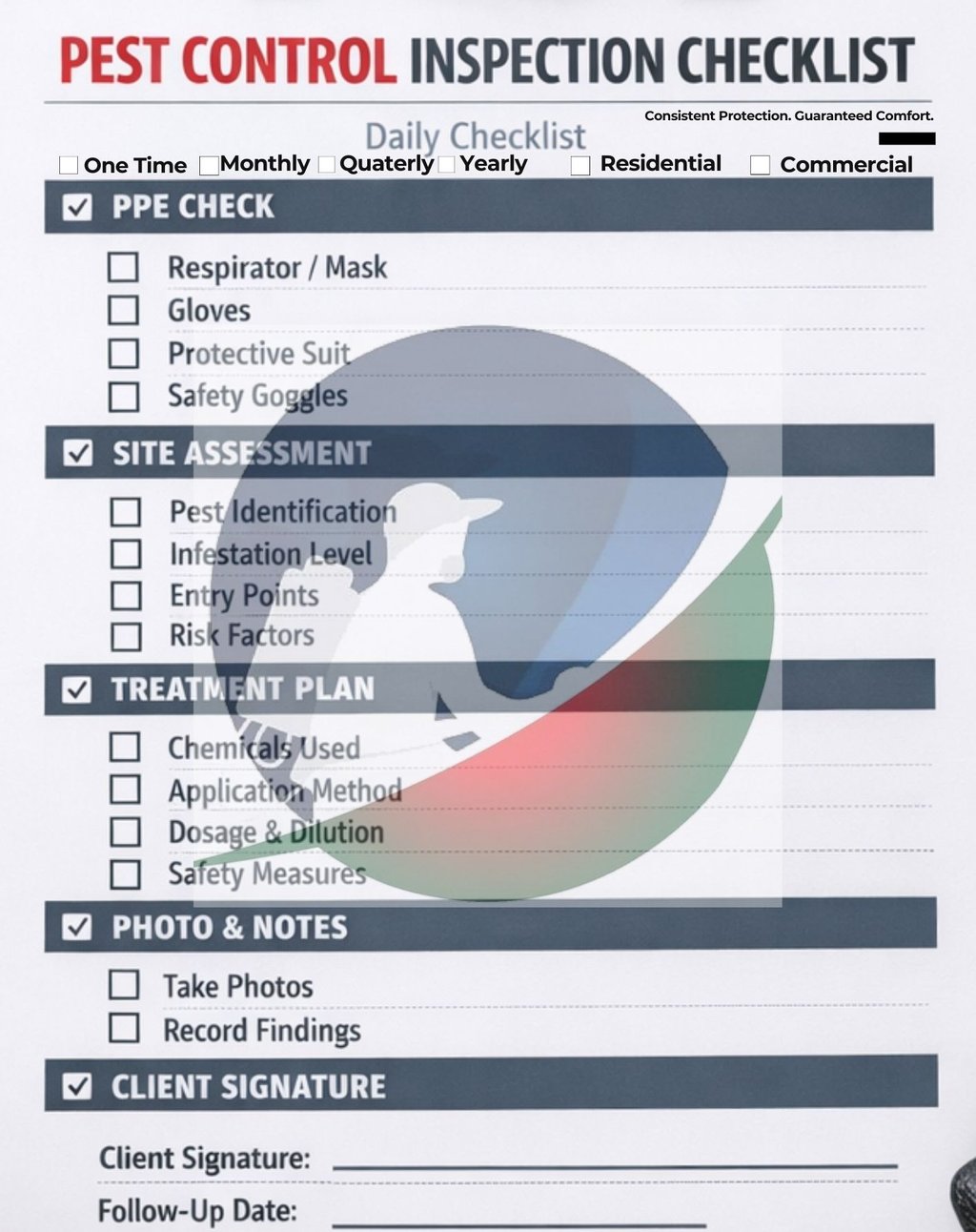
Introduction to Pest Control Inspections
Pest control inspections play a vital role in maintaining a healthy living and working environment. These inspections are essential not only in identifying existing pest problems but also in preventing future infestations. A detailed examination of properties can reveal signs of pest activity, such as droppings, nests, or damage to structures, providing insight into potential threats that could compromise the integrity of both residential and commercial spaces.
Regular pest inspections serve as an effective approach to safeguard property and health. By addressing pest-related issues early on, property owners can avoid more significant, costly damages that may occur when infestations go unchecked. Most pests, including rodents, insects, and other vermin, can reproduce quickly, leading to exponential increases in population over a brief period. Consequently, timely inspections can help mitigate these risks significantly.
Furthermore, pest control inspections also contribute to an overall sense of safety and comfort. Knowing that a property has been thoroughly checked for pests can reduce anxiety for homeowners and employees alike. It promotes a sense of well-being, as individuals are more likely to feel at ease in environments that are free from potential hazards associated with pest infestations, such as disease transmission and structural damage. Therefore, engaging pest control professionals for routine inspections stands as a proactive measure in ensuring that homes and workplaces remain pest-free.
In conclusion, pest control inspections are crucial for both preventive and reactionary strategies regarding pest management. Through consistent evaluation, property owners can ensure they are taking the necessary steps to protect their investments and enhance the quality of life for all occupants.
Understanding Common Pests and Their Signs
Pest identification is a crucial first step in effective pest control, especially for homeowners and business operators. Whether it’s a residential setting or a commercial property, various common pests can create significant challenges. Some of the most prevalent pests include cockroaches, rodents, ants, termites, and bedbugs. Understanding how to identify these pests and recognizing the signs of their presence can help mitigate damage before escalation occurs.
Cockroaches, known for their resilience, often leave behind droppings resembling black pepper grains, as well as a distinct musty odor. The sight of their shed exoskeletons can also be a telling sign of an infestation. Additionally, they are mainly nocturnal creatures, making sightings more common during the night.
Rodents, particularly rats and mice, are another common nuisance. Signs of rodent activity include gnawed materials, nesting materials like shredded paper, and droppings varying in size based on the species. A prevalent indication of an impending rodent problem is unusual sounds during the night, such as scratching or squeaking.
Ants typically invade properties in search of food. The presence of ants trailing in a line is a prime indicator of an infestation. Small piles of soil or sand around entry points may indicate the presence of ant nests, while the appearance of winged ants suggests a potential breeding site nearby.
Termites pose a significant threat as they can cause extensive structural damage. An infestation may be detected through the presence of mud tubes along walls or foundations, as well as hollow-sounding wood and discarded wings near windows or doors. Lastly, bedbugs are notoriously elusive, often leaving behind itchy bites, rusty spots on bedding, and small dark fecal stains on sheets.
By familiarizing oneself with these common pests and their signs of infestation, property owners can take proactive measures to address issues before they escalate into more significant problems. Regular inspections and pest control assessments are highly recommended to maintain pest-free environments.
Essential Tools and Equipment for Inspection
Pest control inspections require a variety of tools and equipment to ensure thoroughness and efficiency in the process. The right set of tools can significantly enhance the ability of pest control professionals to identify and address infestations effectively. Below is a list of crucial tools utilized in pest inspections and their contributions to the overall process.
One of the primary tools is the flashlight, which is essential for illuminating dark areas, such as crawl spaces, attics, and behind appliances where pests may hide. A good quality flashlight allows inspectors to detect evidence of pest activity, such as droppings or nesting materials.
Another vital piece of equipment is the moisture meter. This device measures the moisture levels in walls and other surfaces, as high moisture can attract pests like termites and rodents. By understanding moisture readings, inspectors can better assess potential problem areas and take appropriate remediation steps.
Additionally, inspection mirrors offer a visual aid to examine areas that are inaccessible to the naked eye. These mirrors can be maneuvered into tight or obscure spaces, providing a clearer view and helping to identify pest signs that might otherwise go unnoticed.
Pest control professionals also benefit from using handheld vacuums with attachments. These vacuums can be utilized to collect samples or pests directly from contaminated areas, allowing for immediate assessment and faster results during an inspection.
Lastly, the inclusion of a digital camera is invaluable for documenting findings. High-quality photographs serve as a visual record, facilitating communication with clients and aiding in detailed reports about the inspection process.
By utilizing these essential tools and equipment, pest control inspections can be performed with increased accuracy and effectiveness, ensuring better outcomes in pest management efforts.
Step-by-Step Pest Control Inspection Process
Conducting an effective pest control inspection requires a thorough understanding of the property, identifying potential trouble spots, and utilizing an organized approach. Below is a systematic procedure that ensures all areas of concern are examined in detail:
1. Initial Assessment: Begin with a quick walkthrough of the entire property, both interior and exterior. This initial assessment helps to identify visible signs of pest activity, including droppings, nests, and damage, while providing a general overview of high-risk areas.
2. Check the Exterior: Inspect the outside of the building carefully. Look for cracks and gaps in the foundation, walls, and around windows or doors where pests may enter. Additionally, check for overgrown vegetation, standing water, and debris near the structure, which can attract pests.
3. Investigate the Interior: Move inside and examine every room. Pay close attention to kitchens, bathrooms, and utility spaces as they are commonly affected by pest infestations. Open cabinets, inspect under sinks, and assess food storage areas for any signs of insect activity or rodent presence.
4. Inspect Attics and Crawl Spaces: These areas are often overlooked and can be hotspots for pest activity. Look for droppings, nesting material, and any damage to insulation or structural components. Ensure adequate ventilation to discourage pest breeding.
5. Document Findings: Throughout the inspection, it is critical to document all findings carefully. Take notes and photos of identified pest issues or potential entry points, as this information will be invaluable for developing an effective pest control strategy.
6. Recommendations: Based on your observations, compile a set of recommendations that address identified concerns. This might include specific pest control treatments, preventative measures, and ongoing monitoring practices to ensure that pests do not return.
Following this step-by-step inspection process will enhance the likelihood of successful pest management and help maintain a pest-free environment.
Documenting Inspection Findings
Effectively documenting findings during pest control inspections is crucial for developing a comprehensive understanding of the infestation and for planning appropriate management strategies. Accurate documentation allows pest control professionals to identify patterns, determine the severity of pest problems, and communicate effectively with clients regarding the necessary steps to take for effective pest management.
To document findings efficiently, practitioners should utilize a structured approach. Start by taking detailed notes during the inspection, capturing not only the types of pests observed but also the locations, signs of activity, and potential entry points. Each note should be clear and concise, noting the time and date of the observation, which can be particularly important for identifying trends over time.
In addition to written notes, photographs play a significant role in documentation. High-quality images of pest activity, affected areas, and potential entry points can provide visual evidence that can be invaluable for follow-up discussions with customers and for training purposes. Photographs should be labeled appropriately with descriptions and dates, allowing for easy reference during future inspections or reports.
Furthermore, organizing documentation is key to maintaining an accessible and comprehensible record. Utilizing software specifically designed for pest control management can streamline the process by allowing easy entry of notes, photographs, and tracking of treatment plans. Creating a standardized template for documenting issues ensures consistency across inspections.
In summary, diligent documentation of inspection findings is a pivotal step in pest control management. By taking detailed notes and capturing relevant photographs, professionals not only maintain a clear record of pest-related issues but also enhance the efficiency and effectiveness of pest control strategies moving forward.
Formulating an Effective Action Plan
Once the pest control inspection has been conducted and the findings documented, the next critical step is to develop a structured action plan that addresses the identified issues effectively. This process starts with a thorough review of the inspection results, allowing for the identification of the most pressing pest problems that require immediate attention.
Prioritizing issues is paramount in this stage. High-risk areas, such as those where pest activity is observed in sensitive locations—like kitchens or food storage areas—should be addressed first. Additionally, certain pests pose greater health risks than others; for instance, rodents and cockroaches can carry diseases, making them a priority compared to less harmful pests. It is vital to categorize the findings into urgent and non-urgent issues, which helps in allocating resources efficiently.
Once priorities are determined, selecting the appropriate treatment methods becomes essential. This should be influenced by the type of pests identified, the severity of the infestation, and environmental considerations. Effective pest control approaches could range from chemical treatments and trapping methods to eco-friendly options tailored for sensitive environments. Consultation with pest control professionals could also provide insights into the best methodologies suited for specific situations.
Finally, scheduling follow-up inspections ensures that the pest control measures taken are effective and allow for adjustments if necessary. It is advisable to set a timeline based on the pest species and other environmental factors—some pests may require regular monitoring more frequently than others. A proactive follow-up strategy not only helps in evaluating the success of the implemented management techniques but also aids in preventing future infestations.
Conclusion and Importance of Regular Inspections
In summary, conducting regular pest control inspections is integral to maintaining a pest-free environment. Throughout this blog, we have outlined the primary aspects of an essential pest control inspection checklist. These key points highlight various areas within residential and commercial properties that require careful evaluation.
First and foremost, routine inspections allow for the early detection of any pest activity. This proactive approach not only identifies potential infestations before they escalate, but it also minimizes health risks associated with pest presence. The importance of assessing structural integrity, proper sanitation, and moisture levels cannot be understated, as these elements play a significant role in pest attraction.
Moreover, our checklist emphasizes the need to monitor key entry points such as windows, doors, and other vulnerable areas. By ensuring these are sealed and inspected regularly, property owners can significantly reduce the likelihood of unwanted pest invasions. Additionally, regular inspections foster knowledge and awareness about the specific pests prevalent in a region, guiding property owners in making informed pest management decisions.
Furthermore, periodic pest inspections aid in compliance with health regulations, particularly in commercial settings. By adhering to a well-structured inspection schedule, businesses can safeguard their reputation and ensure a healthy environment for both employees and customers.
In conclusion, integrating regular pest control inspections into property maintenance routines is vital for prevention and early intervention against pest issues. By following the outlined checklist, property owners can enjoy peace of mind, knowing they are taking the necessary steps to maintain a safe and pest-free setting. Engaging a professional pest control service is often the most effective strategy to implement these inspections and interventions systematically.
Address:
264/5, Kamal Soroni Road, Mirpur, Dhaka-1216
Contact
Your Quaries on pest control askings
pestexterminatorbd@gmail.com
+8801642008383 +8801988300003, 01723057746
© 2025. All rights reserved. to Urban Pest Control Pvt. Ltd. this site is powered by Our Own IT Team