
Food Industry Pest Control: Ensuring Hygiene & Compliance Worldwide
Food Industry Pest Control: Ensuring Hygiene & Compliance Worldwide
1/30/20268 min read
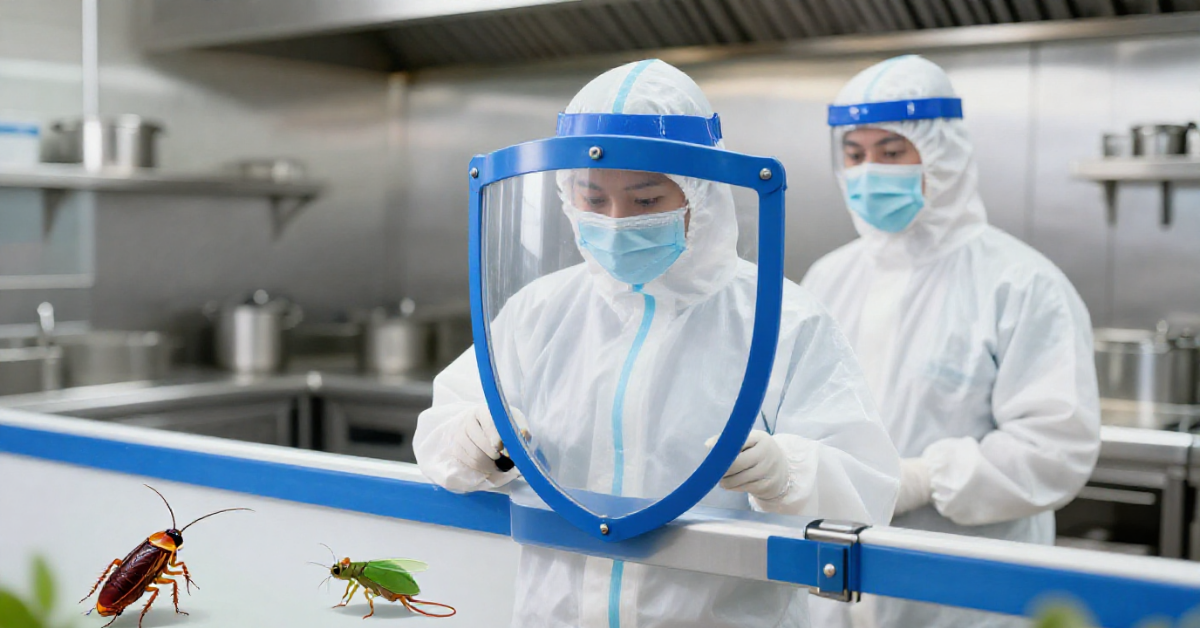
Introduction to Pest Control in the Food Industry
Pest control is a critical aspect of maintaining safety and hygiene in the food industry, especially in establishments such as restaurants, hotels, cafes, and food processing facilities. These environments are particularly vulnerable to pest infestations, given their reliance on food ingredients and high volumes of customer traffic. Effective pest management not only protects the integrity of food products but also safeguards the health of patrons and employees alike.
Pests, including rodents, insects, and other vermin, have the potential to transmit diseases that pose serious health risks. Contaminated food products can lead to foodborne illnesses, resulting in significant health crises and potential litigation. The presence of pests can therefore severely impact the reputation of a food business, leading to loss of customers and trust, which might take considerable time to restore. Furthermore, inspections by health authorities can result in fines, temporary closure of establishments, and loss of operating licenses, further underscoring the critical need for proficient pest control solutions.
Beyond health concerns, pest infestations can carry substantial economic implications. Business establishments may incur significant costs related to the damages caused by pests, including the devaluation of food stock, damage to property, and the financial burden of implementing emergency pest control measures. This can detract from profitability and impede growth potential. By investing in effective pest control strategies, businesses can mitigate these risks, ensuring compliance with health standards and preserving their reputation within the market.
Overall, it becomes essential for businesses in the food industry to prioritize pest control as a fundamental part of their operational strategy. The subsequent sections will delve deeper into specific protocols, strategies, and preventive measures that can help combat pest issues, ensuring both safety and quality in the food service environment.
Hygiene Compliance and Regulatory Standards
Pest control within the food service industry is governed by a myriad of hygiene compliance requirements and regulatory standards that ensure safe food handling practices. These regulations vary by region, with specific guidelines outlined for establishments in the USA, UK, Europe, Canada, Australia, and the UAE. Understanding and implementing these standards is essential for businesses to not only maintain their licenses but also to safeguard public health.
In the United States, the Food and Drug Administration (FDA) provides a framework through the Food Code, which establishes guidelines for pest management among food service establishments. In the UK, businesses must comply with the Food Safety Act 1990 and the EU Regulation (EC) No. 852/2004, which require adequate pest control measures to be in place. Similarly, European countries adhere to stringent regulations under the General Food Law, which mandates that businesses protect food from pests.
HACCP (Hazard Analysis Critical Control Point) principles are internationally recognized standards that help food businesses identify critical points where pest infestations could pose a risk. Implementing HACCP requires regular monitoring and documentation of pest control measures, and it underscores the necessity for ongoing staff training in hygiene practices. In Canada, the Canadian Food Inspection Agency (CFIA) enforces regulations that demand comprehensive pest management plans to ensure food safety. Australia’s Food Standards Code also emphasizes the necessity of hygiene compliance, mandating businesses maintain an environment free of pests.
Failing to adhere to these hygiene compliance standards can have dire consequences, such as significant fines, loss of business licenses, or even legal action due to health violations. More importantly, non-compliance can lead to severe health risks for consumers, damaging the reputation of the establishment and the broader food industry. Thus, understanding and meeting these regulatory standards is of utmost importance for any food-related business.
Inspection Protocols for Pest Management
Effective pest management in restaurants, hotels, cafes, and food processing facilities begins with a comprehensive inspection protocol. Regular inspections play a crucial role in identifying potential pest issues before they escalate into major problems. Ideally, inspections should occur bi-monthly, or at a minimum, quarterly, depending on the size and nature of the establishment. Seasonal changes may also necessitate more frequent inspections, particularly before and after peak operational periods.
During inspections, staff should be vigilant for specific signs of pest activity. This includes droppings, chewed materials, and discarded nesting materials. High-risk areas such as kitchens, storage rooms, and waste disposal sites require particular attention. Visual inspections should also encompass structural vulnerabilities, like cracks in walls, gaps around doors and windows, and any openings that could serve as entry points for pests. It is advisable to inspect food products and packaging for signs of infestations, including adult insects or larvae.
Thorough documentation of inspection findings is vital for effective pest management. Keeping detailed records assists in tracking pest activity patterns and evaluating the effectiveness of implemented control measures. Documentation should include dates of inspections, areas inspected, any pest sightings or signs, actions taken, and follow-up recommendations. This record-keeping not only provides a historical overview but also serves as a valuable communication tool with pest control professionals as well as regulatory authorities.
To facilitate regular self-inspections, facility managers can utilize checklists tailored to their specific environment. These checklists ensure consistency and comprehensiveness in the inspection process. Components may include inspecting food storage areas, evaluating waste management practices, and checking areas around equipment and plumbing for leaks that may attract pests. By adhering to consistent inspection protocols and utilizing checklists, facilities will significantly improve their pest management efforts.
Prevention Strategies to Mitigate Pest Infestations
Effective pest control in restaurants, hotels, cafes, and food processing facilities hinges on the implementation of robust prevention strategies. It is essential to adopt both physical and operational measures to significantly reduce the risk of pest infestations. The first step involves proper waste management. Regularly disposing of food waste in sealed containers prevents attracting pests. Additionally, ensuring that trash is removed frequently and that waste collection areas are kept clean limits potential nesting sites.
Routine cleaning practices also play a critical role in pest prevention. Establishing a comprehensive cleaning schedule that includes all areas—from food preparation zones to storage rooms—helps in eliminating food sources and potential harborage areas for pests. It is crucial to focus on hard-to-reach areas, such as behind appliances and within storage cabinets, where food particles tend to accumulate.
Facility maintenance cannot be overlooked. Regular inspections and repairs of structural elements, such as doors, windows, and walls, are vital in preventing pest entry. Seal any gaps, cracks, or openings to eliminate points of access. Proper ventilation and humidity control in food storage areas further discourage pest attraction and breeding.
Moreover, employee training is a significant aspect of pest prevention. Staff should be educated on pest awareness, the importance of cleanliness, and the establishment of best practices. Empowering employees to recognize early signs of infestations can lead to timely interventions before they escalate.
Lastly, landscaping and building design play pivotal roles in pest mitigation. Opt for plant species that deter pests and maintain gardens and surrounding areas to reduce pest habitats. By positioning mulch and plants away from the building and ensuring that drainage systems are functioning properly, facilities can create an environment that discourages pests. By integrating these strategies, establishments can significantly enhance their protection against pest infestations.
Treatment Methods for Pest Control
Pest control within the hospitality and food processing industries requires a multifaceted approach to effectively mitigate the risks posed by various types of pests. These industries face distinct challenges, necessitating tailored treatment methods. Pest management can broadly be categorized into chemical and non-chemical solutions.
Chemical pest control typically involves the application of substances designed to eliminate or deter pests. Commonly used chemicals include insecticides, rodenticides, and fungicides, each targeted to specific pests. When directly applying chemical treatments, it is vital to adhere to local health regulations and safety standards to ensure compliance and minimize health risks to patrons and staff.
On the other hand, non-chemical solutions focus on natural methods, such as traps, barriers, and biological controls. These methods often prove effective while being less harmful to the environment and non-target species. Non-chemical strategies serve not only as immediate solutions but can also contribute to long-term pest prevention.
One effective approach to pest management is Integrated Pest Management (IPM). IPM combines both chemical and non-chemical methods into a comprehensive strategy that emphasizes the use of monitoring and prevention techniques. This holistic approach allows facilities to address pest issues proactively, incorporating sanitation practices and structural modifications to make environments less inviting to pests.
Moreover, engaging professional exterminator services can provide valuable expertise. Pest control experts can assess specific facilities, identify common pests, and recommend the most appropriate treatment methods based on the environment and existing pest conditions. Selecting the right treatment method is crucial, as it demonstrates a commitment to maintaining a safe dining or lodging environment while adhering to health regulations.
Commercial Kitchen Pest Management Best Practices
Commercial kitchens are prime targets for pests due to the abundance of food and warm environments they provide. Therefore, implementing effective pest management strategies is crucial for maintaining hygiene and sanitation. One of the foundational best practices is to minimize pest attraction and entry points. This involves thorough sealing of all potential entryways, such as gaps around doors, windows, and plumbing. Installing door sweeps and screens can also help in preventing pests from finding their way indoors.
Moreover, establishing a routine cleaning schedule can significantly decrease the likelihood of infestations. Regularly cleaning areas where food is prepared or stored minimizes residues and spills that attract pests. All food items should be properly stored in sealed containers, and garbage must be disposed of daily to limit access to potential food sources. A well-monitored inventory can also prevent expired products from creating enticing breeding grounds.
Staff training plays a pivotal role in pest awareness. Employees should be informed about the signs of pest activity, such as droppings or unusual smells, and encouraged to report any findings promptly. This early detection is essential for preventing larger infestations. Implementing specific procedures when a pest sighting occurs, like isolating the affected area and documenting the sighting, enables a swift response.
Additionally, fostering a relationship with professional pest control services is beneficial. Regular inspections and proactive measures taken by pest control experts can help keep issues at bay. These professionals can provide tailored advice and strategies specific to the establishment’s needs. Establishing plans for ongoing monitoring and corrective actions is key in maintaining a pest-free environment.
Frequently Asked Questions
When it comes to pest control in the restaurant and food sector, various questions often arise. Below are some of the most common inquiries, providing insight into effective pest management strategies.
What costs can I expect for pest control services?
The cost of pest control services can vary considerably depending on several factors including the type of establishment, the severity of the pest issue, and the specific services required. On average, restaurant pest control can range from $200 to $800 per month, with potential additional charges for treatments against more persistent pests.
How often should I schedule pest control services?
The frequency of pest control services largely depends on the operational environment and the level of pest activity. For restaurants, hotels, and cafes, a monthly service is often recommended, while food processing facilities may require more frequent treatments. Regular inspections can help identify and mitigate potential issues before they escalate.
Are there any misconceptions about pest control?
One common misconception is that pest control treatments are harmful to occupants. In reality, many modern pest control methods prioritize safety and utilize integrated pest management techniques that minimize risks. Furthermore, another myth is that once pests are eradicated, there is no need for further preventative measures, when in fact, ongoing vigilance is essential.
Conclusion
Pest control is a critical aspect of operations in restaurants, cafes, hotels, and food processing facilities. Businesses must prioritize effective pest management not only to ensure compliance with health regulations but also to guarantee the safety and health of their customers and staff. By addressing common questions regarding costs, service frequency, and misconceptions, we hope this guide aids in understanding the importance of a proactive pest control strategy. Regular assessments and treatments can help maintain a safe environment, enhancing overall customer satisfaction and operational efficiency.
Address:
264/5, Kamal Soroni Road, Mirpur, Dhaka-1216
Contact
Your Quaries on pest control askings
pestexterminatorbd@gmail.com
+8801642008383 +8801988300003, 01723057746
© 2025. All rights reserved. to Urban Pest Control Pvt. Ltd. this site is powered by Our Own IT Team