
Food Storage Pests in Bangladesh: How to Protect Rice, Flour & Groceries from Infestation
2/22/20267 min read
Understanding Stored Product Pests in Bangladesh
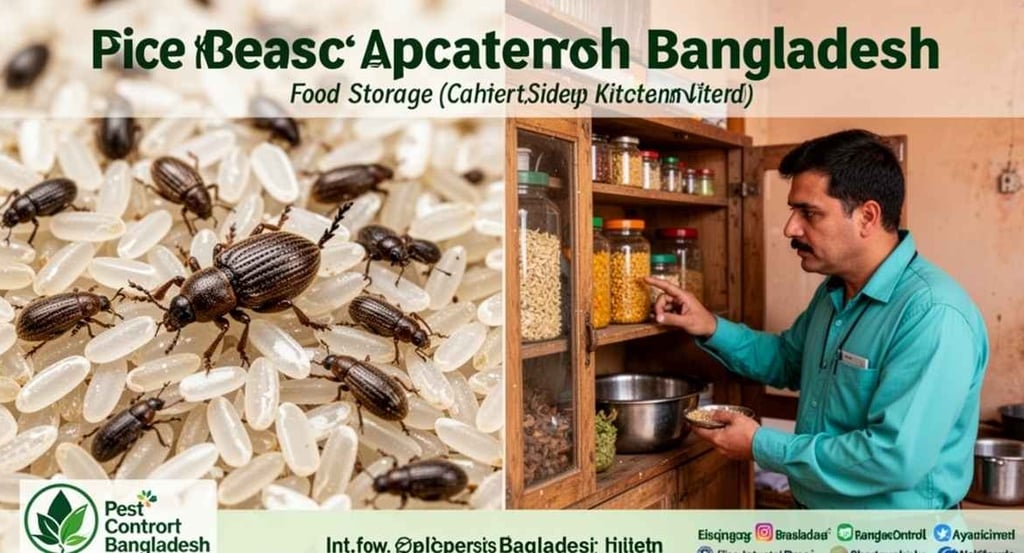
Stored product pests pose a significant threat to food security in Bangladesh, particularly in urban regions like Dhaka. Among the most prevalent pests are the rice weevil (Sitophilus oryzae) and flour beetles (Tribolium spp.). These pests infest grains and processed products, leading to considerable economic losses and affecting food quality.
The rise of urbanization in Bangladesh has contributed to an increase in infestations. Often, suboptimal storage practices, such as the use of unhygienic containers, improper sealing, and inadequate temperature control, exacerbate the problem. The geographical and climatic conditions in Bangladesh further facilitate the proliferation of these pests, particularly in warm and humid environments that are conducive to their survival and reproduction.
The lifecycle of the rice weevil, for instance, involves several stages: egg, larva, pupa, and adult. The entire cycle can be completed within a few weeks under favorable conditions. Adult weevils are small and dark brown, and they are known for their distinctive elongated snouts. Similarly, flour beetles also undergo complete metamorphosis and can be identified by their reddish-brown color and flattened bodies, which allow them to fit easily into small crevices.
Identifying the signs of infestation early is crucial for effective pest control. Look for signs such as holes in packaging, webbing, and fecal matter. Additionally, personal awareness regarding food storage practices can greatly mitigate the risks of a full-blown pest invasion. Maintaining cleanliness in kitchens and storing grains in airtight containers are simple yet effective measures to help combat stored product pests.
Health Risks Associated with Pests in Food Storage
Stored product pests, notably rice weevils and flour beetles, pose significant health risks through the contamination of food supplies. These pests thrive in various food products, including grains, flour, and dried fruits, leading to potential health implications for consumers who unknowingly consume infested items.
The primary health concern arising from infestations is the contamination of food with waste products, secretions, and microbes from these pests. For instance, rice weevils leave behind frass, which can serve as a medium for pathogens. When ingested, these contaminants can lead to gastrointestinal issues and trigger allergic reactions in sensitive individuals. Allergens can be particularly concerning for those with respiratory conditions or food allergies, manifesting symptoms ranging from mild irritation to severe respiratory distress.
Moreover, the presence of these pests in food storage can create a broader public health risk. When food supplies are compromised, it can lead to increased food waste and economic loss, affecting food security, especially in regions like Bangladesh where rice is a staple food. During infestations, consumers may unknowingly purchase contaminated products, exacerbating the health risks within the community.
The pathogens often associated with stored product pests can survive outside of their pest hosts, making effective pest control crucial in protecting food quality and safety. Regular monitoring and prompt action against rice weevils and other beetles can help mitigate these contamination risks. Thus, implementing pest control measures is essential not only for maintaining food hygiene but also for safeguarding public health, ensuring that the populations are not exposed to the adverse effects of pest-related health issues.
Best Practices for Safe Food Storage
Safe food storage is a crucial aspect of pest control, particularly when dealing with stored product pests such as rice weevils. Implementing effective methods can significantly reduce the risk of infestations and ensure the longevity of food items. One of the foremost practices involves sealing food items correctly. Using airtight containers not only helps protect against pests but also preserves the freshness of food. Consider investing in vacuum-sealed bags or sturdy plastic containers with tight-fitting lids. These containers prevent the entry of not only insects but also moisture, which can attract pests.
Maintaining a clean storage environment is equally important in mitigating the risk of infestations. Regularly cleaning pantry shelves and food storage areas should be a priority. Spills, crumbs, and expired food products are appealing to pests and can lead to an increase in their presence. To further enhance cleanliness, consider using food-safe cleaning agents and disposable cloths to avoid transferring contaminants back to food items. Additionally, a systematic inventory process can be helpful. Rotate stock to ensure older products are used first, thereby minimizing the chances of items becoming outdated and susceptible to infestations.
Understanding the ideal storage conditions plays a significant role in pest management. Stored food should be kept in a cool, dry place, as humidity and warmth attract pests like rice weevils. Ideally, the temperature should remain consistent and low to discourage breeding. For instance, storing grains in the refrigerator or freezer for a period can eliminate eggs and larvae that may already be present. Creating an environment that limits both access and attraction for pests ultimately contributes to a more effective food storage strategy. In following these best practices, food safety and quality can be maintained, leaving minimal opportunity for pest contamination.
Kitchen Pest Control Services in Dhaka Apartments
In today's urban landscape, especially in Dhaka, managing kitchen pest infestations has become crucial, particularly within multi-unit dwellings such as apartments. The prevalence of pests like cockroaches, ants, and rodents poses not only health risks but also nuisances to residents. Professional kitchen pest control services provide a comprehensive solution to these pressing challenges, addressing infestations with expertise and precision.
One of the main benefits of hiring expert pest control services is their ability to conduct an in-depth inspection of the kitchen areas. Technicians assess not only the visible signs of infestation but also potential entry points that pests might exploit. This thorough evaluation enables the formulation of a targeted pest management plan, ensuring that treatments are effective and long-lasting.
Moreover, in an apartment setting, the interconnectedness of units can facilitate the rapid spread of infestations. Pest control services recognize the importance of a collaborative approach, often coordinating with multiple residents to implement preventive measures. They may also provide education on best practices, such as proper food storage and sanitation, which are essential in maintaining pest-free environments.
The treatments used by these professionals typically range from eco-friendly pesticides to integrated pest management techniques, which combine biological control, habitat modification, and chemical methods tailored to the specific situation. This multifaceted approach minimizes the impact on residents while effectively eliminating pests.
Ultimately, the advantage of engaging professional kitchen pest control in Dhaka apartments cannot be understated. By providing timely interventions and supportive educational resources, these services ensure that residents can enjoy a pest-free home, thereby enhancing the quality of life in urban living spaces.
The Importance of Preventive Monthly Pest Inspections
Preventive monthly pest inspections are a crucial component of effective pest management strategies for both residential and commercial properties. These inspections are designed to identify early signs of infestations, thereby reducing the likelihood of significant pest problems in the future. In Bangladesh, where risks of infestations like rice weevils are prevalent, proactive measures are essential to ensure the integrity of stored food products.
During a typical inspection, professionals will evaluate various areas of a property, focusing on locations where pests are likely to thrive, such as kitchens, storage areas, and other food-related environments. Inspectors are trained to spot not only the pests themselves but also their droppings, nesting materials, and other signs of activity. This comprehensive assessment allows homeowners and businesses to take immediate action before a minor problem evolves into a full-blown infestation.
Moreover, regular inspections contribute to long-term pest management by establishing a routine that keeps pest populations at bay. This consistency is beneficial as it facilitates the development of tailored strategies that consider seasonal changes and evolving pest behaviors. Homeowners are encouraged to choose reputable pest control services that emphasize preventive measures. Inquiry about their inspection protocols, pest identification capabilities, and treatment options should be integral to this decision-making process.
In essence, preventive monthly pest inspections serve as a vital line of defense against infestations. They not only enable early detection and intervention, but also foster a healthier and safer environment in which to live and work. Thus, the implementation of such inspections can prove advantageous for those seeking to mitigate the impacts of pests in Bangladesh effectively.
DIY Pest Management Strategies
Managing rice weevils and flour beetles requires proactive measures that can be implemented easily at home. There are several effective do-it-yourself (DIY) strategies that can help mitigate these stored product pests without the need for professional pest control services. By employing a combination of natural repellents, traps, and thorough cleaning methods, homeowners can establish a pest management routine that reduces infestations.
One popular natural repellent is the use of essential oils. Oils such as peppermint, lavender, and eucalyptus have been shown to deter rice weevils. To use this method, dilute a few drops of the essential oil in water and spray the mixture in areas where pests are commonly found, including kitchen cabinets and grain storage areas. Not only does this method create an unwelcoming environment for pests, but it also leaves a pleasant scent.
Additionally, traps can be an effective DIY option for capturing and monitoring the presence of these pests. Sticky traps, which can be purchased from various stores or made at home using cardboard coated with a sticky substance, can be placed near areas of infestation. Regularly checking these traps allows homeowners to gauge the pest population and take further action if necessary.
Keeping a clean kitchen is a fundamental aspect of pest management. Regularly sweeping up crumbs and spills, sealing food in airtight containers, and disposing of expired products can significantly minimize the chances of attracting rice weevils and flour beetles. Moreover, vacuuming should be performed often, especially in hard-to-reach corners where debris may accumulate over time.
Implementing these DIY pest management strategies requires consistency and vigilance. Homeowners can empower themselves by utilizing these natural techniques to effectively manage the presence of stored product pests, thereby creating a safer and healthier living environment. Addressing minor pest issues promptly can prevent larger infestations and reduce reliance on commercial pest control services.
Finding Pest Control Services Near You in Bangladesh
When it comes to managing pest problems effectively, especially concerning rice weevils and kitchen infestations, selecting the right pest control services in Bangladesh is essential. The first step in this process is conducting thorough research on local pest management options. Begin by utilizing online resources, such as search engines and local business directories, to compile a list of available pest control companies in your vicinity.
Once you have a list, it is imperative to verify the certifications and licenses of these companies. Reputable pest control services should possess appropriate certifications, which can include licensing by local health departments or environmental agencies. These endorsements indicate that the company adheres to safety regulations and utilizes approved pest control methods.
Additionally, reading customer reviews and testimonials can provide valuable insights into the quality of service each company offers. Websites that specialize in consumer feedback can give you an understanding of the experiences of others who have utilized their services. Look for consistent mentions of effectiveness, professionalism, and customer service. This will aid in narrowing down your choices to those that are highly regarded.
Obtaining quotes from several companies is also necessary. This will help you compare pricing, services offered, and pest control techniques used. During this process, inquire specifically whether the company understands the unique pest challenges present in Bangladesh. Expertise in local pests, such as rice weevils, is crucial in selecting a company that can provide tailored and effective pest management solutions.
In conclusion, the process of finding reputable pest control services in Bangladesh involves diligent research on local options, confirming certifications, reading reviews, and obtaining multiple quotes. This structured approach will lead you to a pest management service that meets your needs effectively, ensuring a pest-free home or business environment.
Address:
264/5, Kamal Soroni Road, Mirpur, Dhaka-1216
Contact
Your Quaries on pest control askings
pestexterminatorbd@gmail.com
+8801642008383 +8801988300003, 01723057746
© 2025. All rights reserved. to Urban Pest Control Pvt. Ltd. this site is powered by Our Own IT Team