
From Heatwaves to Infestations: How Climate Change is Fueling Pest Outbreaks
2/1/20267 min read
Understanding Climate Change and Its Impact on Ecosystems
Climate change, defined as significant alterations in temperature, precipitation patterns, and other climate factors, is primarily driven by human activities, particularly the burning of fossil fuels and deforestation. As greenhouse gases accumulate in the atmosphere, global temperatures rise, disrupting established climate systems. This warming trend has profound implications for ecosystems around the world, leading to shifts in weather patterns that can intensify both droughts and flooding.
One of the most significant effects of climate change is its impact on biodiversity. As temperatures increase, many species are forced to migrate in search of more suitable habitats. This phenomenon results in changes in species distribution, with some organisms thriving in new environments while others face increased risk of extinction. Ecosystems that are unable to adapt rapidly may experience a decline in species richness, ultimately affecting the services provided by these natural systems.
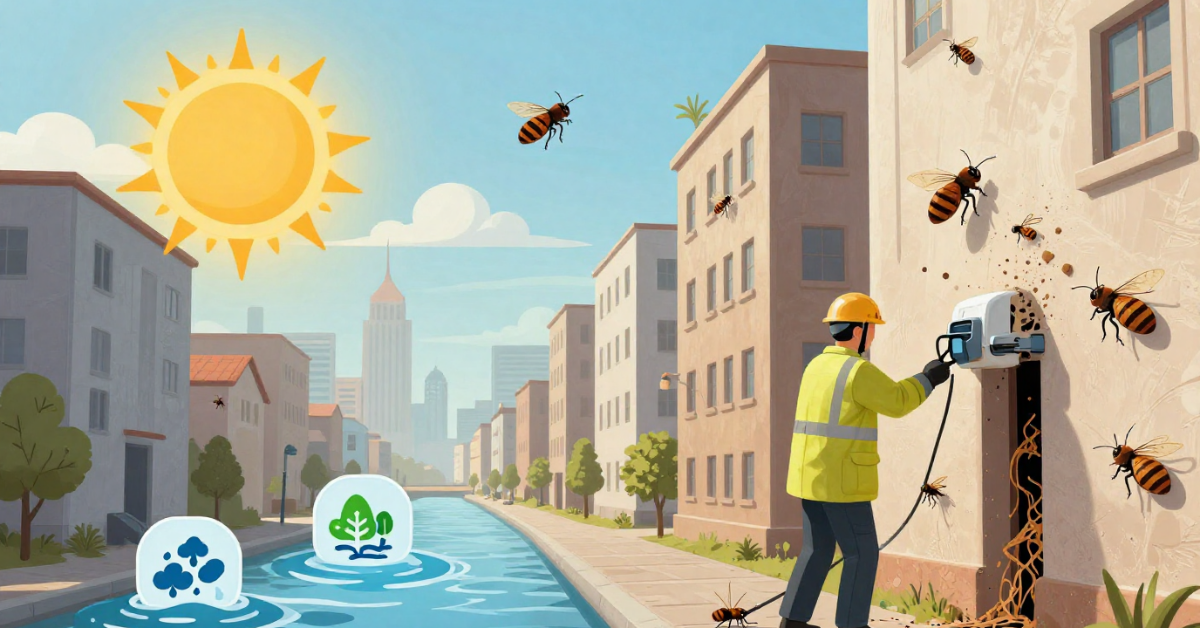
Furthermore, alterations in climate create conditions that can enhance pest populations. Warmer temperatures and higher humidity levels can accelerate pest development and reproduction rates, leading to outbreaks that may have previously been rare or manageable. This growth in pest populations can disrupt food production systems and the balance of local ecosystems, as predators and prey adjust to the new dynamics.
The interplay between climate change and ecosystems is complex; changes to one element can reverberate through the entire system. For instance, as ecosystems shift, invasive species—often highly adaptable to changing conditions—may invade and outcompete native species, further exacerbating biodiversity loss. This intricate relationship underscores the urgent need for comprehensive strategies to mitigate climate change and its broad-reaching effects on environmental health.
The Role of Heatwaves in Pest Outbreaks
In recent years, the frequency and intensity of heatwaves have escalated, significantly affecting ecosystems across the globe. One of the most alarming consequences of this phenomenon is its contribution to pest outbreaks. Higher temperatures directly influence various physiological processes in pests, leading to accelerated life cycles. For instance, many insect species experience enhanced metabolic rates during heatwaves, which can shorten their developmental stages and hasten reproduction. As a result, species such as aphids and beetles can reproduce more rapidly, leading to exponential population growth.
Moreover, extreme heat can also influence the reproductive rates of some pests, allowing them to produce multiple generations within a single season. This increased fecundity not only boosts their numbers but also intensifies the competition for resources, further amplifying the likelihood of infestations in agricultural areas and urban environments alike. Such breeding surges can create a substantial burden for farmers and homeowners, leading to increased reliance on pesticides and other pest control measures.
In addition to hastening life cycles and enhancing reproductive output, heatwaves may also affect the overwintering success of pests. As temperatures rise, some insects previously vulnerable to winter mortality find themselves in favorable conditions that enable them to survive colder months. This phenomenon can result in larger populations emerging in spring, ready to wreak havoc on crops and natural flora. As heatwaves become more commonplace due to climate change, understanding their role in pest dynamics becomes crucial for effective pest management strategies.
In conclusion, the interplay between heatwaves and pest biology illustrates a challenging aspect of climate change. The physiological adaptations of pests to warmer conditions serve as a key driver for the increasing frequency and severity of pest outbreaks, necessitating proactive approaches to manage these changes effectively.
Weather Patterns and Pest Distribution
The impact of climate change on weather patterns has far-reaching implications, particularly on pest distribution. As temperatures rise and precipitation patterns shift, the habitats suitable for various pests are altered significantly. For instance, warmer winters and rising spring temperatures can lead to earlier breeding cycles for many pest species, enabling them to thrive in regions where they previously could not survive.
Changes in precipitation are equally important. Increased rainfall can create ideal conditions for pests that flourish in moist environments, while drought conditions may push others to seek new habitats for survival. This alteration can lead to pests expanding their geographical range, which not only affects local ecosystems but also agricultural productivity. Farmers may find themselves battling new infestations that were once considered uncommon in their regions.
Naturally occurring disasters, exacerbated by climate change, can also disrupt ecosystems and facilitate the migration of pests. For example, hurricanes and floods can transport pest species over long distances, introducing them to new areas with no prior exposure to these organisms. This movement not only threatens local biodiversity but may also compromise public health, as new pest populations can increase the risk of disease transmission.
Additionally, temperature fluctuations can act as a double-edged sword. While some pests may benefit from warmer conditions, others may be unable to adapt quickly enough, leading to potential declines in certain populations. This dynamic shift creates opportunities for more robust species to invade these vacant niches, thus reshaping the ecological landscape.
In conclusion, the interplay between changing weather patterns and pest distribution is a complex phenomenon driven by climate change. As ecosystems adapt, both pests and the management strategies employed to mitigate their impacts must evolve accordingly, signifying a critical area of study for environmental and agricultural sectors alike.
Case Studies of Infestations Linked to Climate Change
Climate change is increasingly linked to a myriad of pest infestations, significantly impacting agriculture, human health, and local ecosystems. One notable example is the invasion of the fall armyworm (Spodoptera frugiperda), which has spread across Africa and into parts of Asia. Research indicates that shifts in climate, particularly warmer temperatures and changing rainfall patterns, have enabled this pest to thrive beyond its native range, inflicting substantial damage on crops like maize and rice.
Another case can be seen with the expansion of the bark beetle population in North America. Warmer winters and longer growing seasons have contributed to increased survival rates of these pests, which devastate coniferous forests. As a result, vast areas of forest have been turned into dead zones, disrupting local ecosystems and increasing the risk of wildfires, exacerbating environmental degradation.
Furthermore, mosquitoes, which carry deadly diseases such as malaria and dengue fever, are also showing altered behaviors in response to climate patterns. A recent study reported an increased range of these vectors into previously cooler regions, leading to public health crises in areas unaccustomed to these infestations. The interplay between rising temperatures and changing precipitation patterns fuels the proliferation of these pests, expanding their habitats and the potential for disease transmission. These case studies exemplify the tangible effects of climate change on pest dynamics, underscoring the need for adaptive management strategies in agriculture and public health initiatives to mitigate the repercussions of these infestations. As climate trends continue to evolve, understanding these associations becomes imperative for effective pest control and ecological preservation.
Impact on Agriculture and Human Health
Climate change has significantly altered pest dynamics, leading to notable consequences for agriculture and human health. As temperatures rise and precipitation patterns change, pests such as locusts, aphids, and various insects thrive in previously inhospitable regions. These infestations contribute to substantial crop losses, threatening food security and agricultural profitability. Farmers are increasingly faced with the challenge of managing pest populations that were once limited in their range and reproductive capacities.
The economic implications for farmers can be severe. With increased pest outbreaks, the costs associated with pest control measures surge, resulting in reduced profit margins. The reliance on chemical pesticides not only elevates production costs but also raises concerns about long-term soil health and sustainability. Crop failures due to pests can also lead to higher food prices, further impacting consumers.
Beyond the agricultural realm, the health implications of pest outbreaks are becoming increasingly evident. Some pests are vectors for diseases that affect humans, such as Lyme disease from ticks or West Nile virus transmitted by mosquitoes. As these pests expand their territory, the risk of disease transmission rises, exposing populations in new areas to health threats.
Additionally, the presence of certain pests can exacerbate allergies and respiratory issues, particularly in agricultural communities where exposure to infestations is frequent. This further illustrates the intersections between climate-related pest behaviors and public health, necessitating comprehensive strategies to mitigate these evolving threats.
In conclusion, the interplay between climate change and pest behavior poses significant challenges for agriculture and human health. Effective management practices must be implemented to safeguard both food security and public health as our planet continues to warm.
Mitigation Strategies and Adaptation Techniques
As the impacts of climate change intensify, the need for effective pest management strategies is paramount. Integrated pest management (IPM) is one of the foremost approaches in this context. IPM emphasizes the use of biological, cultural, and chemical practices to manage pest populations while minimizing risks to human health and the environment. By utilizing monitoring and modeling techniques, practitioners can determine the optimal intervention times to reduce pest outbreaks while considering climatic factors.
Sustainable agriculture practices also play a crucial role in mitigating the impacts of pest infestations exacerbated by climate change. Crop rotation, cover cropping, and organic farming can enhance soil health and biodiversity, creating a more resilient agricultural ecosystem. These practices help disrupt the life cycles of potential pests, thereby diminishing their populations naturally. Additionally, selecting pest-resistant crop varieties can safeguard against the vulnerabilities posed by changing climatic conditions.
Innovative approaches to pest control are continuously emerging in response to the evolving challenges of climate-related pest outbreaks. Technologies such as precision agriculture leverage data analytics and satellite imaging to monitor pest movements precisely, empowering farmers to apply targeted interventions with minimal disruption to the environment. Moreover, biological control methods, which involve using natural predators or competitors of pests, can be an effective way to maintain pest populations within manageable limits. This approach aligns with the principles of ecological balance and sustains the agricultural ecosystem over the long term.
In adapting to the effects of climate change on pest dynamics, it is crucial for stakeholders, including farmers, researchers, and policymakers, to collaborate. By sharing knowledge and resources, they can develop comprehensive pest management strategies that not only address immediate infestations but also anticipate future challenges posed by climate variability. This proactive stance is essential in fostering resilience in agricultural practices and ensuring food security in a changing climate.
Future Trends and Conclusion
The ongoing impact of climate change is expected to exacerbate pest outbreaks in the coming years, highlighting the urgent need for comprehensive research and adaptive environmental management strategies. As global temperatures continue to rise, favorable conditions for various pest species will expand, leading to increased frequency and intensity of infestations. This trend underscores the necessity for scientists to closely monitor these shifts in pest dynamics and the ecosystems they inhabit.
Future pest outbreaks are likely to stem from two primary factors: altered climate conditions and human activities. Warmer winters may no longer curb pest populations, allowing them to thrive year-round, while changes in precipitation patterns can create ideal breeding grounds for disease-carrying insects such as mosquitoes and ticks. Additionally, the movement of pests may be facilitated by global trade and travel, allowing invasive species to establish themselves in new regions, exacerbating the problem.
A proactive approach is essential to effectively combat the challenges posed by climate-driven pest dynamics. Policymakers, researchers, and the public must collaborate to develop innovative strategies that include sustainable agricultural practices, integrated pest management, and the development of pest-resistant crop varieties. This multifaceted approach will be critical in mitigating the significant effects that pest outbreaks can have on public health, food security, and biodiversity.
In conclusion, as climate change progresses, understanding and addressing pest outbreaks will require ongoing collaboration across various sectors. Continued research into pest behavior and environmental influences is vital, ensuring that appropriate adaptive strategies are implemented. By fostering cooperation among scientists, policymakers, and communities, we can better prepare for and manage the future challenges posed by climate change-driven pest populations.
Address:
264/5, Kamal Soroni Road, Mirpur, Dhaka-1216
Contact
Your Quaries on pest control askings
pestexterminatorbd@gmail.com
+8801642008383 +8801988300003, 01723057746
© 2025. All rights reserved. to Urban Pest Control Pvt. Ltd. this site is powered by Our Own IT Team