
Fumigation & Export Pest Control: Meeting International Shipping Standards
2/15/20267 min read
Understanding When Fumigation is Required
Fumigation is an essential practice in global trade, primarily aimed at mitigating risks associated with pest infestations during the shipping and export processes. Understanding when fumigation is required hinges on several factors, including the nature of the goods being transported, the potential for pest presence, and international regulations governing trade.
Typically, goods that are susceptible to pest infestations, particularly those of agricultural origin such as grains, fruits, and vegetables, are subject to mandatory fumigation. These items are prone to harboring pests that can lead to significant economic losses if not controlled before crossing borders. For instance, unprocessed wood products often require fumigation to eliminate organisms that can damage forestry industries in importing countries. As such, compliance with fumigation standards is paramount for exporters seeking to safeguard their products from contamination and adhere to importation regulations.
A wide range of situations may lead to the necessity for fumigation. Products that are stored in damp environments or have a high likelihood of pest interaction often require this treatment before transit. Additionally, changing climate conditions can exacerbate the spread of pests, making preemptive fumigation even more critical.
Countries differ in their regulations regarding fumigation, with some establishing strict international guidelines to prevent the introduction and spread of invasive species. For instance, the International Plant Protection Convention (IPPC) provides a framework for countries to follow, ensuring that fumigation practices align with the goal of maintaining healthy ecosystems. Compliance with these protocols is crucial and facilitates smoother trade operations, thereby protecting both domestic and international agricultural industries.
ISPM-15 Compliance Explained
The International Standards for Phytosanitary Measures No. 15 (ISPM-15) is a critical standard set forth by the United Nations Food and Agriculture Organization (FAO) concerning the treatment of wood packaging materials used in international trade. Its primary goal is to prevent the spread of pests and diseases that can adversely affect agriculture and forestry in importing countries. With the increasing volume of global trade, ISPM-15 compliance has gained utmost significance, ensuring that wood packaging materials such as pallets, crates, and dunnage undergo appropriate treatment before shipment.
To achieve ISPM-15 compliance, wood packaging materials must undergo one of the approved treatment methods, which include heat treatment (HT) and methyl bromide (MB) fumigation. These methods are effective in eliminating harmful pests and pathogens residing within the wood. Heat treatment requires that wood be heated to a core temperature of 56 degrees Celsius for a minimum duration of 30 minutes, while methyl bromide fumigation involves the controlled application of gas to eradicate pests. Both methods have specific conditions that must be thoroughly followed to ensure compliance and effectiveness.
Documentation is an essential aspect of ISPM-15 compliance. Shipping companies and manufacturers need to provide a mark or stamp on their treated wood packaging materials, indicating that the treatment has been performed according to ISPM-15 standards. Additionally, a compliance certificate or treatment record may be required to accompany shipments, as customs officials in importing countries often request proof of compliance with ISPM-15 regulations. Failure to adhere to these standards can lead to delays, fines, or even repatriation of goods. Thus, understanding and implementing ISPM-15 compliance is crucial for maintaining smooth operations in international trade and ensuring the safety of the global environment.
The Container Treatment Process
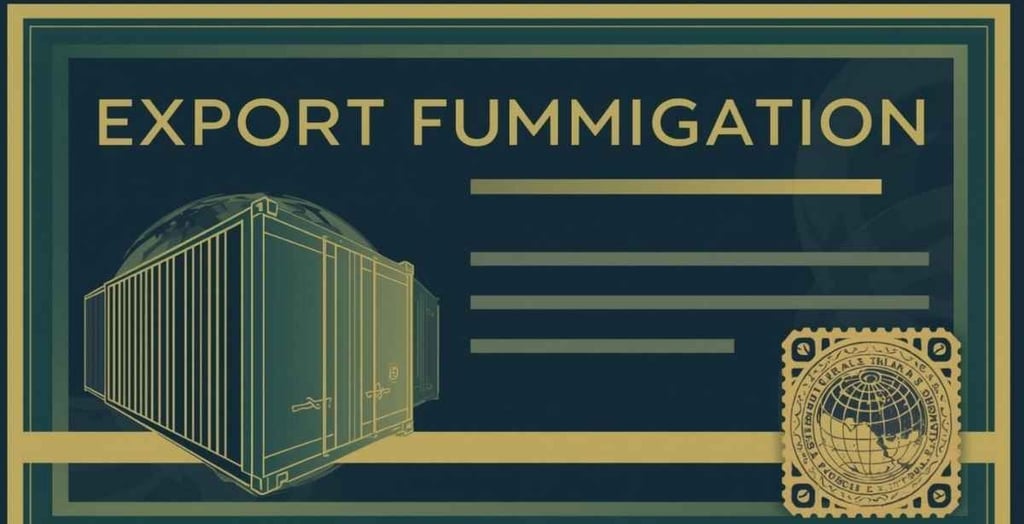
The container treatment process is a critical component in fumigation, essential for ensuring compliance in global trade. It typically begins with pre-treatment inspections, where containers are examined for existing pests and contaminants. This preliminary step is crucial for determining the appropriate treatment method and ensuring that the containers are clean and safe for fumigation.
One widely accepted method used is heat treatment. This process involves raising the temperature of the container contents to a specific level that is lethal to pests, ensuring that all stages of insects, including eggs, larvae, and adults, are effectively eliminated. The heat treatment is environmentally friendly and increasingly favored due to growing regulations against chemical fumigants.
Another primary method is methyl bromide fumigation, although it is now heavily regulated in many parts of the world due to environmental concerns. During this process, containers are sealed, and the methyl bromide gas is introduced, permeating all areas to eradicate pests. The logistics behind this method require special equipment and trained personnel to handle the gas safely. It is critical to monitor the concentration of the fumigant, ensuring adequate exposure time that is effective in pest elimination.
Following treatment, post-inspection is essential. Inspectors evaluate whether the treatment was successful by checking for any remaining signs of pest activity, and they also ensure that no chemical residues remain, especially for products meant for human consumption. Documentation on the treatment process, including methods used and inspection results, must be maintained to comply with international regulations. This comprehensive approach to container treatment guarantees both the safety and integrity of goods transported across borders, thereby supporting global trade effectively.
Safety Protocols During Fumigation
Fumigation is a critical process in global trade, providing effective pest control solutions. However, the use of hazardous chemicals necessitates strict adherence to safety protocols to protect workers, the environment, and the integrity of the product being treated. Implementing these safety measures is paramount in minimizing risks associated with fumigation chemicals.
Firstly, conducting a thorough risk assessment is essential before commencing any fumigation project. This assessment should identify potential hazards related to the chemicals being used, the environment in which fumigation occurs, and the types of products involved. Workers must communicate any pre-existing health conditions that could elevate their risk level. Armed with this knowledge, companies can develop tailored safety procedures suitable for their specific circumstances.
Personal protective equipment (PPE) plays a crucial role in ensuring the safety of those involved in fumigation operations. Proper PPE should include respirators, gloves, goggles, and protective clothing to mitigate exposure to harmful fumes and chemicals. It is vital that employers provide appropriate training on how to effectively use this equipment, emphasizing that PPE is a last line of defense and should never be relied upon exclusively without establishing other safety measures.
In addition to PPE, companies are responsible for developing clear operational procedures that direct how fumigation should be applied. These procedures must outline the methods for handling and mixing chemicals, safety protocols for monitoring exposure during the fumigation process, and instructions for decontaminating equipment and work areas upon completion. Following these established guidelines not only enhances safety but also ensures compliance with local and international regulations.
Moreover, creating an atmosphere where workers feel empowered to report unsafe conditions or practices is essential. Encouraging an open dialogue about safety fosters a responsible culture that prioritizes health and safety above all else, ultimately leading to enhanced compliance and successful fumigation practices.
Certificate Documentation Requirements
In the realm of international trade, adherence to fumigation and treatment protocols is paramount. A critical aspect of this compliance involves obtaining the necessary certificate documentation. Among these, the phytosanitary certificate plays a significant role. This document certifies that the exported goods are free from harmful pests and diseases, ensuring that they meet the importing country’s phytosanitary regulations.
The requirements to obtain a phytosanitary certificate typically involve an inspection of the goods by an authorized plant health inspector. This inspection must confirm that the items comply with the phytosanitary standards of the destination country. Additionally, the request for such a certificate must be made prior to shipping to avoid delays or non-compliance issues.
Another crucial document is the ISPM-15 compliance certificate, which applies specifically to wooden packaging materials. This certification ensures that wood has been treated to eliminate pests and pathogens. The process for obtaining an ISPM-15 certificate generally involves treatments such as kiln drying or heat treatment, followed by an inspection and marking process that indicates compliance.
The significance of maintaining accurate and up-to-date documentation cannot be overstated. Failure to provide proper certificates can lead to severe consequences such as shipment delays, fines, or even re-exportation of the goods. In some cases, non-compliance with documentation requirements may result in the refusal of entry into the importing country altogether, leading to significant financial losses.
Overall, businesses engaged in global trade must prioritize the acquisition and integrity of essential fumigation and treatment certificates. Proper documentation not only fosters trust with trading partners but also ensures the smooth flow of goods across borders.
Common Mistakes Exporters Make
Exporters frequently encounter several pitfalls when it comes to fumigation and compliance, which can lead to costly delays and non-compliance penalties. One common mistake is inadequate treatment of goods before shipping. Many exporters underestimate the importance of thorough fumigation, overlooking the specific requirements associated with the target market. Inadequate treatment can result in the rejection of goods, leading not only to financial losses but also harming a company’s reputation.
Another frequent error is poor documentation. Exporters may fail to keep accurate records of the fumigation process, including treatment dates, methods used, and the names of certified service providers. This lack of proper documentation can complicate customs clearance and compliance checks, causing delays and potentially incurring fines. It is essential for exporters to ensure that all required documents are meticulously prepared and readily available, as these documents serve as proof of compliance with international regulations.
Additionally, misunderstanding international regulations is a prevalent issue among exporters. Each country may have unique requirements regarding pest management and fumigation. Failing to research and understand these regulations can lead to improper compliance measures, resulting in fines or confiscation of goods at the border. Exporters should invest time in understanding the pest control protocols of the countries they are dealing with and ensure their practices align accordingly.
To mitigate these common mistakes, exporters should prioritize education on compliance regulations and invest in training to enhance their fumigation processes. Collaborative partnerships with certified fumigation experts and constant communication with customs officials can further strengthen the compliance framework, ensuring that exporters navigate the complexities of international trade successfully.
The Role of the International Plant Protection Convention
The International Plant Protection Convention (IPPC) plays a crucial role in shaping global trade practices related to plant health. Established in 1952, this treaty aims to protect cultivated and wild plant resources from the spread and introduction of pests and diseases. By fostering international cooperation and standardization, the IPPC facilitates trade while minimizing the risk of pest outbreaks that could threaten agricultural productivity and biodiversity.
One of the significant impacts of the IPPC is its development of International Standards for Phytosanitary Measures (ISPMs), such as ISPM-15, which specifically addresses the treatment of wood packaging materials in international trade. These standards provide a framework for countries to implement consistent plant protection guidelines, which is essential for ensuring that goods transiting from one country to another do not carry harmful organisms. Countries that adhere to these standards can significantly reduce the chances of pest introductions and maintain the integrity of their native ecosystems.
The IPPC fosters collaboration between member countries, promoting capacity-building initiatives and sharing vital information about pest threats and plant health practices. This cooperative framework enables nations to respond effectively to emerging plant health issues, thereby enhancing global food security and trade resilience. Furthermore, the IPPC encourages transparency in trade by advocating for the timely sharing of pest reports and surveillance data among its member countries.
In conclusion, the influence of the International Plant Protection Convention on global trade practices cannot be overstated. By establishing standardized phytosanitary measures and promoting international cooperation, the IPPC plays an integral role in safeguarding plant health while facilitating the smooth flow of international trade. Ensuring compliance with these standards is essential for countries looking to mitigate pest risks and foster sustainable agricultural practices.
Address:
264/5, Kamal Soroni Road, Mirpur, Dhaka-1216
Contact
Your Quaries on pest control askings
pestexterminatorbd@gmail.com
+8801642008383 +8801988300003, 01723057746
© 2025. All rights reserved. to Urban Pest Control Pvt. Ltd. this site is powered by Our Own IT Team