
Future Pest Control Techs: Robotics, Drones & Smart Spraying Systems
Future Pest Control Techs: Robotics, Drones & Smart Spraying Systems
1/31/20267 min read
Introduction to Future Pest Control Technologies
The evolution of pest control methods has been significant, transitioning from traditional practices to innovative approaches that leverage technology. In recent years, advancements in robotics, drones, and smart spraying systems have become pivotal in transforming pest management. These technologies not only enhance efficiency and efficacy but also integrate sustainability into pest control methodologies.
Historically, pest control relied heavily on chemical pesticides and manual labor, which often came with drawbacks such as environmental impact and health risks for operators. With the advent of automation and digital technologies, the landscape has begun to shift dramatically. Today, pest control can be performed with greater precision and safety, significantly reducing the collateral damage associated with conventional methods.
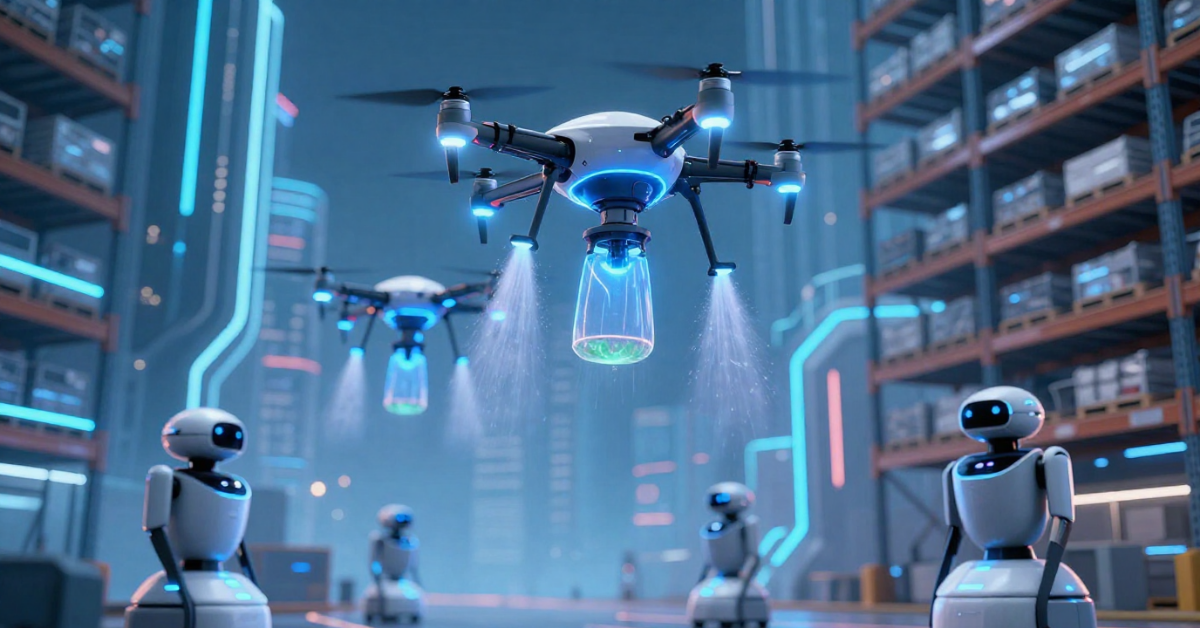
Robotics, for instance, plays a crucial role in the future of pest control. Autonomous machines equipped with advanced sensors can identify pest infestations and target specific areas without affecting non-target organisms. This precision not only minimizes pesticide usage but also leads to better pest management outcomes. Similarly, drones have emerged as valuable tools for pest surveillance and assessment. Capable of covering large agricultural fields efficiently, drones provide real-time data on pest activity and crop health, enabling farmers to make informed decisions.
Moreover, smart spraying systems incorporate advanced algorithms and IoT (Internet of Things) capabilities to optimize the application of pesticides. By utilizing data analytics and environmental monitoring, these systems ensure that the right amount of pesticide is applied in the right place at the right time, reducing waste and enhancing pest control effectiveness. As this technology continues to evolve, its implications for the future of pest management are promising, heralding a new era characterized by efficiency, sustainability, and improved outcomes in pest control strategies.
The Role of Robotics in Pest Control
Robotics has emerged as a transformative force in pest control, offering innovative solutions that enhance efficacy and efficiency in managing pest populations. Various robotic systems have been designed specifically for agricultural and environmental applications, streamlining the pest control process while minimizing risks associated with traditional methods. These advancements are not only changing the practical aspects of pest management but are also addressing challenges such as labor shortages and environmental sustainability.
One notable application of robotics in pest control is the use of autonomous ground vehicles. These robots are equipped with advanced sensors and imaging technology, allowing them to identify pest infestations with remarkable precision. By utilizing machine learning algorithms, these robotic systems can analyze data collected from their surroundings, making informed decisions about pesticide application and pest interventions. This level of autonomy significantly reduces the need for human labor and facilitates more timely responses to outbreaks.
Drones represent another significant advancement in robotic pest control. These aerial devices offer a unique vantage point for monitoring crop health and pest activity across large areas. Equipped with high-resolution cameras and multispectral imaging, drones can gather critical information about the pest populations, enabling targeted interventions. By employing drones, farmers can apply treatments to specific areas affected by pests, thereby reducing the quantity of pesticides needed and lessening the overall environmental impact.
Additionally, robotic systems contribute to integrated pest management (IPM) strategies by promoting precision agriculture techniques. With the ability to gather real-time data, these robotic systems facilitate better planning and execution of pest control tactics, ultimately improving crop yields and sustaining natural ecosystems. The adoption of robotics in pest control represents a significant shift toward more sustainable practices in agriculture.
Drones: A Game Changer in Pest Surveillance
The integration of drones in pest control represents a significant advancement in agricultural practices and pest surveillance techniques. These unmanned aerial vehicles (UAVs) offer a unique advantage in detecting and monitoring pest populations over large areas, providing real-time data that can influence pest management strategies. Drones equipped with high-resolution cameras and advanced sensors can scan fields and identify infestation hotspots that might otherwise go unnoticed from the ground level.
The deployment of drones facilitates a more efficient approach to pest surveillance. By utilizing aerial technology, farmers can gather comprehensive data regarding the health of crops and surrounding vegetation. This data collection becomes particularly crucial during the pest life cycle, allowing for timely intervention when pest populations begin to escalate. Aerial surveys contribute to precision agriculture, enabling farmers to implement targeted pest control measures that minimize chemical use while maximizing crop protection.
Moreover, drones can cover expansive agricultural settings in a fraction of the time required for traditional scouting methods. They are capable of capturing multispectral images that reveal variations in plant health, which may indicate pest stress or damage. This high level of detail enables farmers to make informed decisions based on accurate assessments of potential risks. Additionally, the data collected by drones can be analyzed to identify patterns in pest behavior and environmental conditions, further enhancing future pest management strategies.
In essence, the incorporation of drone technology in pest surveillance is not only transforming how farmers monitor their fields but is also instrumental in advancing sustainable farming practices. As this technology continues to evolve, it holds the promise of more efficient, cost-effective, and environmentally friendly pest control measures.
Smart Spraying Systems: Precision at Its Best
In the realm of modern agriculture, smart spraying systems represent a significant evolution in pest control techniques. These systems leverage advanced technology, including sensors, GPS, and data analytics, to deliver precise applications of pesticides. Unlike traditional spraying methods that often apply chemicals uniformly across entire fields, smart spraying systems focus on targeted areas that require intervention. This precision not only enhances the effectiveness of pest control measures but also minimizes the overall usage of chemicals.
The integration of smart spraying technology leads to a substantial reduction in the amount of pesticides used in agricultural practices. By applying chemicals only where necessary – such as in areas with pest infestations or plant diseases – farmers can significantly decrease the quantities of pesticides that enter the environment. This targeted application helps protect non-target species, including beneficial insects and pollinators, which are crucial for a healthy ecosystem. Additionally, reducing chemical runoff helps in safeguarding soil and water resources.
Moreover, the use of smart spraying systems contributes to improved crop yields. By ensuring that plants receive the right amount of pesticide at the right time, farmers can enhance their crops' health and productivity. This leads to a more sustainable agricultural practice, promoting long-term economic viability for farmers while addressing environmental concerns. The precision capabilities of smart spraying systems allow for real-time adjustments, enabling farmers to respond rapidly to changing field conditions, which is critical in today's dynamic agricultural landscape.
As the agricultural sector continues to embrace technology, smart spraying systems have emerged as a pivotal component in the quest for sustainable pest management. The advantages of these systems—namely, reduced chemical use, protection of non-target species, and improved crop yield—illustrate the potential of precision agriculture to revolutionize pest control strategies.
Integrating IoT and AI in Pest Management Solutions
The integration of the Internet of Things (IoT) and Artificial Intelligence (AI) into pest control represents a transformative evolution in pest management solutions. By leveraging these advanced technologies, pest control professionals can significantly enhance efficiency, accuracy, and responsiveness to pest-related challenges. The IoT facilitates the real-time collection of data through a network of connected sensors and devices, enabling continuous monitoring of environmental conditions and pest activity.
In a modern pest management strategy, IoT devices can be strategically placed throughout an area susceptible to pest infestation. These devices gather critical data on factors such as humidity, temperature, and the presence of pests. This information is relayed to a central system that analyzes the data in real-time. With the integration of AI algorithms, the system can identify patterns, predict potential outbreaks, and recommend proactive measures. For instance, an AI-powered platform can analyze historical data alongside ongoing trends to determine the likelihood of pest activities over time.
The symbiosis of IoT and AI not only improves real-time decision-making but also enables a more targeted approach to pest management. Instead of applying pest control measures indiscriminately, resources can be allocated more efficiently based on the specific needs identified through data analytics. This precision allows for reduced chemical usage, minimizing environmental impact while also curbing costs for pest management services.
Additionally, the integration of these technologies supports proactive pest management strategies, allowing for earlier interventions before a minor issue escalates into a larger infestation. Overall, the incorporation of IoT and AI in pest management not only streamlines operational workflows but also ensures more sustainable practices in an era increasingly focused on environmental responsibility.
Challenges and Considerations in Implementing New Technologies
The adoption of new technologies such as robotics, drones, and smart spraying systems in pest control presents various challenges and considerations that must be addressed to ensure successful integration. One of the primary concerns is the regulatory landscape surrounding the use of these advanced technologies. Governments and regulatory bodies often require comprehensive assessments of the safety, efficacy, and environmental impact before approving the deployment of these innovations, which can result in delays and additional costs for pest control operators.
Cost considerations are another significant barrier to the widespread adoption of these technologies. While the long-term benefits of increased efficiency and effectiveness in pest management are evident, the initial investment in sophisticated equipment can be prohibitively high for smaller companies. This financial burden may deter businesses from pursuing such innovations despite their potential benefits, leading to a reliance on traditional pest control methods that may be less efficient.
Public acceptance is crucial in the implementation of robotic and drone technologies in pest control. Community concerns about privacy, safety, and the potential environmental impact of new systems can hinder acceptance. Pest control operators must engage in transparent communication and education efforts to demonstrate the advantages of these technologies and reassure the public of their safety and efficiency.
Moreover, the successful integration of new technologies requires trained personnel with the necessary expertise. Operators must invest in training programs to ensure that their staff can effectively utilize and maintain the advanced systems employed in pest management, fulfilling the dual role of improving operational efficiency and ensuring safety standards are upheld.
The Future Outlook: Trends and Innovations in Pest Control Tech
The landscape of pest control is undergoing significant transformations driven by rapid technological advancements. The integration of robotics, drones, and smart spraying systems is poised to revolutionize traditional pest management practices. One of the most anticipated trends is the increased adoption of autonomous solutions that can efficiently identify and eliminate pests with minimal human intervention. Such technologies leverage artificial intelligence to differentiate between harmful pests and beneficial species, thereby optimizing pest control efforts while minimizing environmental impact.
Drones are emerging as valuable assets in the pest control industry. Their ability to cover vast areas quickly allows for the monitoring of crop health and pest populations from above. This aerial perspective facilitates precise target identification, enabling operators to deploy targeted treatments. Additionally, drones equipped with specialized sensors can collect data on pest behavior and distribution, providing essential insights for future pest management strategies.
Another innovative trend is the development of smart spraying systems that use precision application techniques. These systems are designed to deliver pesticides only where needed, reducing chemical use and promoting sustainability. By utilizing GPS technology and real-time data analytics, these systems can adapt spraying patterns according to the specific conditions of each crop zone. This level of customization not only improves efficacy but also protects non-target organisms, aligning pest control practices with the principles of integrated pest management.
The future of pest control also points towards enhanced connectivity through the Internet of Things (IoT). Smart devices connected to a central system can provide continuous monitoring and rapid information sharing, leading to more agile responses to pest outbreaks. Industry predictions suggest that the synergistic effect of these innovations will lead to improved pest control accuracy, reduced operational costs, and a more sustainable approach to pest management.
Address:
264/5, Kamal Soroni Road, Mirpur, Dhaka-1216
Contact
Your Quaries on pest control askings
pestexterminatorbd@gmail.com
+8801642008383 +8801988300003, 01723057746
© 2025. All rights reserved. to Urban Pest Control Pvt. Ltd. this site is powered by Our Own IT Team