
General Pest Control Service Certificate: What It Covers & Why You Need One
2/14/20268 min read
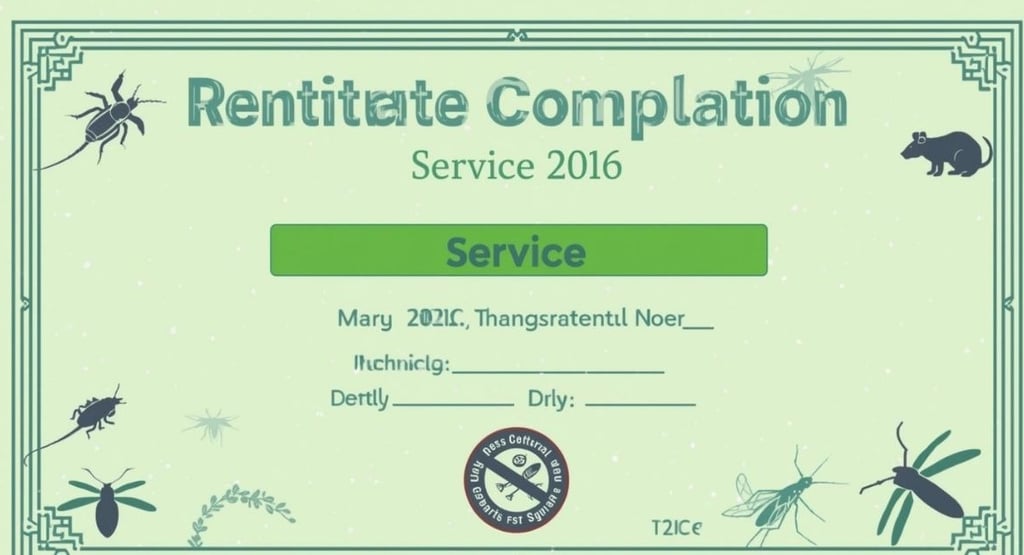
Introduction to Pest Types and Coverage
Pest control services are essential in effectively managing a variety of common pests that can invade both residential and commercial properties. Among the most prevalent types are cockroaches, rodents, mosquitoes, and bed bugs. Each of these pests poses unique risks, making their management crucial in maintaining a hygienic and safe environment.
Cockroaches, for instance, are notorious for their ability to reproduce rapidly and can carry harmful bacteria that contribute to food contamination. Their presence in homes or businesses can lead to health risks, particularly for vulnerable individuals such as children and the elderly. Therefore, comprehensive pest control services often include targeted treatments to eliminate cockroach infestations, which are primarily driven by their attraction to food and shelter.
Rodents, including rats and mice, are another significant concern due to their capacity to spread diseases and contaminate food supplies. They pose structural risks as well, as they can gnaw through electrical wiring and building materials. Pest control services typically focus on rodent prevention by implementing measures to seal entry points and using traps or bait to reduce populations in affected areas.
Moreover, mosquitoes are well-known carriers of various diseases, such as West Nile virus and Zika virus, making their control vital in outdoor spaces, especially during warmer months. Pest removal services often involve eliminating breeding sites to reduce mosquito populations effectively.
Lastly, bed bugs have become a widespread pest issue, infesting bedding and furniture, leading to discomfort and sleepless nights. Effective pest control measures encompass thorough inspections and targeted treatments to eradicate these elusive insects.
In summary, understanding the types of pests and the coverage provided by pest control services is essential for both property owners and renters. It underscores the importance of timely intervention to protect health and property from potential infestations.
The Importance of an Annual Maintenance Contract (AMC)
An Annual Maintenance Contract (AMC) is a vital component in pest control management, offering a structured and systematic approach to preventing pest infestations. This contractual relationship between a pest control service provider and property owners ensures that regular inspections, treatments, and preventive measures are executed throughout the year. One primary benefit of an AMC is the assurance of routine inspections that help identify potential pest issues before they escalate. This proactive approach minimizes the risk of costly infestations, allowing homeowners and businesses to maintain a pest-free environment.
Additionally, an AMC provides access to expert pest management services at a fixed cost, which can be advantageous for budget planning. With the constant threat of pest problems, having a reliable pest control service on standby ensures that any emerging issues are addressed swiftly and effectively. The trained professionals involved in these contracts are equipped with the latest techniques and pest control products, guaranteeing ongoing effectiveness in combating various pest species.
Another significant aspect of an AMC is the long-term prevention it offers. Regular treatments under the terms of the contract not only eliminate existing pests but also create a barrier that deters future infestations. This preventive treatment methodology lessens reliance on reactive measures, which can often lead to more extensive damage and higher costs. Furthermore, customers benefit from personalized plans tailored to their specific environments, acknowledging that each property may have unique needs based on location, structure, and potential pest vulnerabilities.
In essence, an Annual Maintenance Contract is an invaluable investment in ensuring a safe and healthy living or working space free from pests. Its structured approach to pest control is a crucial factor for effective management over time.
Digital vs Paper Certificates: Which is Better?
In the realm of pest control services, the method of certification has evolved significantly, leading to the question of whether digital certificates or traditional paper certificates are more advantageous. Each format comes with its own set of benefits and drawbacks that can impact their use and acceptance in the industry.
Digital certificates offer numerous advantages, particularly in terms of accessibility. They can be easily stored, retrieved, and shared via various devices, eliminating the need for physical storage space. This also means clients and service providers can quickly access their certifications at any time. Additionally, digital certificates can be organized in a way that allows for efficient tracking of expiry dates and renewal timelines, ensuring that pest control services remain compliant with industry standards.
On the other hand, concerns regarding the security of digital certificates must be taken into account. Although cybersecurity measures are continuously improving, digital records can still be vulnerable to hacking and unauthorized access. Therefore, companies must ensure they implement robust security protocols to protect sensitive information. Conversely, paper certificates are tangible and immune to digital threats, but they are susceptible to loss, damage, or deterioration over time.
Environmental considerations are also relevant in this discussion. The production and disposal of paper certificates contribute to deforestation and waste, opposing the growing push for sustainability in pest control practices. Digital certificates, on the other hand, are eco-friendly, reducing the need for paper and the resources used in its production.
Ultimately, the choice between digital and paper certificates in pest control services hinges on individual needs and priorities. While digital certificates offer convenience and an environmentally friendly alternative, the traditional paper format provides a tangible sense of security that some may prefer. As the industry continues to advance, the trend is likely to move towards a more digital landscape, balancing accessibility with stringent security measures.
Residential Certificates vs Commercial Certificates
Pest control certifications can be broadly categorized into two types: residential and commercial certificates. Each category addresses the distinct requirements, nature of services offered, and legal regulations specific to its respective sector. Understanding these differences is crucial for both service providers and clients seeking effective pest management solutions.
Residential pest control services primarily focus on protecting homes from common household pests such as rodents, termites, cockroaches, and ants. The residential certificate signifies that the pest control provider has met state and local regulatory standards allowing them to perform treatments within private residences. These certifications typically require knowledge and training in safe chemical handling, customer communication, and effective pest treatment strategies tailored to the home environment. Homeowners often seek one-time treatments or ongoing maintenance plans, necessitating providers to be adaptable in their service offerings.
On the other hand, commercial pest control certificates cater to businesses and public establishments like restaurants, schools, and healthcare facilities. The certification signifies that the pest control provider adheres to stricter regulations and higher standards due to the potential risks associated with pest infestations in commercial environments. These environments typically involve larger spaces and higher foot traffic, requiring more comprehensive pest management programs. The pest control services offered in these settings must consider public safety, fumigation protocols, and compliance with health regulations, making the certification process more rigorous.
In conclusion, while both residential and commercial pest control certificates serve the purpose of verifying service providers' expertise, the distinctions underscore various target markets and the specific approaches required to address each sector's pest management needs effectively. Awareness of such differences assists clients in selecting the appropriate pest control services for their requirements, ensuring safe and effective treatments.
Importance of After-Service Documentation
After-service documentation is a critical component of pest control services, playing a vital role in ensuring transparency, accountability, and effective communication between the service provider and the client. This documentation acts as a formal record of the services rendered, outlining every detail of the pest control process, which is essential for both parties involved.
One of the primary functions of after-service documentation is to serve as proof of service. Clients are entitled to know exactly what treatments have been performed on their properties, and this documentation acts as a receipt, confirming the completion of the pest control services. It typically includes information such as the type of pests addressed, the chemicals used, and techniques employed during the process. This level of detail not only enhances trust but also allows clients to make informed decisions regarding their pest control requirements in the future.
Additionally, after-service documentation provides essential follow-up information. It often includes care instructions for maintaining pest control effectiveness, recommendations for preventive measures, and a schedule for any necessary follow-up treatments. This is particularly important for recurrent pest issues, as it enables property owners to monitor any signs of infestation and to act promptly if required. Having documented procedures and recommendations readily available also empowers clients to engage with their pest management strategies actively.
Moreover, comprehensive after-service documentation can aid pest control companies in monitoring their own performance and improving their methods. By analyzing these records, companies can identify trends in pest occurrences and the efficacy of their treatments, further enhancing their service delivery. Thus, both clients and pest control providers benefit significantly from thorough after-service documentation, solidifying its importance in comprehensive pest control operations.
Choosing the Right Pest Control Service for Your Needs
When it comes to selecting a pest control service, understanding your specific needs is paramount. The ideal pest control service should align with the type of infestations present, be it residential or commercial. Begin by assessing the specific pests you are dealing with, as different services may specialize in various pest types, such as rodents, insects, or wildlife.
Once you have a clear understanding of your pest problem, it is essential to evaluate the services offered by potential pest control companies. Look for providers that offer comprehensive pest control solutions tailored to your situation. Options may include preventive treatments, emergency services, and follow-up care. A good pest control service should be able to explain their methods and products in detail, showcasing their commitment to effective and environmentally-friendly solutions.
Checking certifications is another critical step in choosing the right pest control service. Certified companies have shown a commitment to industry standards and best practices. In many regions, pest control professionals must obtain specific licenses and certifications to operate legally. Verify each provider's credentials, which may include certifications from recognized pest management associations or local regulatory bodies.
Additionally, read customer reviews and testimonials to gauge the quality of service provided. An examination of past customer experiences can provide insights into a company's reliability and effectiveness. Consider platforms such as Google Reviews or the Better Business Bureau for verified feedback. Quality of service often correlates with overall customer satisfaction, indicating whether a provider meets industry standards.
By carefully evaluating the services offered, examining certifications, and considering customer reviews, you can make a well-informed decision when selecting a pest control service that best meets your needs.
Conclusion
In conclusion, understanding comprehensive pest control services and certifications is paramount for ensuring effective pest management. Knowledge of potential pests, their behaviors, and their impact on health and property is an essential first step in creating an effective pest control strategy. This awareness allows individuals and businesses to identify infestations early, enabling prompt and efficient action to mitigate damage and health risks.
Having a proper Annual Maintenance Contract (AMC) is also vital as it provides ongoing protection against pests, allowing for regular inspections and preventive treatments. An AMC is not only a safeguard against pest outbreaks but also promotes peace of mind, knowing that pest management is being handled by professionals who are equipped with the necessary expertise and tools.
Furthermore, it is crucial to comprehend the various certification types associated with pest control services. Different certifications reflect varying levels of training and expertise ranging from basic pest management training to specialized certification in managing specific pest types. Understanding these distinctions aids in selecting the most qualified pest control service provider, thereby ensuring effective management of pest-related problems.
Lastly, proper documentation, including certifications and service records, must be maintained to ensure compliance with regulatory standards and to track the effectiveness of pest management strategies. This documentation serves as proof of responsible pest control practices and as a reference for future pest management needs.
By considering the importance of these factors—knowledge of pests, proper AMCs, different certification types, and documentation—individuals and businesses can ensure that their pest management efforts are not only effective but also reputable, thereby protecting their properties and promoting a healthier environment.
Address:
264/5, Kamal Soroni Road, Mirpur, Dhaka-1216
Contact
Your Quaries on pest control askings
pestexterminatorbd@gmail.com
+8801642008383 +8801988300003, 01723057746
© 2025. All rights reserved. to Urban Pest Control Pvt. Ltd. this site is powered by Our Own IT Team