
Healthcare & Hospital Pest Control: Infection Prevention Standards Worldwide
1/30/20268 min read
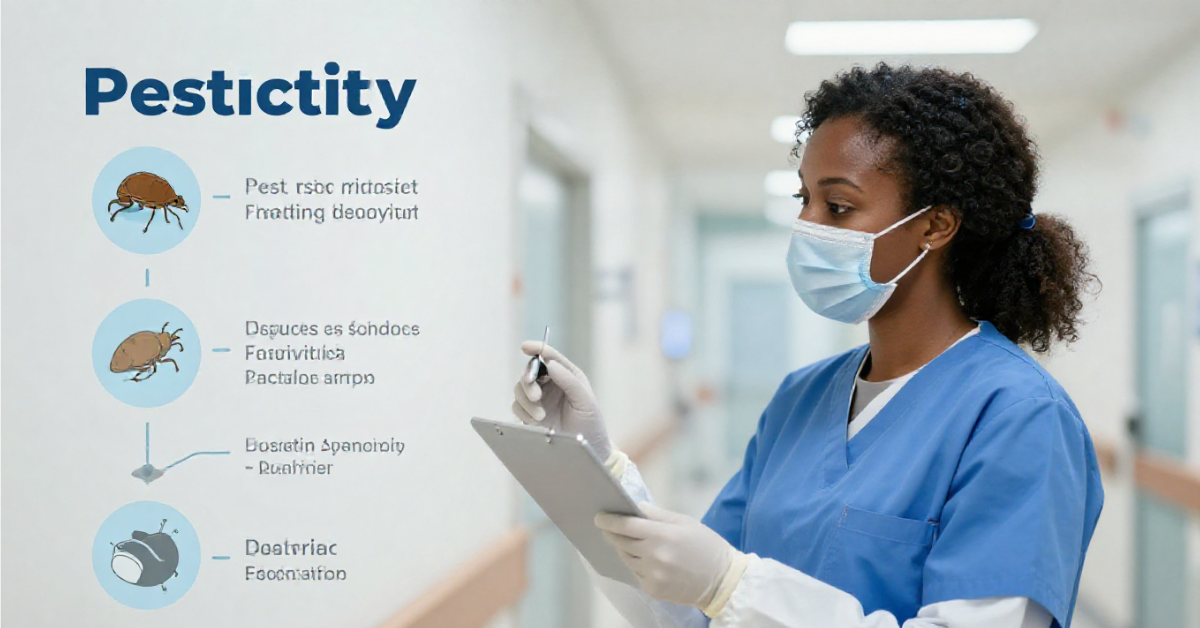
Understanding the Importance of Pest Control in Healthcare Settings
Effective pest control is an essential aspect of maintaining safety and hygiene within healthcare facilities. Hospitals, clinics, and diagnostic centers serve vulnerable populations who may already be suffering from various health conditions, making the presence of pests particularly concerning. Common pests found in these environments include rodents, insects, and birds, each of which poses unique risks to the welfare of patients and staff.
For instance, rodents are notorious carriers of diseases such as hantavirus and leptospirosis, which can be transmitted through direct contact or contaminated surfaces. These rodents often invade healthcare settings in search of food and shelter, leading to a significant threat of contamination and infection. Insects like cockroaches and flies can also be vectors for pathogens, posing a risk of transmitting infections through contact with patients or medical equipment.
In addition to potential disease transmission, pest infestations can lead to severe implications for patient wellbeing and overall healthcare operations. The presence of pests can cause anxiety and unrest among patients, potentially affecting their recovery process. Furthermore, pest-related issues may lead to increased cleaning protocols, extended downtime for pest eradication, and even legal repercussions for healthcare facilities if infestations are found to contribute to healthcare-associated infections.
Erratic pest control measures can disrupt the efficient functioning of healthcare facilities, diverting critical resources away from patient care. Thus, it is vital that healthcare establishments prioritize integrated pest management strategies as a core element of their operational protocols. This ensures not only the safety and hygiene of the facility but also protects the health of patients and the professional integrity of healthcare personnel.
Infection Risks and Hygiene Standards in Healthcare Facilities
Pest infestations in healthcare facilities pose significant infection risks that can compromise patient safety and disrupt sanitary conditions essential for effective healthcare delivery. Rodents, insects, and other pests are known vectors of disease, carrying pathogens such as Salmonella, E. coli, and even viruses that can threaten vulnerable populations. Consequently, maintaining stringent hygiene standards is crucial to mitigate these risks.
In the United States, the Centers for Disease Control and Prevention (CDC) and the Occupational Safety and Health Administration (OSHA) set forth guidelines to ensure a pest-free environment within healthcare setups. Similar mandates exist across various countries. The UK’s National Health Service (NHS) implements rigorous standards that include pest control measures tailored to maintain optimal hygiene levels. In Europe, the European Centre for Disease Prevention and Control (ECDC) emphasizes integrated pest management (IPM) strategies to mitigate risks associated with healthcare-associated infections (HAIs).
Australia enforces regulations under the Australian Commission on Safety and Quality in Health Care, advising healthcare facilities on pest management protocols essential for protecting patients and staff. In Canada, public health guidelines define pest control procedures critical to preventing outbreaks of foodborne illnesses and other infectious diseases. The UAE also follows extensive guidelines laid down by the Ministry of Health and Prevention, complementing pest control strategies with regular audits and inspections to achieve high sanitation standards.
Specific pathogens that pests can carry highlight the necessity for proactive measures. For instance, rodent droppings may contaminate surfaces with Hantavirus, while cockroaches can contribute to the spread of allergens and pathogens linked to respiratory infections. Therefore, adopting effective hygiene practices, including regular sanitation, pest monitoring, and proper waste disposal, is vital for healthcare facilities to protect against pest-related infections.
Pest Inspection Protocols for Medical Facilities
In healthcare facilities, the importance of regular pest inspections cannot be overstated. These inspections are essential to maintaining a safe and hygienic environment. It is highly recommended that pest inspections be conducted at least monthly, with additional assessments occurring whenever there is an indication of a potential pest problem. This proactive approach allows for the early identification and mitigation of pest-related issues before they escalate into significant infestations.
Trained pest control professionals play a crucial role in executing these inspections. Their expertise in identifying signs of pest activity ensures that all potential problem areas are thoroughly examined. Professionals utilize a combination of visual inspections, monitoring devices, and specialized equipment to detect pests in various settings, including waiting areas, treatment rooms, and storage facilities. By employing their knowledge and experience, these experts help in recognizing different types of pest issues, whether they involve rodents, insects, or other nuisances.
Employing comprehensive checklists is vital for facility managers to ensure that inspections are thorough and consistent. These checklists should detail areas to be inspected, signs to be alerted to, such as droppings, nests, or damage, as well as recommended actions based on findings. Common focus areas for inspections include building perimeters, waste disposal areas, utility entry points, and food storage zones. Furthermore, continuous education of staff members regarding the signs of pest activity can enhance detection, enabling more timely interventions. Regular documentation of inspection findings is essential for tracking trends and forming future prevention strategies.
In conclusion, adhering to systematic pest inspection protocols in healthcare facilities is crucial for preserving the hygiene and safety of the environment. By prioritizing regular inspections and the involvement of professional pest control services, healthcare institutions can mitigate the risk of pest-related issues effectively.
Effective Treatment Methods for Pest Control
Pest management in healthcare facilities is crucial to maintaining hygiene and ensuring the safety of both patients and staff. Various treatment methods are employed to manage pest populations effectively, and these can be categorized into chemical and non-chemical approaches. The choice of treatment largely depends on the specific pest problem, regulatory requirements, and safety considerations.
Chemical treatments involve the use of pesticides that target specific pests. These products are designed to be effective while minimizing health risks, with options including insecticides, rodenticides, and fungicides. When using chemical treatments, it is imperative to follow all regulations set forth by health authorities to ensure that the safety of patients and staff is not compromised. Moreover, precautionary measures, such as ensuring proper ventilation and using personal protective equipment, must be in place during application to mitigate potential exposure.
On the other hand, non-chemical treatment methods focus on preventive measures and apply environmentally friendly techniques. These methods include sanitation, exclusion, and mechanical traps. Sanitation involves eliminating food sources and nesting sites by keeping areas clean and organized, which significantly reduces the likelihood of pest infestations. Exclusion strategies, such as sealing entry points and installing screens, serve as barriers against pests. Additionally, utilizing traps captures pests without the use of chemicals, providing an effective and safer alternative for pest management.
In comparing both approaches, it is essential to weigh the efficacy and safety implications. While chemical treatments can provide immediate results, non-chemical methods contribute to long-term pest management by addressing the root causes of infestations. Ultimately, implementing a combination of both strategies, known as integrated pest management (IPM), can yield the best outcomes in maintaining a pest-free environment in healthcare settings.
Compliance Regulations for Pest Control in Healthcare
Pest control in healthcare facilities is not only critical for maintaining hygiene but also for adhering to various compliance regulations that ensure patient safety and public health. Regulations vary significantly across regions, including the USA, UK, Europe, Australia, Canada, and UAE, with each locality presenting its own set of laws and guidelines that healthcare facilities must observe.
In the United States, the Environmental Protection Agency (EPA) establishes regulations governing pest control practices. In addition to state-specific laws, healthcare providers must comply with the requirement to maintain accurate records related to pest control interventions. This includes documentation of pest sightings, control measures implemented, and outcomes. Facilities must also adhere to Occupational Safety and Health Administration (OSHA) standards, which mandate safe work environments free from pest-related hazards.
In the UK, pest control regulations fall under the Health and Safety at Work Act and the Control of Pesticides Regulations. Healthcare facilities are required to ensure that pest control activities do not compromise the safety of patients or staff. Routine inspections and maintenance logs must be kept to document all pest management actions.
European healthcare facilities must navigate the European Union's Biocidal Products Regulation that governs the use of pest control substances, ensuring that they are effective and safe for public health. Compliance involves keeping detailed records of the products used and their application.
In Australia, pest control is regulated under the Australian Pesticides and Veterinary Medicines Authority guidelines, mandating proper use of chemicals and thorough documentation of pest control strategies. Similarly, Canadian healthcare facilities must follow specific provincial regulations regarding pest management and reporting incidents of pest infestations.
Finally, in the UAE, pest control measures are guided by local health authorities, which enforce stringent compliance laws that healthcare facilities must adhere to. This includes obtaining the necessary licenses for pest control applications and ensuring that pest management practices align with public health goals.
Safety Tips for Healthcare Pest Management
Effective pest management in healthcare facilities is paramount to maintaining hygiene and patient safety. To ensure that pest control strategies are carried out safely and efficiently, it is essential for healthcare facility managers and pest control professionals to implement a robust set of safety tips.
First and foremost, minimizing hazardous chemical exposure is critical. Use Integrated Pest Management (IPM) techniques which prioritize prevention and incorporate non-chemical alternatives wherever possible. This approach not only reduces reliance on chemicals but also mitigates the risk of adverse health effects on patients and staff. If chemical treatments are necessary, ensure that only products approved for use in healthcare settings are employed, and that safety data sheets (SDS) are readily available for reference.
Safeguarding sensitive areas, such as patient rooms and sensitive medical equipment zones, is another vital consideration. Establish clear protocols for identifying and marking off high-risk zones before any pest control operations commence. Additionally, ensure that pest control staff are trained to recognize the importance of these areas and can effectively communicate this importance to hospital personnel.
Furthermore, effective communication among staff is essential throughout the pest management process. Regular updates should be provided about scheduled treatments, potential impacts on patient care, and the measures being taken to maintain safety and hygiene. This not only fosters teamwork but also ensures that everyone involved understands their role in minimizing disruptions caused by pest control activities.
Lastly, maintain vigilant monitoring even after treatment. Regular inspections can help detect any resurgence of pest activity, allowing for timely interventions to maintain a safe and hygienic environment for patients and staff alike.
FAQs and Final Thoughts on Pest Control in Healthcare Facilities
Pest control within healthcare facilities is a crucial aspect of maintaining a safe and hygienic environment. Here, we address some frequently asked questions that often arise concerning pest management in these sensitive settings.
1. What are the most common pests found in healthcare facilities?
Healthcare facilities commonly face issues with pests such as rodents, cockroaches, bed bugs, and flies. Each of these pests not only acts as a nuisance but also poses significant health risks, including the potential for disease transmission.
2. How do pests impact infection control?
Pests can facilitate the spread of infections and allergens, particularly in hospitals and clinics where vulnerable populations are present. Their presence can lead to secondary infections, increased hospitalization duration, and compromised recovery processes, all of which can have critical implications for patient health.
3. What pest control methods are most effective?
Integrated Pest Management (IPM) is considered one of the most effective approaches within healthcare environments. By combining biological, mechanical, and chemical methods, IPM minimizes pest populations while reducing the overall impact on human health and the environment.
4. Are pest control treatments safe for patients and staff?
Yes, when performed by certified professionals, pest control treatments can be safe for both patients and staff. It is essential to select methods and products that are hospital-grade yet non-toxic to people and pets, ensuring that safety protocols are strictly adhered to.
5. How can healthcare facilities ensure ongoing compliance with pest control standards?
Regular monitoring, routine inspections, and staff training are vital to ensuring ongoing compliance. Maintaining collaboration with pest control professionals and adhering to local guidelines will help healthcare facilities uphold the highest standards of safety and hygiene.
In conclusion, pest control is an essential component of healthcare facility management that significantly impacts overall infection prevention strategies. By prioritizing proactive pest management, healthcare organizations can safeguard the well-being of their patients, staff, and visitors, ensuring a clean and safe healing environment.
Address:
264/5, Kamal Soroni Road, Mirpur, Dhaka-1216
Contact
Your Quaries on pest control askings
pestexterminatorbd@gmail.com
+8801642008383 +8801988300003, 01723057746
© 2025. All rights reserved. to Urban Pest Control Pvt. Ltd. this site is powered by Our Own IT Team