
Hidden Pests That Slowly Destroy Your House Without Sound
2/3/20267 min read
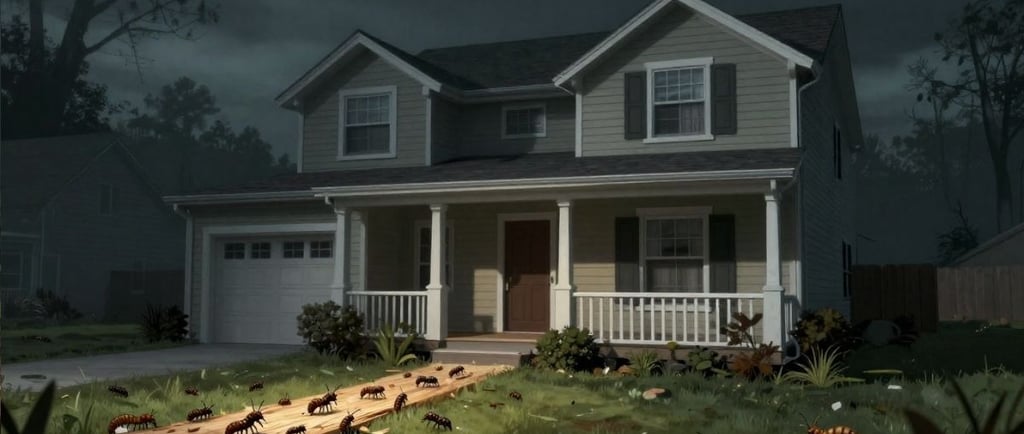

Introduction to Hidden Pests
In the world of pest management, hidden pests represent a particularly insidious threat to homeowners. Unlike more visible intruders, such as rodents or ants, these stealthy invaders operate quietly, often going unnoticed until significant damage has been done. The aim of this blog post is to shed light on these hidden pests that can infiltrate various areas of your home, causing structural problems and potentially leading to hefty repair bills.
Hidden pests encompass a variety of organisms that can wreak havoc without immediate detection. For instance, termites are renowned for their capacity to damage wooden structures without any signs of their presence until the infestation is severe. Similarly, carpenter ants can hollow out wood in a matter of weeks, creating a network of galleries that may compromise the integrity of beams and supports.
Beyond insects, other hidden threats include mold and mildew, which thrive in damp, unnoticed areas and can pose serious health risks to occupants of the home. These pests not only harm physical structures but can also create an unhealthy indoor environment. Furthermore, bed bugs and dust mites, though not typically categorized under structural pests, can infest homes silently, affecting the comfort and well-being of residents.
By raising awareness about these hidden pests, we encourage homeowners to adopt proactive measures to inspect for signs of infestation regularly. Awareness is the first step towards effective prevention and treatment. It is essential to be vigilant and seek professional advice or conduct thorough inspections to safeguard your home against these silent saboteurs. In the upcoming sections, we will delve deeper into specific types of hidden pests, their indicators, and the strategies for combating them effectively.
Common Types of Silent Pests
When it comes to silent pests that can wreak havoc on a home, a few types stand out due to their stealthy behavior and significant damage potential. Among the most notorious are termites, carpenter ants, and bedbugs. Each of these pests presents unique challenges for homeowners, often going unnoticed until considerable damage has been done.
Termites are perhaps the most well-known silent intruders. These wood-destroying insects thrive in environments with moisture and wood. Termites consume cellulose found in wood, leading to structural damage that can be catastrophic. Signs of a termite infestation include mud tubes on exterior walls, hollow-sounding wood, and discarded wings around windows and doors.
Carpenter ants, while not as destructive as termites, can still pose a significant threat to wooden structures. They do not eat wood but excavate it to create nests. This can lead to serious structural damage over time. Homeowners typically notice large black or red carpenter ants, especially near damp wood or areas of high moisture. Their presence can be indicated by sawdust-like shavings near nesting sites, which is a clear sign of activity.
Bedbugs, on the other hand, have become increasingly common in urban settings. These small, reddish-brown insects feed on human blood and are notorious for their ability to multiply quickly. While they do not cause structural damage, their presence can lead to significant distress and sleepless nights. Signs of a bedbug infestation include small blood stains on bedding, brown fecal spots, and the presence of shed skins in areas where they nest.
Understanding these common types of silent pests is crucial for early identification and intervention. Being vigilant about the signs they leave behind can help homeowners mitigate damage and maintain a pest-free environment.
The Damage Caused by Silent Infestations
Silent infestations can wreak havoc within a home, often without the homeowner's knowledge until significant damage has already occurred. One of the most notorious culprits is the termite, known for its ability to undermine the structural integrity of residential buildings. Termites silently eat away at wood, drywall, and other cellulose materials, leading to serious complications if left unchecked. The initial signs of damage may be subtle—such as small holes or a hollow sound when tapping on wooden surfaces—but can escalate to major structural failures involving beams and joists that can threaten the entire framework of a home.
In addition to structural concerns, silent infestations can pose serious health risks. Take bedbugs, for instance; these pests not only infiltrate living spaces undetected but also create significant discomfort through their bites. They can elicit allergic reactions and secondary infections in some individuals, compounding the problem. Moreover, the mere presence of bedbugs can lead to heightened anxiety and disruption of the normal sleeping pattern of inhabitants, negatively impacting overall well-being.
The general deterioration of living conditions due to these silent pests is another pressing issue. Pests like rodents and cockroaches can contribute to unsanitary conditions, spreading diseases through their droppings and contaminating food sources. Moreover, a pest infestation can lead to odors, pest droppings, and potential mold growth in hidden areas, which can create an unhealthy indoor environment. The financial implications can be severe, as addressing these infestations typically requires professional intervention, repairs to the home, and ongoing preventative measures. Understanding the potential long-term impacts of these silent saboteurs emphasizes the importance of timely detection and intervention.
Signs You Might Have a Hidden Pest Problem
Detecting a pest infestation in your home can often be challenging, as many infestations occur without any overt signs. However, certain indicators can provide critical clues that suggest unwelcome pests are present. Recognizing these signs early can save your home from extensive damage and costly repairs.
One of the most common signs of a hidden pest problem is the presence of droppings. These fecal materials may vary in size and shape depending on the type of pest, but they often indicate an established presence. For instance, mice droppings are small and resemble dark rice grains, while larger droppings, indicative of rats, can be more elongated and have a thicker consistency.
Additionally, shed skins are another subtle sign of pest activity, particularly with insects. Pests such as bed bugs or cockroaches shed their exoskeletons as they mature, leaving behind these telltale remnants. Finding these skins often suggests a larger issue at play, requiring immediate attention.
Wood shavings or frass, especially in areas close to wooden structures or furniture, can indicate wood-destroying pests like termites. These small wood chips or dust are caused by tunneling through the wood. If you notice these signs near wooden beams or furniture, it is vital to take action.
Finally, unusual odors may also suggest a hidden pest problem. For example, a musty smell could indicate mold resulting from pest-induced moisture issues. Alternatively, a strong, foul odor might be linked to decaying rodents or insects. Being aware of these olfactory signals can prompt homeowners to investigate further.
By familiarizing oneself with these signs of potential hidden pests, individuals can proactively inspect their homes. Early identification of pest issues can ultimately prevent the escalation of damage and ensure a safer living environment.
Preventive Measures to Protect Your Home
Protecting your home from hidden pests requires a proactive approach that emphasizes prevention over reaction. Homeowners can implement several measures to significantly reduce the risk of infestations, thereby ensuring a safe and healthy living environment. One of the most effective strategies is to meticulously seal any potential entry points. This includes inspecting windows and doors for cracks or gaps and applying weatherstripping where necessary. Moreover, even small openings around pipes and vents can serve as gateways for pests; therefore, utilizing caulk or foam insulation can further protect your home.
Another crucial aspect of pest prevention is maintaining cleanliness within the home. Pests are often attracted to food and clutter, so it is essential to adopt regular cleaning habits. Ensuring that food is stored in secure containers and that spills are promptly cleaned can diminish the chances of attracting unwanted visitors. Additionally, decluttering areas such as basements, attics, and garages not only minimizes hiding spots for pests but also facilitates easier inspection of potential issues.
Regular inspections play a vital role in pest control and should not be overlooked. Homeowners are encouraged to periodically check for signs of pest activity, such as droppings, shed skin, or damage to structures. Creating a schedule for these inspections, such as seasonal checks, can help identify problems early on, potentially before they escalate into significant infestations. Engaging professional services for a thorough inspection can also provide peace of mind, as trained technicians may detect hidden issues that the average homeowner might overlook.
In summary, protecting your home from hidden pests involves sealing entry points, maintaining cleanliness, and conducting regular inspections. By integrating these preventive measures into your home maintenance routine, you will empower yourself to act swiftly against pest vulnerabilities.
What to Do if You Discover an Infestation
Upon discovering a hidden pest infestation in your home, it is crucial to act swiftly to mitigate the damage and ensure the safety of your household. The first step is to identify the type of pest you are dealing with. Different pests require specific treatment methods, so a proper identification can greatly influence your subsequent actions.
Next, contacting a certified pest control professional is highly advisable. These experts possess the knowledge and tools needed to effectively eliminate the infestation. Professional services not only provide immediate help but also offer long-term solutions, ensuring that the pests do not return. They can conduct a thorough inspection of your home and recommend appropriate treatment plans tailored to the severity of the infestation.
In some instances, you may consider DIY extermination techniques. This is generally suitable for minor infestations or when professional help is not immediately available. Common methods include using traps, baits, or natural repellents. It is important to follow the manufacturer's instructions carefully and take necessary precautions to protect yourself and your family during this process.
If any materials in your home are infested, such as furniture or food items, it is critical to dispose of them safely. Seal infested items in plastic bags to prevent the spread of pests while moving them outside. Check local regulations on disposal methods to ensure you are complying with hygiene practices in your area.
Lastly, after resolving the infestation, take preventive measures to avoid future occurrences. Regularly inspect your home, seal cracks and entry points, and maintain cleanliness to deter pests from returning.
Conclusion and Final Thoughts
In conclusion, the significance of being aware of hidden pests cannot be overstated. These silent saboteurs can wreak havoc on your home, often going unnoticed until significant damage has occurred. Recognizing the signs of infestations, such as unusual odors, droppings, or structural damages, allows homeowners to take early action. This proactive stance is essential in safeguarding one’s living environment against the detrimental effects pests can impose.
Moreover, it is vital to understand that pest infestations can escalate rapidly. Regular inspections and preventive measures can help identify potential threats before they develop into major problems. Engaging professional pest control services can provide valuable insights and recommendations tailored to your specific situation, ensuring a comprehensive strategy against infestations.
Consequently, maintaining vigilance is a wise approach in the fight against pests. Homeowners are encouraged to routinely assess their properties, both indoors and outdoors, to detect any early signs of pest activity. By integrating regular pest inspections into home maintenance schedules, the likelihood of undiscovered pest populations causing harm reduces significantly.
Ultimately, staying informed about hidden pests and their behaviors is crucial. Doing so empowers homeowners to create a safer and healthier living environment, minimizing the risks associated with potential infestations. As you work to maintain the integrity of your home, remember that awareness and proactive measures are your best defense against these quiet invaders.
Address:
264/5, Kamal Soroni Road, Mirpur, Dhaka-1216
Contact
Your Quaries on pest control askings
pestexterminatorbd@gmail.com
+8801642008383 +8801988300003, 01723057746
© 2025. All rights reserved. to Urban Pest Control Pvt. Ltd. this site is powered by Our Own IT Team