
Hospital-Acquired Infections & Pest Control: A Public Health Priority in Bangladesh
2/22/20267 min read
Introduction to Hospital Pest Control in Dhaka
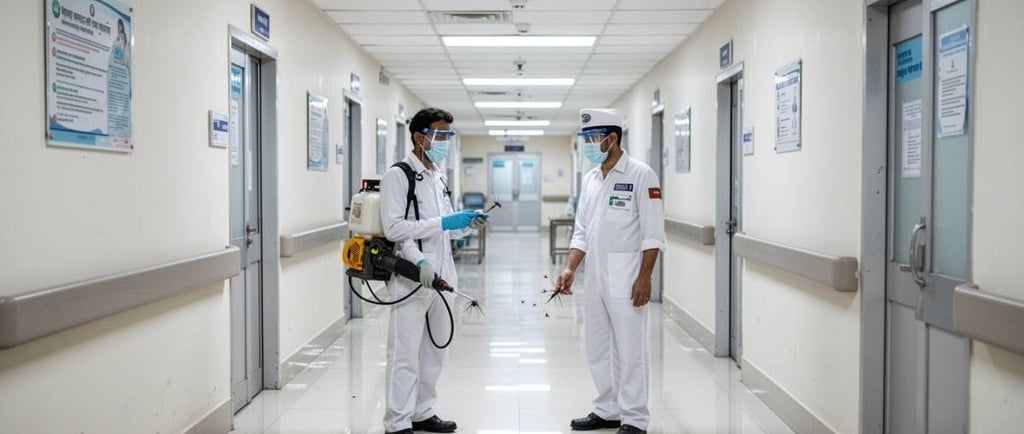
Pest control in healthcare settings is a fundamental aspect of ensuring patient safety and infection prevention. In Dhaka, Bangladesh, hospitals face unique challenges related to pest infestations, which can significantly impact the health and well-being of patients and staff. These healthcare facilities serve large populations, making the potential for pest problems a pressing concern.
The tropical climate of Dhaka, characterized by high humidity and temperature, creates an ideal environment for various pests, including rodents, insects, and other vermin. Hospitals are particularly vulnerable to infestations due to factors such as food storage areas, waste disposal sites, and the constant movement of people into and out of the facility. The presence of pests can lead to numerous health risks, including the transmission of diseases and the contamination of sterile environments.
In addition to health implications, pest infestations can severely undermine the reputation of healthcare facilities. When patients and their families perceive a hospital as unclean or unsafe due to pest problems, it erodes trust and can lead to a decline in patient admission rates. Consequently, an effective pest control program must not only address existing infestations but also implement preventive measures to protect healthcare environments proactively.
The necessity for integrated pest management (IPM) in hospitals encompasses both immediate responses to infestations and long-term strategies to reduce vulnerabilities. This approach considers the unique demands of a healthcare setting, particularly the need for minimal disruption to patient care while ensuring rigorous standards of cleanliness and hygiene. By investing in effective pest control measures, hospitals in Dhaka can prioritize patient safety and enhance their overall operational efficiency.
How Flies and Cockroaches Spread Hospital Infections
In the context of Bangladeshi hospitals, the presence of flies and cockroaches poses a significant threat to infection control efforts. These pests are not merely nuisances; they are known vectors for numerous pathogens that can compromise patient safety. Flies, particularly, are adept at spreading infections due to their feeding habits, which often involve decaying organic matter and waste. This behavior allows them to harbor bacteria such as Salmonella, E. coli, and others, transporting them on their bodily surfaces and within their feces, which can easily contaminate sanitation areas within healthcare facilities.
Cockroaches share this detrimental role as pests that facilitate the transmission of diseases. They thrive in environments conducive to filth and neglect, such as kitchens and waste disposal areas within hospitals. Cockroaches can carry allergens and pathogens that lead to gastroenteritis, respiratory infections, and skin irritations. The likelihood of exposure increases due to their habits of crawling over hospital equipment, patient beds, and food supplies, thereby creating a cycle of potential infection.
The environmental conditions prevalent in hospitals, such as high humidity and the availability of food sources, further exacerbate the situation. Flies and cockroaches breed rapidly under favorable conditions, which amplifies their populations in healthcare settings. With their ability to reproduce swiftly and evade common control measures, these pests can establish themselves firmly, complicating infection prevention efforts.
Furthermore, the biological mechanisms that allow flies and cockroaches to thrive contribute significantly to their role as disease vectors. Hospital staff must maintain rigorous sanitation protocols and pest control measures to mitigate the risk associated with these common pests. Ultimately, understanding the interplay between these insects and infection transmission is crucial in formulating effective pest management strategies that protect vulnerable populations from disease outbreaks.
International Hygiene Standards for Healthcare Facilities
Effective pest control is an essential aspect of maintaining hygiene standards in healthcare facilities. Organizations such as the World Health Organization (WHO) set forth guidelines aimed at mitigating infection risks that could potentially arise from pest infestations. These global hygiene standards are particularly critical for hospitals, where vulnerable populations including patients and healthcare workers are present.
According to WHO, healthcare establishments should implement integrated pest management (IPM) strategies that encompass prevention, monitoring, and control measures. These strategies are designed to minimize human health risks associated with pests, including rodents, insects, and other vermin, that may carry various pathogens. Such comprehensive approaches enable healthcare facilities to manage pest-related concerns effectively while adhering to international recommendations.
In Bangladesh, aligning local pest control practices with these international hygiene standards is essential. This alignment not only enhances the safety of patients and staff but also plays a significant role in promoting overall public health. Healthcare facilities must actively engage in regular assessments and apply preventive measures that are consistent with WHO guidelines. This includes employing trained staff to monitor pest activity, maintaining proper sanitation protocols, and utilizing environmentally friendly pest control methods.
Furthermore, similar recommendations from other reputable organizations, such as the Centers for Disease Control and Prevention (CDC), reinforce the importance of implementing stringent pest management practices in hospitals. These practices collectively aim to protect individuals' health and ensure a sterile environment conducive to treatment and recovery. As Bangladesh strives to elevate its healthcare standards, integrating these international hygiene protocols into local pest control strategies is imperative for preventing infections and safeguarding community health.
Safe Chemical Usage in Healthcare Facilities
In the context of pest control within healthcare facilities, the application of chemicals presents significant challenges. Given the sensitive environment of hospitals, the safe and effective use of chemical pest control methods is imperative to ensure the health and safety of patients, staff, and the surrounding ecosystem. Regulations governing the use of chemicals in such settings are designed to mitigate risks associated with exposure to harmful substances.
Healthcare facilities must comply with stringent local, national, and international regulations regarding chemical usage. These regulations typically include guidelines for the selection, application, and disposal of chemical pesticides. Healthcare facilities should conduct risk assessments to evaluate potential hazards linked to chemical pest control methods, ensuring that the chosen interventions do not interfere with patient care or environmental safety.
Adopting best practices is essential for safe chemical usage. Staff training is a critical component of this approach; all personnel involved in pest control should be well-versed in the proper application techniques, understanding of safety data sheets, and personal protective equipment (PPE) requirements. Furthermore, it is advantageous for healthcare facilities to develop a pest management plan that emphasizes integrated pest management (IPM) strategies. IPM incorporates a combination of cultural, biological, and chemical control methods, reducing reliance on potentially harmful chemicals.
In addition to traditional chemical treatments, exploring alternative pest control methods should be a priority. These methods may include biological control agents, physical barriers, and environmentally friendly pesticides. By diversifying pest management strategies, healthcare facilities can ensure effective pest elimination while minimizing health risks to patients and staff.
Routine Inspection Protocols for Pest Management
Effective pest control in hospitals is critical to safeguarding patient health and maintaining a sterile environment. Implementing routine inspection protocols plays a pivotal role in the early identification and management of pest infestations. These protocols should be structured, frequent, and cover key areas of hospital premises where pests may thrive.
Inspections should occur at regular intervals, ideally on a monthly basis, to ensure thorough monitoring of the hospital’s environment. However, more frequent inspections may be necessary in high-risk areas such as kitchens, waste disposal zones, and patient care areas. Staff must be trained to recognize signs of pest activity, including droppings, nests, or unusual odors, allowing for prompt action should a problem arise.
The methodology of these inspections should follow a systematic approach, encompassing both visual checks and the use of technology as necessary. Visual inspections can include checking for entry points such as cracks in walls, openings around windows, and spaces under doors. Additionally, technology, such as pest detection devices, can enhance the efficacy of these inspections.Routine inspections should involve various healthcare staff, including custodial personnel, nursing staff, and facility maintenance teams, each playing a crucial role. Custodial staff, for instance, are often the first line of defense as they maintain cleanliness and observe any early signs of pest issues during their regular cleaning routines. Nurse practitioners and doctors should also be educated about the importance of reporting potential pest problems to ensure a collaborative effort in pest management.
By adhering to these inspection protocols, hospitals can mitigate the risk posed by pests and ensure that appropriate measures are taken quickly. A proactive approach to pest management not only protects patients and staff but also contributes to the overall integrity and reputation of the healthcare facility.
The Importance of Professional Pest Management in Reducing Infection Risk
Pest management in hospitals is a crucial aspect of infection prevention that cannot be overlooked. Professional pest management services play an essential role in mitigating the risk of disease transmission through pests like rodents and insects, which can carry harmful pathogens. Such services are designed to deliver effective solutions by utilizing a combination of preventive measures, monitoring systems, and targeted treatments. This proactive approach significantly reduces the likelihood of pest infestations that could compromise patient safety.
Contaminated environments can lead to nosocomial infections, which are infections acquired during hospital stays. Studies have shown that facilities with a structured pest management program reported a noticeable decrease in infection rates. For instance, a case study involving a large hospital in Dhaka noted that implementing professional pest control measures led to a 30% reduction in reported cases of infection associated with pest presence. The results underscore the importance of having trained professionals who can assess risk factors and recommend actionable strategies tailored to the healthcare setting.
Furthermore, professional pest management not only addresses existing infestations but also focuses on education and training for hospital staff. By educating healthcare workers about signs of pests and preventive measures, hospitals can further strengthen their defenses against pest-related infections. This collaborative approach between pest management professionals and hospital staff fosters a culture of vigilance and accountability, essential for infection control.
In conclusion, employing professional pest management services in hospitals is a strategic necessity. Such measures not only protect patients from potential infections but also enhance overall operational efficiency in healthcare facilities. Through ongoing assessment, training, and targeted interventions, hospitals can ensure a safe environment conducive to healing and recovery.
Conclusion and Call to Action
In the healthcare sector, especially within hospitals, the urgency of effective pest control cannot be overstated. As discussed, the presence of pests not only poses a significant threat to patient health but also jeopardizes the overall integrity of hospital environments. The risks associated with pest infestations range from the transmission of diseases to potential disruptions in healthcare operations, which can ultimately compromise patient safety and recovery.
Implementing a robust pest management strategy is essential for infection prevention. This strategy should incorporate routine monitoring, prompt action against infestations, and regular staff training on pest awareness. A systematic approach to pest control significantly minimizes the likelihood of outbreaks that can lead to adverse health outcomes for patients already in vulnerable conditions.
Moreover, hospital administrators must recognize the essential role of pest control within their broader infection prevention and control programs. By prioritizing pest management as a fundamental component of these programs, healthcare facilities can safeguard public health and enhance the quality of care provided to patients. It is vital to invest in professional pest management services and educational initiatives that empower staff to identify and report pest activity proactively.
In conclusion, the fight against pests in hospitals is an ongoing challenge that requires commitment and vigilance. Hospital leadership must take decisive action to integrate pest control measures into their infection control protocols. The health of patients and the efficiency of healthcare services depend on a pest-free environment. Therefore, it's imperative for hospital administrators to prioritize this critical area, ensuring that effective pest control is consistently maintained. Let us foster a safer healthcare environment for all by making pest management a top priority.
Address:
264/5, Kamal Soroni Road, Mirpur, Dhaka-1216
Contact
Your Quaries on pest control askings
pestexterminatorbd@gmail.com
+8801642008383 +8801988300003, 01723057746
© 2025. All rights reserved. to Urban Pest Control Pvt. Ltd. this site is powered by Our Own IT Team