
Hospital & Clinic Disinfection Service in Bangladesh – Medical Grade Sanitization
2/27/20267 min read
Understanding Medical-Grade Disinfectants
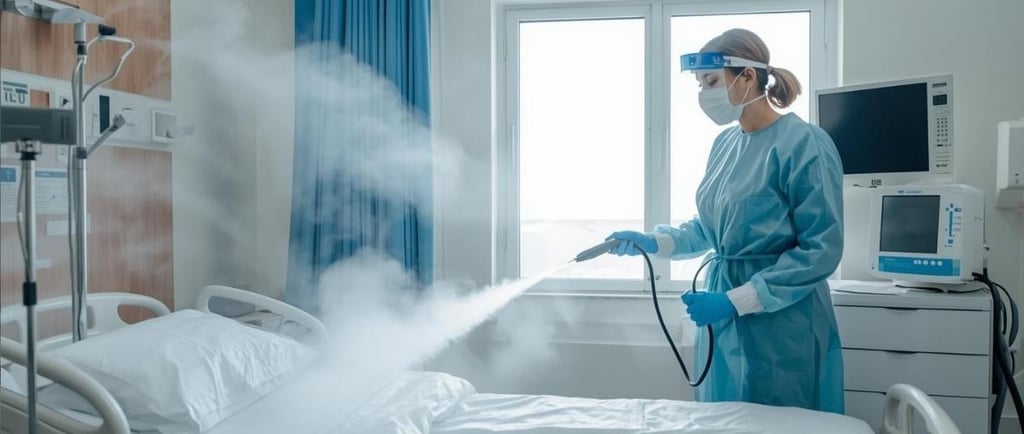
Medical-grade disinfectants are specially formulated products that possess the ability to destroy or inactivate a wide range of pathogens, rendering surfaces safe and hygienic in healthcare settings. These disinfectants are critical for maintaining patient safety, especially in environments where the risk of infection transmission is high. The efficacy of medical-grade disinfectants is largely attributed to their chemical composition, which typically includes active ingredients such as quaternary ammonium compounds, hydrogen peroxide, chlorine compounds, and alcohols. All of these compounds have been shown to effectively eliminate bacteria, viruses, and fungi from surfaces.
One of the key factors to consider when selecting a disinfectant for medical purposes is its registration with the Environmental Protection Agency (EPA). EPA-registered products have undergone rigorous testing to ensure their effectiveness and safety when used as directed. This registration serves as a benchmark for healthcare facilities to select reliable disinfectants that comply with regulatory standards. Moreover, the use of EPA-registered disinfectants helps to ensure that healthcare environments remain free from harmful pathogens, significantly reducing the risk of healthcare-associated infections (HAIs).
There are various types of medical-grade disinfectants available in the marketplace, each designed for specific applications. For instance, high-level disinfectants are often used for critical medical devices that require a high degree of sterility, while intermediate-level disinfectants may be suitable for non-critical surfaces that come into contact with skin. Low-level disinfectants are generally adept at cleaning less contaminated surfaces. Understanding the differences among these products is essential for clinicians and healthcare professionals to select the appropriate disinfectant based on the particular needs of their facility and the type of pathogens prevalent in their environment.
Preventing Cross-Contamination in Healthcare Settings
Cross-contamination in healthcare settings poses a significant risk to patient safety and the effectiveness of treatments. To mitigate this risk, it is crucial to implement robust cleaning protocols that effectively eliminate harmful pathogens. Routine cleaning and disinfection of surfaces and equipment are essential practices. Healthcare facilities must establish clear guidelines regarding the frequency and methods of cleaning, especially in high-touch areas such as operating rooms, patient rooms, and waiting areas.
Another key aspect of preventing cross-contamination is the role of staff training. Healthcare providers must receive comprehensive education regarding infection control practices, including the proper use of personal protective equipment (PPE) and hand hygiene techniques. Regular training sessions and refresher courses ensure that staff remain up-to-date with the latest standards and protocols. Moreover, consistent reinforcement of these practices through observation and feedback can significantly enhance compliance and overall effectiveness.
The physical layout of healthcare facilities also plays a significant role in preventing cross-contamination. Establishing designated clean and contaminated zones can help minimize the risk of spreading infections. For instance, areas where sterile instruments are prepared should be distinctly separate from zones where contaminated materials are processed. Additionally, implementing proper traffic flow for personnel and patients can further reduce exposure to contaminants. Signage and visual cues are effective tools in guiding behaviors and maintaining strict adherence to established protocols.
In summary, preventing cross-contamination in healthcare settings is a multifaceted approach that demands diligent attention to cleaning protocols, well-trained staff, and strategic facility designs. By prioritizing these key elements, healthcare providers in Bangladesh can create safer environments that safeguard patient health and enhance the quality of care.
Establishing Patient Safety Standards in Hospitals
In the context of healthcare in Bangladesh, establishing robust patient safety standards is critical to enhancing the quality of care provided in hospitals. Regulatory frameworks and organizational standards have been developed to ensure that healthcare facilities operate within defined safety parameters, which directly influence patient outcomes. Key to these efforts is adherence to guidelines set forth by national health authorities, as well as international standards such as those outlined by the World Health Organization (WHO).
Healthcare facilities in Bangladesh are required to implement a variety of policies that focus on infection control, surgical safety, medication management, and emergency preparedness, among others. These policies are not only essential for patient protection but also for minimizing the risks associated with healthcare delivery. For instance, hospitals must maintain cleanliness and follow strict sanitization protocols to prevent healthcare-associated infections, which are a major concern in any medical environment.
Moreover, the role of hospital accreditation cannot be overlooked in the conversation regarding patient safety. Accreditation bodies assess hospitals against established standards, ensuring compliance with safety practices that contribute to a culture of continuous improvement within healthcare settings. This evaluation process emphasizes the importance of governance and the accountability of healthcare staff, fostering an environment where patient safety is prioritized.
The integration of these standards into hospital operations promotes systematic approaches to quality improvement, allowing healthcare providers to not only deliver effective care but also to enhance patient experiences. Furthermore, it encourages collaboration among clinical teams, which is vital for maintaining high safety standards. By adhering to these established norms, healthcare institutions can significantly reduce adverse events and improve overall health outcomes for patients.
Sterilization Procedures in Operation Theatres
Ensuring a sterile environment in operation theatres is crucial for patient safety and the success of surgical procedures. Multiple sterilization techniques are employed to achieve the highest standards of cleanliness and infection control. The most widely used method is steam sterilization, also known as autoclaving. This process utilizes high-pressure steam to eradicate microbial life from surgical instruments and materials. The effectiveness of steam sterilization is enhanced by maintaining a temperature of at least 121 degrees Celsius for a minimum of 15 minutes, ensuring thorough penetration of steam into the items being sterilized.
Another approach is chemical sterilization, which is utilized for heat-sensitive instruments. Solutions containing disinfectants such as glutaraldehyde or hydrogen peroxide are used to sterilize various surgical tools. This method is generally preferred for delicate equipment that cannot withstand high temperatures, ensuring that they remain sterile without compromising their integrity.
In recent years, advanced technologies, such as ethylene oxide (EO) sterilization, have gained prominence. Ethylene oxide is a gas that effectively kills bacteria, viruses, and fungi in a controlled environment. Its application is particularly vital for complex medical devices with intricate designs where steam sterilization may not reach. The utilization of EO requires careful monitoring of exposure time and temperature to ensure optimum effectiveness and safety.
Maintaining a sterile environment extends beyond sterilization techniques themselves. Strict protocols must be followed before, during, and after surgical procedures. This includes rigorous cleaning of the operation theatre, disinfection of surfaces, and utilization of personal protective equipment (PPE) by healthcare staff. Air ventilation systems also play a crucial role in reducing airborne contaminants, thereby enhancing patient safety.
Adhering to these comprehensive sterilization procedures is key in safeguarding patient welfare in operation theatres, ultimately contributing to successful surgical outcomes and minimizing the risk of postoperative infections.
Ambulance Sanitization Protocols
Ensuring the safety and well-being of patients during transport is paramount in healthcare, particularly in the context of ambulances. Ambulance sanitization protocols are critical in mitigating the risk of infections and maintaining a hygienic environment. These protocols encompass a series of routine cleaning and disinfecting methods aimed at eliminating pathogens that could compromise patient safety.
Routine cleaning should occur at multiple points throughout the day; this includes the cleaning of all surfaces inside the ambulance, including seats, stretchers, and medical equipment. High-touch areas, such as door handles, seat belts, and control panels, require special attention due to their heightened risk of contamination. The Environmental Protection Agency (EPA) recommends using disinfectants approved for use against pathogens, including viruses and bacteria, to adequately perform this task. It is essential for ambulance personnel to follow the manufacturer's instructions for each cleaning solution to ensure effectiveness.
In addition to routine cleaning, thorough disinfection needs to occur after every emergency transport. This process should involve a systematic approach to ensure that all surfaces are not just visually clean but also free from harmful microorganisms. Utilizing disposable cleaning supplies and personal protective equipment (PPE) is advisable to prevent cross-contamination. Furthermore, educating ambulance staff about the importance of maintaining a sanitized environment is vital. They should be trained in proper techniques and the significance of adherence to established protocols.
Unique challenges faced in emergency medical services include time constraints and the unpredictable nature of patient conditions. Despite these challenges, the implementation of effective sanitization protocols directly contributes to patient safety. By prioritizing hygiene in ambulances, healthcare providers not only protect patients but also enhance the overall efficacy of emergency medical services.
Infection Control Protocols in Bangladesh Hospitals
Infection control is a critical aspect of healthcare sanitation that aims to diminish the risk of healthcare-associated infections (HAIs) within hospitals in Bangladesh. Various protocols have been established to ensure a robust framework for infection prevention, including comprehensive surveillance programs, meticulous hand hygiene practices, the appropriate use of personal protective equipment (PPE), and a collaborative multidisciplinary approach.
Surveillance programs are essential in identifying and monitoring infection trends within healthcare settings. These programs collect data on infection rates, enabling healthcare facilities to implement timely interventions and optimize their infection control strategies. By establishing a systematic approach to surveillance, hospitals in Bangladesh can effectively respond to outbreaks and reduce the incidence of HAIs.
Hand hygiene practices are another cornerstone of infection control. Compliance with hand hygiene protocols, involving the use of alcohol-based hand sanitizers or soaps, is crucial for reducing the transmission of pathogens. Training healthcare professionals on proper handwashing techniques and creating accessible hand hygiene stations throughout the facility helps promote a culture of safety and vigilance.
Moreover, the use of personal protective equipment (PPE) significantly reduces the risk of pathogen exposure for healthcare providers. This includes gloves, masks, gowns, and eye protection, which are essential when handling contaminated materials or providing care to infected patients. Ensuring that staff are properly trained in the use and disposal of PPE is vital to maintain their safety and the safety of patients.
Finally, a multidisciplinary approach to infection control combines the expertise of various healthcare professionals, including doctors, nurses, and infection control specialists. This collaboration fosters a shared responsibility for infection prevention and ensures that comprehensive protocols are established and adhered to across all levels of care. By fostering teamwork and communication, hospitals can create a safer environment for patients and staff alike.
The Importance of Compliance Standards and Safety Certifications
In the ever-evolving landscape of healthcare, compliance with sanitization standards is paramount for ensuring patient safety and well-being. Local and international compliance standards serve as benchmarks that healthcare facilities must meet to demonstrate their commitment to hygiene and safety practices. Adhering to these standards not only helps mitigate the risk of healthcare-associated infections but also plays a crucial role in fostering a culture of trust between patients and providers.
Safety certifications, such as those issued by recognized regulatory bodies, signify that a healthcare facility has implemented adequate sanitization measures aligned with established protocols. These certifications act as a visual reassurance for patients, affirming that the environment they are entering has undergone rigorous assessment and meets necessary health standards. For many patients, seeing these certifications can influence their decision-making, often swaying them to choose a facility that prioritizes their health and safety.
Non-compliance with sanitization standards can have dire consequences for healthcare providers. It may lead to increased rates of infections, which subsequently can harm a facility's reputation and result in legal consequences or financial penalties. Furthermore, non-compliance undermines patient confidence, potentially leading to a decrease in patient turnout. Therefore, it is crucial for healthcare providers in Bangladesh to prioritize adherence to these standards and pursue relevant safety certifications, not only to comply with regulations but also to enhance the overall quality of care.
Effective implementation of compliance standards and safety certifications in the healthcare sector will ultimately contribute to better patient outcomes and a safer healthcare environment. As such, both national regulations and international guidelines should be continuously reviewed and adapted to ensure they remain relevant in addressing the ongoing health challenges faced by medical institutions.
Address:
264/5, Kamal Soroni Road, Mirpur, Dhaka-1216
Contact
Your Quaries on pest control askings
pestexterminatorbd@gmail.com
+8801642008383 +8801988300003, 01723057746
© 2025. All rights reserved. to Urban Pest Control Pvt. Ltd. this site is powered by Our Own IT Team