
Hospital & Clinic Disinfection Service in Bangladesh – Medical Grade Sanitization Solutions
2/28/20267 min read
Introduction to Hospital-Grade Disinfection
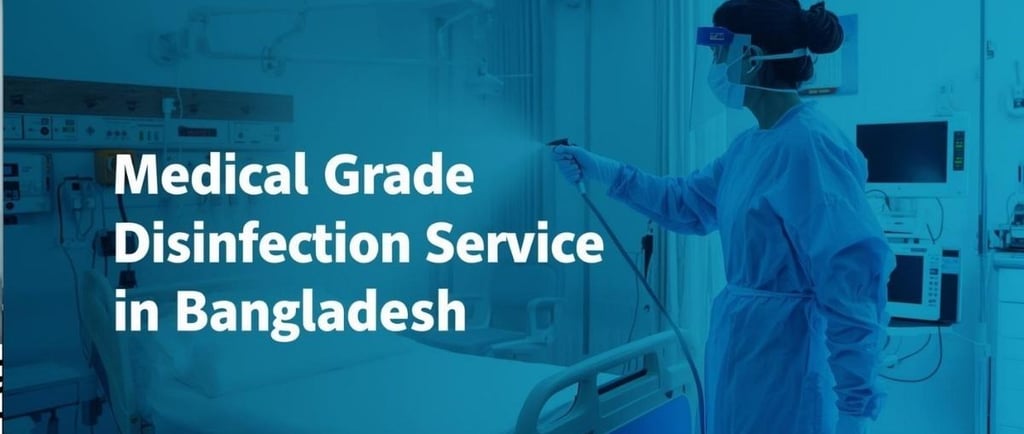
Hospital-grade disinfection protocols are essential components of healthcare settings, designed to ensure a safe environment for patients, staff, and visitors. These protocols involve the use of effective disinfectants and practices that exceed standard cleaning measures, targeting harmful pathogens that can lead to healthcare-associated infections (HAIs). HAIs are significant concerns in clinical environments, as they can lead to severe complications, extended hospital stays, and increased healthcare costs. Thus, implementing rigorous disinfection protocols is vital for maintaining patient safety and enhancing infection control.
What defines hospital-grade disinfection is not just the products employed but the comprehensive approach to disinfection that hospitals must undertake. This includes understanding the varying levels of microbial threat within different areas of a healthcare facility, such as surgical suites and patient wards. Disinfectants used in these protocols must meet stringent regulatory standards, demonstrating their efficacy against a broad range of pathogens, including viruses, bacteria, and fungi. Cleaning staff must be trained in these protocols to ensure proper application and contact times, as inadequate disinfection can lead to the survival of pathogens and subsequent infection.
The importance of hospital-grade disinfection cannot be overstated. It plays a critical role in preventing HAIs, which are often responsible for significant morbidity and mortality rates among patients. Additionally, the implementation of these rigorous standards helps healthcare facilities comply with local and national regulations surrounding infection control. By adopting and adhering to hospital-grade disinfection protocols, healthcare organizations safeguard patient health while promoting a culture of safety and accountability.
Understanding Infection Control: OT Sterilization Protocols
In the context of operating theatres (OT), the significance of stringent sterilization protocols cannot be overstated. The primary objective of these protocols is to minimize the risk of healthcare-associated infections (HAIs) during surgical procedures, which can jeopardize patient safety and recovery outcomes. Various sterilization processes are utilized in operating rooms, each designed to eliminate a wide range of pathogens effectively.
One of the most commonly employed methods is steam sterilization, also known as autoclaving. This technique uses high-pressure steam to achieve temperatures sufficient to destroy bacteria, viruses, and spores. Another widely used sterilization method is ethylene oxide gas sterilization, which is particularly effective for temperature-sensitive instruments that cannot withstand moisture. Hydrogen peroxide vapor sterilization is also gaining traction due to its efficacy and environmentally friendly outcomes.
Several factors influence the efficacy of these sterilization methods, including the type of microorganisms present on surfaces and instruments, the presence of organic matter, and the duration and temperature of the sterilization process. It is crucial for healthcare facilities to monitor these variables closely to ensure compliance with sterilization guidelines set forth by health authorities.
Adhering to government health standards is paramount for maintaining a sterile environment in the OT. Regulatory bodies, such as the Centers for Disease Control and Prevention (CDC) and the World Health Organization (WHO), provide detailed protocols and recommendations for sterilization that must be followed. Regular audits and updates to infection control policies ensure that surgical teams are well-informed about the latest standards, reinforcing the importance of ongoing training and compliance.
In summary, effective sterilization protocols in the operating theatre are essential for safeguarding surgical patients from infections. By implementing best practices and adhering to health standards, healthcare professionals can enhance patient safety, reduce the risk of complications, and promote successful surgical outcomes.
ICU Room Sanitization: Maintaining High Standards
Intensive Care Units (ICUs) are critical environments where patients receive specialized care and monitoring. Given their vulnerable status, rigorous sanitization in ICU rooms is paramount to ensure patient safety and mitigate the risk of healthcare-associated infections (HAIs). Effective disinfection protocols are designed not only to clean surfaces but also to reduce microbial load, thereby minimizing the potential for cross-contamination.
Cleaning protocols in ICUs typically commence with the removal of visible dirt and organic material, followed by the application of appropriate disinfectants. High-touch surfaces such as bed rails, doorknobs, and medical equipment should receive special attention due to their frequent contact with healthcare staff and patients. Using hospital-grade disinfectants that are effective against a broad spectrum of pathogens is essential. This includes addressing bacterial spores, viruses, and fungi that may be present in these environments.
An integral part of sanitization involves adhering to standardized procedures that specify the frequency and method of cleaning. Routine disinfection should occur at regular intervals, particularly during shift changes or when a patient is discharged and a new one is admitted. In addition to scheduled cleaning, immediate disinfection should be implemented whenever a spill or a contamination incident occurs.
Moreover, the training of staff in these protocols is crucial. Health care professionals must understand the critical importance of proper sanitization techniques and follow procedures diligently to minimize risks. The mere presence of disinfectants is insufficient without consistent application and evaluation of the measures in place. Thus, maintenance of high standards in ICU room sanitization is not only a best practice but a necessary component in ensuring positive patient outcomes and maintaining compliance with healthcare regulations.
Ambulance Disinfection Practices
The disinfection of ambulances is of paramount importance to ensure the safety of both patients and medical personnel. During transport, ambulances are exposed to various pathogens, increasing the risk of infections if proper disinfection protocols are not meticulously followed. Given the confined space of an ambulance, it is critical to maintain a sanitized environment to minimize the risk of cross-contamination.
To effectively combat potential infections, ambulance disinfection practices should begin with a thorough cleaning of all surfaces after each patient transport. This includes high-touch areas such as seatbelts, grab rails, and medical equipment. The use of hospital-grade disinfectants that are effective against a broad spectrum of pathogens is recommended. Furthermore, these disinfectants should have proper contact time to ensure efficacy and be compatible with the materials commonly found within the ambulance to prevent damage.
One of the significant challenges faced during transportation is the potential for biohazard exposure. Medical teams must be trained to identify hazardous materials and apply the appropriate protocol for disposal and decontamination. To enhance patient safety, immediate disinfection of contaminated areas should occur concurrently with patient care when feasible. Following patient transport, an additional round of comprehensive cleaning should take place before the ambulance is deemed ready for the next call.
Regular audits and training sessions for emergency medical service (EMS) personnel are crucial to reinforce adherence to these disinfection protocols. Incorporating these ambulance disinfection practices not only helps in reducing the spread of infections but also fosters trust in the healthcare system among patients and their families. By prioritizing a sanitized environment, EMS providers play a significant role in overall infection prevention strategies.
Preventing Cross-Contamination: Key Strategies
In healthcare settings, preventing cross-contamination is crucial for maintaining a safe environment for both patients and staff. Implementing effective disinfection protocols can significantly reduce the risk of infections. One of the primary strategies involves proper handling of instruments used during medical procedures. Medical instruments must be sterilized before each use, and it is essential to ensure that reusable equipment is thoroughly cleaned according to established guidelines post-procedure. Implementing a color-coded system for cleaning supplies can also help in distinguishing between tools meant for different areas or tasks, thereby minimizing the chances of cross-contamination.
Another vital aspect of preventing cross-contamination is adhering to established cleaning protocols. Regular cleaning of high-touch surfaces, such as doorknobs, light switches, and medical equipment, is necessary to eliminate potential pathogens. Disinfection should involve the use of EPA-approved hospital-grade disinfectants that are proven effective against a broad spectrum of microorganisms. The frequency of these cleaning protocols must increase during outbreaks of contagious diseases or in areas with high patient turnover.
Moreover, educating and training staff in proper hygiene practices plays an integral role in preventing contamination. All personnel, including medical and administrative staff, should be well-versed in hand hygiene practices, such as thorough handwashing techniques and the appropriate use of personal protective equipment (PPE). Regular training sessions can reinforce these essential skills, ensuring that all team members understand their role in the disinfection process and are equipped to contribute to a safe healthcare environment.
Government Compliance Guidelines in Disinfection Practices
In the realm of healthcare, maintaining rigorous disinfection practices is paramount to ensuring patient safety and preventing the spread of infections. Various government bodies enforce regulations that dictate the standards for disinfection protocols within healthcare facilities. In the United States, the Environmental Protection Agency (EPA) and the Centers for Disease Control and Prevention (CDC) are principal regulatory agencies that establish guidelines for disinfection practices. These guidelines are intended to safeguard public health and ensure that healthcare environments remain safe and sanitary.
The EPA oversees the approval and registration of disinfectants used in healthcare settings, requiring that all products meet strict efficacy and safety criteria. The CDC provides comprehensive infection prevention and control guidelines, which are essential for healthcare providers to implement effective disinfection protocols. Such guidelines cover a spectrum of disinfection measures, including the appropriate selection of disinfectants, their application methods, and specific recommendations depending on the healthcare environment.
Moreover, compliance with these regulations is not merely a matter of following recommended practices; it has significant implications for healthcare facilities. Non-compliance can lead to legal consequences, including the potential for fines and penalties. Furthermore, failure to adhere to these disinfection protocols can result in increased infection rates, which negatively impact patient outcomes and can tarnish the institution's reputation. Healthcare facilities are, therefore, encouraged to stay informed and updated on the latest guidelines established by regulatory bodies to mitigate these risks and enhance patient safety.
Conclusion and Call to Action for Clinics and Diagnostic Centers
In the contemporary healthcare landscape, the significance of rigorous hospital-grade disinfection protocols cannot be overstated. Effective sanitization directly correlates with patient safety, preventing the spread of infections and ensuring compliance with healthcare regulations. Clinics and diagnostic centers must recognize that their commitment to maintaining a clean environment is paramount in safeguarding their patients and upholding public trust.
Adopting comprehensive disinfection practices is not merely a recommendation; it is an essential part of operational excellence. Facilities are urged to implement standardized protocols that align with CDC guidelines and best practices, utilizing appropriate disinfectants and ensuring all staff are well-trained in their application. Regular audits and evaluations of current disinfection strategies should be conducted to identify areas for improvement and to integrate the latest technologies and methodologies in sanitization.
Moreover, resources are available to assist healthcare providers in enhancing their disinfection protocols. Engaging with industry experts and participating in continuing education opportunities can empower clinic staff to stay informed about the most effective disinfection techniques. Additionally, establishing partnerships with cleaning service providers specializing in healthcare environments can further bolster sanitization efforts.
Patients deserve peace of mind knowing that their health facilities utilize the highest standards of cleanliness. Therefore, it is imperative that clinics and diagnostic centers take these recommendations seriously. By prioritizing disinfection and patient safety, healthcare providers not only protect their patients but also encourage a culture of health and wellbeing that permeates the entire facility.
Address:
264/5, Kamal Soroni Road, Mirpur, Dhaka-1216
Contact
Your Quaries on pest control askings
pestexterminatorbd@gmail.com
+8801642008383 +8801988300003, 01723057746
© 2025. All rights reserved. to Urban Pest Control Pvt. Ltd. this site is powered by Our Own IT Team