
Hotel & Resort Pest Control Standards: Protecting Guests, Ratings & Reputation Worldwide
Hotel & Resort Pest Control Standards: Protecting Guests, Ratings & Reputation Worldwide
1/30/20268 min read
Understanding the Importance of Pest Control in Hospitality
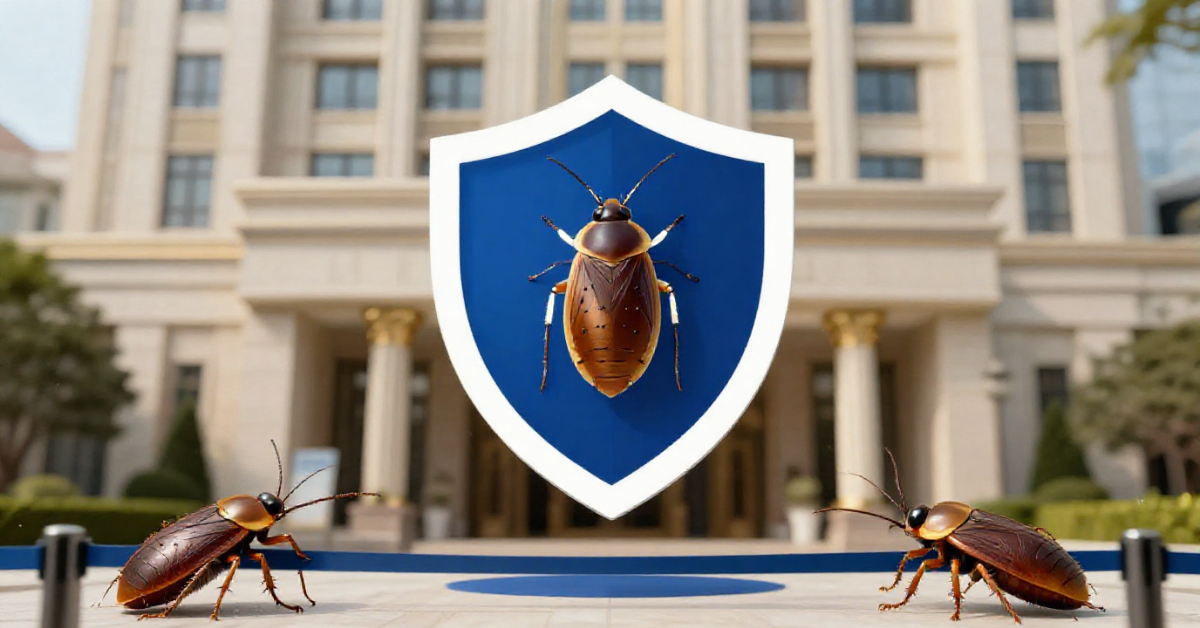
Effectively managing pests is crucial for hotels, resorts, and any businesses operating in the hospitality sector. A pest infestation can pose significant risks to guest safety and satisfaction. The presence of pests, such as rodents, cockroaches, or bed bugs, can lead to illnesses and allergic reactions among guests, which can swiftly tarnish a hotel’s reputation. In an industry where first impressions greatly influence a business's success, any signs of pest activity can deter potential customers from choosing a facility, resulting in lost revenue.
According to the National Pest Management Association, nearly 70% of hotel guests say they would be unlikely to return to a hotel where they encountered a pest issue. Such statistics underline the importance of a robust pest control program. Additionally, any negative reviews stemming from pest sightings can spread quickly through online platforms, potentially damaging a hospitality brand’s standing for years. A proactive approach to pest management not only protects guests but also reinforces the establishment's commitment to cleanliness and standards, which is paramount in nurturing customer loyalty.
From a financial perspective, good pest control can save hospitality businesses significant costs associated with remediation, legal issues, and loss of clientele. The cost of treatments and preventive measures tends to be far less than expenses associated with reputational damage or loss of revenue due to poor guest experiences. Moreover, maintaining pest-free premises aligns with health regulations and standards, which are critical for the smooth operation of hospitality businesses.
Overall, the integration of effective pest control measures is not merely a compliance requirement but a fundamental component of operational success within the hospitality industry. By prioritizing pest management, hotels and resorts can ensure a positive environment for their guests while simultaneously safeguarding their financial investments.
Key Pest Control Requirements for Hotels and Resorts
In the hospitality industry, effective pest control is not only a matter of hygiene and comfort but is also critical to regulatory compliance. Each region, including the USA, UK, Europe, Middle East, Australia, and Asia, has established specific laws and guidelines that hotels and resorts must follow to combat pest-related issues. Understanding these pest control requirements is paramount for ensuring both guest safety and operational compliance.
In the USA, the Environmental Protection Agency (EPA) provides guidelines on pest management with a focus on Integrated Pest Management (IPM) practices, which emphasize prevention, monitoring, and control. State regulations may vary, necessitating that hotels remain informed about local ordinances and community standards. Compliance is not merely about avoiding penalties; it is essential for maintaining the reputation and integrity of the hospitality business.
The UK has robust legislation, such as the Prevention of Damage by Pests Act, which mandates that premises are kept free from pests that could cause harm. Similarly, in Europe, the General Food Law Regulation ensures that food hygiene is prioritized in hospitality settings, thereby enforcing pest control measures as part of food safety protocols. This showcases the interconnectedness of food service and pest management within the hospitality sector.
In the Middle East and Asia, cultural considerations and varying levels of enforcement can influence pest control requirements. Some countries may impose stringent penalties for non-compliance, highlighting the importance of adhering to local regulations. Hotels must therefore conduct periodic training for staff to ensure that pest sighting and response protocols are consistently followed.
Ultimately, not only do industries within hospitality have a legal obligation to maintain pest control standards, but these efforts also promote higher guest satisfaction and contribute positively to the overall guest experience. Proactively addressing pest control is critical to sustaining a safe and welcoming environment for all who visit.
Guest Safety: The Top Priority for Hospitality Businesses
Ensuring the safety of guests should be the foremost concern for any hotel or hospitality business. The presence of pests, such as bed bugs and rodents, not only poses significant health risks but also threatens the reputation and operational stability of the establishment. Pests can transmit various diseases and cause allergic reactions, leading to health complications for guests. For example, bed bugs are notorious for their ability to cause discomfort through bites, which can lead to sleepless nights and anxiety for affected individuals.
Moreover, the legal implications of pest infestations can be severe. Hospitality businesses may face lawsuits and financial penalties if they fail to maintain a pest-free environment. Guests who experience issues related to pests may seek compensation, which can strain the business's finances and tarnish its public image. The legal responsibilities include adhering to local health and safety regulations, which demand that hotels ensure a clean and safe environment for their patrons.
To mitigate these risks, it is crucial to implement comprehensive pest management strategies. Best practices include conducting regular inspections, maintaining cleanliness, and using eco-friendly pest control solutions that prioritize guest safety. Additionally, staff training is essential; employees must be vigilant and capable of recognizing early signs of pest activity. Communication with guests regarding pest management policies can also enhance their sense of security. By prioritizing guest safety through proactive pest management, hospitality businesses can not only protect their patrons but also safeguard their own integrity and success in a competitive industry.
Bed Bug Prevention: Strategies and Best Practices
Bed bugs pose a significant challenge to hotels and hospitality businesses, affecting both guest satisfaction and brand reputation. Effective bed bug prevention strategies are essential in maintaining a pest-free environment. The first step in prevention is regular inspections of guest rooms and common areas. Hotels should establish a routine schedule for thorough inspections, utilizing trained staff to identify early signs of bed bug infestations, such as shed skins, fecal spots, and actual sightings of the insects themselves.
In addition to inspections, employee training plays a critical role in bed bug prevention. Staff members should be educated on the characteristics of bed bugs, including their hiding spots and behaviors. Training should include how to effectively report potential infestations and the protocol for dealing with suspected cases. Engaging employees at all levels ensures that everyone is vigilant, which aids in early detection and can significantly reduce the chances of a widespread outbreak.
Hotels may also consider the implementation of specialized pest control services. Collaborating with experienced pest management professionals can enhance the effectiveness of preventive measures. An Integrated Pest Management (IPM) approach allows for tailored strategies that incorporate monitoring, prevention, and treatment methodologies based on property-specific needs. Such services may include heat treatments, mattress encasements to protect against bed bugs, and the use of insect growth regulators to curtail the life cycle of these pests.
Moreover, educating guests on how to avoid bringing bed bugs into their rooms is another preventive measure. Clear signage in locations such as lobby areas and online through hotel websites can inform guests about checking their luggage and clothing for bed bugs upon arrival. By integrating these practices, hotels and hospitality businesses can establish a proactive stance against bed bug infestations, ultimately ensuring a safer and more pleasant experience for all guests.
Implementing Hygiene Audits and Inspection Schedules
In the hospitality sector, maintaining high standards of hygiene is paramount for ensuring guest satisfaction and preventing pest infestations. Regular hygiene audits and inspection schedules serve as critical components in the pest control framework for hotels and hospitality businesses. The implementation of these processes not only helps identify existing issues but also prevents potential infestations before they escalate.
It is recommended that hygiene audits be conducted at least quarterly. These audits should assess various areas, including rooms, food preparation zones, and common spaces, with a focus on cleanliness and sanitation practices. Each audit can utilize a comprehensive checklist that includes evaluating waste management, proper food storage, and the condition of cleaning equipment. Involving hotel staff in these audits can foster a greater sense of responsibility, while also ensuring that employees are educated about pest behavior and prevention methods.
Regular inspection schedules should complement these audits. Inspections can be performed monthly or bi-weekly depending on the size of the establishment and its geographical location, which may influence pest activity. During inspections, staff should look for signs of pest activity such as droppings, shed skins, or any structural damages that may provide entry points for pests. An effective inspection not only includes visual assessments but also interviews with staff about any concerns or changes in pest activity.
The relationship between hygiene and pest control cannot be overstated; a clean establishment is less attractive to pests. By diligently implementing hygiene audits and inspection schedules, hotels can effectively monitor their facilities, ensuring that they uphold a reputation for cleanliness while minimizing the risks associated with pest infestations. Continued education and awareness among staff about these protocols will enhance their effectiveness and contribute significantly to the overall pest control strategy.
Managing Pest Control Complaints
Handling pest control complaints is an essential aspect of maintaining reputation in the hospitality industry. When guests encounter issues related to pests, it is crucial for hotel management to address these complaints promptly and professionally. The initial response should be empathetic, acknowledging the guest's discomfort while assuring them that their concern is a priority. This can significantly mitigate negative feedback, fostering a sense of understanding and care.
Communication with Guests
Effective communication plays a vital role in the complaint resolution process. Hotel staff should be trained to listen carefully to the guest’s description of the issue and document details accurately. A transparent dialogue can help identify the root cause and allow for immediate corrective actions. Such proactive engagement not only satisfies the guest but also shows a commitment to maintaining pest-free accommodations. Utilizing verbal and written communication forms can reassure guests that their comfort and safety are top priorities.
Managing Public Relations
In today’s interconnected world, public perception can be influenced by online reviews and social media feedback. It is essential for hotels to actively manage their public relations, particularly in light of pest control issues. Monitoring online platforms for mentions of pest complaints allows management to respond swiftly and effectively. When addressing such concerns publicly, it is prudent to maintain a professional tone, acknowledging the issue and detailing steps taken to rectify it. This not only demonstrates accountability but also builds trust with potential guests.
Using Customer Feedback for Improvement
Every complaint presents an opportunity for improvement in pest management practices. Hotels should analyze complaints to identify patterns or recurring issues. This analysis can lead to enhanced pest control strategies, ultimately diminishing future occurrences. Furthermore, regularly soliciting customer feedback—through surveys or personal interactions—can provide valuable insights into guest experiences. By fostering a culture of continuous improvement based on guest feedback, hotels can enhance overall satisfaction and minimize the impact of pest-related issues.
Frequently Asked Questions
1. How often should hotels conduct pest control inspections?
Hotels should conduct pest control inspections at least quarterly, although monthly inspections may be necessary in high-risk areas. Regular inspections help in detecting early signs of pest activity, which allows for prompt action.
2. What are the common pests found in hotels?
Common pests in the hospitality industry include bed bugs, cockroaches, ants, rodents, and termites. Each of these pests can significantly impact the guest experience and, if not managed effectively, can damage the reputation of a hotel.
3. How can a hotel effectively prevent pest infestations?
Preventive measures include maintaining cleanliness, sealing entry points, regular maintenance of landscaping, and training staff to recognize signs of pest activity. Preventive pest control strategies are often more effective and cost-efficient than reactive measures.
Resources for Hotel Owners and Managers
Hotel owners and managers looking to enhance their pest control efforts can consult various organizations and resources. The National Pest Management Association (NPMA) offers valuable pest control guidelines specific to the hospitality sector. Their website provides educational materials, best practice guides, and updates on pest control innovations.
For those seeking professional assistance, it is critical to hire licensed pest control service providers. The NPMA website also has a directory of accredited pest management companies. Recommended services and testimonials can provide insights into the effectiveness and reliability of a pest control service.
Lastly, it is advisable to follow local and state regulations regarding pest control practices. Keeping abreast of updated guidelines ensures that hotel management complies with health and safety standards while safeguarding their property and guests. Utilizing these resources can enhance the effectiveness of pest control in hotels, ensuring a more pleasant experience for guests.
Address:
264/5, Kamal Soroni Road, Mirpur, Dhaka-1216
Contact
Your Quaries on pest control askings
pestexterminatorbd@gmail.com
+8801642008383 +8801988300003, 01723057746
© 2025. All rights reserved. to Urban Pest Control Pvt. Ltd. this site is powered by Our Own IT Team