
Hotel & Restaurant Pest Control Packages: Protect Your Reputation in 2026
2/21/20267 min read
Why Online Reviews Increase After Pest Incidents
The presence of pests in dining establishments can significantly impact a restaurant's online reputation. When customers encounter a pest-related issue, they often feel compelled to express their dissatisfaction through negative reviews. This reaction is largely influenced by the strong emotional responses individuals have towards cleanliness and food safety. Dining out is not merely about the food; it also encompasses the overall experience, which is profoundly affected by the perceived hygiene of the establishment. A single pest sighting can undermine the trust customers place in the restaurant, prompting them to share their grievances widely online.
Research suggests that customers are far more likely to leave negative reviews after experiencing pest-related incidents than they are to leave positive reviews after satisfactory experiences. This tendency highlights the disproportionate impact of negative feedback on a restaurant's ratings. For restaurant and hotel operators, maintaining a pristine reputation is vital; thus, the enhancement of pest control measures should be viewed as a proactive investment in the business’s online presence.
To effectively manage online reviews following pest incidents, it is crucial for restaurant owners to adopt a swift and strategic approach. Responding promptly to negative feedback not only helps demonstrate the establishment's commitment to improving the situation but also reassures potential customers about their safety. Additionally, transparent communication regarding pest control measures can help alleviate concerns and restore faith in the brand. By showcasing a proactive stance on pest management through social media and marketing efforts, restaurants and hotels can mitigate the adverse effects of negative reviews. Ensuring a pest-free environment should be a priority for food establishments, as it ultimately supports customer satisfaction, loyalty, and, crucially, positive online reviews.
Pest Risks in Food Business
Pests pose significant threats to food businesses, including restaurants and hotels. Common types of pests that can infest these establishments include rodents, cockroaches, flies, and stored product pests. Each of these pests can bring specific risks that threaten not only food safety but also public health and overall business integrity.
Rodents, for instance, are notorious for contaminating food supplies with their droppings, urine, and fur. Furthermore, they can cause structural damage, leading to costly repairs and loss of inventory. Cockroaches are another common invader; their ability to thrive in unhygienic conditions makes them vectors for various pathogens, resulting in foodborne illnesses. Flies, particularly house flies, can transfer diseases by landing on food and surfaces, while stored product pests often compromise the quality of grains and dry goods.
The ramifications of a pest infestation in a food business can be profound. A single incident of contamination can lead to devastating outcomes such as foodborne illness outbreaks, which pose serious public health risks. Legal implications can arise as well, with potential fines, lawsuits, and damage to the establishment's reputation. Not only does this harm the livelihood of the business owners, but it also affects employees and the community reliant on these establishments for services.
Understanding the various pests that threaten food businesses is critical for implementing effective pest management strategies. By conducting regular inspections and developing a proactive pest control plan, establishments can mitigate these risks and ensure food safety. Prevention and prompt action are key to maintaining compliance with health regulations, ultimately safeguarding the health of patrons and preserving the business's reputation.
Kitchen-Safe Chemical Treatments
In the hospitality industry, particularly in restaurants and hotels, maintaining high standards of food safety is paramount. Consequently, selecting appropriate kitchen-safe pest control chemical treatments is vital to ensure that the health of patrons and compliance with food safety regulations are not compromised. Many pest control solutions are specifically formulated to be safe for use in food preparation and service areas, taking into account the potential for chemical residues to affect food items.
When choosing pest control chemicals, it is critical to opt for products that are not only effective against common pests but also have lower toxicity levels. The Environmental Protection Agency (EPA) has established guidelines that can help operators identify pest control substances that are appropriate for use in food-related environments. Utilizing pest control agents labeled as food-contact safe ensures that they don't pose a threat to patrons' health while effectively managing pest populations.
In addition to traditional pest control chemicals, eco-friendly solutions have gained popularity in modern food service operations. These products often utilize natural ingredients or non-toxic compounds that minimize environmental impact, aligning with the growing demand for sustainability within the industry. For instance, some eco-friendly pesticides engage biological control methods that harness natural predators to manage pest populations without introducing harmful chemicals to the kitchen environment.
Implementing an integrated pest management (IPM) approach often enhances the effectiveness of kitchen-safe pest control. This method combines preventive measures, such as proper sanitation and regular inspections, with judicious use of pest control chemicals, thereby reducing the reliance on heavy chemical treatments. By prioritizing food safety and compliance in pest management strategies, restaurants and hotels can create welcoming environments for guests while effectively controlling pests.
Monthly Monitoring Plans
Establishing a robust monthly monitoring plan is crucial in the pest control strategy for restaurants and hotels. These plans are instrumental in maintaining food safety and compliance with health regulations, ensuring that any potential pest activity is identified swiftly to prevent larger infestations. In food service environments, even a minor pest issue can have significant repercussions, not only affecting the safety and quality of food but also risking the establishment's reputation.
Regular monitoring is key to early detection of any pest activity. A typical monthly monitoring plan generally includes scheduled inspections, which help in identifying signs of pests such as droppings, nests, or damaged food items. Aside from inspections, it is also essential to record findings meticulously. This documentation provides valuable insights into pest trends over time, allowing for informed decision-making regarding pest control methods. Furthermore, by documenting pest sightings and activity levels, establishments can assess the effectiveness of ongoing pest control measures.
In addition to inspections and record-keeping, monthly monitoring plans often incorporate action strategies tailored to the specific needs of the establishment. These strategies may involve preventive measures, such as sealing entry points, implementing stringent sanitation practices, or scheduling targeted treatments. The goal of these plans is not only to manage existing pest issues but also to create an environment that is inhospitable to pests, thereby fostering long-term sustainability in pest control practices.
In conclusion, a well-structured monthly monitoring plan is a vital component for restaurants and hotels aiming to maintain a pest-free environment. By establishing regular inspection schedules, diligently recording findings, and employing effective action strategies, food service businesses can significantly mitigate the risk of pest infestations, thus ensuring food safety and compliance with health standards.
Compliance Documentation
Maintaining compliance documentation is essential for restaurants and hotels to effectively manage pest control and ensure food safety. Each food establishment is required to adhere to health and safety regulations, which necessitate a robust documentation process. This documentation serves not only as a record of pest control practices but also as evidence of compliance during inspections and audits by regulatory bodies.
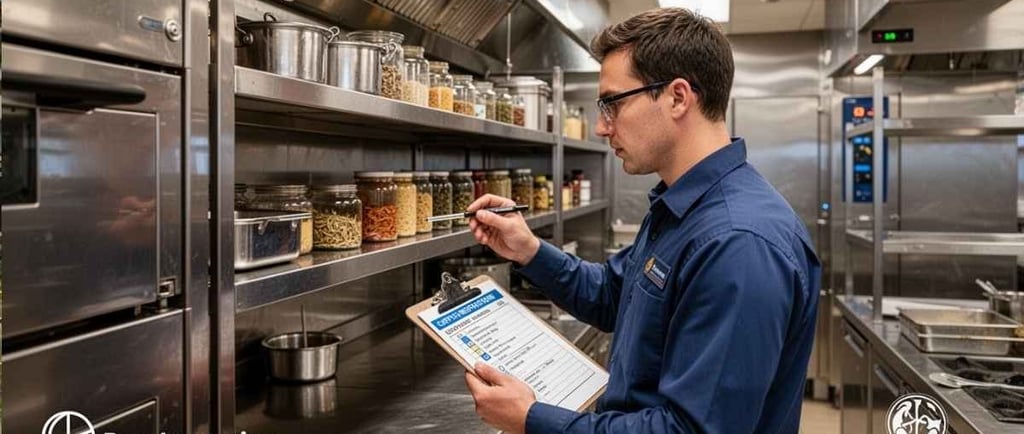
Key documents that should be maintained include service reports, which detail the specific pest control services performed, the frequency of treatments, and the materials used. Keeping detailed service reports allows restaurants and hotels to track pest management activities effectively. Additionally, inspection checklists are crucial for evaluating the effectiveness of pest control measures. These checklists should be regularly updated to reflect the current status of pest control efforts and any areas that may require additional attention.
Another important aspect of compliance documentation is the treatment logs. These logs should include information about the type of pest treated, the treatment methods applied, and the outcomes observed. Properly maintained treatment logs not only provide insights into the effectiveness of pest control strategies but also demonstrate due diligence in managing pest risks.
Furthermore, having thorough and organized documentation can significantly enhance a business's credibility. During audits, establishments that can present comprehensive pest management records are likely to foster trust with inspectors and consumers alike. A clean compliance record can also mitigate liabilities and reinforce the establishment’s commitment to food safety and hygiene.
Ultimately, the diligent maintenance of compliance documentation is a critical component of effective pest management in the food industry, ensuring that health regulations are met and establishing a culture of responsibility and safety.
Cost of Ignoring Pest Issues
Neglecting pest control in the restaurant and hotel industry can lead to dire financial consequences. The presence of pests not only poses a significant threat to food safety but also has far-reaching implications for a business's bottom line. One case study from a mid-sized restaurant revealed that a cockroach infestation led to temporary closure after a health inspection, costing the owner an estimated $30,000 in lost revenue over a month due to shutdown and loss of customer trust. In addition to the immediate loss, such incidents can also result in long-term damage to a brand's reputation.
Furthermore, infestations can lead to costly legal penalties. The health department enforces strict regulations to ensure food safety. Violations stemming from pest issues often entail fines that can easily surpass $10,000, depending on the severity of the infestation. Hotels face similar challenges; a reported bed bug infestation brought about a lawsuit resulting in compensation demands exceeding $100,000 due to both loss of reputation and medical costs incurred by guests.
By overlooking pest control, businesses risk not only legal ramifications but also a decline in customer loyalty. In today’s digital age, negative online reviews can spread quickly, deterring potential customers long after the issue has been resolved. For instance, the owner of a boutique hotel shared their experience of losing about 25% of bookings following an unfavorable review about a pest problem. This scenario underscores that investing in preventative pest control measures is essential not merely to comply with regulations but as a strategic business decision.
Overall, the costs associated with ignoring pest issues extend beyond mere extermination. They encompass revenue loss, damage to reputation, and potential legal action, highlighting the need for a proactive approach to pest management. Protecting a restaurant or hotel from pests is indeed a crucial investment in both food safety and the longevity of the business.
City-Based Service Optimization
In urban environments, pest control poses unique challenges that differ significantly from those encountered in rural areas. Factors such as population density, climate variations, and the availability of food sources contribute to the prevalence of specific pest species in cities. Therefore, restaurants and hotels must prioritize city-based pest control strategies tailored to their unique circumstances.
One key aspect of effective pest management in urban settings is selecting a pest control provider that possesses in-depth knowledge of local pest behavior and regulatory requirements. A pest control expert familiar with the city's history and trends can implement targeted strategies to mitigate infestation risks. For instance, urban areas may suffer from higher occurrences of rodents, cockroaches, or flies, necessitating specialized treatments differing from those required in less populated regions.
Moreover, integrating service schedules with local environmental factors is essential for enhancing pest control effectiveness. Factors such as seasonal weather patterns can influence pest activity. A proactive approach involves adjusting treatment schedules based on these dynamics to optimize pest management efforts. For example, implementing additional monitoring and treatment during warmer months when pests are notably active will improve the restaurant's or hotel’s chances of maintaining a pest-free environment.
Additionally, urban waste management practices influence pest presence, requiring establishments to collaborate with local sanitation departments and pest control professionals to find comprehensive solutions. Regular inspections and utilizing advanced pest control technologies tailored to city-specific challenges further enhance the effectiveness of these management strategies.
Overall, understanding and employing city-based pest control strategies is vital for maintaining food safety and ensuring compliance in restaurants and hotels. A nuanced approach demonstrates the significant interplay between urban-specific pest behaviors and effective management practices.
Address:
264/5, Kamal Soroni Road, Mirpur, Dhaka-1216
Contact
Your Quaries on pest control askings
pestexterminatorbd@gmail.com
+8801642008383 +8801988300003, 01723057746
© 2025. All rights reserved. to Urban Pest Control Pvt. Ltd. this site is powered by Our Own IT Team