
How Airborne Pests Inside Homes Slowly Damage Human Lungs
2/5/20267 min read
Introduction to Airborne Pests and Their Impact
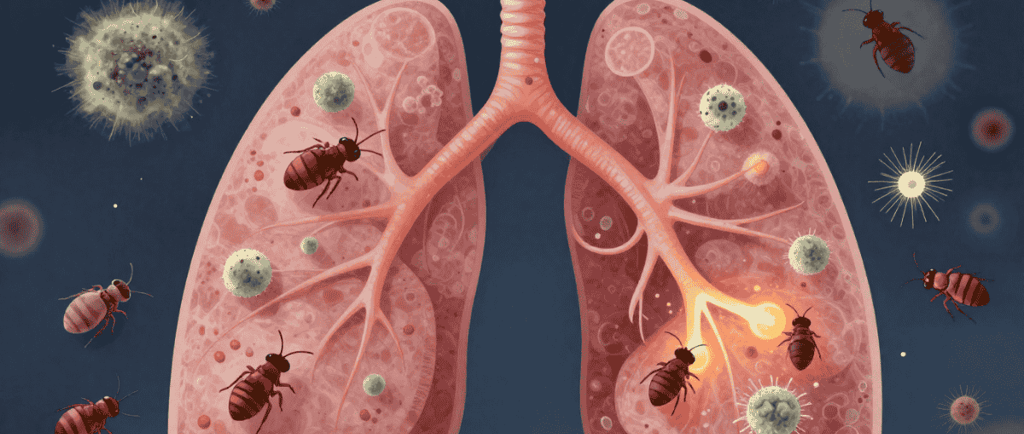
Airborne pests within indoor environments are a growing concern that can significantly affect human health, particularly lung health. These pests comprise a variety of microscopic organisms, including dust mites, molds, and other allergens that thrive in damp and poorly ventilated areas. Often unnoticed, their presence in our homes can lead to substantial health risks, as they have the potential to infiltrate the respiratory system through the air we breathe.
Dust mites, for instance, are tiny creatures that feed on organic debris such as skin cells. They flourish in household items like bedding, upholstered furniture, and carpets, where they generate waste products that can trigger allergic reactions and asthma symptoms in sensitive individuals. Mold, on the other hand, grows in areas with excessive moisture, often arising from water leaks or high humidity levels. When mold spores become airborne, they can exacerbate respiratory issues and lead to serious lung complications.
Furthermore, several other allergens, including pollen and pet dander, can also be found indoors and contribute to the airborne pest problem. Inadequate ventilation can allow these allergens to accumulate, intensifying their impact on health. Prolonged exposure to airborne pests has been linked to chronic conditions such as asthma, bronchitis, and other respiratory diseases, underlining the importance of addressing this issue within home environments.
Given the implications that airborne pests pose to our well-being, it is crucial to examine their effects on overall health, particularly lung health. Understanding the types of pests commonly found indoors and how they affect human health can aid in the development of effective prevention and mitigation strategies to ensure healthier living spaces.
Common Airborne Pests Found in Homes
Within the confines of modern households, various airborne pests can pose significant challenges to human lung health. Among the most prevalent are dust mites, mold spores, pet dander, and pollen. Understanding these pests, how they infiltrate our living spaces, and their preferred habitats can help in managing their populations effectively.
Dust mites are microscopic organisms that thrive in high-humidity environments. They are often found in bedding, carpets, and upholstered furniture, where they feed on human skin flakes. Because they can exist in virtually any home, dust mites are an almost inevitable presence, particularly in areas with inadequate ventilation. Their waste products can easily become airborne, triggering allergy symptoms and respiratory issues.
Mold spores, another common airborne pest, can develop in areas with excess moisture, such as bathrooms and basements. They spread through the air and can quickly infest various surfaces in the home. When mold spores are inhaled, they can lead to significant lung health concerns, particularly for individuals with respiratory sensitivities.
Similarly, pet dander, composed of tiny skin flakes from common household pets, is often found in homes with animals. This organic material can become airborne and contribute to allergic reactions or exacerbate asthma. Effective cleaning strategies, including regular vacuuming and air purification, can help mitigate the impact of pet dander in the home.
Lastly, pollen enters homes predominantly through open windows and doors during certain seasons. This airborne pest is produced by trees, grasses, and flowers, and can remain suspended in the air for extended periods. Regular cleaning of indoor environments can minimize the indoor accumulation of pollen, thereby protecting lung health.
Mechanisms of Lung Damage Caused by Airborne Pests
The presence of airborne pests within residential environments can lead to several detrimental effects on human lung health through a variety of biological and chemical mechanisms. One of the primary ways these pests can cause harm is through the elicitation of inflammation. For instance, particles such as feces, shed skin, or body fragments from pests like cockroaches and dust mites can become airborne, entering the respiratory system and triggering an inflammatory response. This response often manifests in increased mucus production and airway constriction, ultimately leading to respiratory discomfort and compromised lung function.
Additionally, airborne pests can provoke allergic reactions in susceptible individuals. This occurs when proteins from pest waste or body parts are inhaled, eliciting an immune response characterized by the release of histamines and other chemicals. Such allergic reactions can culminate in conditions such as asthma, which can severely impact lung health over time. Chronic exposure to allergens can lead to persistent inflammation, exacerbating existing respiratory conditions and increasing sensitivity to environmental irritants.
Furthermore, airborne pests can be vectors for bacterial and viral pathogens, increasing the risk of respiratory infections. When pests infest a home, the microorganisms they carry or those that thrive in their presence can enter the airways, leading to infections that may require medical intervention. Over time, these repeated infections can weaken lung tissue and interfere with normal respiratory function. The cumulative effect of these pathogens can result in chronic lung diseases, emphasizing the importance of maintaining a pest-free environment.
Lastly, long-term exposure to the irritants associated with airborne pests can contribute to the development of serious respiratory conditions, including chronic obstructive pulmonary disease (COPD) and other chronic lung disorders. Strategies focusing on pest control and air quality improvement can play a crucial role in mitigating these risks and safeguarding lung health.
Symptoms of Lung Damage from Airborne Pests
Exposure to airborne pests can lead to a range of respiratory symptoms, which may manifest differently in adults and children. One of the most common reactions is asthma attacks, characterized by sudden shortness of breath, chest tightness, and persistent coughing. Individuals with pre-existing asthma conditions might find that their symptoms worsen when they are in environments infested by airborne pests, such as dust mites, mold spores, or pet dander.
Chronic coughing is another significant symptom associated with lung damage due to exposure to these irritants. This persistent cough can be dry or accompanied by mucus and may indicate underlying inflammation in the airways caused by the presence of airborne pests. Wheezing, often described as a whistling sound during breathing, is also frequently reported. This symptom occurs when the airways become constricted, leading to difficulties in airflow and highlighting potential damage to lung tissues.
Increased susceptibility to respiratory infections is a particularly concerning symptom for both adults and children. Individuals exposed to airborne pests may notice that they get sick more often, as their lung health can be compromised, leading to a decreased ability to fight off infections. Other symptoms to watch for include increased nasal congestion, itchy or watery eyes, and general fatigue, all of which can accompany respiratory distress. It is crucial for caregivers and individuals to recognize these symptoms early, as timely intervention and medical advice can help mitigate long-term lung damage. Awareness of these signs can also empower families to maintain a pest-free environment, significantly boosting respiratory health.
Preventive Measures to Combat Airborne Pests
To create a healthy living environment and reduce the presence of airborne pests, homeowners should adopt a systematic approach that includes rigorous cleaning routines, improved ventilation, the use of air purifiers, and effective humidity control. These measures can significantly diminish the risk of pest-induced lung health issues.
Starting with cleaning routines, regular dusting and vacuuming are essential. Utilizing a vacuum cleaner equipped with a HEPA filter helps capture fine particles, including dust mites and pet dander, which can attract pests. Homeowners should pay special attention to corners, under furniture, and areas prone to moisture accumulation.
Promoting good ventilation is also critical. Keeping windows open whenever feasible allows for the circulation of fresh air, which helps to reduce indoor pollutant levels and discourages pest infestations. Additionally, exhaust fans in bathrooms and kitchens eliminate excess moisture and odors, further minimizing conditions favorable for pests.
The implementation of air purifiers is another significant measure. High-efficiency particulate air (HEPA) purifiers can effectively trap airborne particles, including pollen, mold spores, and other allergens, contributing to a cleaner indoor air environment. Optimal placement of these devices, particularly in bedrooms and living spaces, can enhance their effectiveness.
Lastly, homeowners should remain vigilant about controlling indoor humidity levels. Maintaining humidity between 30% and 50% using dehumidifiers can significantly deter pests, as many thrive in damp conditions. Regularly checking for leaks in plumbing and structures, and ensuring adequate drainage around the home, can also aid in sustaining a drier interior.
By incorporating these preventive measures into their daily routines, homeowners can effectively combat airborne pests, thereby safeguarding their lung health and overall well-being.
Treatments and Solutions for Lung Health
Addressing lung health issues caused by airborne pests requires a comprehensive approach that encompasses medical treatments, lifestyle modifications, and potential alternative remedies. A multi-faceted strategy is essential for effective alleviation of symptoms and restoration of lung function.
Firstly, individuals affected by airborne pests should consult with healthcare professionals to determine the best medical treatments based on their specific condition. Common treatments may include prescribed medications such as bronchodilators and corticosteroids, which assist in opening airways and reducing inflammation. Antihistamines may also be beneficial for alleviating allergy-related symptoms triggered by pest exposure.
In addition to medical intervention, adopting certain lifestyle changes can significantly improve lung health. Maintaining indoor air quality is crucial; utilizing air purifiers with HEPA filters can help remove allergens and irritants from the air. It is also advisable to keep living spaces clean by regularly dusting and vacuuming to minimize the presence of pest-related allergens. Furthermore, avoiding smoking and secondhand smoke is essential, as tobacco compounds can exacerbate respiratory issues.
Participants in activities that expose them to indoor allergens should also consider alternative approaches such as breathing exercises, which can enhance lung capacity and efficiency. Techniques such as diaphragmatic breathing and pursed-lip breathing may provide relief and promote better oxygen flow. Engaging in regular physical activity can strengthen the respiratory system and improve overall lung function.
Overall, incorporating a combination of these treatments and solutions can create a conducive environment for lung health. However, it is imperative to regularly consult healthcare officials to tailor treatments to individual needs and ensure effective monitoring of lung conditions. This collaborative approach not only empowers individuals but also fosters a proactive attitude toward maintaining healthy respiratory function.
Conclusion: Importance of Awareness and Action
In conclusion, the presence of airborne pests within the home environment poses significant risks to human lung health that should not be overlooked. Throughout this article, we have highlighted how these pests, including dust mites, mold spores, and pet dander, can exacerbate respiratory conditions, trigger allergies, and hinder overall well-being. It is essential for individuals to recognize the potential health hazards associated with these airborne nuisances.
The impact of airborne pests on lung health necessitates a proactive approach. Awareness is the first step; individuals should educate themselves about the common signs of indoor pest infestations and remain vigilant in maintaining a clean living environment. Regular cleaning, minimizing clutter, and using air purifiers are practical measures that can significantly reduce pest populations and improve indoor air quality.
Additionally, consulting with healthcare professionals when experiencing unexplained respiratory issues or allergies is vital. Medical advice can help identify whether airborne pests are contributing to these health concerns and provide tailored strategies for management and prevention. It is critical not only to act upon initial awareness but to continually monitor and address any changes in lung health.
Ultimately, the health implications of airborne pests emphasize the need for vigilance and proactive efforts in our homes. By raising awareness and taking necessary actions, individuals can better protect their lung health from the unseen dangers posed by the pests that inhabit our living spaces. In short, informed prevention and timely intervention play crucial roles in ensuring a safe and healthy home environment conducive to respiratory well-being.
Address:
264/5, Kamal Soroni Road, Mirpur, Dhaka-1216
Contact
Your Quaries on pest control askings
pestexterminatorbd@gmail.com
+8801642008383 +8801988300003, 01723057746
© 2025. All rights reserved. to Urban Pest Control Pvt. Ltd. this site is powered by Our Own IT Team