
How International Trade and Travel Spread Invasive Pests Worldwide
2/6/20268 min read
Understanding Invasive Pest Species
Invasive pest species are organisms that are non-native to a specific ecosystem and, when introduced, tend to spread rapidly, causing harm to the environment, economy, or human health. These species are typically characterized by their ability to reproduce quickly, adapt to a variety of environments, and compete aggressively for resources, which allows them to displace native species and disrupt local ecosystems.
The economic implications of invasive pests can be severe. For instance, they often affect agriculture by infesting crops and outcompeting native species crucial for local farming practices. The costs associated with managing these pests, which may include chemical treatments, physical removal, and ecological restoration, can place a significant financial burden on farmers and local governments. Furthermore, certain invasive species are known vectors of diseases that can adversely affect human health, leading to increased healthcare costs and loss of productivity.
Real-world examples of invasive species starkly highlight their detrimental effects. The zebra mussel, native to Eastern Europe, has caused extensive ecological and economic issues in North America since its introduction in the Great Lakes. Its presence has led to habitat alterations, challenges in water infrastructure, and costing billions in management efforts. Similarly, the Asian tiger mosquito has disrupted local ecosystems in various regions globally, while also being an efficient vector for diseases such as West Nile virus and Zika virus. These instances exemplify how invasive pest species can profoundly influence biodiversity and pose challenges to public health and economic stability.
The Role of Global Trade in Pest Spread
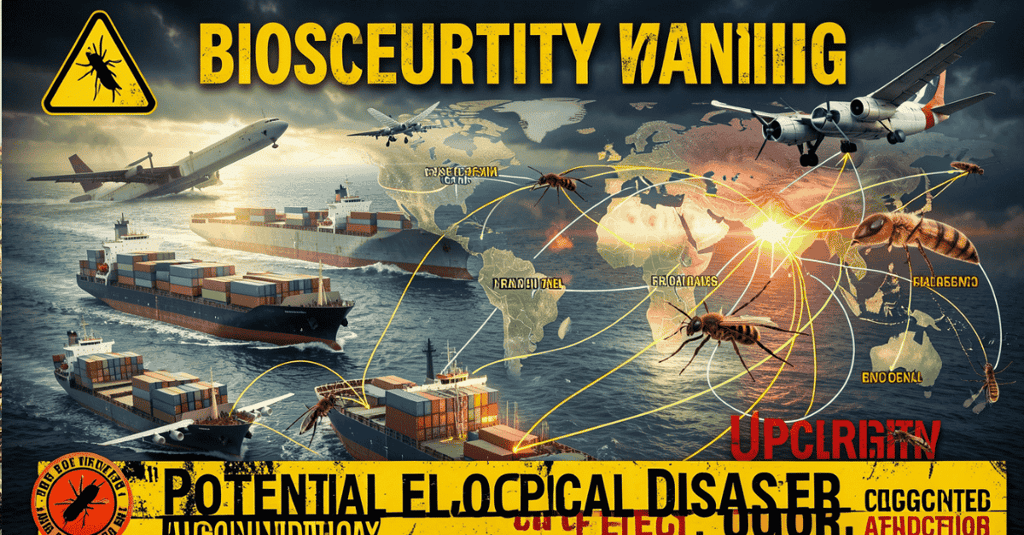
The expansion of global trade in recent decades has markedly influenced the movement of not only goods but also invasive species. As economies intertwine and trade partnerships solidify, the volume of international shipments has surged. In 2022 alone, global merchandise trade reached approximately $30 trillion, reflecting an unprecedented movement of products across borders. This exponential growth has inadvertently created numerous pathways for the introduction and establishment of invasive pest species.
Among the plethora of goods traded, certain categories are disproportionately linked to pest introductions. Commodities such as agricultural products, timber, and even ornamental plants play a significant role in this dynamics. For instance, pests like the Asian longhorned beetle and the emerald ash borer have been found to hitch rides on wood products imported from infested areas. Similarly, the trade of fresh fruits and vegetables has led to the inadvertent introduction of pests such as the brown marmorated stink bug, which can severely impact local ecosystems and agriculture.
Anecdotal evidence corroborates these patterns. In 2019, the United States faced a surge in the number of pest infestations originating from goods shipped from overseas, leading to significant agricultural losses and concerns about biodiversity. Cases have emerged where specific shipping containers are identified as the conduit through which invasive pests crossed into new regions. These incidents highlight the complexities involved in managing trade and biosecurity measures, as well as the urgent need for stricter regulations to prevent future invasions.
In summary, the significant rise in global trade has not only facilitated economic growth but has also inadvertently fostered the spread of invasive species. As international commerce expands, it becomes increasingly crucial to understand the interconnectedness of trade practices and pest introductions to protect ecosystems worldwide.
Human Mobility and Invasive Species
The movement of people across borders is a significant factor in the dispersal of invasive pest species. Each year, millions of individuals travel internationally for tourism, work, or personal commitments, inadvertently creating opportunities for pests to hitch a ride to new environments. This phenomenon raises critical concerns for biodiversity and local ecosystems as invasive species can disrupt existing communities and outcompete native organisms.
Travelers may unknowingly transport a variety of invasive pests, including insects, plants, and diseases. For example, gypsy moths, originally from Europe, were introduced to the United States through infested goods and personal items brought by immigrants. Similarly, the spread of the Asian tiger mosquito has been linked to international travel as these pests attach themselves to clothing, luggage, or even vehicles. Such unintended introductions can lead to significant ecological changes and economic costs.
International tourism plays a particularly notable role in the propagation of invasive species. Tourists often carry items such as fruits, plants, or souvenirs containing seeds or pests that are not native to the visiting country. Poor regulations or lack of awareness surrounding the importation of these goods can exacerbate the issue. Furthermore, travelers may engage in well-intended activities, such as planting native trees during their visits, which can inadvertently introduce non-native pests. Thus, their actions contribute to an environment where invasive species thrive.
To mitigate these risks, it is essential to raise awareness among travelers regarding the potential consequences of transporting organic materials across borders. By understanding the impacts of their mobility on invasive species, individuals can take proactive measures to prevent the inadvertent spread of pests that threaten local ecosystems. Efforts should include education on proper disposal and handling of items that may harbor pests, facilitating more responsible international travel practices.
The Importance of Quarantine Measures
Quarantine measures are an essential strategy employed globally to prevent the introduction and establishment of invasive species within ecosystems. These regulations are particularly crucial at border controls, where the movement of goods and people can inadvertently facilitate the spread of pests and diseases. Countries implement a range of quarantine protocols designed to minimize this risk, and these can vary widely based on the region and the specific threats they face.
One of the most common quarantine practices involves the inspection of cargoes entering a country. This can include thorough checks for pests in containers, vehicles, and next shipments. Additionally, countries may impose restrictions on the importation of certain goods known to harbor invasive species, such as specific agricultural products or live animals. These protocols aim to detect and intercept potential pest incursions before they can cause significant harm.
However, the effectiveness of quarantine systems can face several challenges. Limited resources and trained personnel can hinder inspection processes, and high volumes of trade may lead to lapses in stringent controls. Moreover, the increasing sophistication of global trade networks means that pests can often evade traditional detection methods. Despite these challenges, there have been notable success stories where quarantine measures have effectively mitigated pest risks. For example, Australia has had significant success in preventing the establishment of certain pests through robust biosecurity protocols, which highlight the importance of compliance and international cooperation.
In conclusion, as the global movement of goods and people continues to expand, the role of quarantine measures remains vital in the fight against invasive species. By enhancing inspection protocols and ensuring strict adherence to regulations, nations can help safeguard their ecosystems from the adverse effects of unwanted pests, ensuring a balanced coexistence within their natural environments.
Biosecurity and Its Role in Invasive Species Management
Biosecurity refers to the measures and protocols designed to protect human health, agriculture, and biodiversity from invasive species and pathogens. It encompasses various strategies aimed at preventing the introduction and spread of harmful organisms that could distress ecosystems and lead to significant economic losses. With globalization, the frequency of trade and travel has increased, consequently elevating the risk of invasive pest species entering new territories.
National and international frameworks have been established to address these risks. The World Trade Organization (WTO) and the International Plant Protection Convention (IPPC) are examples of organizations that facilitate the development of standards and practices to monitor and limit the spread of invasive species. These frameworks focus on a range of biomonitoring activities including inspections at borders, regulations that govern the import and export of goods, and quarantine protocols to manage suspected infestations.
In many countries, biosecurity legislation is integrated into national agricultural policies, setting a foundation for protecting local ecosystems. Regulations typically require thorough inspections of goods, with specific attention paid to agricultural imports that are at high risk for harboring pests. Training programs and public awareness campaigns are vital components of biosecurity efforts, educating stakeholders—such as trade companies, farmers, and travelers—about their roles in keeping invasive species at bay. Understanding the importance of these measures contributes substantially to mitigating risks and safeguarding both local and global ecosystems.
Ultimately, a disciplined approach to biosecurity not only aids in the management of invasive species but also supports sustainable trade practices that benefit economies worldwide. Robust biosecurity measures are imperative in this interconnected era, where the movement of goods and people poses continuous challenges and opportunities for pest introduction.
Case Studies of Invasive Pest Management
In examining the intricate dynamics of invasive pest management, several international case studies stand out as exemplars of effective strategies employed to combat the spread of non-native species. One notable instance is Australia’s proactive approach to managing the notorious red imported fire ant (Solenopsis invicta). Upon its detection in Queensland, local authorities swiftly implemented a rigorous quarantine system coupled with intense public awareness campaigns. This multi-faceted strategy focused on restricting the movement of potentially contaminated goods and educating the community on identifying and reporting sightings of these invasive ants. As a result, between 2001 and 2004, the spread of the fire ant was arrested, demonstrating the potency of rapid response measures in invasive species management.
Another compelling example is the management of the Asian longhorned beetle (Anoplophora glabripennis) in the United States. After its discovery in various states, including Massachusetts and New Jersey, eradication efforts intensified, leading to the establishment of quarantines around infested areas. These measures included the removal of affected trees and rigorous inspections of wood products and shipping materials, thereby significantly curtailing the beetle’s spread. The cooperative involvement of federal, state, and local agencies, alongside community participation, facilitated a broader understanding of biosecurity protocols. This joint effort also illuminated the challenges faced, particularly in balancing ecological conservation with economic impacts on local forestry industries.
Furthermore, New Zealand’s management of the brown marmorated stink bug (Halyomorpha halys) serves as a case study in the complexities of global trade and pest management. In light of increasing imports, New Zealand instituted stringent pre-import inspection and post-border monitoring strategies. Challenges arose from limited public awareness and the sheer volume of importing goods; nevertheless, implementing strict biosecurity measures successfully minimized the likelihood of new infestations. The lessons gleaned from these varied programs emphasize the critical interplay between vigilance, community engagement, and rapid response in the ongoing endeavor to manage invasive pest species effectively.
Future Directions: Strengthening Global Cooperation
As the global movement of goods and people continues to expand, so does the risk of invasive pest species disrupting local ecosystems. Addressing the challenges posed by these organisms requires a restructured approach to international collaboration and coordination. Enhancing cooperation among nations can be achieved through several strategies aimed at mitigating the spread of invasive species while ensuring the protection of biodiverse ecosystems.
First, there is a pressing need for harmonized international policies on biosecurity and pest management. Standardizing regulations across countries can facilitate more effective inspection, monitoring, and response efforts to emerging threats. This might involve the development of comprehensive guidelines that can be adopted and adapted by various nations based on their specific environmental needs and trade contexts, thereby creating a unified front against invasive species.
Moreover, sharing data and resources on pest management is crucial for strengthening global response systems. Establishing international databases that contain information regarding the distribution, behavior, and impact of invasive species will enable researchers and policymakers to make informed decisions. Such collaborative databases could be enhanced by involving the private sector and local communities, who often have valuable knowledge and insights about these species in their regions.
Finally, encouraging joint initiatives and research programs that focus on ecosystem health can foster innovative approaches to pest control and biodiversity preservation. By pooling resources and expertise, nations can work together on pilot projects that test new methods of prevention and eradication of invasive species, allowing for shared learning experiences and mutual benefits.
In summary, strengthening global cooperation is critical in the fight against invasive pest species. By fostering collaborative efforts, sharing data, and standardizing policies, nations can effectively safeguard ecosystems while facilitating safe trade practices and international mobility.
Address:
264/5, Kamal Soroni Road, Mirpur, Dhaka-1216
Contact
Your Quaries on pest control askings
pestexterminatorbd@gmail.com
+8801642008383 +8801988300003, 01723057746
© 2025. All rights reserved. to Urban Pest Control Pvt. Ltd. this site is powered by Our Own IT Team