
How long does pest treatment take?
2/13/20267 min read
Introduction to Pest Treatment
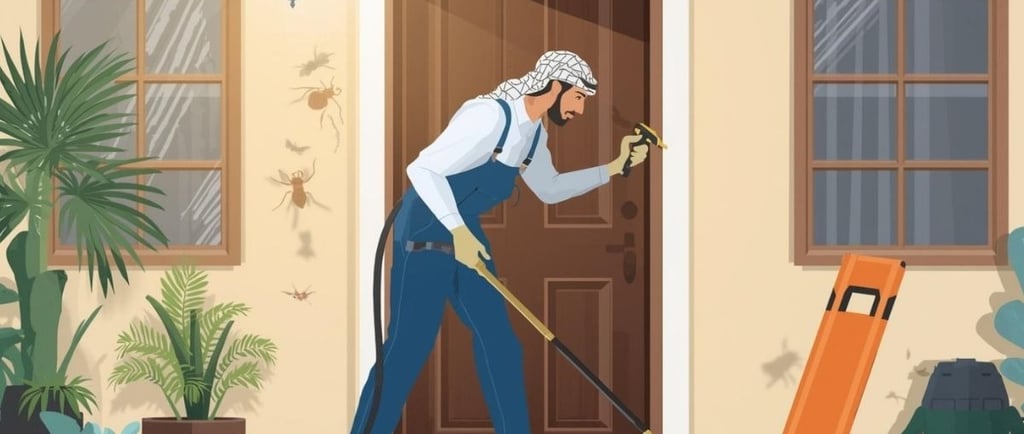
Pest treatment is a critical aspect of maintaining a healthy and safe environment in both residential and commercial spaces. The presence of pests, which can include insects such as ants, termites, and roaches, as well as rodents like rats and mice, poses numerous threats. These can range from property damage to health risks associated with disease transmission. Therefore, timely and effective pest control is essential.
Understanding the duration of pest treatment is vital for homeowners and business operators alike. Different types of pests require varying treatment approaches, which can significantly impact how long the pest control process takes. For instance, a one-time spray treatment for ants may have a shorter duration compared to a comprehensive termite baiting system that necessitates ongoing monitoring. Additionally, seasonal variations may influence the pest population, making it crucial to engage in proactive pest control measures.
Another important consideration is the impact of pest treatments on daily life and operations. Homeowners may need to temporarily vacate their living spaces, while businesses may have to halt operations during treatment. Knowledge of the expected duration of pest treatment can help individuals and businesses plan accordingly, minimizing disruptions. Clear communication with pest control professionals will also provide insights into the specific methods employed and how these may affect the overall timeline.
Ultimately, awareness regarding pest treatment procedures not only enhances decision-making but also promotes a cooperative relationship between treatment providers and clients. Understanding the various factors influencing pest control duration will ultimately lead to better preparedness and satisfaction with pest management efforts.
Factors Influencing Treatment Duration
The duration of pest treatment is influenced by a variety of factors, which can vary significantly depending on the specific circumstances of each case. Understanding these factors is crucial for establishing realistic expectations regarding the timeline for pest control interventions.
Firstly, the type of pest plays a significant role in determining how long treatment will take. For instance, common household pests such as ants and cockroaches may usually require less time to control compared to more complex infestations involving termites or bed bugs. The biological characteristics of the pest, including its reproductive habits and lifecycle stages, directly affect the treatment duration. Treatments for pests with faster reproduction rates may need to be repeated more frequently, thereby prolonging the overall process.
Secondly, the severity of the infestation is another critical factor. A minor pest presence may be treated quickly, often in a single visit from a pest control professional. Conversely, a severe infestation would require multiple treatments and monitoring sessions, leading to a lengthier duration before successful eradication. It is important for homeowners to assess the extent of the infestation accurately, as this will help pest control experts devise an effective plan.
Additionally, the size of the area being treated also impacts the timeline. Larger homes or businesses with extensive infestations typically necessitate more time and resources, which can extend the duration of the treatment procedures. Finally, the specific treatment method chosen can either simplify or complicate the process. Traditional methods versus integrated pest management (IPM) approaches involve varied timelines based on their complexity and the number of follow-up treatments required.
Types of Pest Treatments and Their Timelines
Pest treatments can be broadly categorized into three main types: chemical, biological, and physical methods. Each type has its own effectiveness timeline, which varies based on the pest in question and the specific protocol implemented.
Chemical treatments involve the use of pesticides or insecticides to eliminate pests. These products can work very quickly, often providing immediate results for certain pests like ants and cockroaches. Typically, chemical treatments may show effectiveness within hours to days after application, although certain stubborn infestations, such as termites, may require follow-up treatments over several weeks. Safety precautions should be observed during and after treatment to minimize human and pet exposure.
Biological methods utilize natural organisms or materials to control pests. This approach often involves the introduction of predators or parasites of the targeted pest species. For example, nematodes can be effective against soil-dwelling insects. The results of biological treatments might take longer to become apparent—ranging from a few days to several weeks—since the natural processes of the introduced organisms unfold over time. As a result, patience is necessary for effective pest management using this method.
Physical pest control methods include barriers, traps, and manual removal. These strategies are generally immediate in their impact, especially if the physical barriers are well-constructed. Traps for rodents or glue boards for insects can capture pests within hours. However, the effectiveness can vary, depending on the type of pest and the conditions of the environment. Regular monitoring and maintenance are key to ensuring these methods remain effective in the long term.
Understanding the different types of pest treatments and their respective timelines is crucial for homeowners and property managers. Implementing the most suitable method will depend on the specific pest problem faced and the desired speed of results.
Initial Inspection and Assessment
The initial inspection and assessment phase is a crucial component of any pest treatment plan. It serves as the foundation for identifying the extent of the pest problem and determining the most effective course of action. During this stage, pest control professionals meticulously examine the area for signs of pest activity, identify potential entry points, and assess environmental factors that may contribute to the infestation. This thorough examination not only helps to gauge the level of infestation but also aids in understanding the specific types of pests involved.
Typically, the duration of the initial inspection can vary depending on the size and complexity of the property being assessed. For smaller residential settings, this process may take approximately 30 to 60 minutes. Larger commercial spaces, however, may require several hours as professionals conduct a comprehensive assessment of the premises. It is vital for pest control specialists to take their time during this phase to ensure no detail is overlooked, as accurate evaluations significantly influence the treatment strategy and its duration.
Furthermore, a meticulous inspection allows pest control experts to make informed decisions on the treatment methods to be employed, ensuring that the chosen approach is tailored to the specific pest issue. Thereby, the insights gained from this initial evaluation can enhance the overall efficiency and effectiveness of the pest control process. By understanding the scope of the problem from the outset, the pest control team can provide estimates for treatment duration and set realistic expectations for property owners. This proactive measure lays the groundwork for a successful pest management experience and can ultimately lead to a quicker resolution of the infestation.
Treatment Application Process
The pest treatment application process involves several key stages, each contributing to the overall effectiveness and duration of the treatment. Initially, the process begins with preparation, which is crucial for ensuring that the areas to be treated are ready for pest control measures. This may involve clearing furniture, sealing food items, and cleaning the affected areas to allow for unobstructed access to the pest-infested zones. This preparation may take anywhere from a few minutes to several hours, depending on the extent of the infestation and the treatment area.
Following preparation, the actual application of the pest control products begins. The length of time this stage takes can vary significantly based on the method employed. For example, a liquid spray application may require a shorter time frame, typically around 30 minutes to an hour, while baiting systems can extend the process as they necessitate strategic placement and monitoring of baits. Additionally, if a fumigation method is employed, the entire application may take several hours to complete, as this method involves sealing off the entire structure to allow the gas to permeate and eliminate pests effectively.
After the treatment is applied, post-treatment observations are essential for gauging its effectiveness. This may include monitoring the treated areas for signs of pest activity and potentially conducting follow-up treatments if required. The duration for post-treatment observation typically extends over a few days to a couple of weeks, allowing homeowners to ascertain the immediate success of the pest control intervention. Overall, understanding each phase of the treatment application process equips homeowners with realistic expectations regarding time commitments and outcomes related to pest treatment and management.
Follow-up Treatments and Monitoring
After the initial pest treatment, follow-up treatments play a crucial role in ensuring long-term effectiveness and prevention of future infestations. Depending on the severity of the pest problem and the specific pest species involved, the frequency and necessity of these follow-up treatments can vary significantly. Generally, pest control professionals recommend scheduling follow-up visits every few weeks to monthly, especially in the early stages after the primary treatment.
Ongoing monitoring is also essential, as it allows for the assessment of the effectiveness of the initial treatment. During these follow-up visits, pest control experts will evaluate the property to determine if any signs of pests remain. If pests are still present, additional treatments may be required to eliminate them fully. This iterative process of treatment and assessment is key to achieving successful pest management.
The timeline for managing pests effectively is influenced not only by the initial treatment but also by these subsequent visits. Homeowners can expect the overall duration of pest management to extend beyond the initial treatment period, as the follow-up treatments incorporate detailed monitoring and evaluation efforts. Many factors contribute to how long follow-up treatments are needed, including the types of pests being treated, the extent of the infestation, environmental conditions, and the treatment methods employed. By recognizing the importance of these follow-up measures, property owners can foster an effective long-term pest control strategy.
In conclusion, follow-up treatments and continuous monitoring are indispensable components of a successful pest management strategy. They not only help in addressing any lingering infestations but also contribute to a comprehensive understanding of how to maintain a pest-free environment for the future.
Conclusion and Best Practices
In the context of pest treatment, understanding the duration and process is crucial for effective management and peace of mind for homeowners. Throughout this blog post, we have examined several key factors contributing to how long various pest treatments may take. The complexity of the infestation, the specific treatment methods employed, and the follow-up procedures all play integral roles in determining the overall timeline.
Homeowners can adopt several best practices to ensure a smooth and efficient pest management experience. Firstly, it is recommended to schedule a thorough initial inspection with a pest control professional. This ensures that the specific nature of the pest infestation is correctly identified and tailored strategies are implemented. Secondly, maintaining open communication with the pest control service can provide updates and advice, helping to understand the expected duration of treatments.
Moreover, it is essential to prepare your home adequately before the arrival of pest control experts. This may include cleaning and decluttering areas where pests are known to harbor, thereby allowing for a more effective treatment process. It is advisable to follow any post-treatment instructions provided by the professionals to maximize the efficacy of the treatment and minimize the chances of future infestations.
Lastly, working with licensed and experienced pest management professionals is vital for achieving successful outcomes. They not only possess the necessary expertise to tackle various pest issues but also understand the importance of adhering to safety regulations while ensuring timely and effective pest treatment. By adhering to these best practices, homeowners can facilitate a more efficient pest treatment experience, ultimately leading to a pest-free environment.
Address:
264/5, Kamal Soroni Road, Mirpur, Dhaka-1216
Contact
Your Quaries on pest control askings
pestexterminatorbd@gmail.com
+8801642008383 +8801988300003, 01723057746
© 2025. All rights reserved. to Urban Pest Control Pvt. Ltd. this site is powered by Our Own IT Team