
How Pests Spread Diseases in Homes and Offices
How Pests Spread Diseases in Homes and Offices
1/28/20267 min read
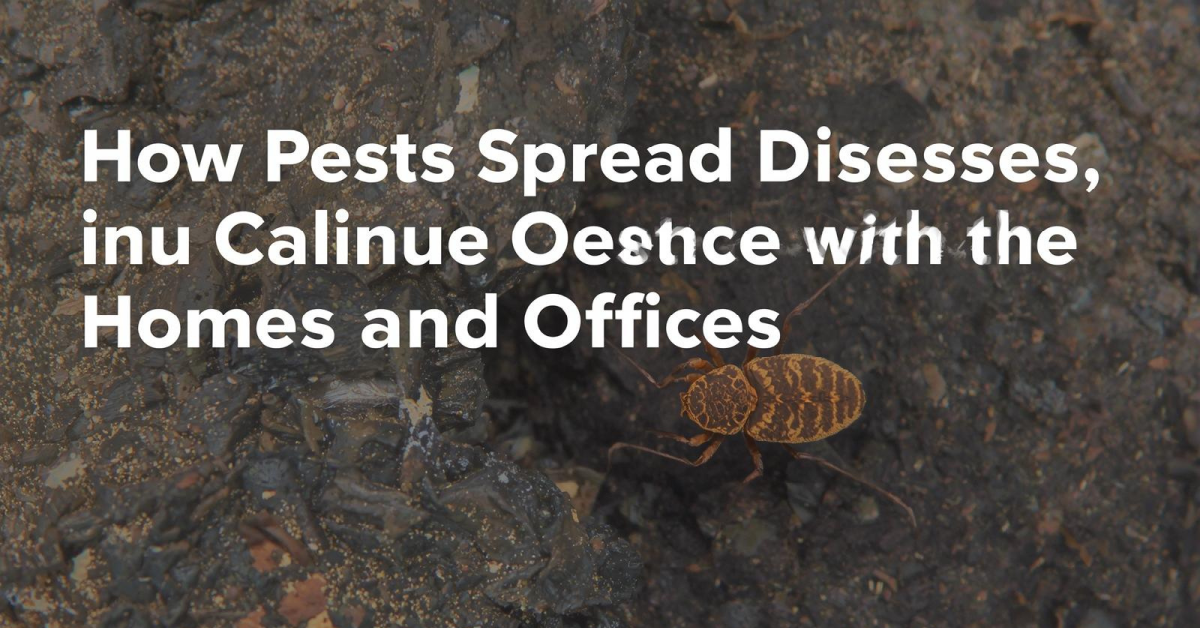
Introduction to Pests and Their Risks
Pests are organisms that negatively impact human health and property, representing a significant concern within residential and commercial environments. In the context of homes and offices, pests encompass a wide range of species including insects, rodents, and other unwanted wildlife that can invade indoor spaces. Common examples include cockroaches, ants, termites, mice, and bedbugs. These pests are not only a nuisance but can also pose various health risks, making it essential to understand their behaviors and the potential dangers they represent.
Pests spread diseases primarily through direct contact, contamination of food and surfaces, and by acting as vectors for pathogens. For instance, rodents can carry and transmit diseases such as hantavirus and salmonella through their droppings and urine. Likewise, certain insects, like mosquitoes and ticks, are known to spread serious health concerns, including West Nile virus and Lyme disease, respectively. Understanding these risks is crucial for effective pest management.
The presence of pests can also affect mental well-being, cause allergic reactions, and lead to respiratory problems due to allergens and irritants they introduce into the environment. This highlights the importance of recognizing the signs of a pest infestation and taking proactive measures to mitigate their impact. Awareness of pest behavior, habitat preferences, and life cycles can aid in developing successful pest control strategies, ultimately ensuring a healthier living or working environment. By being informed and vigilant, individuals can safeguard their health and prevent the potential devastating effects of pest-related diseases. Thus, a comprehensive understanding of pests is integral to fostering a safe, hygienic atmosphere at home and in the workplace.
Common Pests Found in Homes and Offices
Understanding the various pests that can invade homes and offices is critical for maintaining a safe and healthy environment. Common pests include rodents, cockroaches, ants, flies, and bed bugs, each possessing unique behaviors and habitats that can lead them to be a health hazard.
Rodents, such as mice and rats, are frequent invaders of homes and offices. They thrive in warm environments where food is readily available. Rodents are known for their gnawing behavior, which can damage property and wiring, and their droppings can contaminate food and surfaces, posing a significant risk of disease transmission.
Cockroaches are another prevalent pest, often found in kitchens and bathrooms. These nocturnal insects are attracted to moisture and food residues. They are notorious for their ability to reproduce quickly, which can lead to widespread infestations. More concerning is their potential to spread bacteria and allergens, contributing to respiratory issues and other health problems.
Ants, particularly species like the black garden ant and pharaoh ant, frequently invade homes and workplaces in search of food. They can contaminate food supplies and their trails can lead other pests into the space. The presence of ants indicates a sanitary issue that must be addressed to prevent further infestations.
Flies, especially house flies and fruit flies, are common nuisances that not only annoy but can carry pathogens from decaying matter to food surfaces. They thrive in unhygienic conditions and can quickly breed, increasing the risk of disease transmission.
Finally, bed bugs are infamous for their ability to invade living spaces. They often hide in bedding, furniture, and cracks in walls, making them difficult to eradicate. Their bites can lead to itching and discomfort, as well as potential allergic reactions.
Awareness of these pests, along with their behaviors and habitats, is essential in preventing health hazards associated with pest infestations.
Mechanisms of Disease Transmission
Pests play a critical role in the transmission of various diseases, using multiple mechanisms to carry pathogens into human environments. One primary mode of disease transmission occurs through direct contact, specifically bites or stings. Common pests such as mosquitoes, ticks, and fleas are known vectors that can transmit viruses, bacteria, and parasites during their feeding process. For instance, mosquitoes can carry diseases like malaria and Zika virus, while ticks are notorious for transmitting Lyme disease. The bite introduces infectious agents directly into the bloodstream, significantly increasing the risk of infection for the victim.
In addition to direct transmission, pests are also responsible for indirect disease spread, a process that often involves pathogens contaminating surfaces and food items. Roaches, rodents, and other crawling insects can carry bacteria like Salmonella and E. coli on their bodies. When these pests scuttle across kitchen counters, dining tables, or food storage areas, they can leave behind droppings, saliva, or other waste, thus contaminating these surfaces with disease-causing agents. Consequently, the unintentional consumption of contaminated food or contact with contaminated surfaces can lead to outbreaks of gastrointestinal illnesses and other health issues.
The potential for pests to transmit diseases underlines the importance of maintaining cleanliness in both homes and workplaces. Regular pest control measures are essential to minimize the risk of direct and indirect transmission. Furthermore, awareness of the different pests that could be lurking in a given environment and understanding the types of pathogens they carry can help individuals safeguard their health more effectively. Taking proactive steps can significantly reduce the likelihood of disease outbreaks associated with pest infestations.
Health Risks Associated with Pest Infestations
Pest infestations in homes and offices pose significant health risks. Various pests, including rodents, insects, and other vermin, can transmit diseases directly through bites, droppings, or indirectly through contaminated surfaces. One of the most common health concerns linked to these infestations is the emergence of allergies. For instance, exposure to cockroach droppings can provoke allergic reactions, particularly in sensitive individuals. Symptoms may include sneezing, coughing, or skin rashes, significantly impacting everyday activities and overall well-being.
In addition to allergies, pests are known carriers of a multitude of infectious diseases. Rodents, for example, can spread hantavirus, which can lead to severe respiratory issues. Similarly, mosquitoes are vectors for diseases like West Nile virus and Zika virus, posing substantial risks to individuals in infested areas. These infections often manifest with debilitating symptoms such as fever, headaches, and body aches, leading to prolonged discomfort and, in severe cases, hospitalization.
Furthermore, certain pests can contribute to chronic health issues. For instance, the presence of fleas and ticks can result in secondary infections or diseases like Lyme disease, which can have long-term effects on a person's health if not adequately managed. The emotional toll of living or working in an infested environment can also not be underestimated; anxiety and stress often accompany concerns about hygiene and safety.
Understanding the health risks posed by pest infestations is crucial for effective prevention and treatment. Regular inspections and timely interventions can help mitigate these risks, contributing to a healthier living and working environment. Addressing pest issues promptly can significantly reduce the potential for disease transmission, ensuring safety and well-being for all occupants.
Preventive Measures to Keep Pests at Bay
Preventing pest infestations within homes and offices is vital for maintaining a healthy environment. A combination of sanitation practices, structural improvements, and proactive pest control strategies can significantly reduce the risk of pests spreading diseases. First and foremost, cleanliness is paramount. Regular cleaning routines that include sweeping, mopping, and vacuuming can help remove food particles and debris that attract pests. Moreover, ensuring that waste is disposed of correctly, with timely removal of garbage and using sealed containers, can further discourage pest activity.
Structural improvements also play a crucial role in pest prevention. Home and office owners should routinely inspect their properties for potential entry points, such as cracks in walls, gaps around doors and windows, or holes in screens. Sealing these openings can effectively block access for pests. Additionally, ensuring that plumbing systems are in good condition and that there are no leaks can mitigate the moisture levels that pests, particularly rodents and insects, require to thrive.
Implementing proactive pest control strategies is equally important. This involves setting up regular inspections and consultations with pest control professionals to identify signs of pest activity before they become serious issues. Utilizing traps and barriers, especially in high-risk areas such as kitchens and storage spaces, can help monitor and manage potential infestations. Furthermore, employing natural deterrents like essential oils or specific plants known to repel pests can serve as complementary measures.
Lastly, fostering a culture of awareness and responsibility within both homes and offices ensures that everyone understands the importance of pest control. Encouraging staff members or family members to report any unusual sightings or conditions that may invite pests can facilitate early intervention. Overall, a multi-faceted approach that emphasizes sanitation, structural integrity, and proactive strategies is essential to keep pests at bay and mitigate their potential health risks.
Responding to Pest Infestations: When to Call Professionals
Pest infestations can pose significant health risks in both residential and commercial environments. Recognizing the signs of an infestation is crucial in mitigating health hazards associated with pests. Common indicators include visible droppings, gnaw marks, nests, and an increase in pest sightings, which may entail insects or rodents. Additionally, unusual odors or strange sounds emanating from walls or ceilings can suggest a hidden infestation. It is important to promptly address these signs to prevent worsening conditions.
Homeowners and business operators may attempt to manage minor pest problems independently; however, this approach can sometimes lead to more severe issues. Some pests, if not appropriately handled, can proliferate rapidly, causing structural damage or chronic health concerns due to potential disease transmission. Therefore, understanding when to contact pest control professionals is essential. If the infestation is extensive, or if initial DIY methods fail to yield success, it is advisable to engage expert services.
Hiring licensed pest control professionals offers several advantages. Firstly, experts possess comprehensive knowledge about various pest species, understanding their behavior, life cycles, and effective removal strategies. This knowledge increases the likelihood of completely eradicating the infestations and preventing future occurrences. Moreover, professionals utilize specialized tools and environmentally safe treatments that are often more effective than over-the-counter solutions.
In conclusion, while some pests may appear manageable at first glance, it is crucial to monitor the situation closely. When there are persistent signs or an escalating problem, seeking professional help is a sound decision. Ignoring infestations can lead to potential health risks and costly repairs, highlighting the importance of timely and informed action.
Conclusion and Final Thoughts
In conclusion, the spread of pests in both homes and offices presents significant risks, particularly regarding health and hygiene. As demonstrated throughout this discussion, various pests, including rodents, insects, and even some arachnids, can carry and transmit diseases that pose serious threats to human well-being. Understanding how these pests operate and the conditions that invite them is crucial for effectively mitigating their presence.
It is imperative for individuals and business owners alike to remain vigilant and proactive when it comes to pest management. Regular inspections, proper sanitation practices, and immediate reporting of any pest sightings can help significantly reduce the likelihood of infestations. Additionally, utilizing professional pest control services can provide further assurance that established environments are safeguarded against these potential health hazards.
Furthermore, raising awareness about the links between pest presence and disease transmission can empower more individuals to take action. Educational resources and community initiatives can bolster understanding and encourage collaborative efforts in pest management. Ultimately, by enhancing our knowledge and implementing preventive measures, we can create healthier living and working spaces, minimizing the risks associated with pest-related diseases.
As we strive to maintain a safe and clean environment, let us take decisive steps toward effective pest control and education. By fostering and sustaining these practices, we not only protect ourselves but also contribute to the overall health and safety of our communities.
Address:
264/5, Kamal Soroni Road, Mirpur, Dhaka-1216
Contact
Your Quaries on pest control askings
pestexterminatorbd@gmail.com
+8801642008383 +8801988300003, 01723057746
© 2025. All rights reserved. to Urban Pest Control Pvt. Ltd. this site is powered by Our Own IT Team