
How Rats Damage Electrical Wiring Silently
How Rats Damage Electrical Wiring Silently
1/26/20267 min read
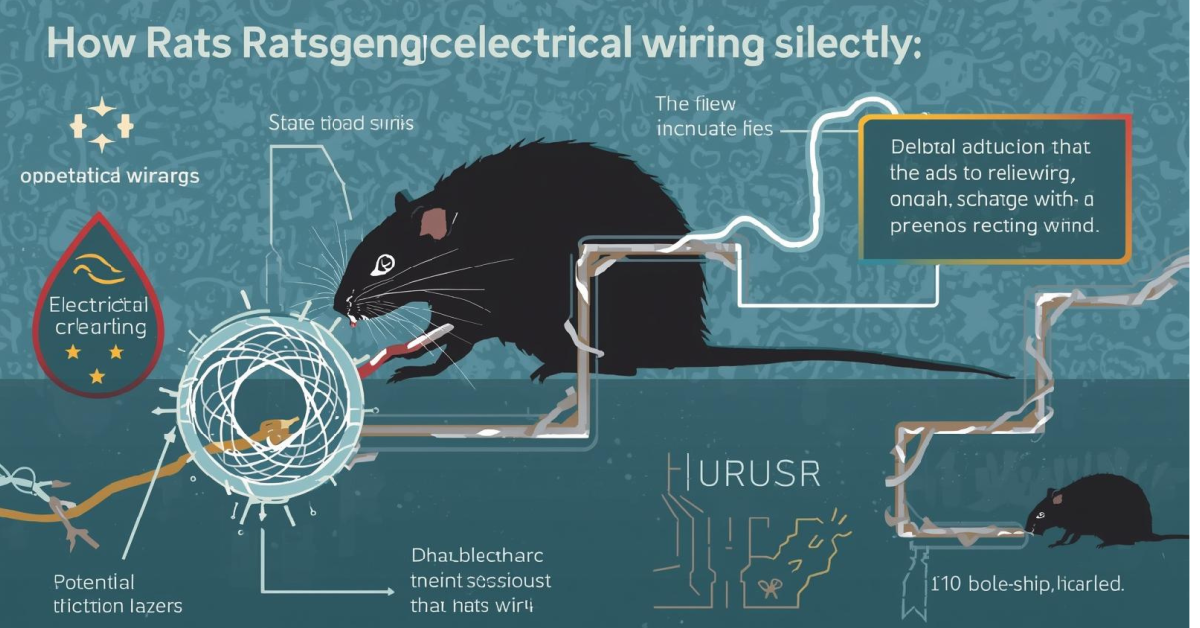
The Hidden Threat: Understanding the Rat Problem
Rats are persistent invaders that often seek refuge in human habitats, drawn by the availability of food, water, and shelter. Their adaptability, intelligence, and reproductive capabilities make them a formidable problem for homeowners. Understanding the underlying reasons for a rat infestation is crucial in preventing damage, particularly to electrical wiring.
Rats possess an innate instinct to gnaw on various materials, a behavior deeply ingrained in their biology. As rodents, their front incisors continuously grow throughout their lives, requiring them to chew on substances to manage their teeth's length. This natural tendency leads them to target materials found commonly in homes, such as wood, plastics, and, notably, electrical wiring.
The insulation on electrical wires presents an enticing target for rats. The chemical odors emitted by plastics can attract these creatures, prompting them to chew and eventually cause damage. This gnawing can lead to exposed wires, creating potential hazards such as electrical shorts, power outages, and even the risk of fire. The ramifications of such damage extend beyond mere inconvenience; they pose serious safety hazards for residents.
Moreover, the presence of rats can indicate other underlying problems within a household. Their nesting habits often suggest structural vulnerabilities, such as gaps in walls or foundations. These entry points not only allow rats in but can also provide access for other pests. Therefore, a proactive approach in addressing rat infestations is essential—not only to protect wiring but to maintain the overall integrity of the home.
In summary, comprehending the behaviors and instincts of rats is pivotal for effective management of their populations. Homeowners need to be vigilant about signs of infestation and implement preventive measures, ensuring the safety of their electrical systems and overall household environment.
The Anatomy of Electrical Wiring: Why Rats Are Attracted
Electrical wiring systems primarily consist of conductors made from copper, surrounded by insulation materials, which can be varied. The most commonly used types of insulation include polyvinyl chloride (PVC), rubber, and various thermoplastics. These materials are designed to protect the conductive copper core from environmental damages and electrical shorts. However, it is this very insulation that attracts rats and other rodents.
Rats possess an acute sense of smell that directs them toward materials they find appealing. The chemicals used in the manufacturing of insulation often emit odors that may be enticing to rodents. Furthermore, the texture of these materials makes them suitable for nesting. Rats instinctively search for comfortable and warm places to create their nests, and the soft layers of wire insulation present an ideal choice for them.
Moreover, copper itself can be appealing to rats for its properties as a conductor. As an element, copper does not pose any toxic threat to them. Additionally, the process through which copper wires are produced may leave residues or traces that can attract rats. When searching for food, they sometimes resort to gnawing on various materials, inadvertently damaging electrical wiring in their pursuit.
This inclination not only leads to physical harm to the wiring system but also poses significant safety hazards. Damaged insulation can result in short circuits, electrical fires, or outages that disrupt lives. Understanding the materials used in electrical wiring and the attractions they hold for rats is crucial in addressing and mitigating the risks associated with rodent infestations in residential and commercial buildings.
Signs of Rat Infestation: How to Identify Damage
Rat infestations in residential areas often go unnoticed until significant damage has been inflicted. One of the primary concerns with these rodents is their tendency to gnaw on various materials, including electrical wiring. Homeowners should be vigilant in observing certain signs that may indicate the presence of rats and the subsequent damage they can cause.
One prominent indicator of a rat infestation is the presence of frayed wires, particularly around areas where electrical cables are accessible. When rats bite through insulation covering wires, this poses a potential fire hazard as exposed wires can short-circuit or spark. Homeowners should regularly inspect wiring in attics, basements, and around appliances, looking for any signs of such damage.
In addition to physical damage, homeowners may also notice unusual sounds within the walls or ceilings. Scratching or scurrying noises, especially during the night, are often indicative of rats moving about their territory. These sounds can serve as a warning sign that a closer inspection of electrical components and wiring is necessary.
Another critical sign of damage is the presence of burnt smells surrounding electrical outlets or appliances. If wires are chewing through and exposed, they may generate heat, leading to potential fires. Homeowners should never ignore these odors, as they would suggest immediate attention is required.
It is crucial to recognize these early warning signs of rat infestation promptly, as addressing the situation swiftly can prevent extensive and expensive damage to both wiring and the home itself. Implementing preventative measures and addressing any findings without delay can save homeowners from the severe consequences associated with rat-related electrical hazards.
The Risks of Damaged Electrical Wiring
Electrical wiring is a fundamental aspect of any modern home, providing power for lights, appliances, and essential devices. However, when rodents, such as rats, invade a living space, they pose a serious threat to the integrity of this wiring. Damaged electrical wiring due to gnawing and nesting behavior of these pests can lead to a variety of risks that are crucial for homeowners to understand.
One of the most significant dangers associated with compromised electrical wiring is the increased risk of fire hazards. Rodents have a tendency to chew through insulation and wires, exposing the conductive materials beneath. This exposure can lead to electrical shorts, where unintended contact occurs between wires, possibly igniting surrounding materials. According to fire safety statistics, a considerable number of residential fires originate from electrical malfunctions, many of which are exacerbated by damage caused by animals. Thus, ensuring the integrity of electrical systems becomes paramount in maintaining a safe home environment.
In addition to fire risks, damaged wiring also leads to potential electrical shorts that can disrupt the power supply and cause malfunctions in connected devices. Such disturbances can not only result in costly repairs but may also endanger electronic devices, leading to data loss or hardware failure. For instance, household appliances that rely on consistent electrical input can become compromised, reducing their efficiency or rendering them unusable entirely. Over time, these issues can accumulate, resulting in greater financial implications for homeowners.
Furthermore, damaged wiring can decrease the property's overall value and make it less appealing to potential buyers. Home inspection reports that highlight rodent damage to wiring can raise red flags regarding the electrical system's safety and reliability. Thus, homeowners should prioritize regular inspections and preventative measures to safeguard their electrical systems from these silent saboteurs.
Preventative Measures: Keeping Your Wiring Safe from Rats
Maintaining the integrity of electrical wiring is crucial for any homeowner, particularly in areas where rat infestations are a concern. To protect your wiring from potential damage caused by these rodents, there are several practical strategies you can employ.
First and foremost, sealing entry points is essential. Rats can squeeze through surprisingly small gaps, so it is important to inspect both the interior and exterior of your home for any holes or cracks. Use materials such as steel wool or caulking to fill these openings, as they are less likely to be chewed through compared to weaker alternatives.
Moreover, keeping your living spaces clean and organized can significantly reduce the chances of a rat infestation. Ensure that food items are stored in airtight containers and that spills are promptly cleaned. Regular cleaning activities, especially in areas such as attics and basements where wiring may be more exposed, will help eliminate potential nesting sites and discourage rats from settling in.
Additionally, the strategic placement of traps can help deter any wandering rats. Choose snap traps or electronic traps as they are known to be more effective than glue traps. It is advisable to check these traps frequently to monitor their effectiveness and to dispose of any captured rodents promptly.
Furthermore, consider utilizing natural deterrents. Certain scents, such as peppermint oil, may repel rats. Spraying diluted peppermint oil around known entry points or potential nesting areas can help in discouraging rodent activity. By implementing these practices, homeowners can significantly reduce the risk of rat damage to electrical wiring and maintain the safety and functionality of their home’s electrical systems.
How to Handle a Rat Infestation
Managing a rat infestation requires a structured approach to ensure effective resolution while mitigating risks associated with their presence, especially regarding potential damage to electrical wiring. Firstly, confirming the presence of rats is crucial. Signs include droppings, gnawed materials, and unusual noises in walls or ceilings. Upon confirmation, it is vital to act swiftly.
One of the first steps is to secure your home. This involves sealing potential entry points such as gaps in walls, around doors, and through the foundation. Installation of wire mesh can be an effective deterrent against future infestations. Furthermore, eliminate food sources by properly storing food and keeping garbage tightly sealed.
When it comes to removal methods, there are several options available. Traps, especially snap traps, can be used effectively to capture rats. It is essential to place these traps in areas where signs of activity have been observed. However, if the infestation is severe, or if you are uncomfortable handling the situation, it is advisable to contact pest control professionals. They possess the expertise and tools necessary for safe and efficient eradication of rats.
The involvement of professionals is especially important when handling any wiring damage caused by rodents. Rats can chew through electrical cables, leading to serious fire hazards. If you suspect that wiring has been compromised, refrain from using affected circuits and seek help from a licensed electrician without delay. They can evaluate the damage, perform necessary repairs, and ensure that your electrical systems are safe to use.
In conclusion, addressing a rat infestation involves prompt action, strategic prevention, and consultation with professionals when necessary. By following these steps, you can effectively manage the situation while ensuring the safety of both your home and its electrical wiring.
Concluding Thoughts: Keeping Your Home Safe
Understanding the potential dangers posed by rats within our homes is crucial for maintaining a safe living environment. These rodents are not only a nuisance but also formidable silent saboteurs, particularly when it comes to your electrical systems. It is essential to be vigilant, as the damage caused by rats can lead to electrical failures and even pose fire hazards.
Rats are known for their ability to gnaw through various materials, including the insulation on electrical wires. This destructive behavior can lead to short circuits and other electrical issues, resulting in costly repairs and significant safety risks. The presence of rats can also increase the likelihood of attracting other pests, compounding the problems homeowners may face. Therefore, awareness and proactive measures are essential in mitigating these risks.
To ensure the safety of your home, regular inspections and maintenance of your electrical systems should be a priority. This practice helps to identify any potential vulnerabilities and address them before they escalate into more serious issues. Additionally, implementing preventive strategies such as sealing entry points, maintaining cleanliness, and using traps or professional extermination services can significantly reduce the likelihood of a rat infestation.
In conclusion, the importance of being aware of rats and their potential impact on your electrical systems cannot be overstated. By taking proactive steps to secure your home and educate yourself about the risks associated with these pests, you can create a safer and more comfortable living space. Awareness and action are critical in safeguarding both your home's electrical integrity and your family's overall well-being.
Address:
264/5, Kamal Soroni Road, Mirpur, Dhaka-1216
Contact
Your Quaries on pest control askings
pestexterminatorbd@gmail.com
+8801642008383 +8801988300003, 01723057746
© 2025. All rights reserved. to Urban Pest Control Pvt. Ltd. this site is powered by Our Own IT Team