
How to Detect, Prevent & Eliminate Termites Before Structural Damage Occurs
2/15/20268 min read
Early Warning Signs of Termite Infestation
Detecting termite infestations early is crucial for minimizing damage to a property. Homeowners should be vigilant and look for specific signs that indicate the presence of these wood-destroying pests. One of the most recognizable indicators is the presence of mud tubes, which are constructed by termites to travel between their colonies and food sources. These tubes, often found on exterior walls or foundations, appear as small, pencil-sized structures made from soil and wood particles.
Another visible sign of a termite infestation is discarded wings. During the swarming season, reproductive termites leave their original colonies to establish new ones. Upon doing so, they shed their wings, which can often be found near windowsills, doors, or other entry points. Homeowners should not overlook the significance of these wings, as they signal that termites may have already invaded the property.
It's also essential to pay attention to the sound of wood in your home. If tapping or hollow sounds are heard when knocking on wooden structures, this may indicate that termites are present. These pests consume wood from the inside out, leaving a hollow shell that creates an altered acoustic tone.
Additional subtler signs to note include frass (termite droppings), which typically resemble small pellets or sawdust. Finding these droppings can suggest an active infestation nearby. Moreover, homeowners should be cautious of unexplained structural damage, such as buckling floorboards, peeling paint, or sagging ceilings. Such changes can be indicative of long-term termite activity.
To facilitate early detection, homeowners are encouraged to conduct regular inspections of their properties, particularly in areas that are humid and prone to moisture. By remaining observant and proactive, the likelihood of a serious termite problem can be significantly reduced.
Subterranean vs Drywood Termites: What You Need to Know
Termites present significant challenges for homeowners, with the two most notable types being subterranean and drywood termites. Understanding the key differences between these two species is crucial for effective termite management and treatment. Subterranean termites are primarily found in soil and require moisture to survive, establishing colonies below ground. They often create mud tubes that extend from the soil to wooden structures, enabling them to access food sources while maintaining humidity. In contrast, drywood termites do not require contact with soil; they typically infest dry wood above ground, making them harder to detect until considerable damage has been done.
Behaviorally, subterranean termites are known for their destructive feeding habits, which can lead to severe structural damage in a short period. They tend to consume cellulose found in wood, paper, and other plant materials. Their colonies can consist of thousands to millions of individuals, making them formidable adversaries. On the other hand, drywood termites usually have smaller colonies, often numbering in the hundreds or thousands, but their ability to damage timber can still be significant. They create small openings in wood surfaces to expel their waste, which can help identify an infestation.
The differences between these two types of termites also influence the choice of treatment options. For subterranean termites, treatments often involve soil applications of insecticides or baiting systems designed to target the colony. However, drywood termites may necessitate more localized treatments, such as direct insecticide applications or fumigation, depending on the severity and extent of the infestation. Understanding these distinctions between subterranean and drywood termites is essential for determining the most effective solutions to prevent and remediate termite damage.
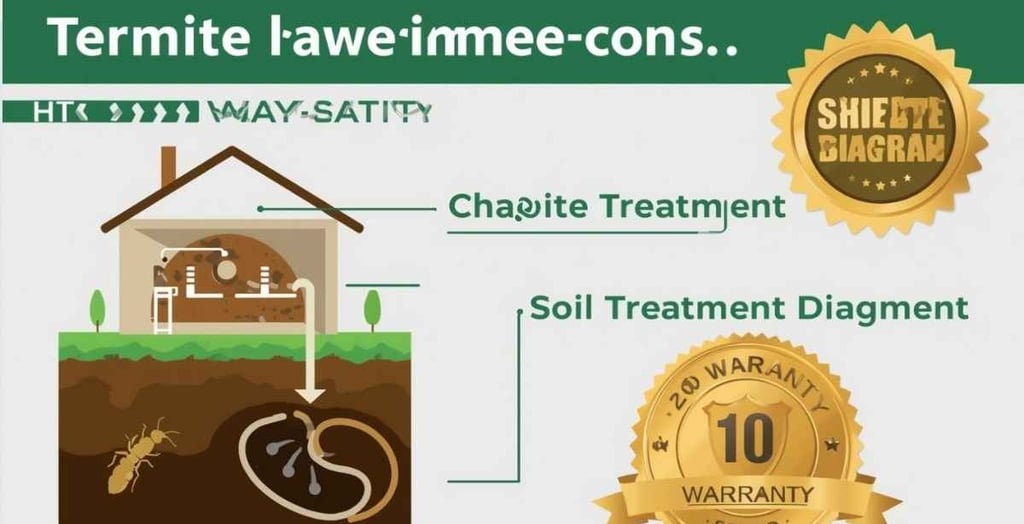
Soil Treatment Methods to Combat Termites
Termite infestation poses a significant threat to wooden structures, making effective soil treatment crucial for prevention and eradication. Among the various methods available, chemical treatments, physical barriers, and eco-friendly alternatives are commonly employed to combat subterranean termites.
Chemical Treatments: Traditional chemical treatments involve the application of insecticides to the soil surrounding a structure. These chemicals create a toxic barrier, preventing termites from entering the home. One widely used chemical is fipronil, which is effective at low concentrations but requires careful application to minimize environmental impact. Another popular option is imidacloprid, known for its ability to eliminate termites that come into contact with treated soil. Both of these chemicals can provide long-lasting protection if maintained correctly, but homeowners should ensure they follow safety guidelines during application.
Physical Barriers: An alternative to chemical treatments is the use of physical barriers. These methods typically involve the installation of stainless steel mesh, crushed granite, or sand barriers that impede termite movement. These are particularly effective during the construction phase of a building as they can be integrated within the foundation. Though physical barriers may be costly initially, they offer an effective, chemical-free solution that provides long-term protection against subterranean termites.
Eco-Friendly Options: Increasingly, homeowners are turning to eco-friendly solutions for termite control. Natural substances, such as nematodes and diatomaceous earth, are viable alternatives that disrupt termite life cycles without introducing harmful chemicals into the environment. Nematodes, microscopic roundworms, prey on termites, while diatomaceous earth damages their exoskeletons, leading to dehydration and death. While these methods may require longer application times, they present a sustainable approach to managing termite populations.
The choice of soil treatment method should depend on the specific needs of the property and potential long-term impacts on the surrounding ecosystem. Homeowners are encouraged to consult pest control professionals to determine the most suitable and effective approach for their situation.
Innovative Baiting System Technology for Termite Control
Innovative baiting systems have revolutionized the approach to termite control, offering a more targeted and less invasive method compared to traditional treatment options. These systems utilize specialized bait stations strategically placed around the perimeter of a property, designed to attract termites and eliminate them effectively. The appeal of these systems lies in their ability to address existing infestations while simultaneously preventing future invasions.
At the core of these baiting systems is a slow-acting insecticide that is ingested by the termites. This slow-acting nature allows worker termites to return to their colony, where they spread the bait to the rest of the population, including the queen. This colony-wide impact can lead to a significant reduction in termite numbers over time, ultimately controlling the infestation. Common bait formulations include those based on noviflumuron and hexaflumuron, which disrupt the termites' ability to molt, causing colony decline.
When considering the deployment of an innovative baiting system, it is crucial to ensure proper installation and monitoring for maximum effectiveness. Bait stations should be installed in areas with high termite activity, as identified by a thorough inspection conducted by pest control professionals. Additionally, regular monitoring and replenishment of bait are essential for maintaining efficacy, as it allows for the early detection of new termite activity.
Compared to traditional chemical treatments such as liquid termiticides, baiting systems are often preferred due to their environmental benefits. They minimize chemical exposure, reducing risks to non-target organisms and the surrounding ecosystem. Best practices for using these systems involve periodic inspections and maintenance, ensuring that bait stations remain functional and effective over time, ultimately leading to successful termite management.
Exploring Heat Treatment Options for Termites
Heat treatment is a physical method employed to eradicate termite infestations, leveraging high temperatures to eliminate these pests from structured environments. This technique involves raising the ambient temperature of the infested area to a lethal range that typically falls between 120°F and 140°F (approximately 49°C to 60°C). Maintaining this temperature for a specific duration, generally around 30 minutes to several hours, ensures that termites, including eggs and larvae, are effectively exterminated.
The primary benefit of using heat treatment for termite eradication is its non-chemical approach. This minimization of chemical pesticides presents a safer option for households, especially those with children or pets. Additionally, heat treatment can penetrate wooden structures and eliminates hidden colonies, addressing not only the visible pests but also their potential breeding sites. Furthermore, the treatment does not create any residual toxic substances in the environment, leaving the area safe for habitation shortly after the process is completed.
However, heat treatment does come with its drawbacks. The effectiveness of this method relies on thorough inspection and precise temperature monitoring; it may not reach adequate levels in all materials, such as wall cavities or insulated areas, potentially leaving pockets of infestation untreated. Moreover, heat treatment can be more costly than traditional chemical methods and typically requires the services of trained professionals to ensure the procedure is conducted correctly and safely.
This method is particularly suitable for localized infestations where immediate action is required or in spaces where chemicals are undesirable. Homeowners should carefully consider the circumstances of the infestation and consult with pest control experts to determine if heat treatment is the most appropriate option for their specific situation. By weighing the benefits and limitations, effective termite management can be achieved.
Long-Term Warranty Protection Against Termites
The threat posed by termites to residential and commercial properties is significant, making effective treatment essential. However, the implementation of treatment alone may not suffice in safeguarding your investment. This is where long-term warranty protection becomes a crucial element in termite management. By investing in a comprehensive warranty, property owners can secure peace of mind, knowing that they are protected against potential termite infestations in the future.
Typically, warranties for termite treatment cover a range of services, including the cost of retreatment, repairs for any damage caused by termites, and ongoing inspections to monitor the effectiveness of the treatment. The specific terms of the warranty can vary, thus it is important for homeowners to carefully review and understand what is included. Many warranties last for multiple years, often ranging from several years to a lifetime, depending on the company and the treatment used. Customers should inquire about renewal options to maintain continuous protection.
For a warranty to remain valid, certain conditions often need to be met. These may include regular inspections by a licensed professional, adherence to specific maintenance guidelines, and prompt reporting of any signs of termite activity. Property owners should also ensure that they follow any local regulations or guidelines that may affect their treatment and warranty. These proactive measures not only ensure ongoing protection but also serve to maintain the integrity of the warranty.
Embracing long-term warranty protection against termites provides an invaluable layer of security. It offers financial protection against unexpected treatment costs and associated repairs while granting homeowners peace of mind. Choosing a pest control service that provides a solid warranty can be a wise investment, reinforcing the protection of one’s property against the damaging effects of termites.
Cost Comparison Guide for Termite Treatments
When addressing a termite infestation, understanding the costs associated with various treatment options is crucial for homeowners. Different treatment methods, such as soil treatments, bait systems, and heat treatments, come with varying costs and effectiveness, both in the short term and long term. This cost comparison guide aims to provide insights into the financial implications of each treatment method.
Soil treatments typically involve the application of liquid pesticides to the soil surrounding a structure. The average costs for soil treatment can range from $1,000 to $3,000, depending on the severity of the infestation and the size of the property. One advantage of this method is its long-lasting effects, often providing protection for several years.
Bait systems, which use strategically placed bait stations to eliminate termites, can be a more environmentally friendly option. The initial installation of bait systems can range from $1,500 to $4,000. Despite the higher upfront cost, these systems require less frequent monitoring, thus reducing long-term expenses in some cases.
Heat treatments offer a chemical-free solution, utilizing high temperatures to eradicate termites. The costs for heat treatments can vary, typically falling between $2,000 and $8,000, depending on the property size and the degree of infestation. While heat treatment can be more expensive initially, it may eliminate the need for ongoing treatments, saving money in the long run.
Ultimately, when evaluating termite treatment options, homeowners should not only consider the immediate expenses but also contemplate future costs. Long-term effectiveness, potential damage repair costs, and prevention measures should all factor into the decision-making process. A thorough analysis of the available options ensures that homeowners can make informed choices that align with both their budget and the necessity of protecting their homes.
Address:
264/5, Kamal Soroni Road, Mirpur, Dhaka-1216
Contact
Your Quaries on pest control askings
pestexterminatorbd@gmail.com
+8801642008383 +8801988300003, 01723057746
© 2025. All rights reserved. to Urban Pest Control Pvt. Ltd. this site is powered by Our Own IT Team